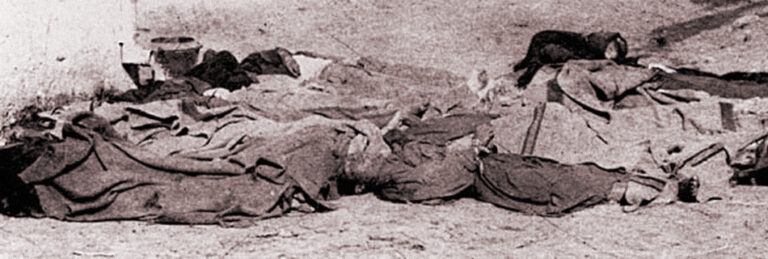
Los Angeles Chinese Massacre of 1871
On October 24, 1871, a mob killed at least 18 Chinese men and boys in Los Angeles. Eight were convicted, but the verdicts fell on a technicality.
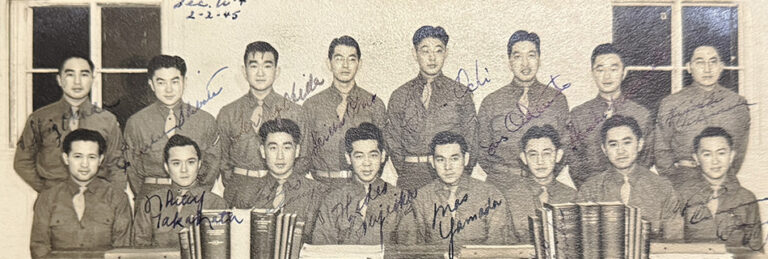
Fort Snelling
Nisei linguists trained at Camp Savage and Fort Snelling while viewed as the enemy. By one estimate, they saved a million American lives in the Pacific War.
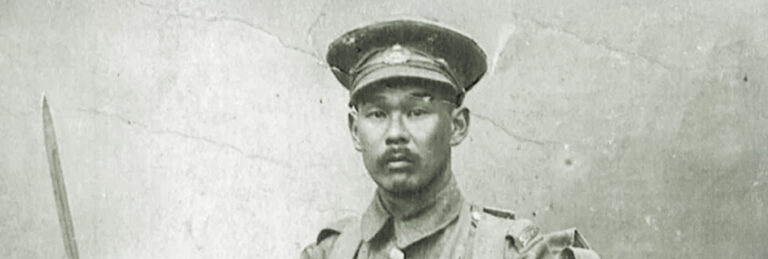
Masumi Mitsui
Masumi Mitsui fought for Canada in World War I and earned the Military Medal. In 1942, Canada labeled him an “enemy alien,” seized his family’s farm, and forced them from their home.
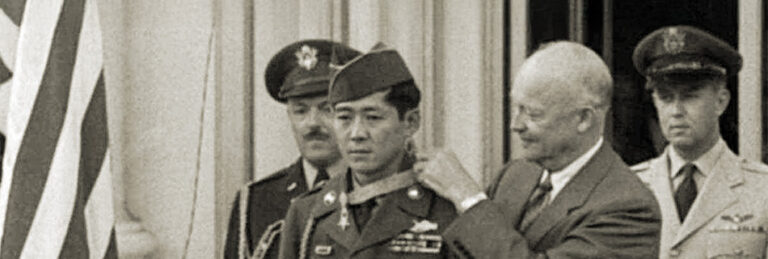
Hiroshi “Hershey” Miyamura
Why the Army kept Hiroshi “Hershey” Miyamura’s Medal of Honor top secret during his 28 months as a Korean War POW, and how he learned of it at his release.
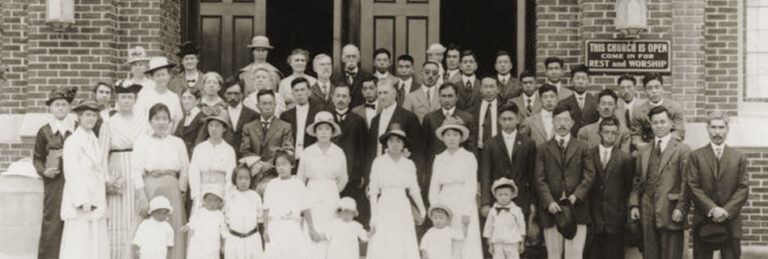
World Quaker Day
On World Quaker Day, remember how Quakers stood with Japanese Americans in World War II, from storing belongings to helping 4,000 students leave the camps.
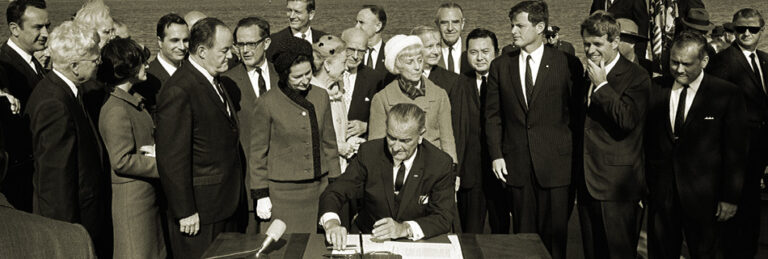
Hart-Celler Act
On October 3, 1965, President Johnson signed the Hart-Celler Act, ending race-based immigration quotas. He called it not revolutionary. It reshaped America.

Kanaye Nagasawa
Kanaye Nagasawa was the first Japanese national to live permanently in the United States and became the first Wine King of California. His legacy tells a story of ambition, success, and an American dream that could not be passed on because of discriminatory laws.
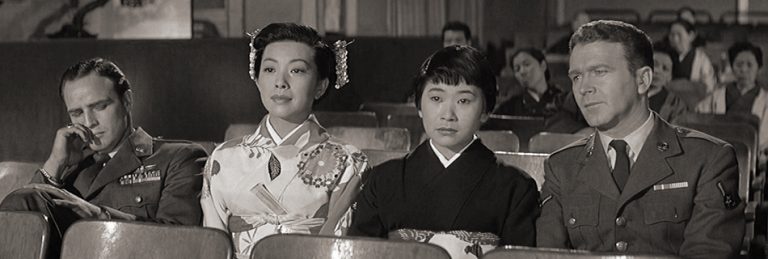
Miyoshi Umeki
In 1958, Miyoshi Umeki became the first Asian actress to win an Academy Award. It was a historic moment, but not a turning point. Her career reflects the limits placed on Asian performers in Hollywood, even after the highest recognition.
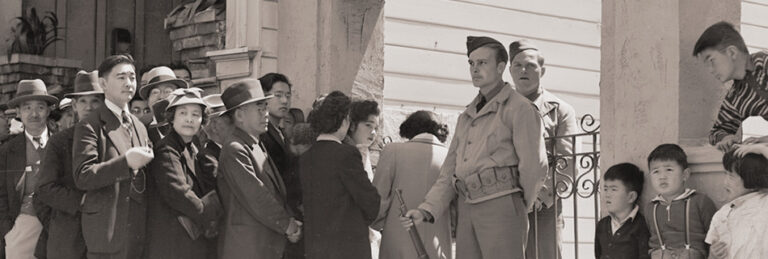
Executive Order 9066
On February 19, 1942, President Franklin D. Roosevelt signed Executive Order 9066, authorizing the forced removal and incarceration of over 120,000 Japanese Americans. The order paved the way for one of the largest violations of civil liberties in U.S. history.