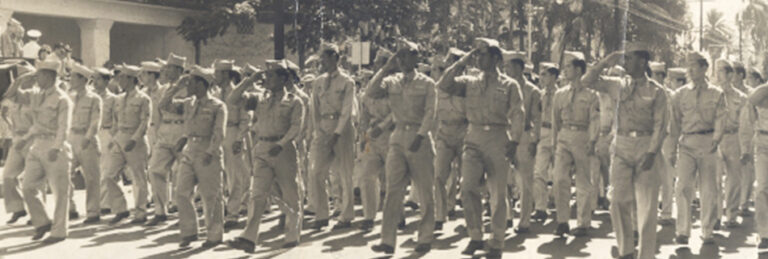
Hawaii Provisional Infantry Battalion
The Army wasn’t sure they could be trusted. A year later, commanders were calling them some of the finest soldiers they had ever seen. On June 6, 1942, 1,432 Nisei soldiers left Hawaii as the Hawaii Provisional Infantry Battalion. One week later, they became the 100th Infantry Battalion.
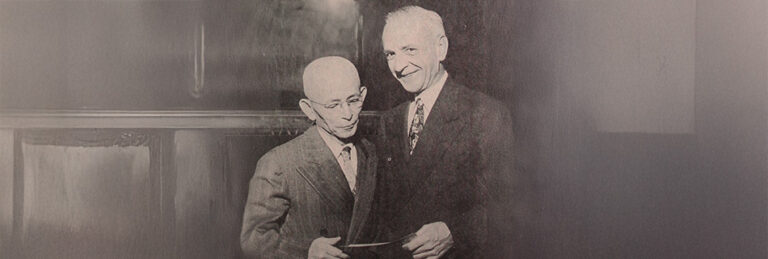
Evacuation Claims Act
They were welcome to file a claim. Compensation was another matter. Although the Evacuation Claims Act offered reimbursement for wartime property losses, many Japanese Americans recovered only a small fraction of what they had lost.
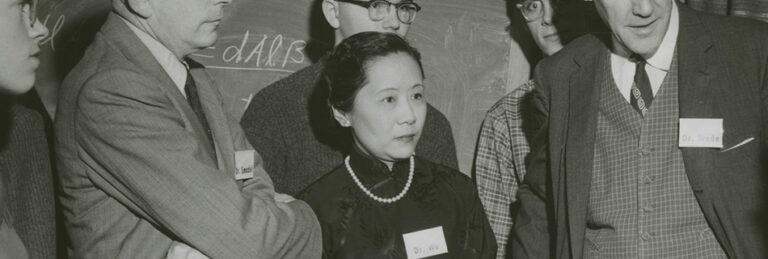
Chien-Shiung Wu
By the time Chien-Shiung Wu died in 1997, she had helped build the atomic bomb, become one of the world’s foremost experimental physicists, and overturned one of the most important laws in modern physics. Yet she never received a Nobel Prize. Many scientists have spent decades asking why.
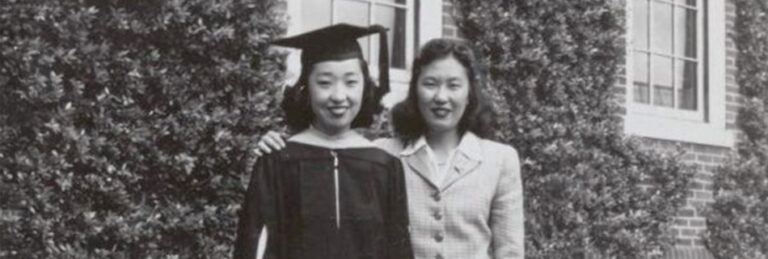
National Japanese American Student Relocation Council
Behind barbed wire, thousands of Japanese American students faced a future that suddenly seemed impossible. Through determination, community support, and the work of the National Japanese American Student Relocation Council, more than 4,000 students found their way back to college.
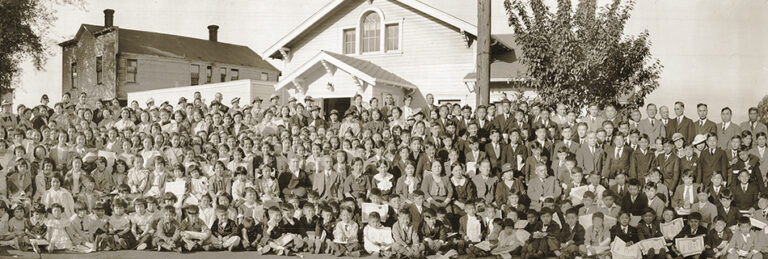
Tacoma Nihongo Gakkō
A school built to preserve language, culture, and dignity for Tacoma’s Japanese American children later became a registration site for their forced removal during World War II. The same place that taught them how to belong became one of the places where they were ordered to disappear.
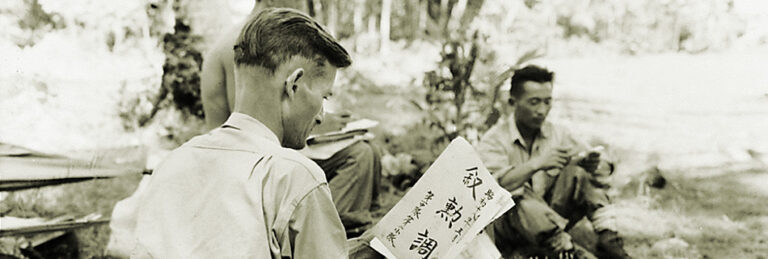
Z Plan
In May 1944, Japanese American Military Intelligence Service linguists began translating the Japanese Navy’s secret “Z Plan” after critical documents were recovered from a plane crash in the Philippines. The intelligence would help shape one of the most decisive American victories of the Pacific War.

Kanaye Nagasawa
Kanaye Nagasawa was the first Japanese national to live permanently in the United States and became the first Wine King of California. His legacy tells a story of ambition, success, and an American dream that could not be passed on because of discriminatory laws.
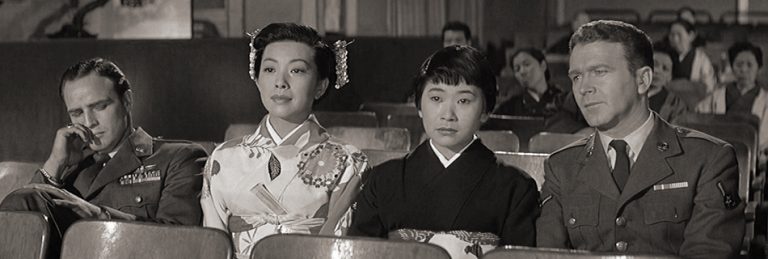
Miyoshi Umeki
In 1958, Miyoshi Umeki became the first Asian actress to win an Academy Award. It was a historic moment, but not a turning point. Her career reflects the limits placed on Asian performers in Hollywood, even after the highest recognition.

Japanese Canadian Incarceration
January 14, 1942 marked the beginning of a seven-year exile for Japanese Canadians. More than 27,000 people were removed, incarcerated, and barred from returning home until 1949.