
George Takei
Before the final frontier, there was barbed wire. George Takei’s story traces a path from incarceration camps to Star Trek and a lifetime of advocacy.
Before the final frontier, there was barbed wire. George Takei’s story traces a path from incarceration camps to Star Trek and a lifetime of advocacy.
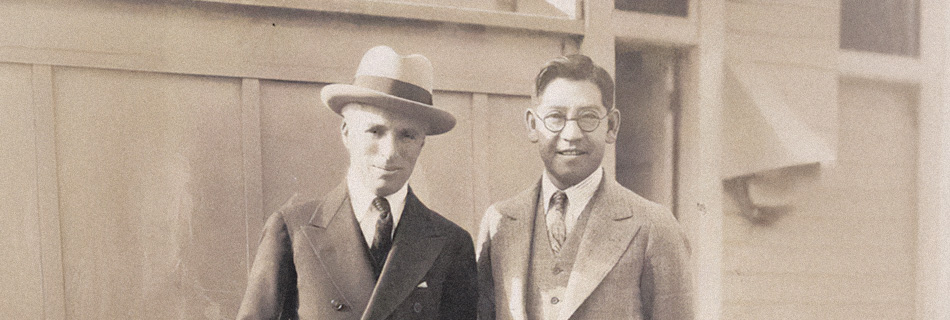
In 1932, ultranationalists plotted to assassinate Charlie Chaplin during his visit to Japan. Toraichi Kōno persuaded him to attend a sumo match instead of visiting Prime Minister Inukai Tsuyoshi. That evening, the Prime Minister was killed in the May 15 Incident. Chaplin survived.

In 1978, when redress seemed stalled and political leaders dismissed reparations as “guilt mongering,” playwright Frank Chin helped rewrite the script. He helped launch the first Day of Remembrance, urging a community to publicly relive incarceration, reigniting a movement that would eventually lead to the Civil Liberties Act of 1988.
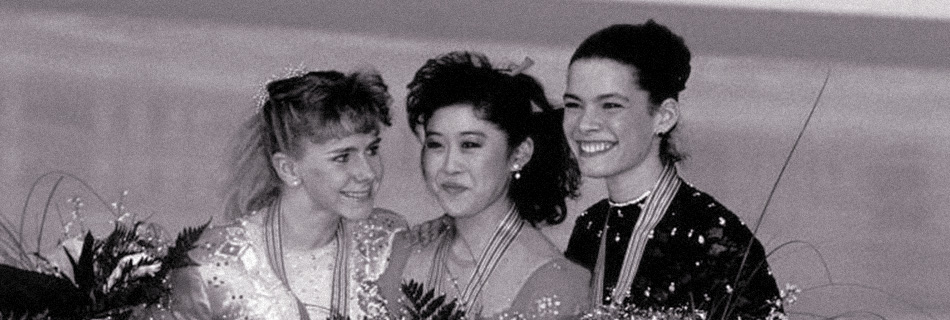
When Kristi Yamaguchi won Olympic gold in 1992, she made history as the first Asian American woman to do so in winter sports. But her victory also exposed deeper tensions about race, identity, and who was seen as marketable in America.
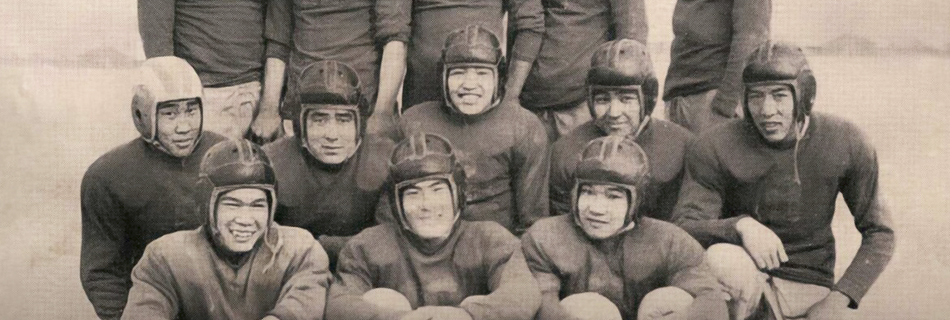
The Heart Mountain Eagles were an all-Japanese American football team that played and defeated outside Wyoming high schools while imprisoned in a World War II incarceration camp.

Wataru “Wat” Misaka quietly broke the NBA’s color barrier in 1947. There were no headlines or recognition. The league’s first African American players would not enter the NBA for another three years.

Bruce Lee was born in San Francisco in 1940, the only American-born member of his family, and spent his life challenging the racial barriers that defined Hollywood and the world around him. He taught students of every background, refused stereotypical roles, married across racial lines, and showed that strength and dignity belong to all people — not any one race.

At Gila River, Kenichi “Zeni” Zenimura built a real ballpark from desert sand, with bleachers, grandstand, box seats, even uniforms sewn from bedsheets. For thousands of incarcerated Japanese Americans, his field turned confinement into community, and despair into America’s favorite pastime.

Behind barbed wire, baseball gave Japanese Americans strength, pride, and unity. The Manzanar Baseball Project honors the game that helped them endure injustice and rebuild community.