
John Tateishi
Many people opposed Japanese American redress, including Japanese Americans. The story of John Tateishi and the decade-long fight for the Civil Liberties Act of 1988.
Many people opposed Japanese American redress, including Japanese Americans. The story of John Tateishi and the decade-long fight for the Civil Liberties Act of 1988.
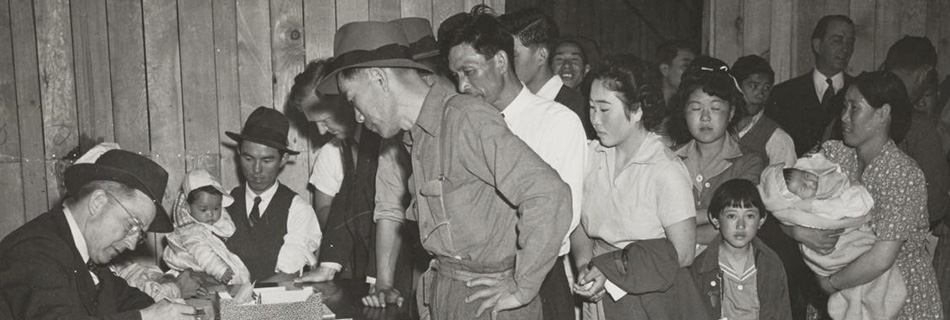
On August 4, 1942, a routine search for contraband at the Santa Anita Assembly Center escalated into a riot involving 2,000 Japanese American detainees.
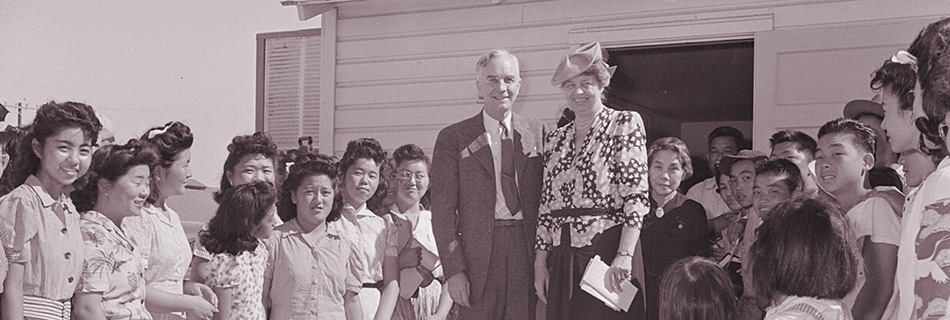
Gila River was considered one of America’s least oppressive concentration camps. But even Eleanor Roosevelt left appalled after seeing it for herself.
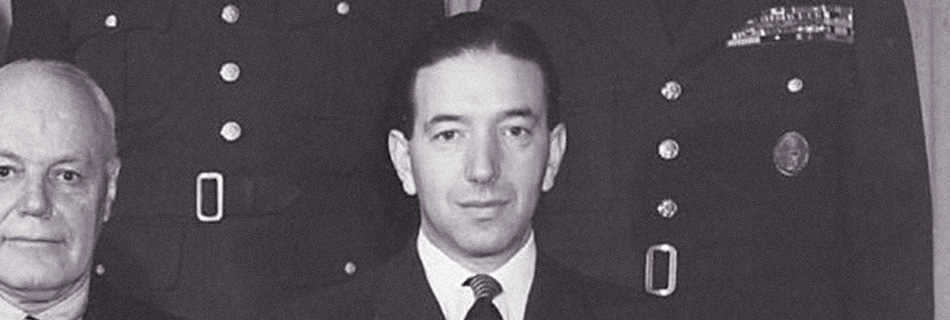
Karl Bendetsen conceived, drafted, and processed Executive Order 9066, which authorized the mass removal of more than 120,000 Japanese Americans during World War II. Decades later, he denied responsibility while lying about his own identity.
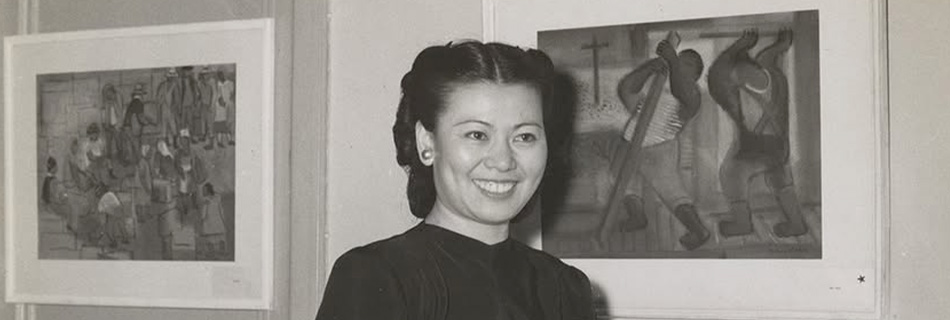
Artist Miné Ōkubo created more than 2,000 sketches while incarcerated during World War II. Her memoir, Citizen 13660, became one of the most important firsthand accounts of the Japanese American incarceration.
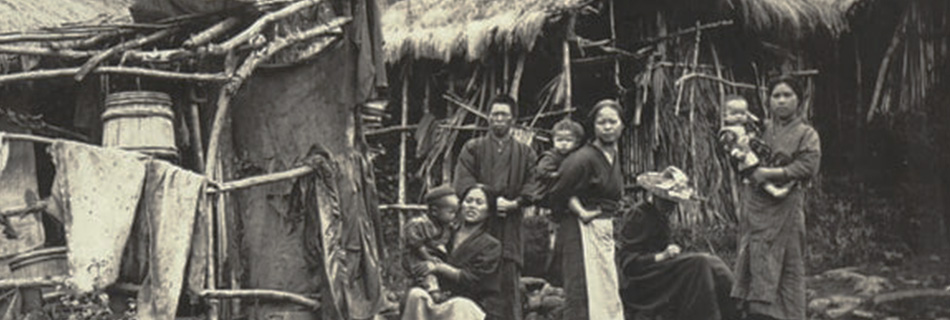
They were called the Gannenmono, the “people of the first year.” They came seeking a better life in Hawaiʻi. Instead, many encountered broken promises, brutal working conditions, and a labor system that punished workers for trying to leave.
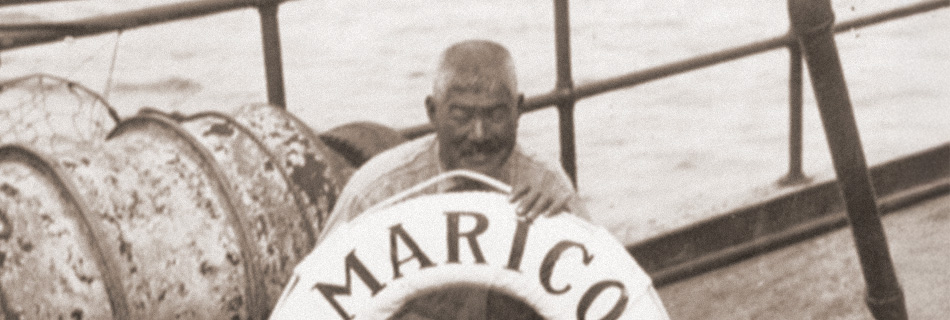
California blocked him from citizenship. Then it tried to take away his right to fish. When Torao Takahashi challenged the law, his case reached the U.S. Supreme Court and became a landmark victory for civil rights.
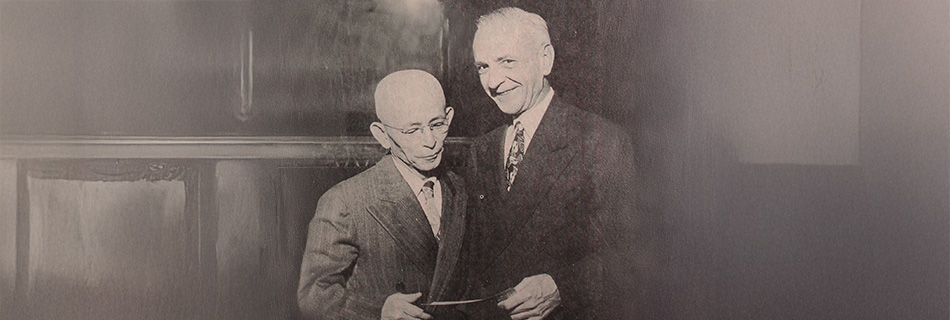
They were welcome to file a claim. Compensation was another matter. Although the Evacuation Claims Act offered reimbursement for wartime property losses, many Japanese Americans recovered only a small fraction of what they had lost.
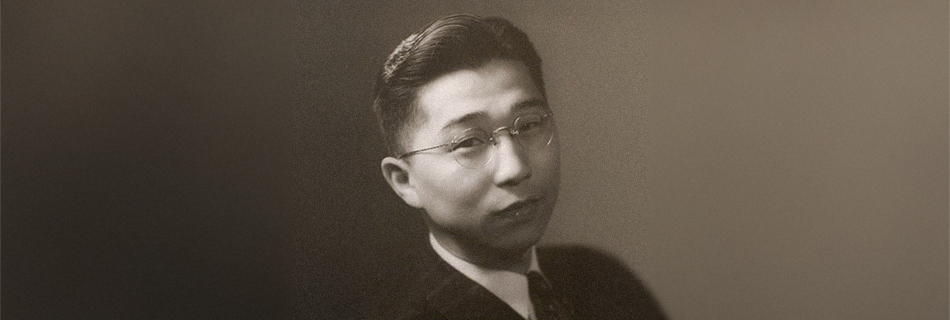
Gordon Hirabayashi refused curfew and removal orders and turned himself in to force a legal challenge in 1942. When the government wouldn’t take him to prison, he hitchhiked. He believed the Constitution would prove him right.