
Joseph Heco
Joseph Heco, born Hikozō Hamada, became the first naturalized Japanese American citizen in 1858, met Lincoln in 1862, and founded Japan’s first newspaper in 1864.
Joseph Heco, born Hikozō Hamada, became the first naturalized Japanese American citizen in 1858, met Lincoln in 1862, and founded Japan’s first newspaper in 1864.

Many people opposed Japanese American redress, including Japanese Americans. The story of John Tateishi and the decade-long fight for the Civil Liberties Act of 1988.
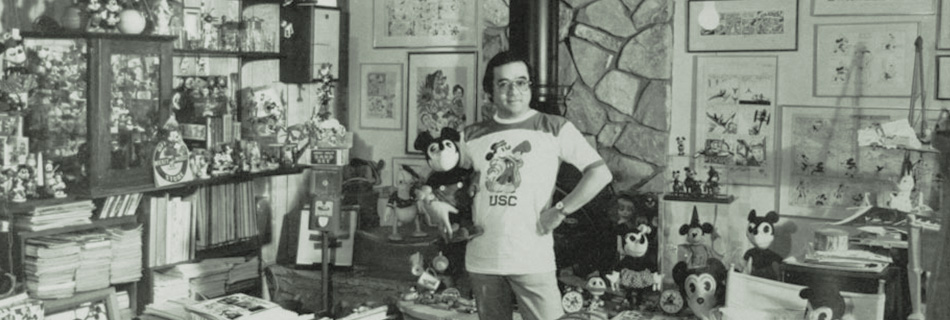
Inside an incarceration camp, a Sears catalog was Willie Ito’s sketchbook. Those childhood drawings at Topaz eventually led to Disney, Warner Bros., Hanna-Barbera, and decades later, helped him tell the story of incarceration to a new generation through Hello, Maggie!
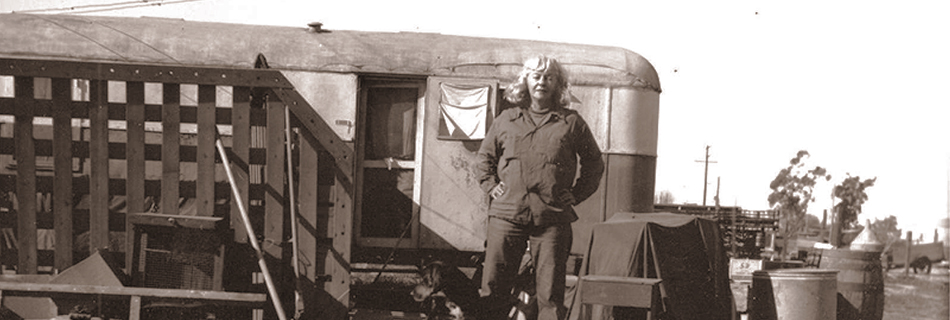
Artist Estelle Ishigo voluntarily entered a Japanese American concentration camp during World War II, where she found acceptance and created some of the most important visual records of incarceration.
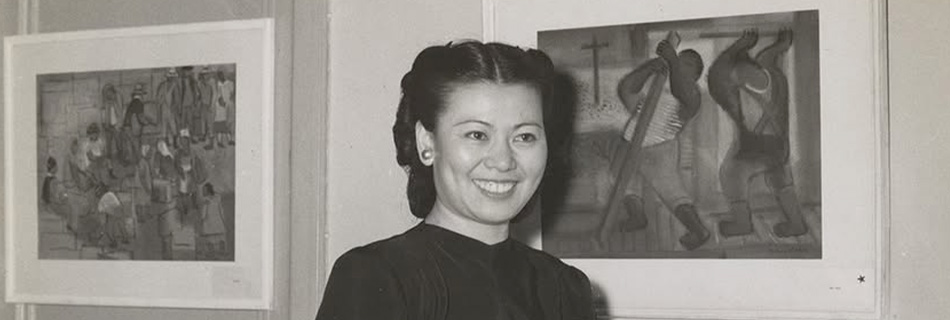
Artist Miné Ōkubo created more than 2,000 sketches while incarcerated during World War II. Her memoir, Citizen 13660, became one of the most important firsthand accounts of the Japanese American incarceration.

Before the final frontier, there was barbed wire. George Takei’s story traces a path from incarceration camps to Star Trek and a lifetime of advocacy.

In 1978, when redress seemed stalled and political leaders dismissed reparations as “guilt mongering,” playwright Frank Chin helped rewrite the script. He helped launch the first Day of Remembrance, urging a community to publicly relive incarceration, reigniting a movement that would eventually lead to the Civil Liberties Act of 1988.

Born in 1915, Mary Tsukamoto overcame poverty, arthritis, and unjust incarceration to become a pioneering educator and civil rights leader whose legacy still shapes California classrooms today.
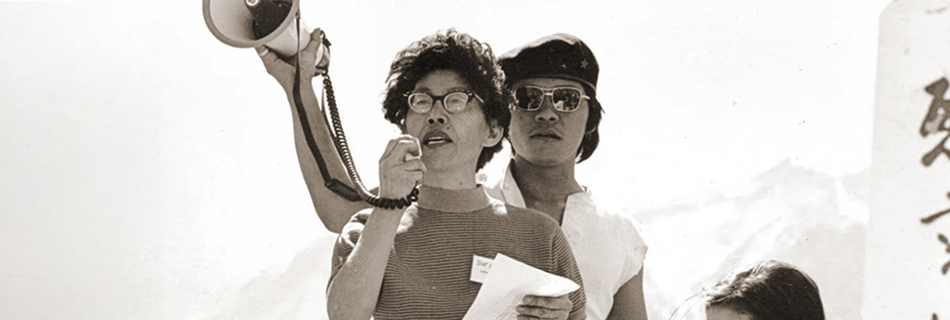
Sue Kunitomi Embrey was known in Manzanar as prisoner 2614F. She spent the rest of her life making sure that number, and what it represented, would never be forgotten, becoming the driving force behind preserving Manzanar and its history.