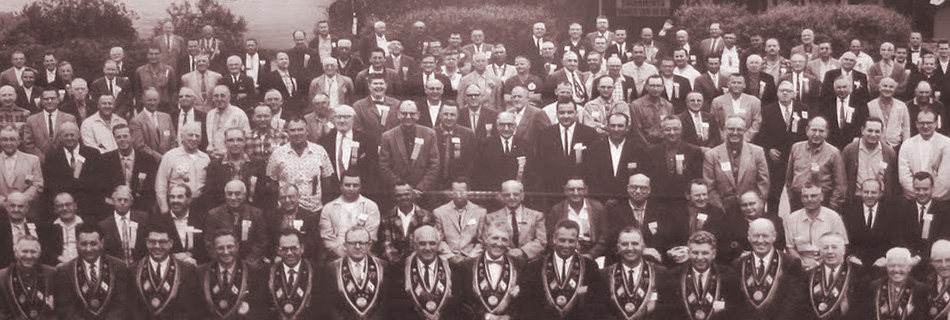
Native Sons of the Golden West
California’s anti-Japanese hostility did not begin with Pearl Harbor. The Native Sons of the Golden West helped turn decades of prejudice into policy.

Gentlemen’s Agreement of 1907
In 1907, amid rising racial tensions in California, the United States quietly pressured Japan to stop sending laborers. The “Gentlemen’s Agreement” avoided formal legislation, but it set a precedent: immigration would be limited not by equality, but by race.

Dalip Singh Saund
Dalip Singh Saund was a California farmer by necessity, not choice. In 1957, he became the first Asian American, first Indian American, and only Sikh elected to the U.S. Congress, after decades of exclusion from citizenship and opportunity.

Peter Hardeman Burnett
California’s first governor opposed slavery not out of moral conviction, but because he wanted Black people excluded entirely. Peter Hardeman Burnett helped shape a state built on racial removal, Indigenous genocide, and immigrant exclusion.

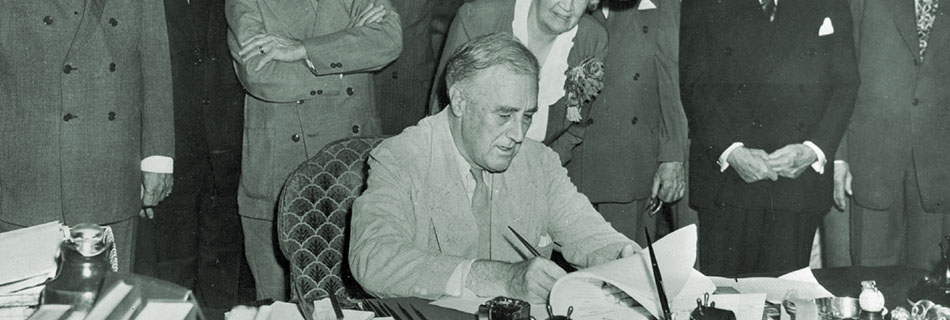
Western Defense Command
The Western Defense Command wasn’t created to tear families apart. But after Pearl Harbor, its leaders turned fear into policy, fueling mass removal, silencing intelligence warnings, and reshaping American civil liberties in 1942.
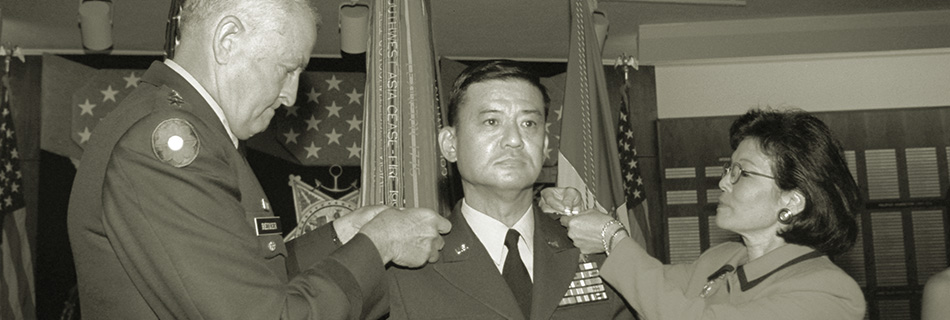
Eric Shinseki
Eric Shinseki grew up hearing stories of three uncles who fought with the all-Nisei 100th/442nd. He carried their legacy through Vietnam, a near-fatal injury, and into history as the first Asian American four-star general.
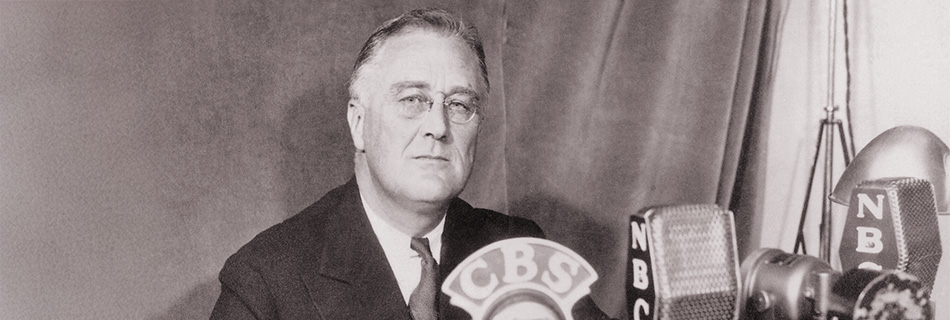
Concentration Camps
Were they “internment camps” or “concentration camps?” Let’s ask the man who signed the Executive Order.

Cherry Kinoshita
From Minidoka to the halls of Congress, Cherry Kinoshita turned quiet endurance into activism. Her leadership helped win redress for 120,000 Japanese Americans imprisoned during WWII.