Stanley Hayami
Incarcerated at sixteen and killed in combat at nineteen, Stanley Hayami left behind a diary that speaks with rare honesty from behind barbed wire and war.

Incarcerated at sixteen and killed in combat at nineteen, Stanley Hayami left behind a diary that speaks with rare honesty from behind barbed wire and war.

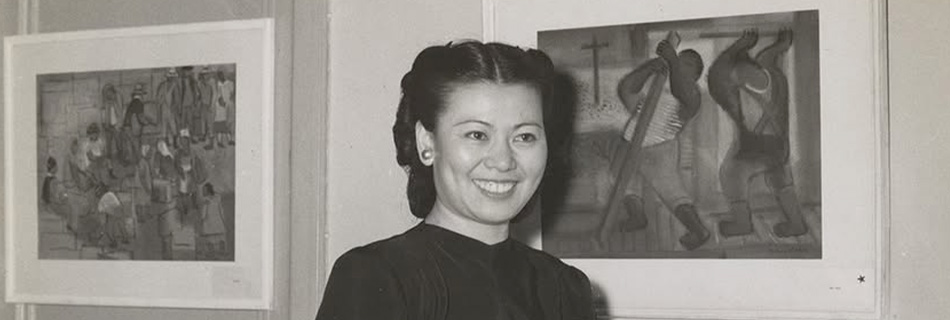
Passionate to teach art, Chiura Obata turned an incarceration camp into an art school.

When cameras were banned in the camps, Toyo Miyatake built one himself. His secret photos of Manzanar became powerful evidence of Japanese American incarceration and resilience.

Behind barbed wire, baseball gave Japanese Americans strength, pride, and unity. The Manzanar Baseball Project honors the game that helped them endure injustice and rebuild community.

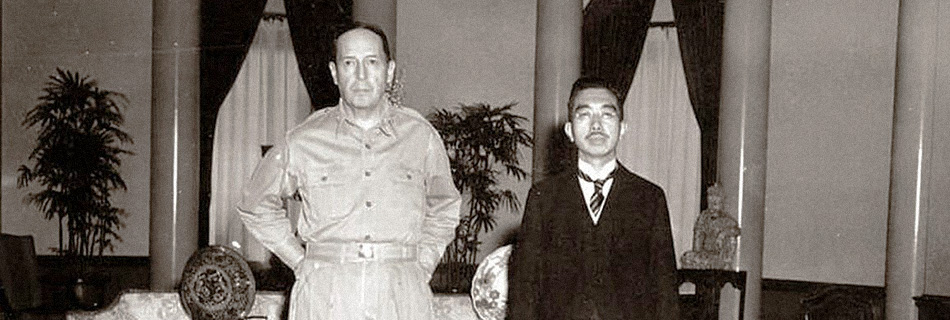
In September 1945, General Douglas MacArthur met Emperor Hirohito in a moment that would define Japan’s future. The decision that followed was not driven by emotion alone, but by careful judgment, cultural understanding, and the belief that stability mattered more than vengeance.


Norman Mineta and Alan Simpson met as boys during World War II, one inside, the other outside the incarceration camp. Their lifelong friendship inspired the Mineta-Simpson Institute, which promotes civics education and the lessons of tolerance born from that history.

Long before Hollywood celebrated diversity, Sessue Hayakawa became one of its first international stars. A silent film icon and Oscar nominee, he broke barriers while navigating a system that never fully accepted him.

The Wakamatsu Tea and Silk Colony, founded in 1869, became the first Japanese settlement in America and home to the first U.S.-born Japanese American.
Type below to explore past stories and posts from our archives
This site uses cookies to enhance your experience. By using this site, you accept our use of cookies.