
Joseph Heco
Joseph Heco, born Hikozō Hamada, became the first naturalized Japanese American citizen in 1858, met Lincoln in 1862, and founded Japan’s first newspaper in 1864.
Joseph Heco, born Hikozō Hamada, became the first naturalized Japanese American citizen in 1858, met Lincoln in 1862, and founded Japan’s first newspaper in 1864.
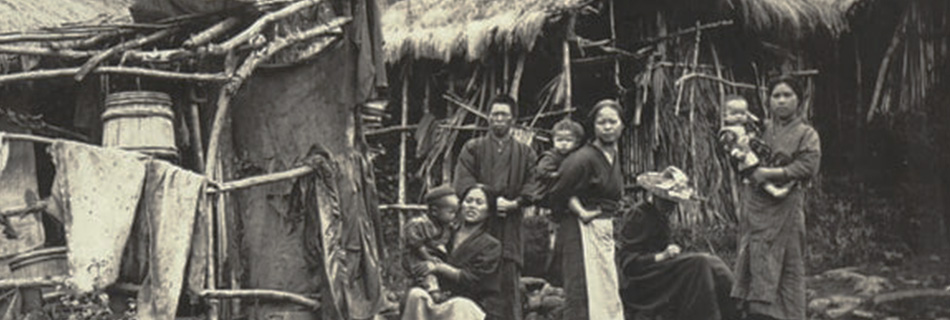
They were called the Gannenmono, the “people of the first year.” They came seeking a better life in Hawaiʻi. Instead, many encountered broken promises, brutal working conditions, and a labor system that punished workers for trying to leave.
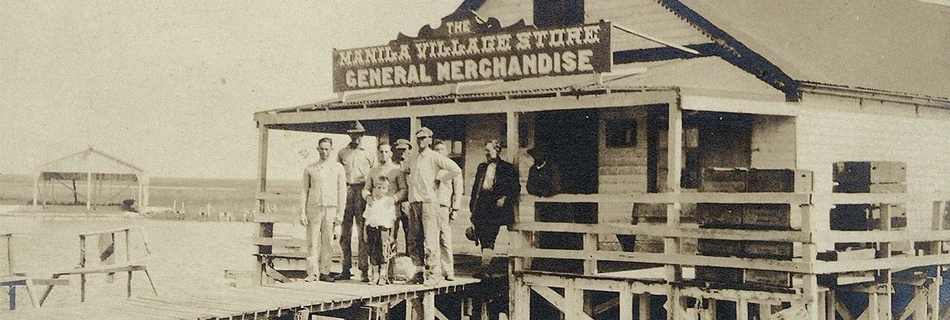

After failing English in Japan, George Shima emigrated to California and became the state’s first Japanese millionaire and “Potato King.”

In 1864, the Tokugawa shōgunate sent samurai to Europe to shut down foreign trade and restore Japan’s isolation. The mission failed. But for Ikeda Nagaoki, the journey revealed a world Japan could no longer ignore, and helped set the stage for a modern nation to emerge.

Kanaye Nagasawa was the first Japanese national to live permanently in the United States and became the first Wine King of California. His legacy tells a story of ambition, success, and an American dream that could not be passed on because of discriminatory laws.

Wataru “Wat” Misaka quietly broke the NBA’s color barrier in 1947. There were no headlines or recognition. The league’s first African American players would not enter the NBA for another three years.

Born to a samurai family, Yeiko Mizobe So became a pioneering protector of Japanese immigrant women in Hawaiʻi. She founded the Japanese Women’s Home in 1895 and later a children’s home, sheltering hundreds and redefining community advocacy in the early Japanese American experience.

Bruce Lee was born in San Francisco in 1940, the only American-born member of his family, and spent his life challenging the racial barriers that defined Hollywood and the world around him. He taught students of every background, refused stereotypical roles, married across racial lines, and showed that strength and dignity belong to all people — not any one race.