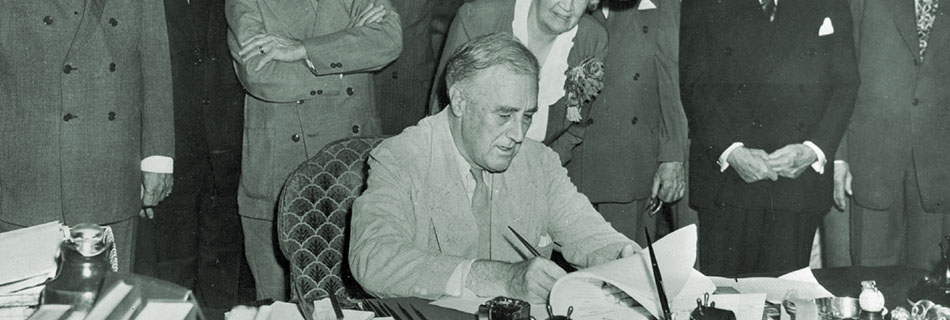
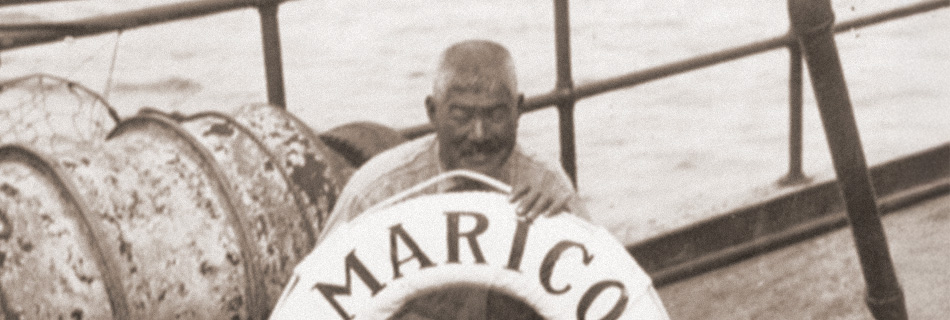
Takahashi v. California Fish and Game Commission
California blocked him from citizenship. Then it tried to take away his right to fish. When Torao Takahashi challenged the law, his case reached the U.S. Supreme Court and became a landmark victory for civil rights.
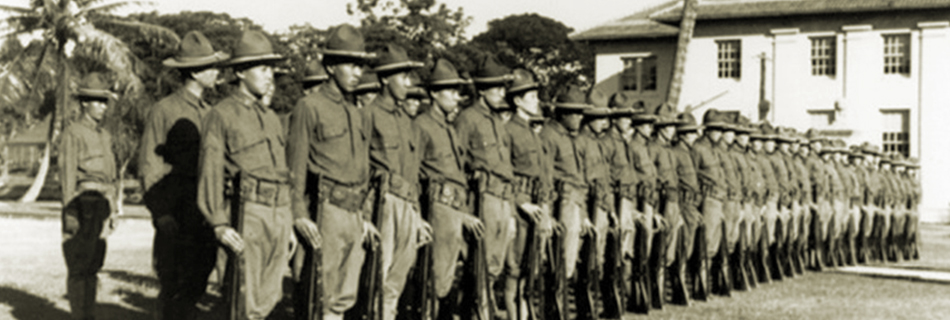
Selective Service Act of 1917
For Japanese immigrants and Japanese Americans, the Selective Service Act of 1917 exposed a contradiction that would continue for decades: America was willing to accept their military service long before it was willing to fully accept them as Americans.
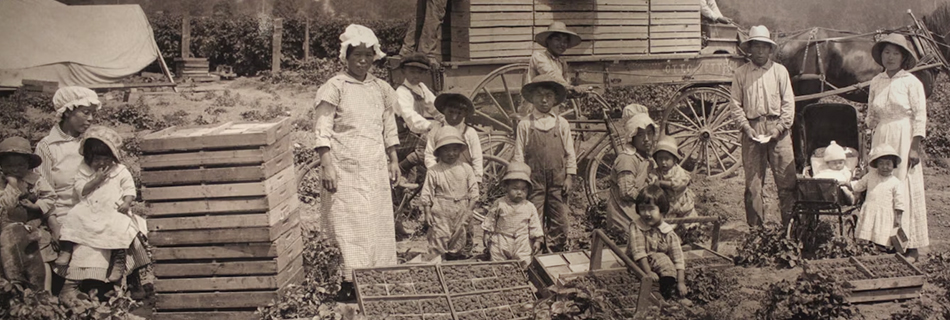
Alien Land Law
California’s 1913 Alien Land Law never mentioned Japanese immigrants, but it didn’t have to. By barring “aliens ineligible for citizenship” from owning land, it effectively targeted Japanese farmers across the state.

Gordon Hirabayashi
Gordon Hirabayashi refused curfew and removal orders and turned himself in to force a legal challenge in 1942. When the government wouldn’t take him to prison, he hitchhiked. He believed the Constitution would prove him right.

Fujii V. California
The California Supreme Court struck down the Alien Land Law in Fujii v. California (1952), nearly 40 years after the state first barred Japanese immigrants from owning land through laws rooted in race.

A.L. Wirin
Born in Russia to a Jewish family, A. L. Wirin became one of the fiercest legal defenders of Japanese American civil rights, helping challenge California’s alien land and discriminatory fishing laws in landmark Supreme Court cases.

Mitsuye Endo
After California fired Mitsuye Endo in 1942, she became the lead plaintiff in a case challenging the government’s incarceration of Japanese Americans. When officials later offered to release her if she dropped the fight, she refused. It kept her in camp for two extra years.

Gentlemen’s Agreement of 1907
In 1907, amid rising racial tensions in California, the United States quietly pressured Japan to stop sending laborers. The “Gentlemen’s Agreement” avoided formal legislation, but it set a precedent: immigration would be limited not by equality, but by race.