The Heart Mountain Eagles were an all-Japanese American football team that played and defeated outside Wyoming high schools while imprisoned in a World War II incarceration camp.
Read More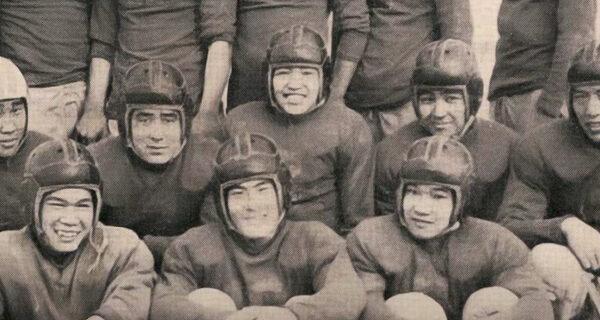
The Heart Mountain Eagles were an all-Japanese American football team that played and defeated outside Wyoming high schools while imprisoned in a World War II incarceration camp.
Read More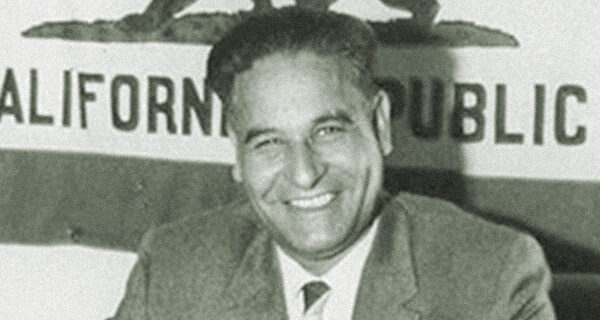
Dalip Singh Saund was a California farmer by necessity, not choice. In 1957, he became the first Asian American, first Indian American, and only Sikh elected to the U.S. Congress, after decades of exclusion from citizenship and opportunity.
Read More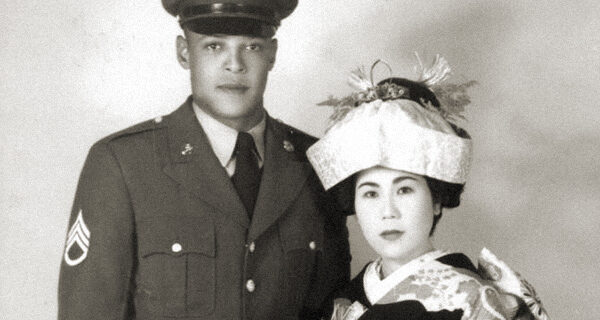
After WWII, Japanese war brides married American servicemen, but U.S. immigration laws barred them. Love crossed borders. Law did not.
Read More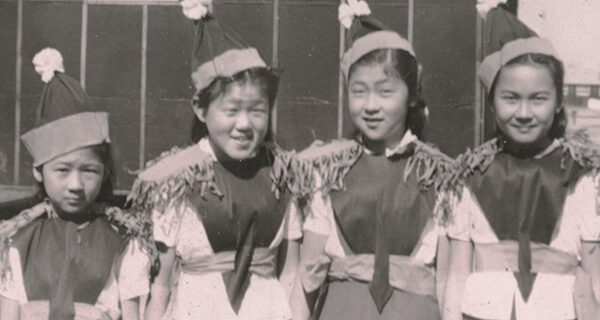
From 1942 to 1944, Japanese Americans incarcerated in camps across the U.S. celebrated the holidays with handmade decorations, mess-hall parties, and even Santa Claus. Despite harsh conditions, they preserved a sense of community and hope.
Read More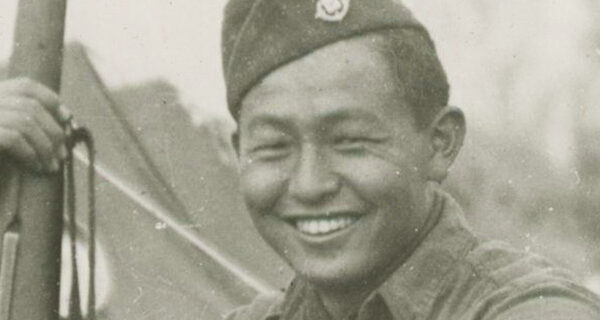
Incarcerated at sixteen and killed in combat at nineteen, Stanley Hayami left behind a diary that speaks with rare honesty from behind barbed wire and war.
Read More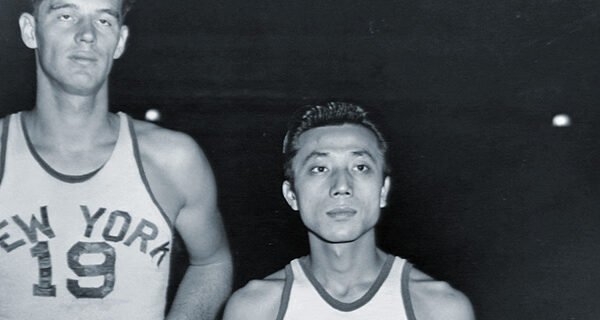
Wataru “Wat” Misaka quietly broke the NBA’s color barrier in 1947. There were no headlines or recognition. The league’s first African American players would not enter the NBA for another three years.
Read More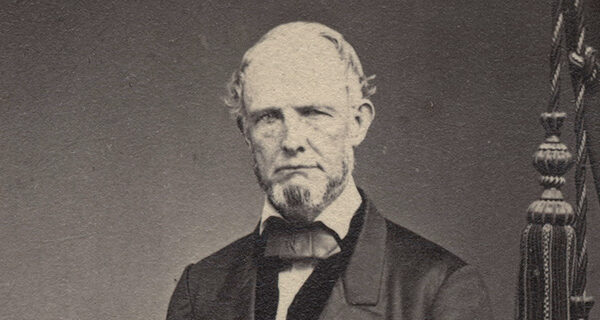
California’s first governor opposed slavery not out of moral conviction, but because he wanted Black people excluded entirely. Peter Hardeman Burnett helped shape a state built on racial removal, Indigenous genocide, and immigrant exclusion.
Read More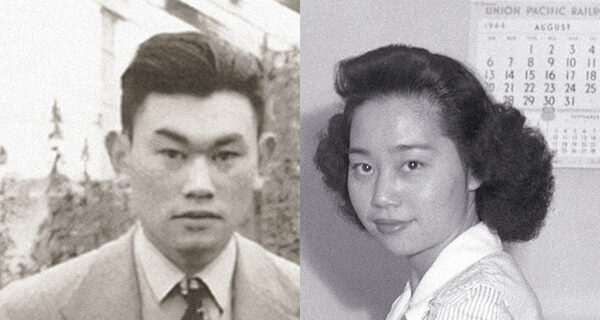
On December 18, 1944, the Supreme Court ruled that the government couldn’t detain loyal Japanese Americans. Hours later, it upheld a conviction for refusing to comply with that same system. It was a contradiction — the Endo-Korematsu Paradox.
Read More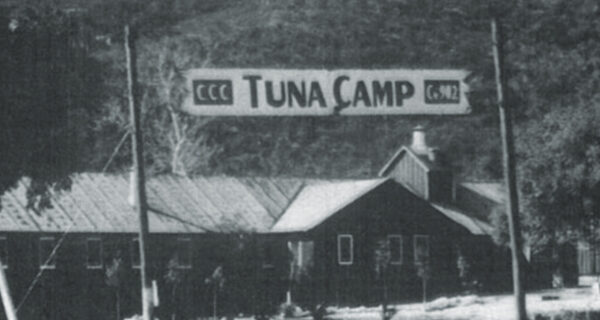
The Tuna Canyon Detention Station operated just six miles from Glendale from 1941 to 1943, imprisoning over 2,000 Japanese, German, and Italian immigrants, Japanese Peruvians, and others labeled “enemy aliens” during World War II.
Read More