Until him, a minority farmer was a minority farmer, even with a Ph.D. in math from UC Berkeley.
January 3, 1957: Dalip Singh Saund, a California farmer by necessity, was sworn in as a U.S. Representative, becoming the first Asian American, first Indian American, and the first and only Sikh to serve in Congress.
Dalip Singh Saund arrived in the United States in 1920 from India, pursuing education with extraordinary discipline. He earned a bachelor’s degree, a master’s degree, and eventually a Ph.D. in mathematics from UC Berkeley.
By any merit-based standard, Saund was qualified for academic, scientific, or professional work. But California — and the United States — did not operate on merit alone.
At the time, Asian immigrants were barred from U.S. citizenship. Without citizenship, Saund could not vote, could not hold many jobs, and could not legally own land in his own name. Professional doors were closed before he ever knocked.
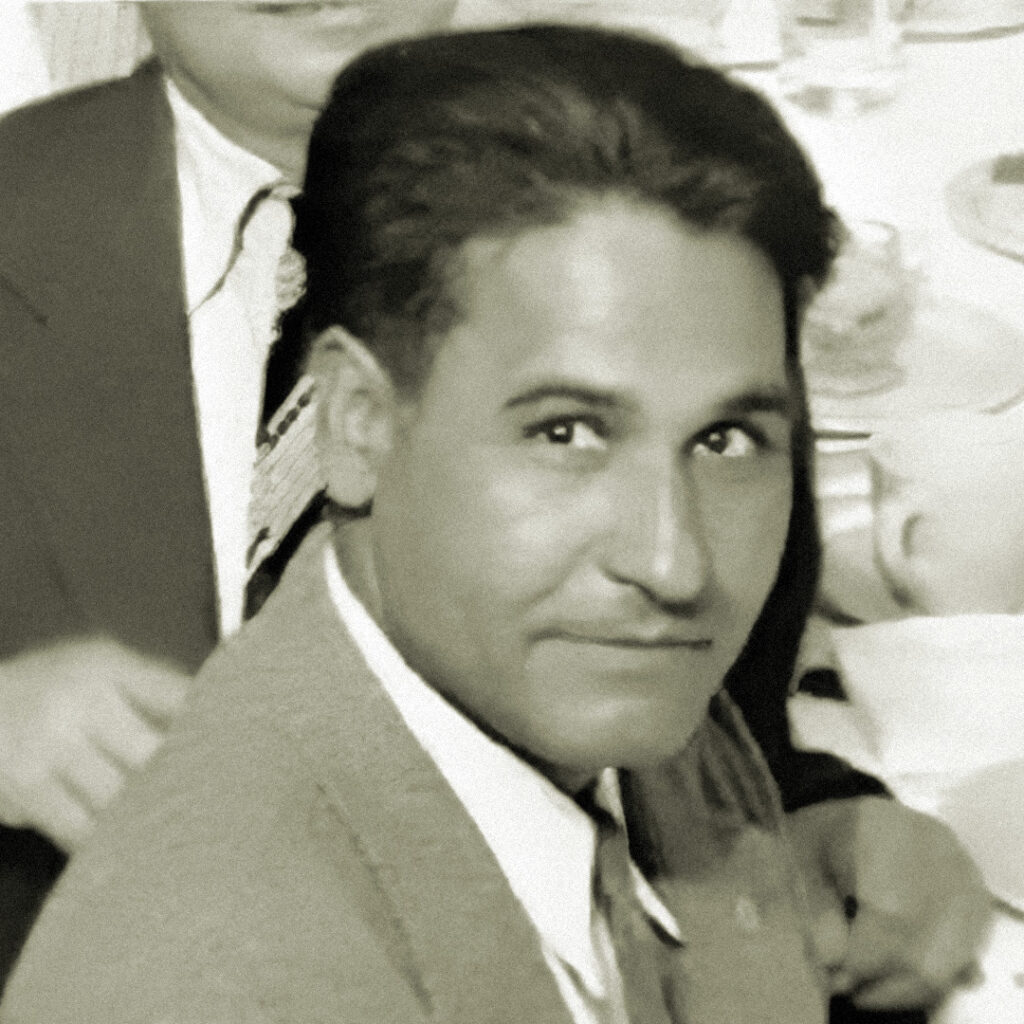
Young Dalip Singh Saund. Educated, accomplished, and legally barred from citizenship in the country where he earned his degrees.
Dalip Singh Saund first ran for justice of the peace in Westmoreland. After some legal hurdles, he won and served as a Justice of the Peace from 1952.
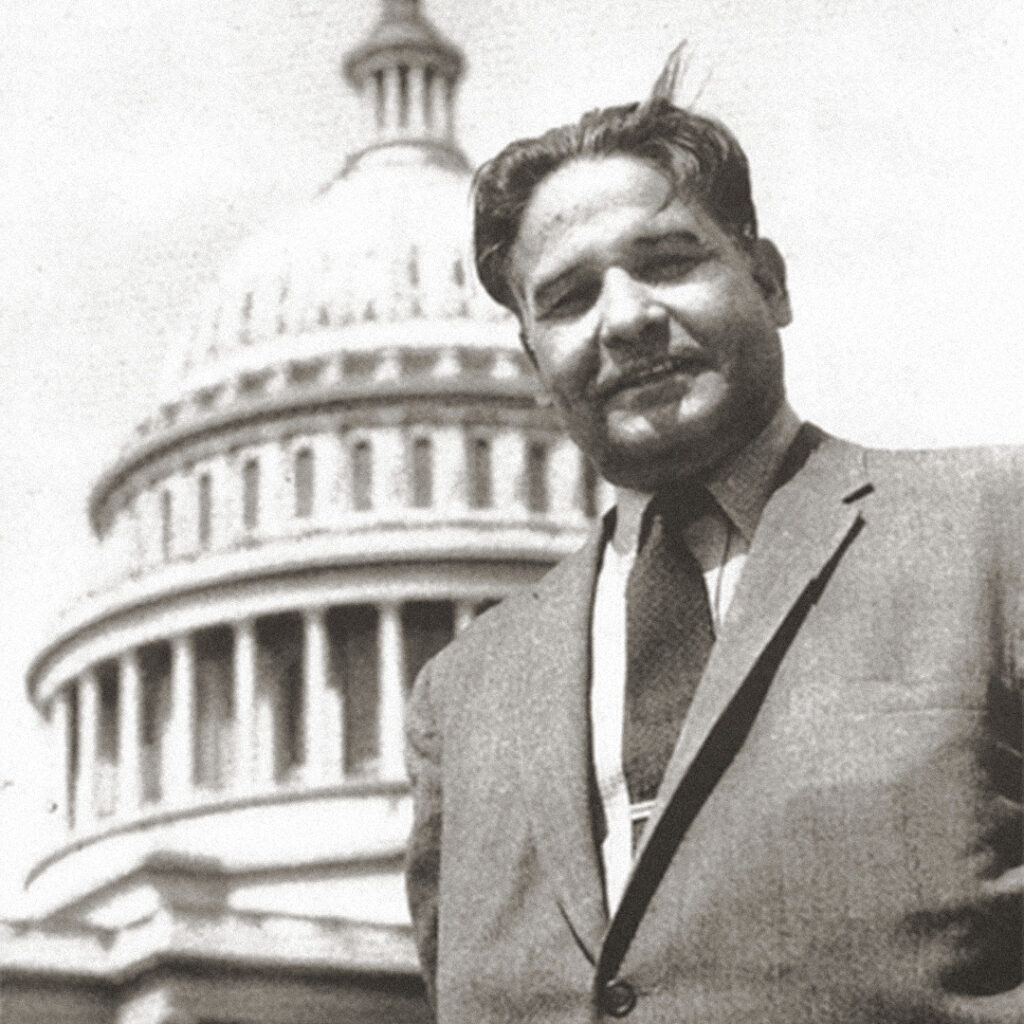
In 1957, Saund was sworn in as a U.S. Representative, becoming the first Asian American, first Indian American, and first Sikh to serve in Congress.
The Long Road to Citizenship
Later, Saund reflected plainly on his reality: “I was aware of the considerable prejudice against the people of Asia in California and knew that few opportunities existed for me or people of my nationality in the state at that time. I was not a citizen and could not become one. The only way Indians in California could make a living at that time was to join with others who had settled in various parts of the state as farmers.”
Saund’s life changed in 1946, when Congress passed the Luce–Celler Act, allowing Indian immigrants to naturalize, though in extremely limited numbers. For the first time in over two decades, Saund could become an American citizen.
He finally did in 1949. Almost immediately, he entered public life. In 1952, he was elected Justice of the Peace in Westmoreland, California, becoming one of the first Indian Americans to hold judicial office in the United States. Four years later, in 1956, he ran for Congress. He won.
A Farmer in Congress
When Dalip Singh Saund took the oath of office in 1957, he did not represent a sudden shift in American values. He represented the pressure of time, persistence, and contradiction finally giving way.
He served three terms in Congress, advocating for immigration reform, civil rights, agricultural workers, and fair treatment of marginalized communities.
He voted in favor of both the Civil Rights Act of 1957 and the Civil Rights Act of 1960, understanding firsthand that opportunity in America had never been evenly distributed, and that intelligence and effort alone were never enough.
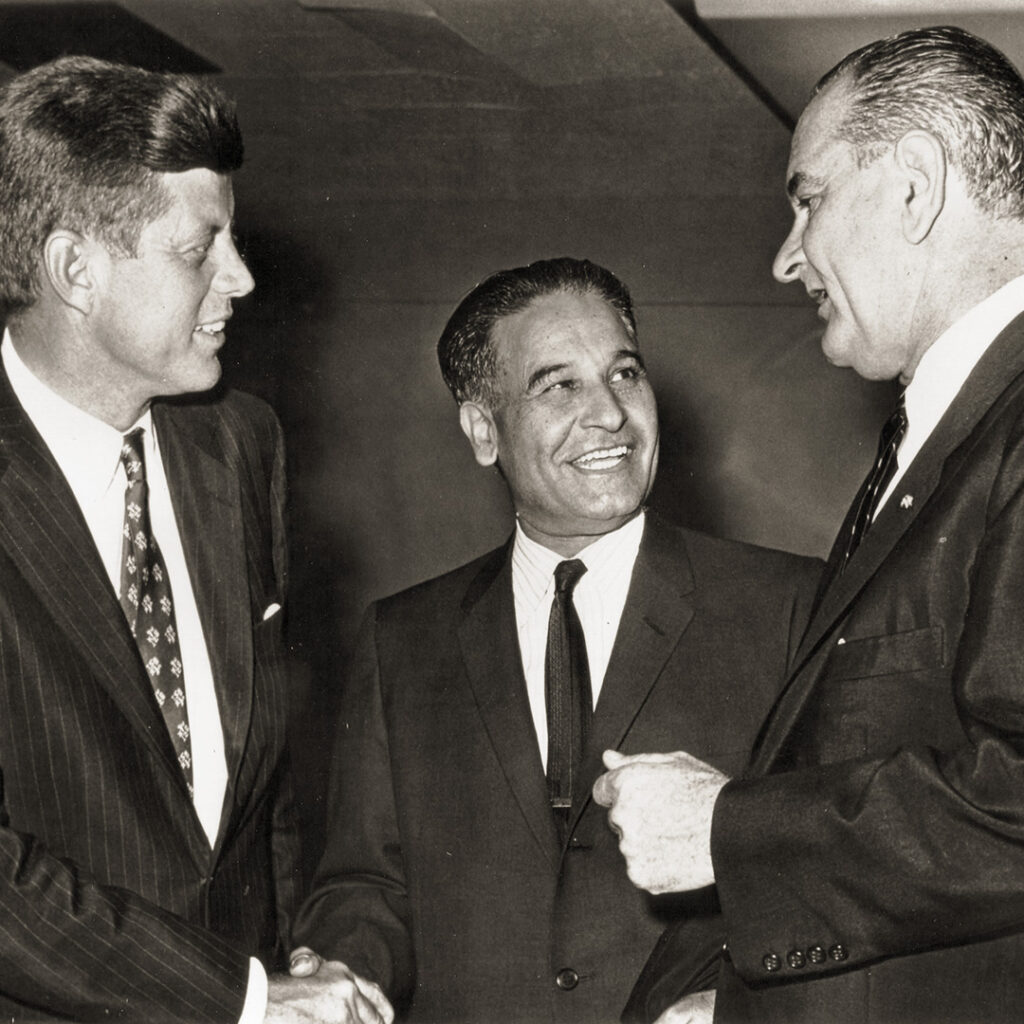
Once barred from U.S. citizenship by law, Saund went on to serve in Congress alongside the nation’s most powerful leaders.
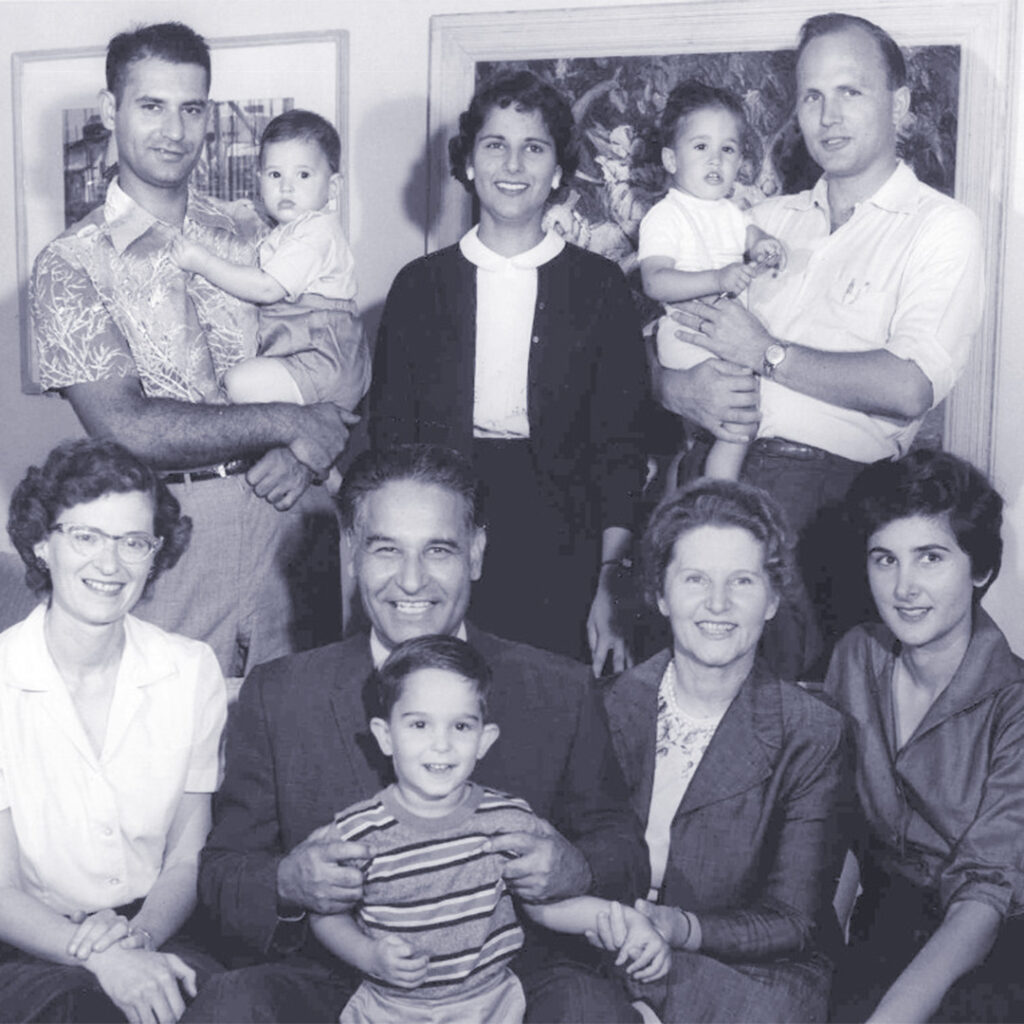
Dalip Singh Saund with his family in Hollywood. At home, he was a husband and father in a country that had once refused to call him American.
Saund’s Legacy
Dalip Singh Saund is often remembered as a first. But being a first is rarely easy.
He was excluded long before he was allowed to participate. Even with a doctorate. Even with decades of contribution.
Until him, a minority farmer was still just a minority farmer. After him, the country had no excuse to pretend otherwise.
In the end, Saund did what America had refused to do for him: he changed the rules, and made space for others to follow.