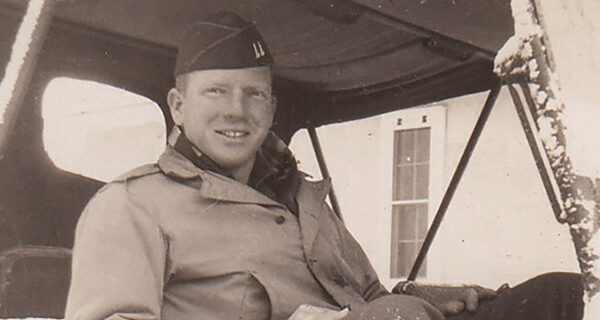
Major Jack Johnson, beloved white officer of the 100th Battalion, was killed at Monte Cassino on January 25, 1944. He had red hair and freckles, but to the Hawaiian Nisei soldiers, he wasn’t just a respected leader who led by example — he was one of them.
Read MoreUncategorized
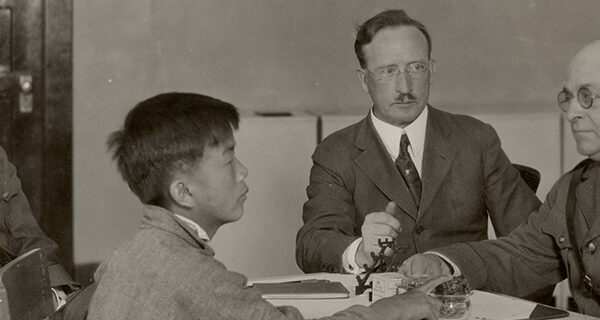
Angel Island Immigration Station
Angel Island Immigration Station opened in 1910 to enforce anti-Asian immigration laws. Asian immigrants were detained, interrogated, and excluded by design, turning immigration enforcement into incarceration decades before WWII.
Read MoreŌyama v. California
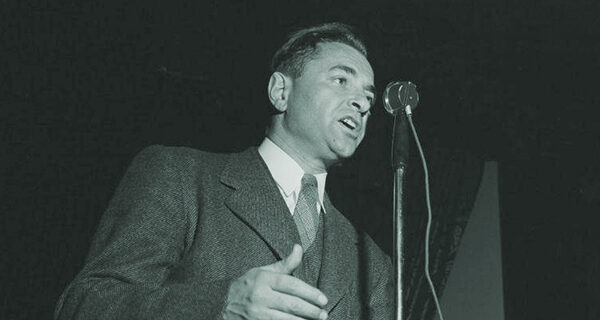
On January 19, 1948, the Supreme Court ruled in Ōyama v. California, dealing a major blow to California’s Alien Land Laws. Civil rights attorney A. L. (Abraham Lincoln) Wirin helped make that possible.
Read MoreMary Tsukamoto
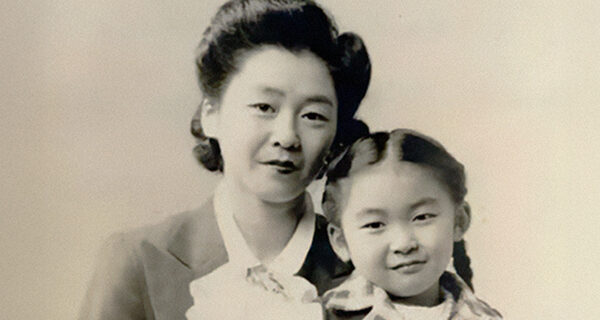
Born in 1915, Mary Tsukamoto overcame poverty, arthritis, and unjust incarceration to become a pioneering educator and civil rights leader whose legacy still shapes California classrooms today.
Read MoreJapanese Canadian Incarceration
January 14, 1942 marked the beginning of a seven-year exile for Japanese Canadians. More than 27,000 people were removed, incarcerated, and barred from returning home until 1949.
Read MoreMoab Isolation Center
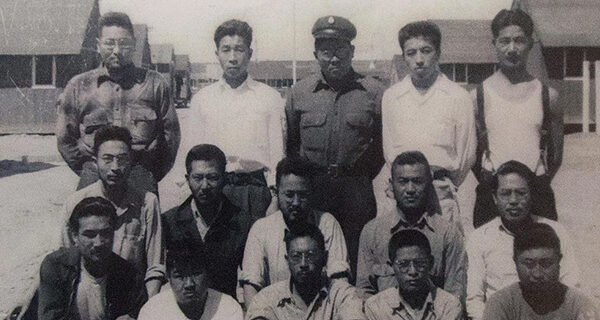
In January 1943, the U.S. government opened the Moab Isolation Center in Utah to imprison Japanese American men labeled “troublemakers.” They were already incarcerated. Moab existed to punish those who refused to stay silent.
Read MoreMamie Tape
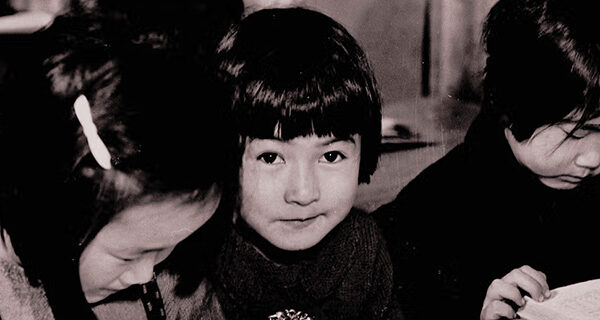
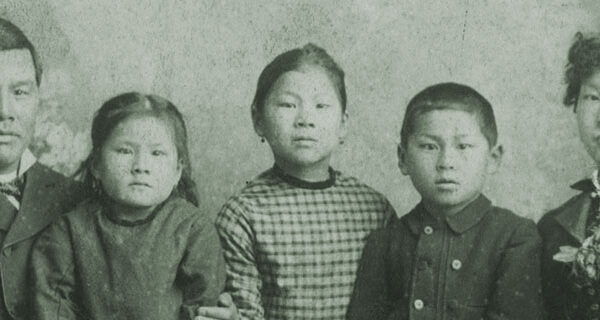
On January 9, 1885, the California Supreme Court ruled that denying Mamie Tape admission to public school because she was Chinese violated the Fourteenth Amendment. The law was clear. California’s response was not.
Read MoreKakurō Shigenaga
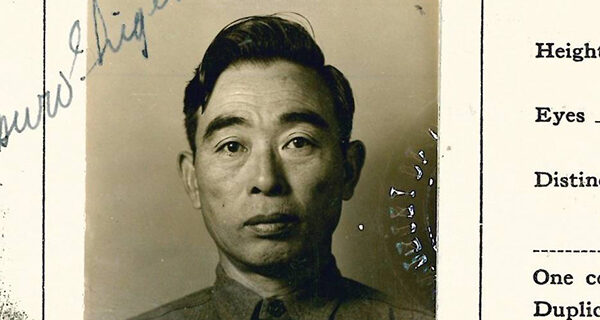
On January 7, 1942, authorities arrested Kakurō Shigenaga by mistake. They were looking for his brother. When they realized the error, they arrested the brother too — and kept them both.
Read MoreSue Kunitomi Embrey
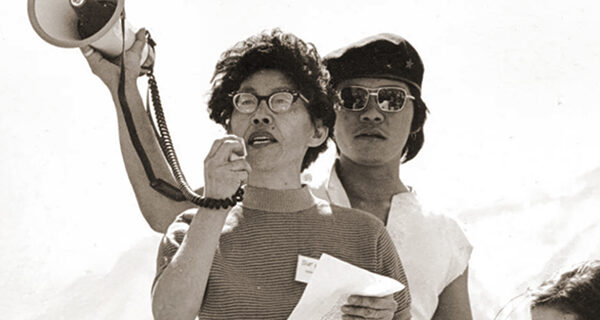
Sue Kunitomi Embrey was known in Manzanar as prisoner 2614F. She spent the rest of her life making sure that number, and what it represented, would never be forgotten, becoming the driving force behind preserving Manzanar and its history.
Read More