California’s first governor opposed slavery because he despised Black people.
December 20, 1849: Peter Hardeman Burnett, a historically renowned racist, became the first governor of California.
Burnett was raised in a slave-owning family in Missouri and received little formal education. He taught himself law and politics as he moved west, carrying a worldview deeply rooted in racial hierarchy and exclusion.
In Oregon, Burnett pushed for the complete removal of Black people from the territory. He authored what became known as “Burnett’s Lash Law,” which authorized the flogging of free Black residents who refused to leave.
Though never enforced, the law revealed his governing philosophy: race could be regulated by force.
Voters repealed it in 1845. Burnett moved on.
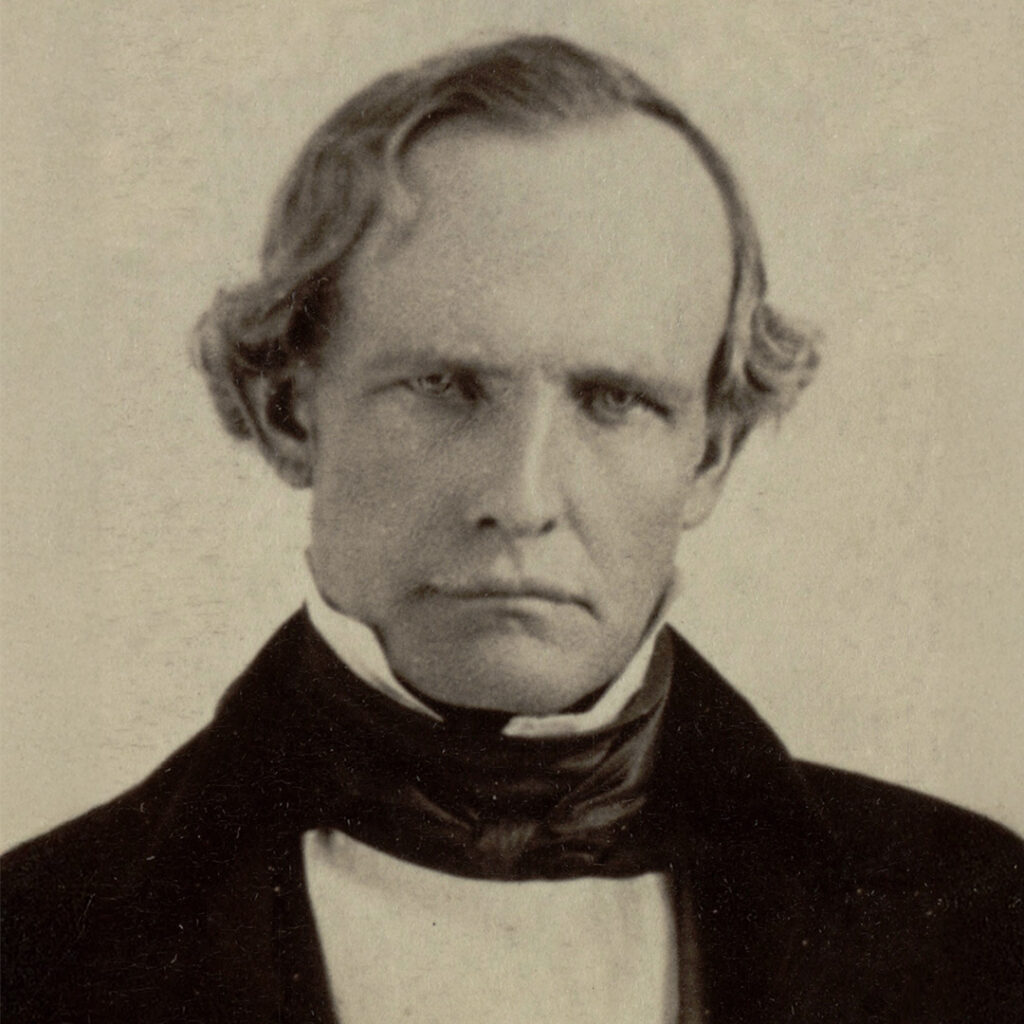
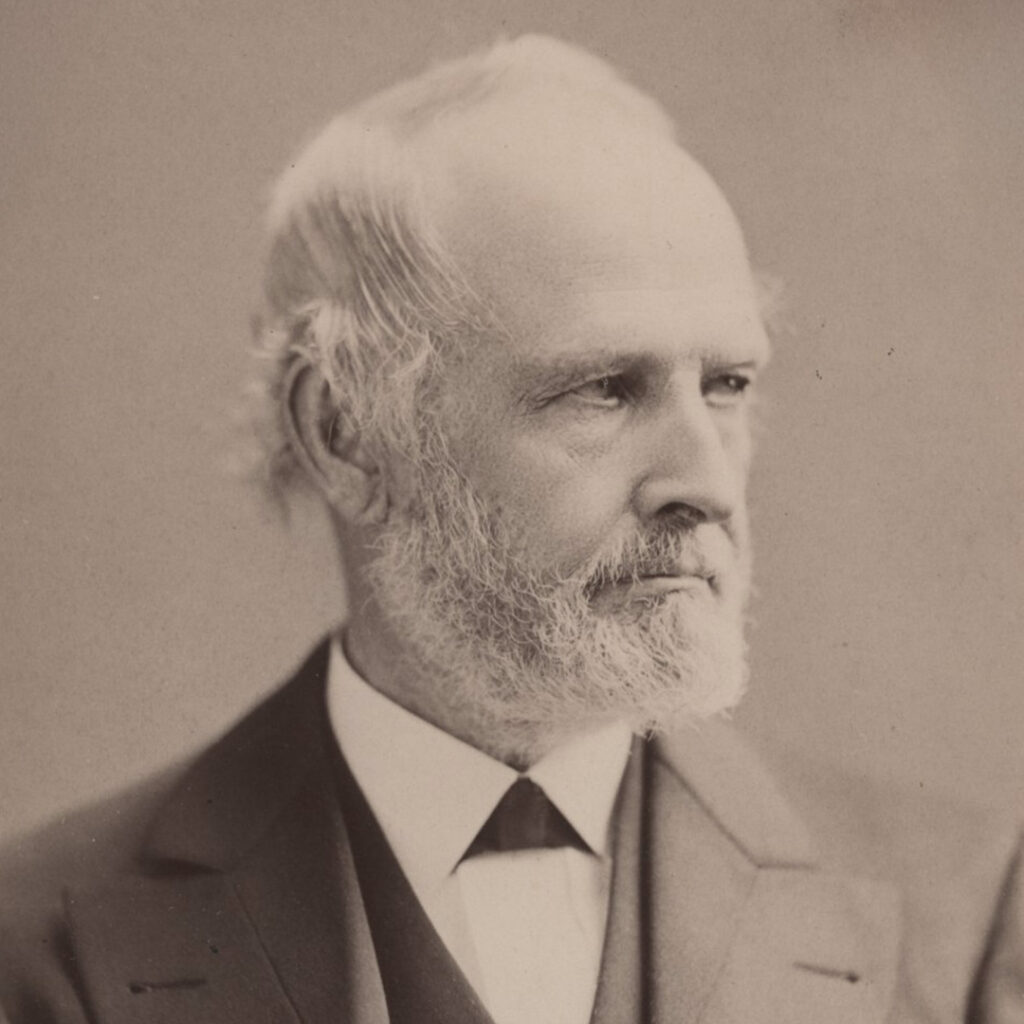
Peter Hardeman Burnett, c. 1860. A leading figure in Oregon’s early exclusionist politics, later California’s first governor.
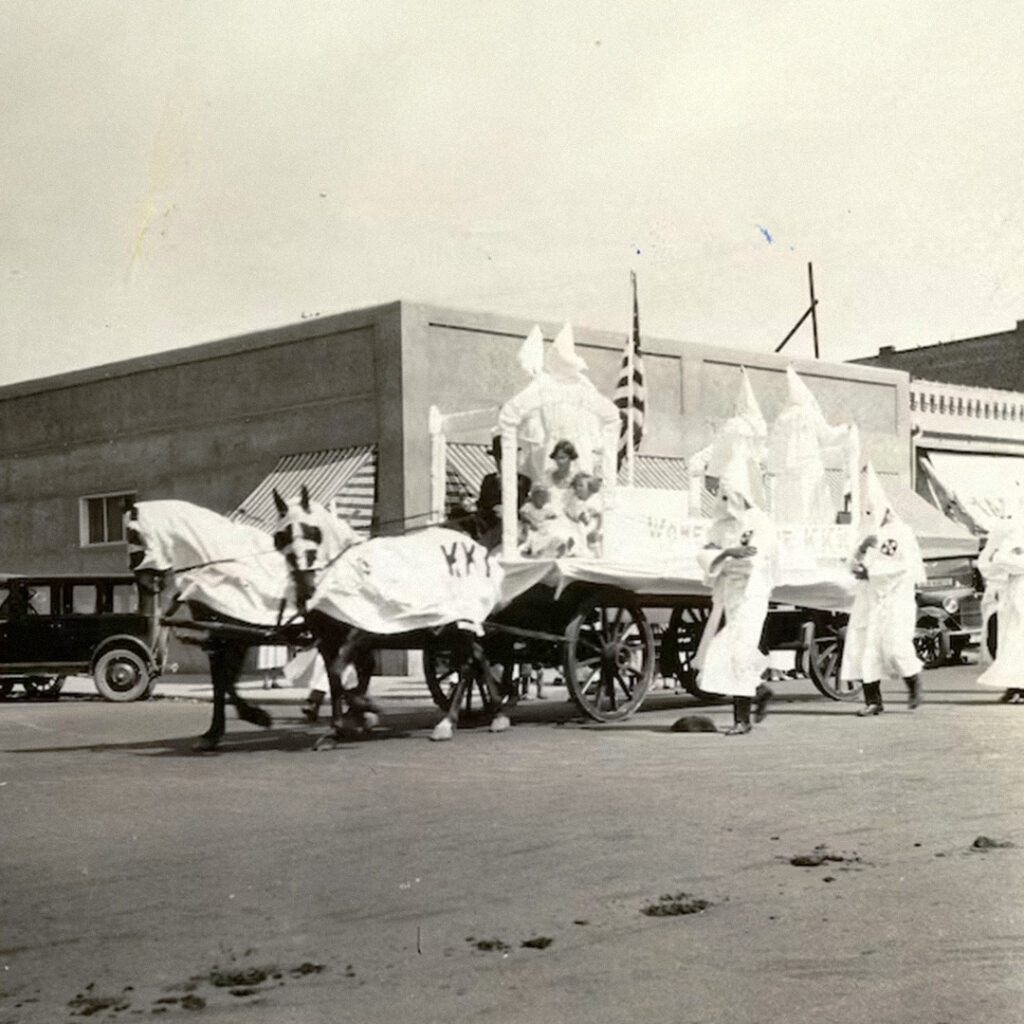
Ku Klux Klan members parade openly through town streets. Just a century ago, white supremacy was not hidden in Oregon — it was public, organized, and normalized.
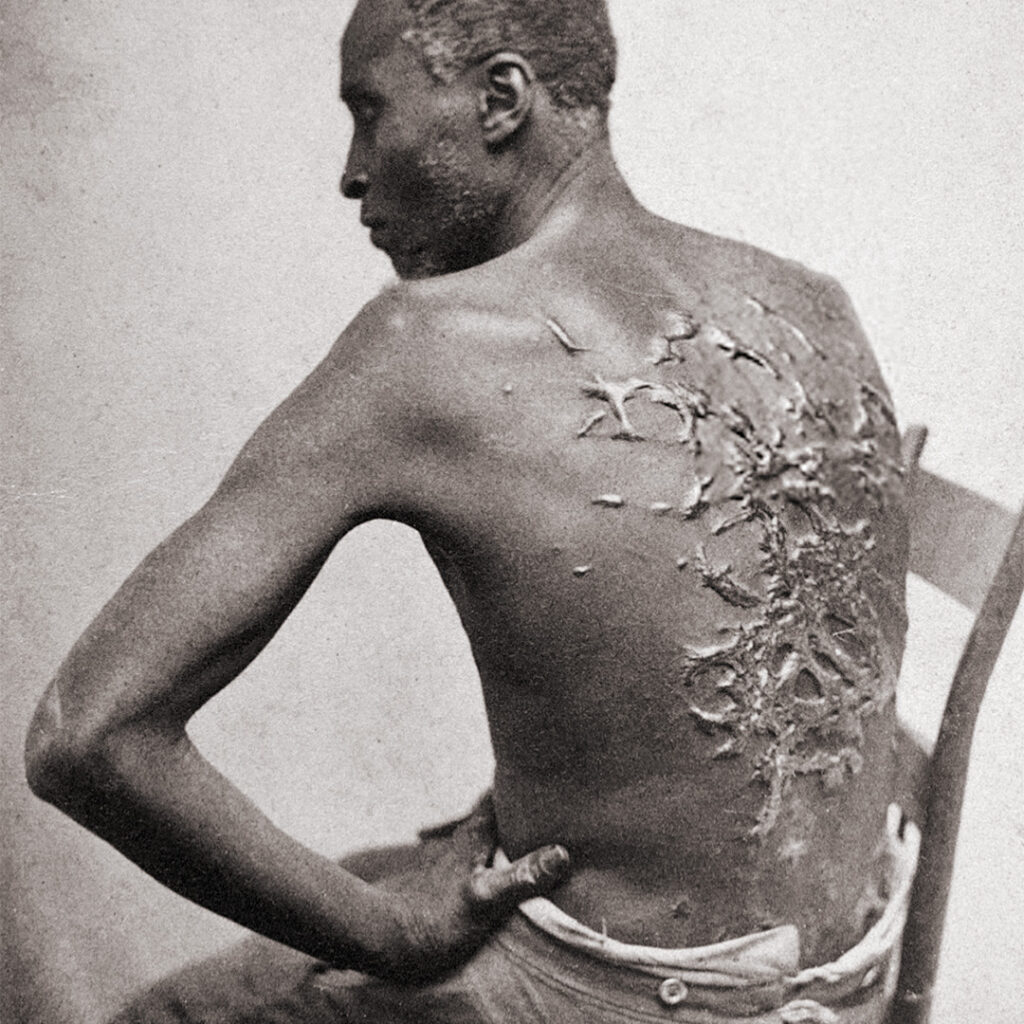
Scars from flogging on an enslaved man, Louisiana, 1863. Whipping was a routine instrument of violence under slavery, used to discipline, intimidate, and dehumanize.
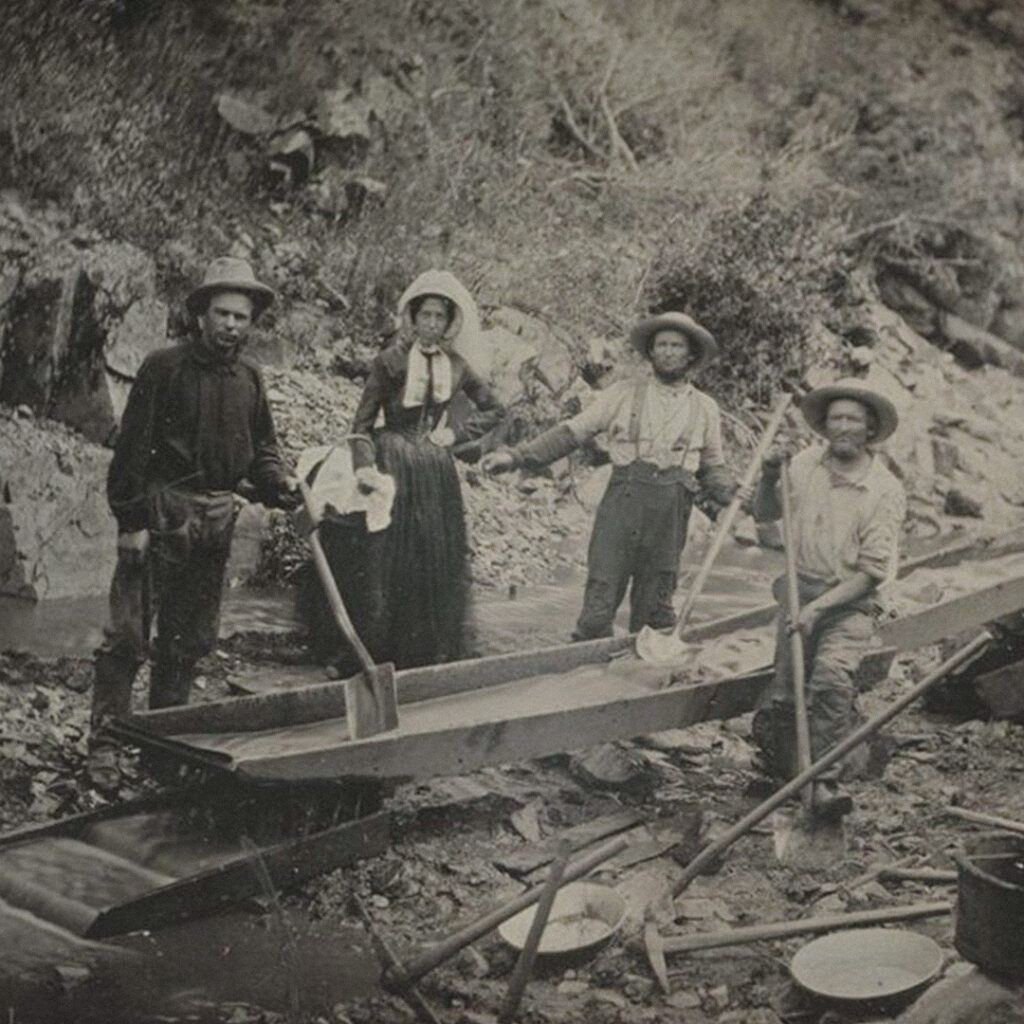
The Gold Rush brought opportunity for some and dispossession for many. It also hardened racial hierarchies that leaders like Peter Burnett would later codify into policy.
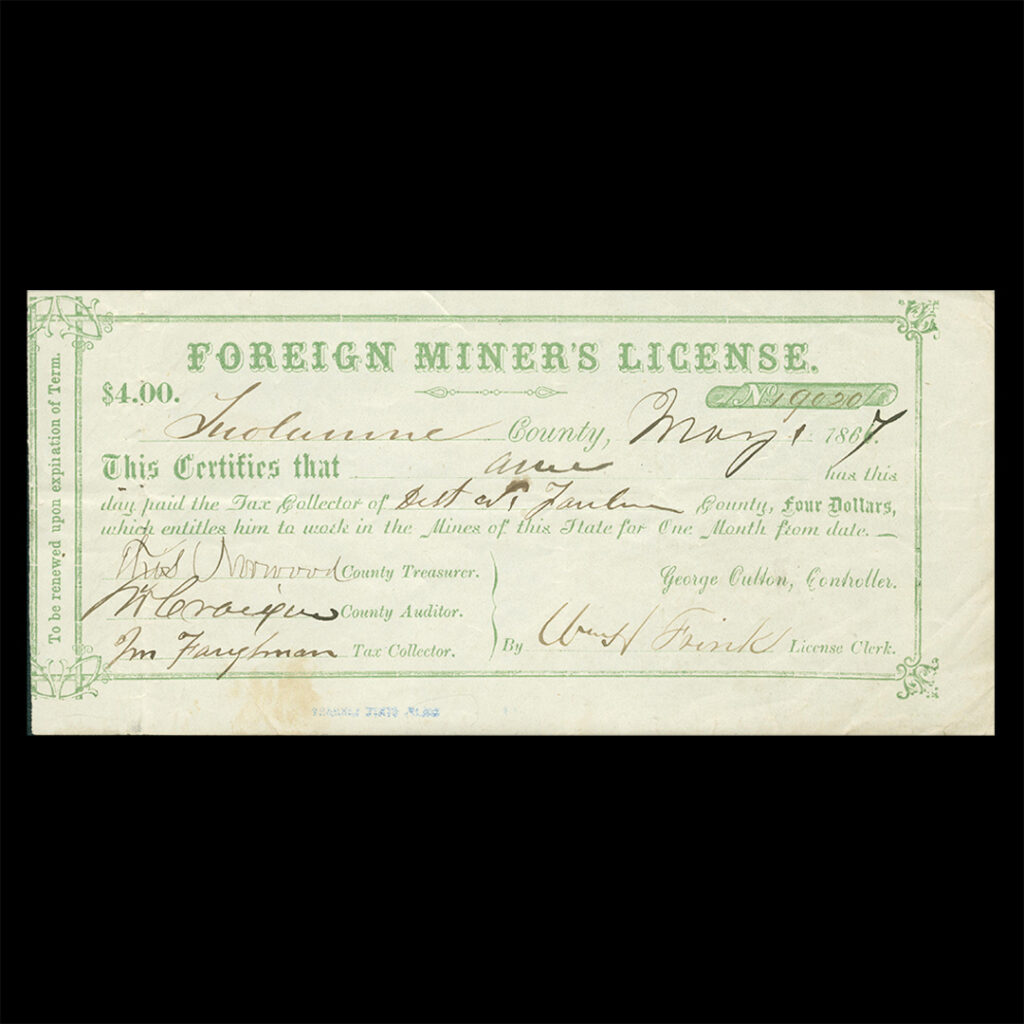
“Foreign Miners’ Tax” wasn’t about revenue. It was a legal tool to push non-white miners, especially Chinese and Latin American, out of the gold fields.
Importing Racism into California
Burnett arrived in California during the Gold Rush and quickly reestablished himself politically. He served on the California Supreme Court and, in one of his most notorious decisions, ordered the extradition of Archy Lee, a formerly enslaved man living in Sacramento, back to Mississippi.
Burnett opposed making California a slave state not out of moral objection, but because he favored the total exclusion of African Americans instead. He dreamed of a completely white Golden State.
As governor, he signed the Foreign Miners Tax Act of 1850, imposing a crushing monthly tax on non-American miners — a law aimed primarily at Chinese, Mexican, and other Latin American laborers during the California Gold Rush.
He also supported expanded capital punishment and heavy taxation as tools of social control.
Genocide as State Policy
One of Burnett’s most lasting legacy was his role in the genocide of Native Californians.
As governor, he signed the Act for the Government and Protection of Indians, which wasn’t what it sounded like. It legalized the forced labor and enslavement of Native people.
In an 1851 address, Burnett stated plainly: “A war of extermination will continue to be waged between the races until the Indian race becomes extinct… the inevitable destiny of the race is beyond the power and wisdom of man to avert.”
This was not rhetoric. It was policy, and it lasted for decades.
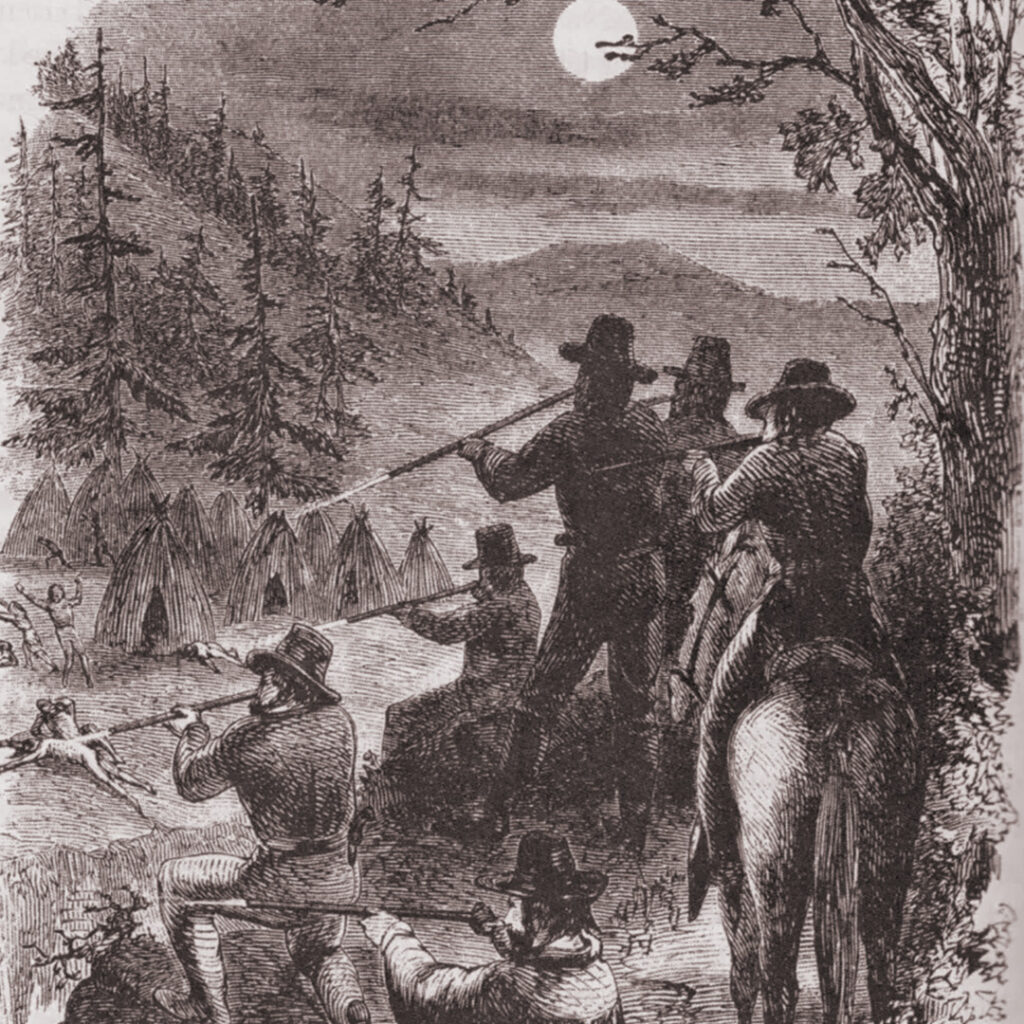
California governments offered bounties for Native deaths, resisted federal efforts to preserve Native land, and enabled decades of violence that reduced Indigenous populations catastrophically.
Illustration from Harper’s New Monthly Magazine, 1861. Scenes like this recast raids on Native villages as protection, normalizing mass violence against Indigenous people.
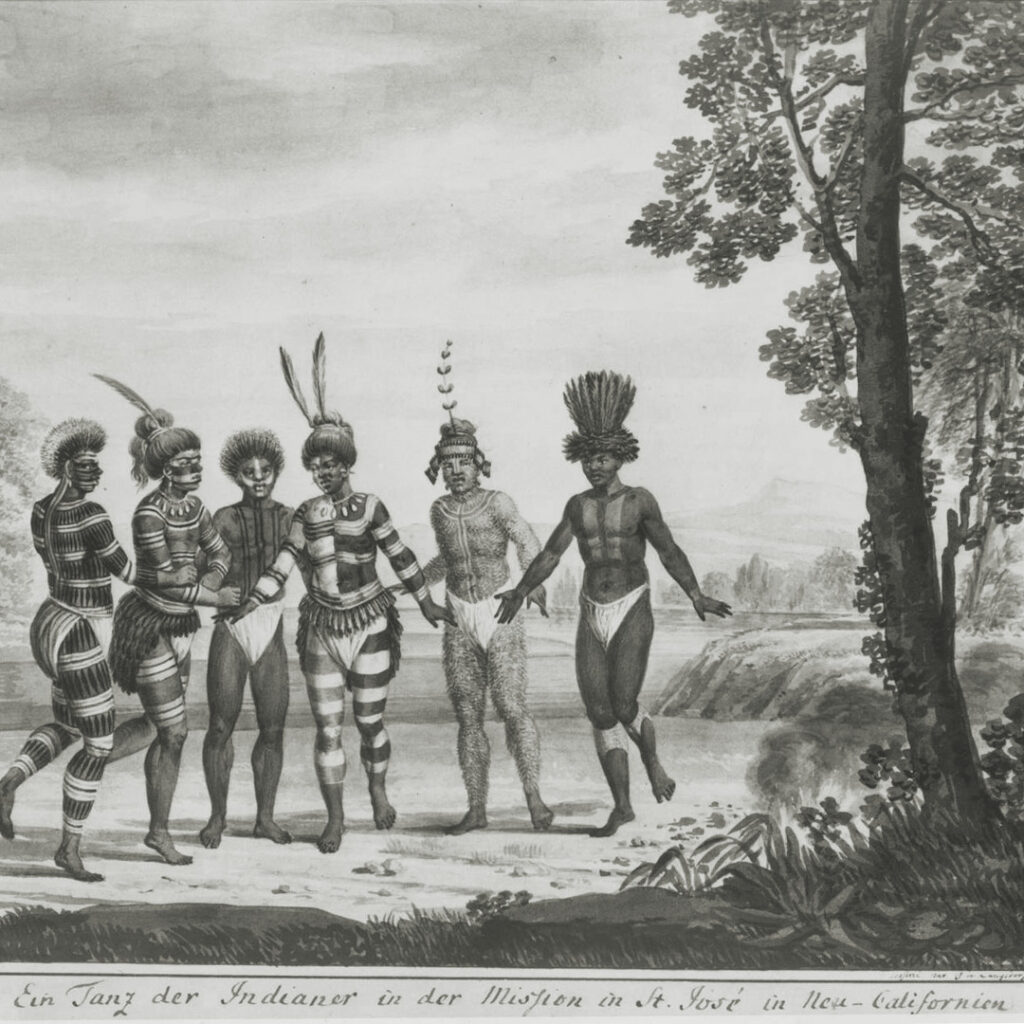
Ohlone people, early 19th century. By the late 1800s, many Indigenous communities had been destroyed through displacement, coercion, and deliberate policy.
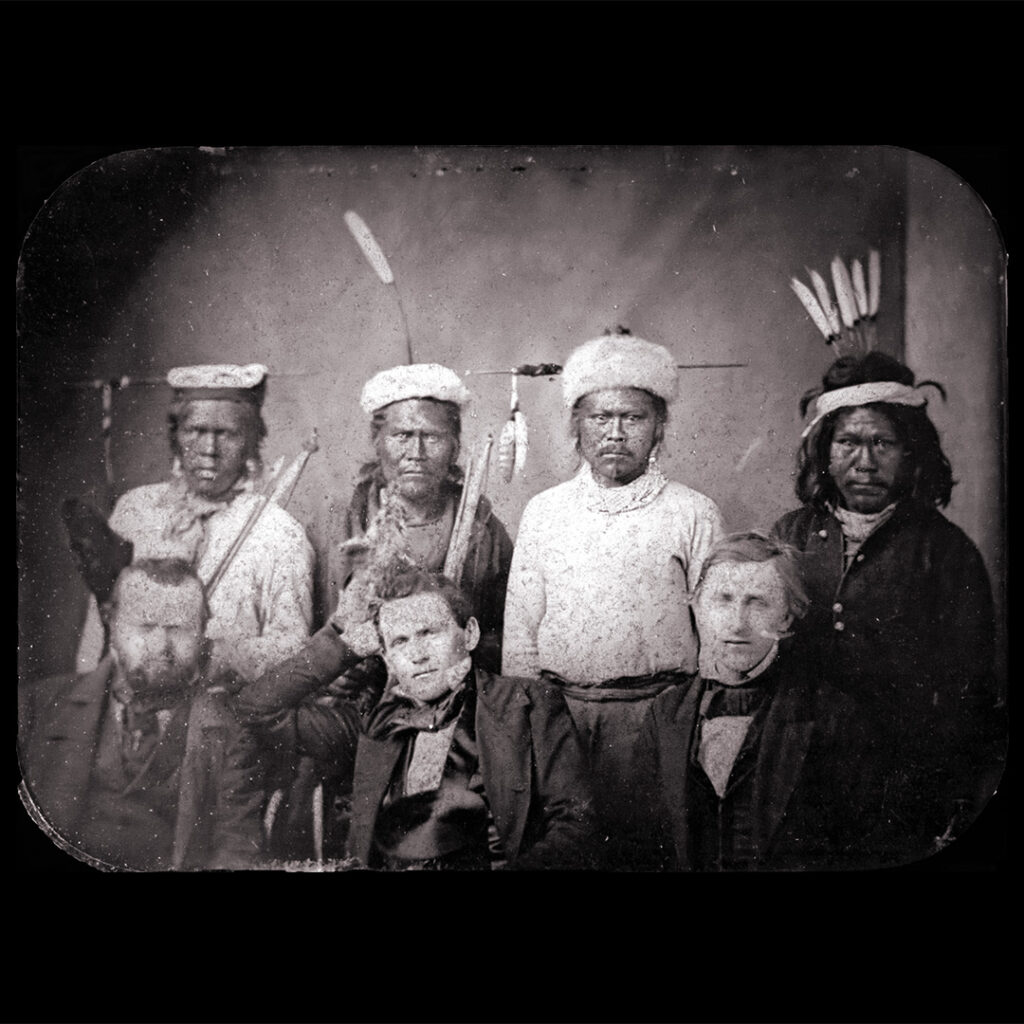
Many treaties negotiated with California tribes were never ratified, leaving Indigenous communities with land and protections promised but never honored.
An anti-Chinese poster announcing the passage of the Chinese Exclusion Act, May 6, 1882, courtesy of British Columbia Archives
“The Only One Barred Out” cartoon on Frank Leslie‘s Illustrated Newspaper, 1882, credit Library of Congress
A Governor Who Couldn’t Govern
Burnett’s administration was widely criticized even in its own time. Newspapers mocked him. Legislators resisted him. His aloof style and extremist views stalled governance.
After barely a year in office, Burnett became California’s first governor to resign in January 1851.
But his ideas did not leave with him.
Burnett continued to support exclusionary policies long after leaving politics. He was an outspoken supporter of the Chinese Exclusion Act of 1882, one of the most overtly racist federal laws in U.S. history.
He died in 1895 at age 87.
Reckoning With His Name
For decades, Burnett was honored as one of the founding fathers of California. That honor has eroded over time.
His legacy is racist and exclusionary.
Schools and institutions bearing his name have been renamed as communities reckoned with his bigoted past. In their place, names honoring Black educators and Indigenous peoples now stand.
Just as he tried to erase entire communities from California, California is now erasing his name. But remembering how the Golden State began matters, so history is not repeated.
Once honored, now increasingly removed. His record of racial hatred and state-sanctioned violence has made commemoration untenable.