Uncategorized

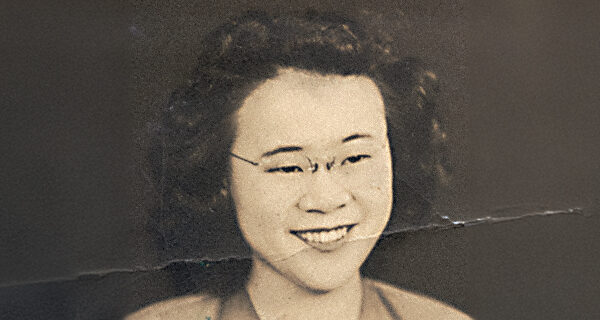
Aki Kurose

Aki Kurose

Born in a diverse Seattle neighborhood in 1925, Aki Kurose’s childhood was interrupted by incarceration and discrimination. Those experiences fueled her lifelong work to dismantle segregation, expand access to education, and reshape public schools for the children most often left behind.

Read More
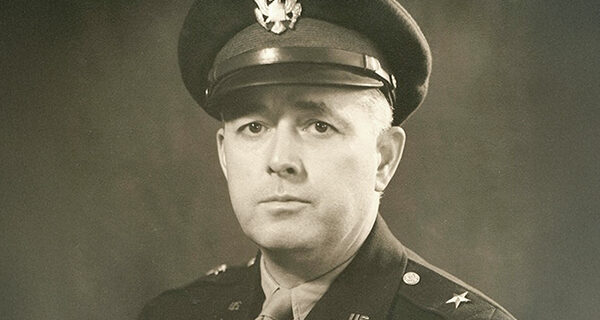
General Bonner Frank Fellers

Bonner Fellers

Born on February 6, 1896, Bonner Fellers would later help shape the American occupation of Japan. Influenced by the writings of Greek-born author Lafcadio Hearn, he argued that executing the Emperor would ignite resistance and cost countless lives.

Read More
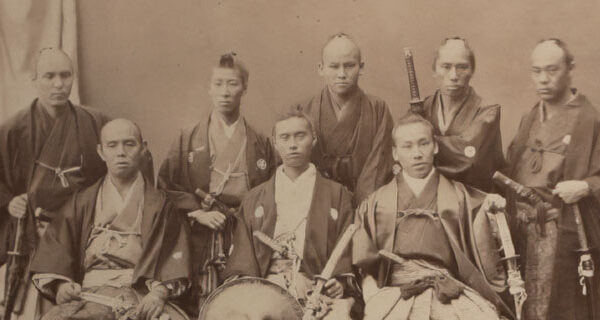
Eight of the 26 members of the Ikeda Mission, courtesy of Tokyo Metropolitan Foundation for History and Culture

Ikeda Mission

In 1864, the Tokugawa shōgunate sent samurai to Europe to shut down foreign trade and restore Japan’s isolation. The mission failed. But for Ikeda Nagaoki, the journey revealed a world Japan could no longer ignore, and helped set the stage for a modern nation to emerge.

Read More
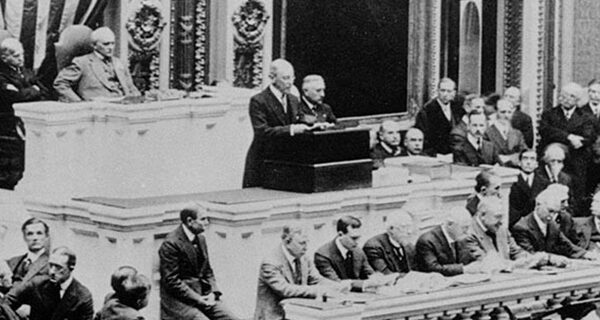
President Woodrow Wilson addressing a joint session of Congress, April 2, 1917, AP Photo

Immigration Act of 1917

The Immigration Act of 1917 expanded bans on Chinese and Japanese immigrants and formalized a racial hierarchy in U.S. immigration law — one that shaped who could enter, who was excluded, and who would later be imprisoned.

Read More
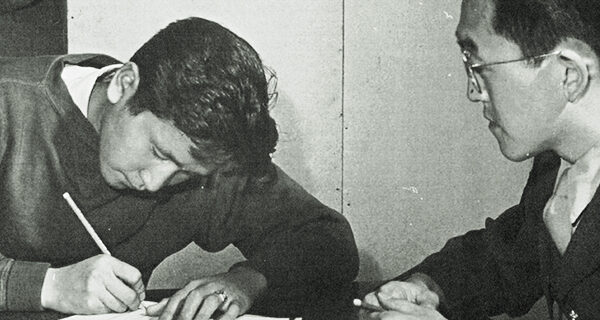
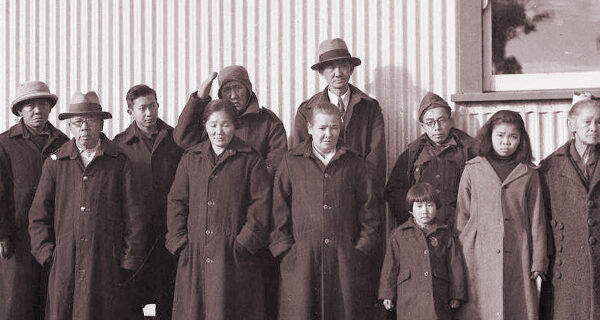
Young Nisei man completing questionnaire before enlisting, Amache, Colorado, photo by Tom Parker, courtesy of UC Berkeley Bancroft Library

Loyalty Questionnaire

In 1943, the U.S. government forced incarcerated Japanese Americans to answer a so-called loyalty questionnaire. Framed as a test of allegiance, it placed people already stripped of their rights into impossible moral and legal traps.

Read More
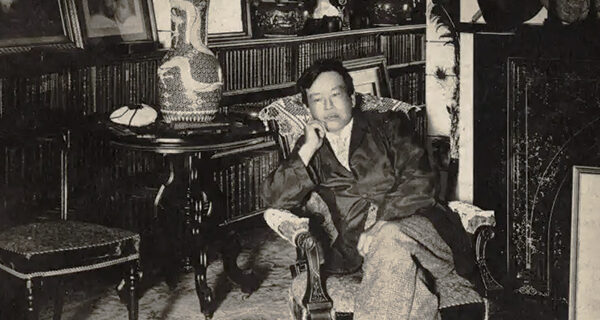
Kanaye Nagasawa at Fountain Grove house, courtesy of Museum of Sonoma County

Kanaye Nagasawa

Kanaye Nagasawa was the first Japanese national to live permanently in the United States and became the first Wine King of California. His legacy tells a story of ambition, success, and an American dream that could not be passed on because of discriminatory laws.

Read More
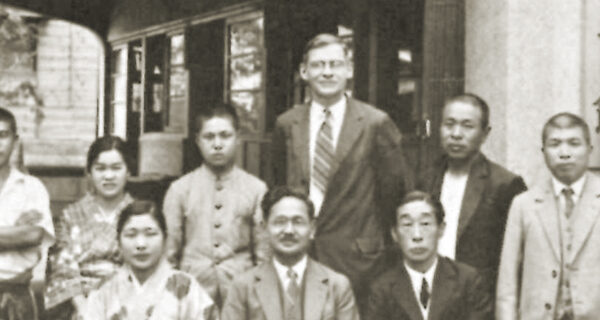
Herbert Nicholson with staff of the cooperative and civic center of Mito Shiminkan, Ibaraki, Japan, from “Treasure in Earthen Vessels”

Friend Herbert

During WWII, one man became a true friend to 120,000 incarcerated Japanese Americans. Herbert Nicholson safeguarded their belongings, drove tens of thousands of miles between camps, and mobilized 150,000 letters of protest to the government.

Read More
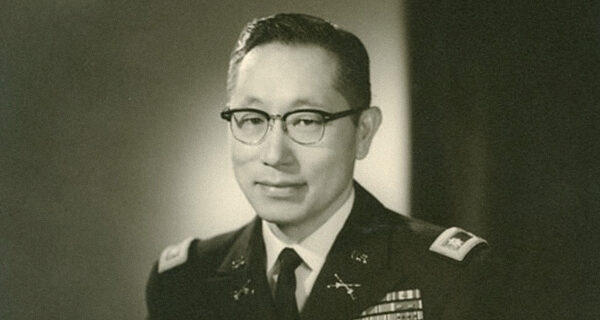
Colonel Young Oak Kim in 1961, courtesy of National Go For Broke Education Center

Young-Oak Kim

He was Korean American. His unit was Japanese American. His loyalty was American. Born in Los Angeles in 1919, Officer Young-Oak Kim was assigned to the all-Nisei 100th Infantry Battalion. He chose unity over division — and proved that courage transcends ancestry.

Read More
Japanese incarcerees for dental inspection in Tatura, Victoria, 1943, courtesy Australian War Memorial

Japanese Australian Incarceration

During WWII, 98% of Japanese Australians spent Australia Day behind barbed wire. Nearly every Japanese resident in Australia was incarcerated, then most were deported. Their communities vanished. Unlike the U.S. or Canada, Australia has never apologized.

Read More