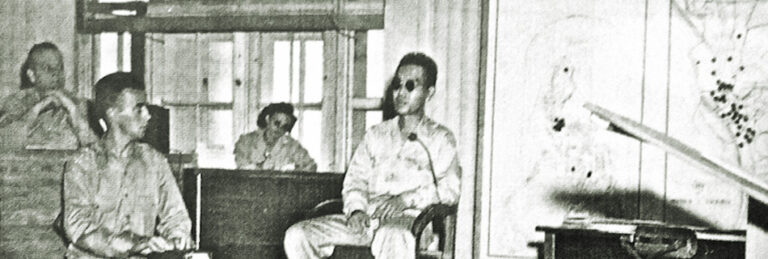
Richard Sakakida
Before Pearl Harbor, Richard Sakakida was one of only two Japanese American spies the U.S. government ever publicly identified — both created by the government itself.

Mitsuye Endo
After California fired Mitsuye Endo in 1942, she became the lead plaintiff in a case challenging the government’s incarceration of Japanese Americans. When officials later offered to release her if she dropped the fight, she refused. It kept her in camp for two extra years.
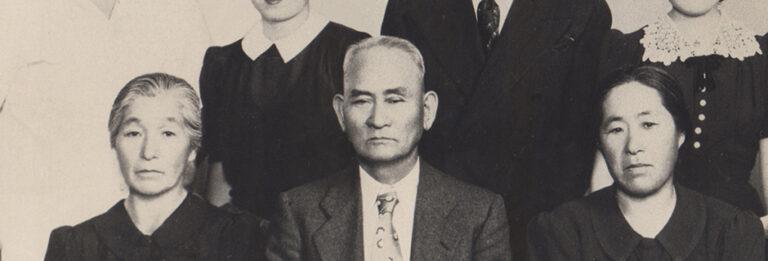
Gonzo Mimaki
Gonzo Mimaki’s life spanned the arc of Japanese American history: samurai roots in Kumamoto, railroad labor, California farming, community leadership, and wartime incarceration at Heart Mountain.

San Maló
The first Asians in America may not be who most people expect. Lafcadio Hearn’s 1883 account of San Maló captured the story of the Manilamen, Filipino fishermen who built what is likely the first Asian American settlement in the United States.

Santa Anita Assembly Center
On March 27, 1942, Santa Anita Racetrack was converted into a detention site for Japanese Americans. At its peak, more than 18,000 people were held there — over 8,500 lived in horse stalls. It was called “protection.”

James Sakamoto
After losing his eyesight from boxing, Jimmie Sakamoto founded the first all-English Japanese American newspaper and helped lead the JACL.

Japanese Canadian Incarceration
January 14, 1942 marked the beginning of a seven-year exile for Japanese Canadians. More than 27,000 people were removed, incarcerated, and barred from returning home until 1949.
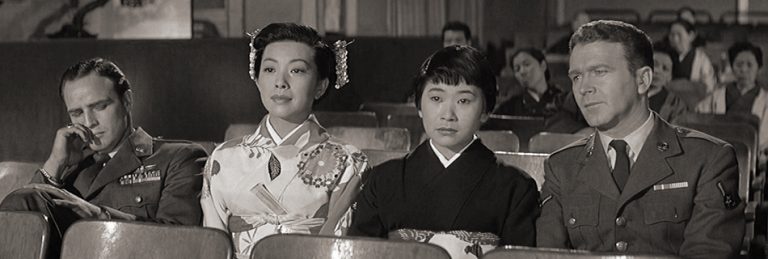
Miyoshi Umeki
In 1958, Miyoshi Umeki became the first Asian actress to win an Academy Award. It was a historic moment, but not a turning point. Her career reflects the limits placed on Asian performers in Hollywood, even after the highest recognition.

Kanaye Nagasawa
Kanaye Nagasawa was the first Japanese national to live permanently in the United States and became the first Wine King of California. His legacy tells a story of ambition, success, and an American dream that could not be passed on because of discriminatory laws.