The man who helped dismantle California’s racist land laws was named Abraham Lincoln.
January 19, 1948: With the work of civil rights attorney Abraham Lincoln Wirin, the U.S. Supreme Court ruled in Ōyama v. California, dealing a major blow to California’s anti-Japanese alien land laws.
For decades, California’s Alien Land Laws were explicitly crafted to prevent Asian immigrants from owning or controlling property. Because federal law barred Asian immigrants from naturalization, citizenship was used to exclude them from accessing land.
Japanese immigrants could not legally own land. They could not lease it long-term. They could not pass it to their children.
The laws were not subtle. They were designed to erase Japanese Americans from California’s agricultural future. And during WWII, they intensified its enforcement.
This was in part to appease the nervous California farmers, who feared that the Japanese immigrants’ agricultural techniques, which developed out of the necessity to make as much use of small plots of land as possible, would render them unable to compete economically.
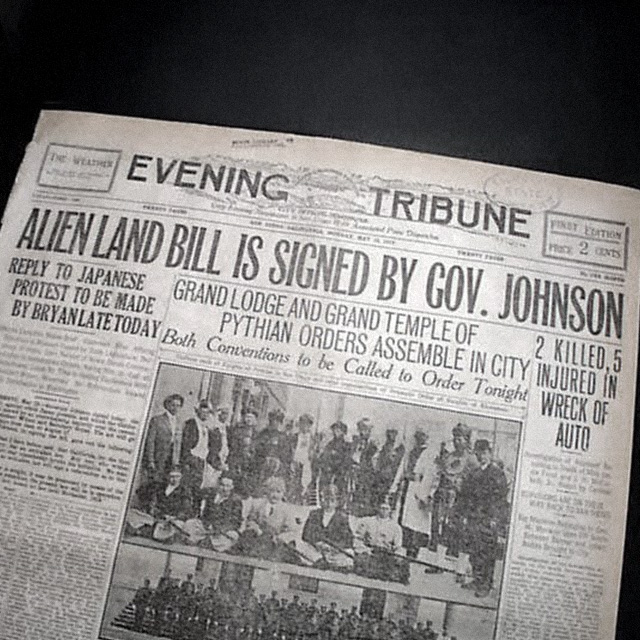
Headline announcing California’s Alien Land Law of 1913 — the first statewide law designed to keep Japanese immigrants from owning farmland.
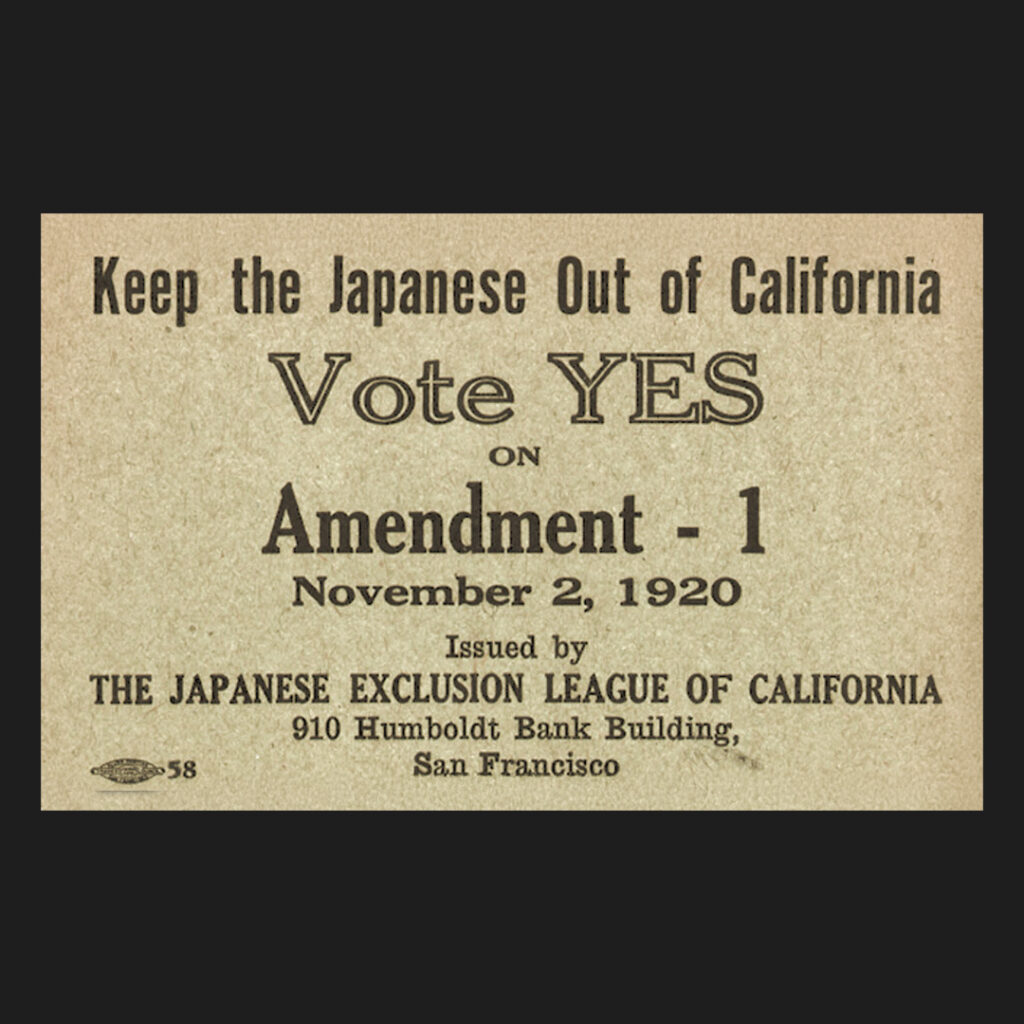
A 1920 flyer from the Japanese Exclusion League urging Californians to “Keep the Japanese out.” Anti-Asian organizing was open, loud, and politically mainstream.
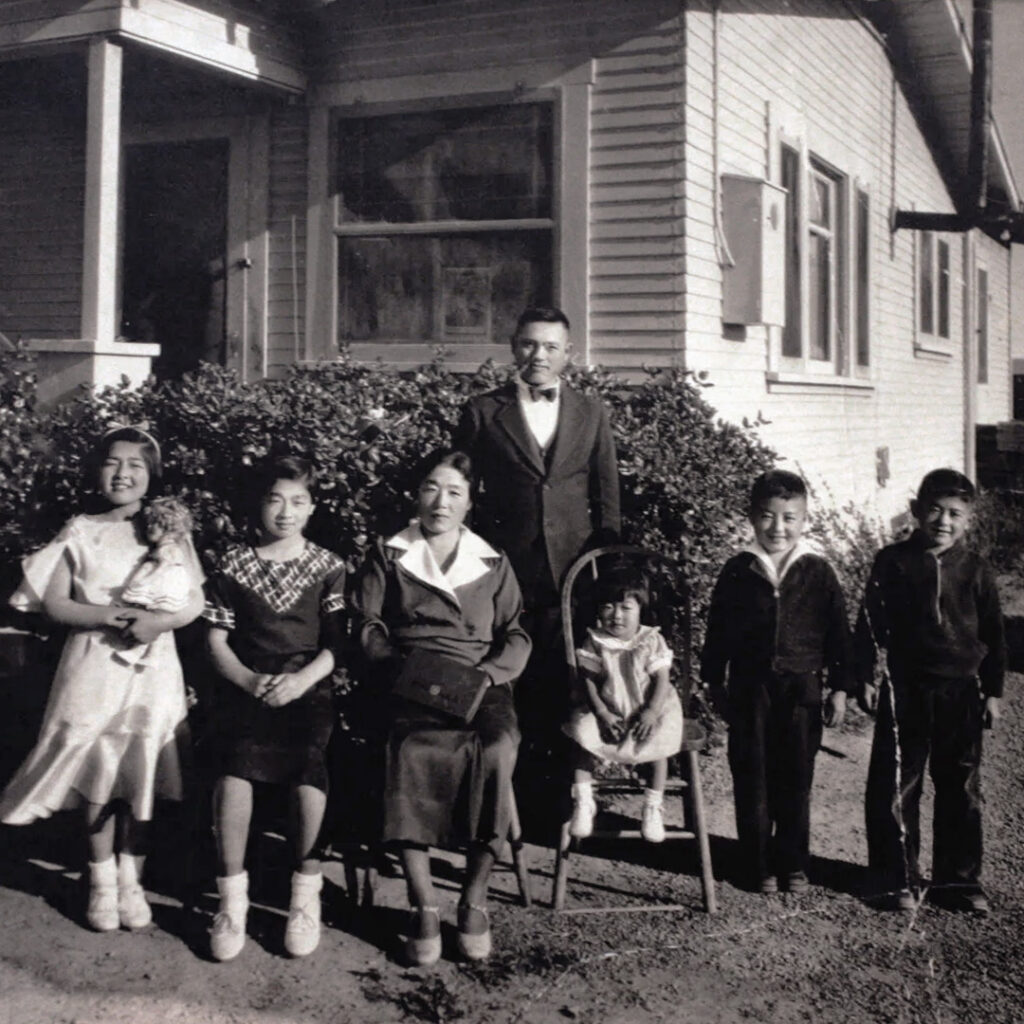
The Ōyama family outside their home on their Chula Vista farm, later seized by the state of California under the Alien Land Laws.
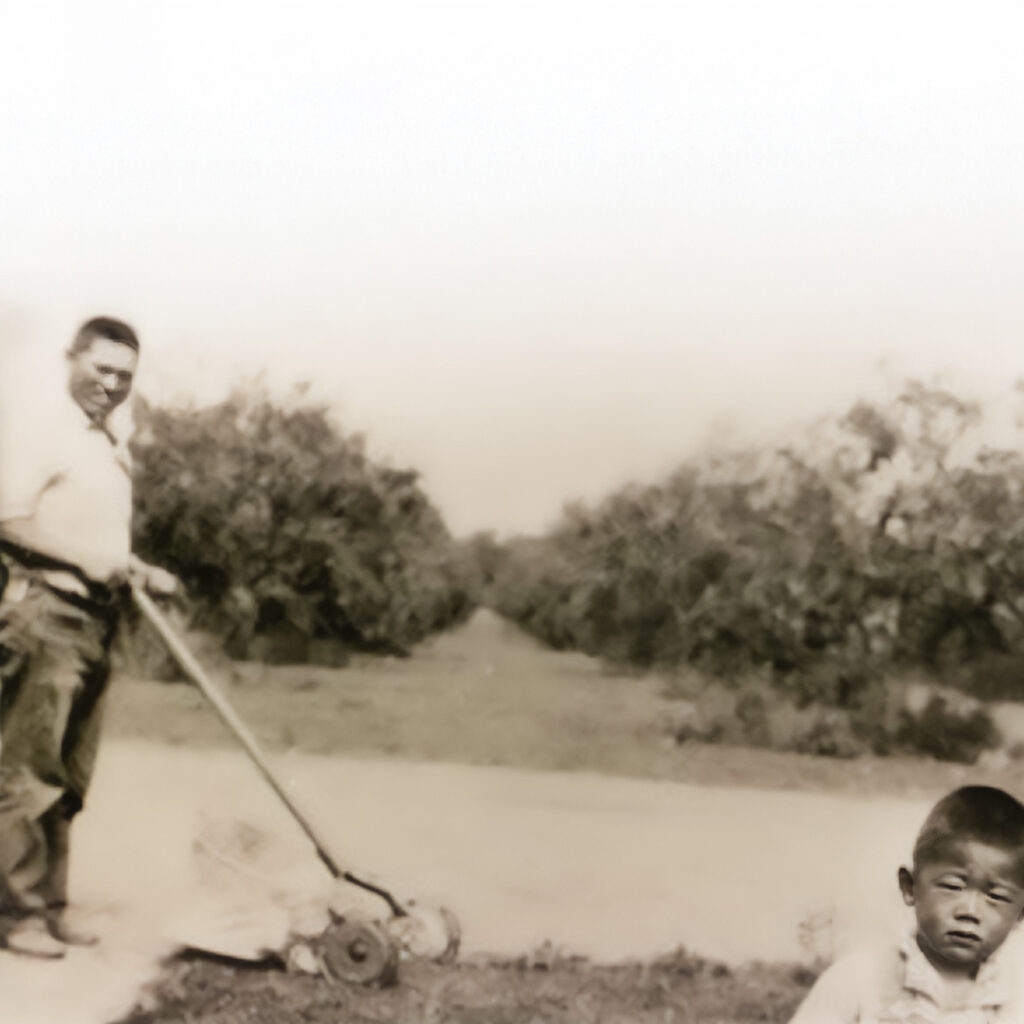
The Ōyama family farm in Chula Vista. Although the land was held in the name of U.S. citizen Fred Ōyama, California moved to confiscate it under the Alien Land Laws.
Punishing the Citizen Child
The Ōyama case centered on Fred Ōyama, a U.S.-born American citizen. His father, Kajirō Ōyama, had purchased farmland in Fred’s name — a common workaround used by Japanese immigrant families trying to survive under discriminatory laws.
California seized the land anyway.
The state argued that although Fred was a U.S. citizen, the land was effectively controlled by his non-citizen father. In doing so, California claimed it could seize property owned by a citizen by attributing that ownership to a racially barred parent.
Their position was clear: citizenship offered no protection if it was connected to a parent the law had already deemed unfit to own land.
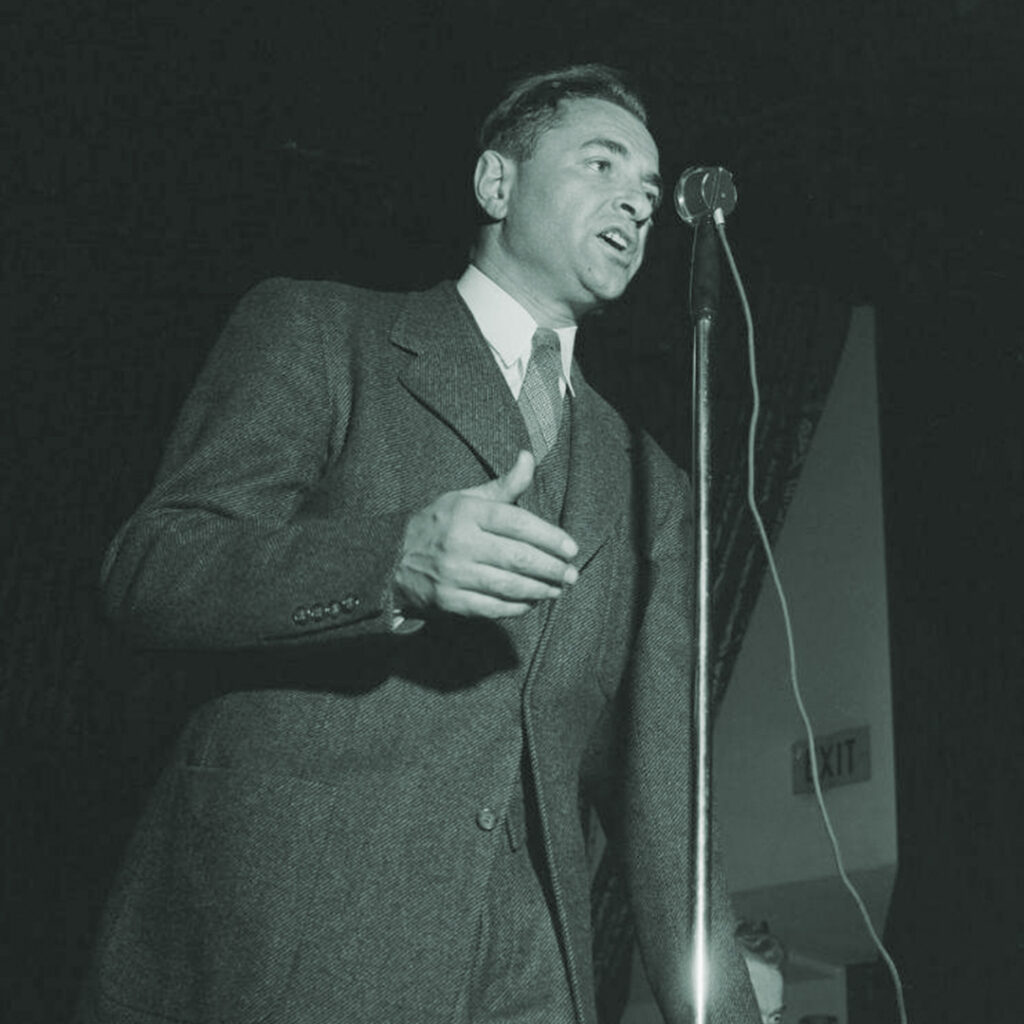
Abraham Lincoln Wirin
As the director of ACLU of Southern California, he understood what was really at stake. This was not just a property dispute. It was a test of whether citizenship meant anything at all.
In 1945, A. L. (Abraham Lincoln) Wirin, named after the famous president who supported the 14th Amendment, together with Hugh Macbeth, took up the Ōyama case. They argued that California’s actions violated the Equal Protection Clause of that very Fourteenth Amendment by punishing a U.S. citizen based on his father’s race and immigration status. The case was first decided in a trial court, which ordered the land held in Fred Ōyama’s name to revert to the state of California. Wirin and Macbeth appealed.
After the decision was upheld by the California Supreme Court, the case moved to the U.S. Supreme Court. There, in a landmark ruling, the Court held that California could not deprive a citizen child of property rights because of a parent’s ineligibility for citizenship.
Courtesy of Charles E. Young Research Library, UCLA
Abraham Lincoln Wirin became a leading civil rights attorney as director of the ACLU of Southern California. He preferred going by A. L. Wirin instead of his given names.
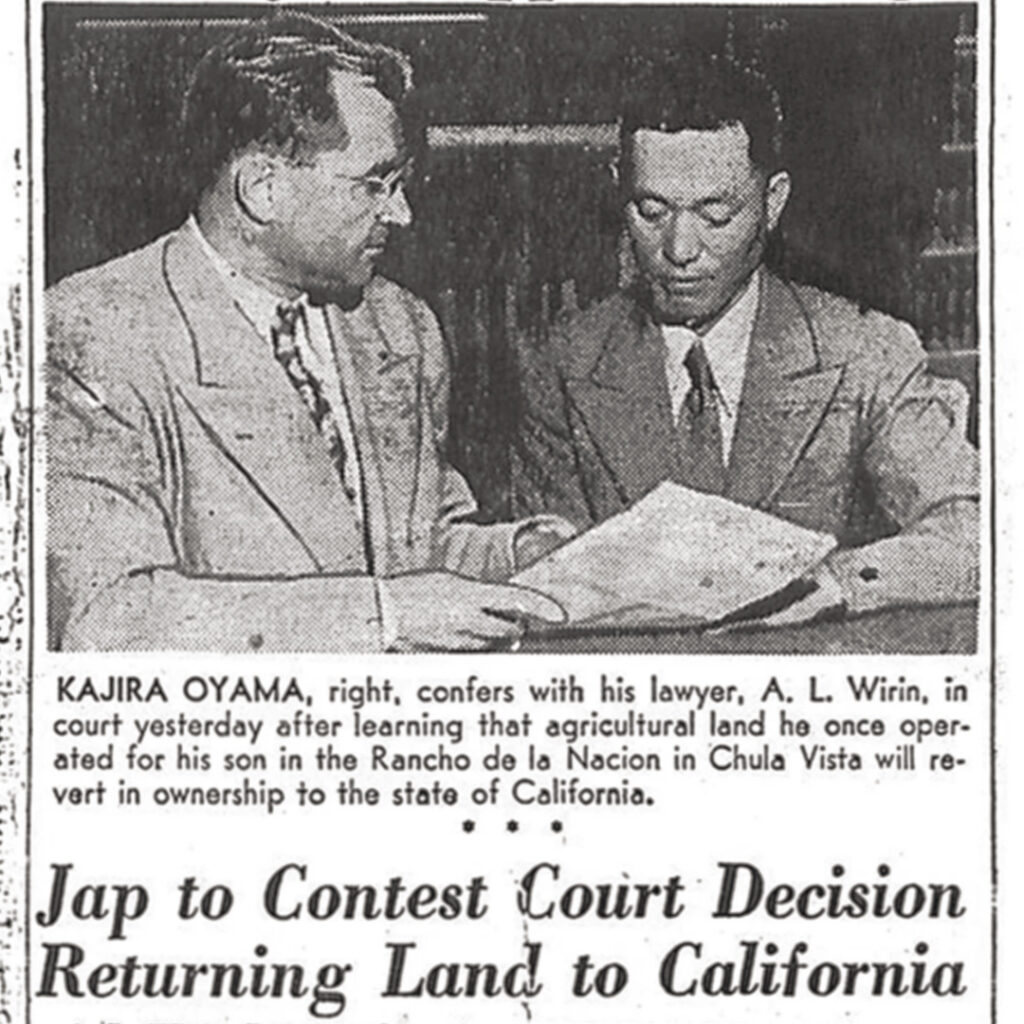
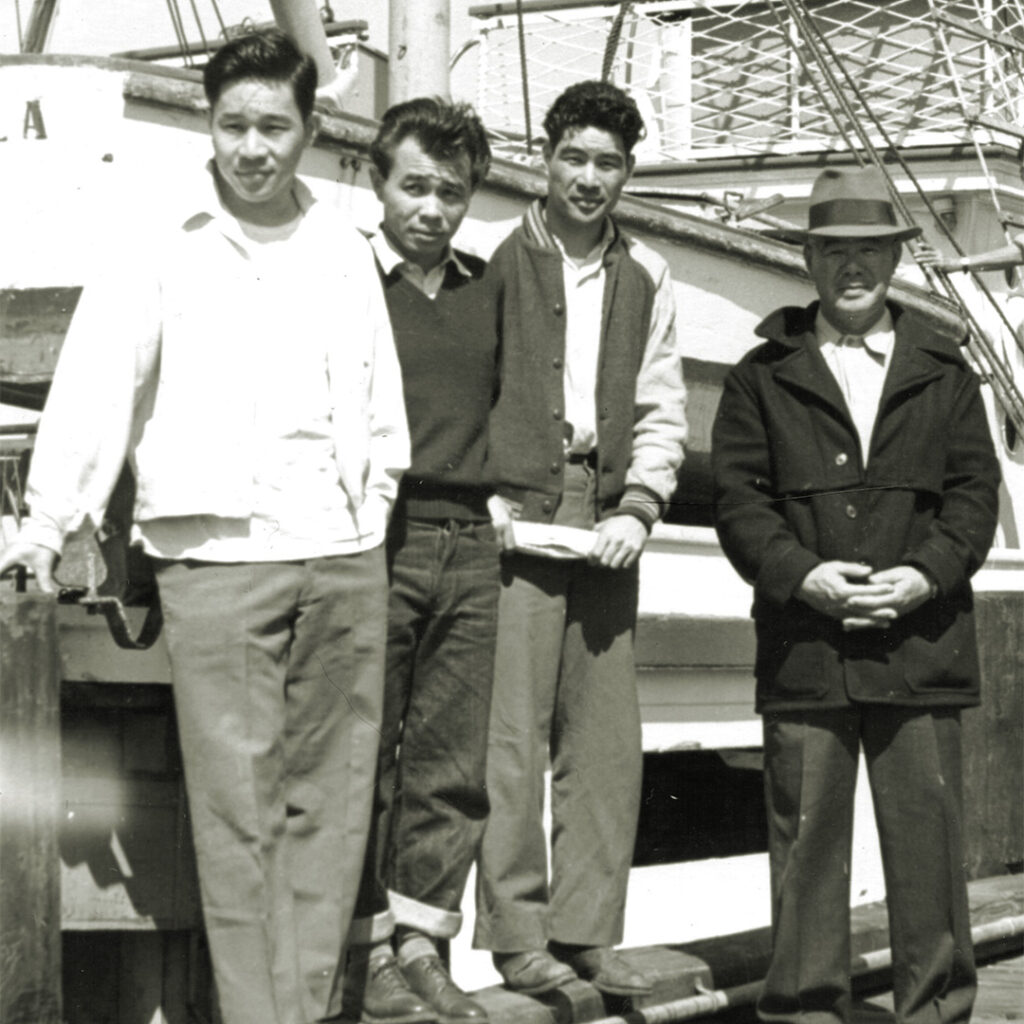
Kajirō Ōyama (right) with attorney Abraham Lincoln Wirin following a 1945 court ruling ordering land he operated for his son to revert to the state of California.
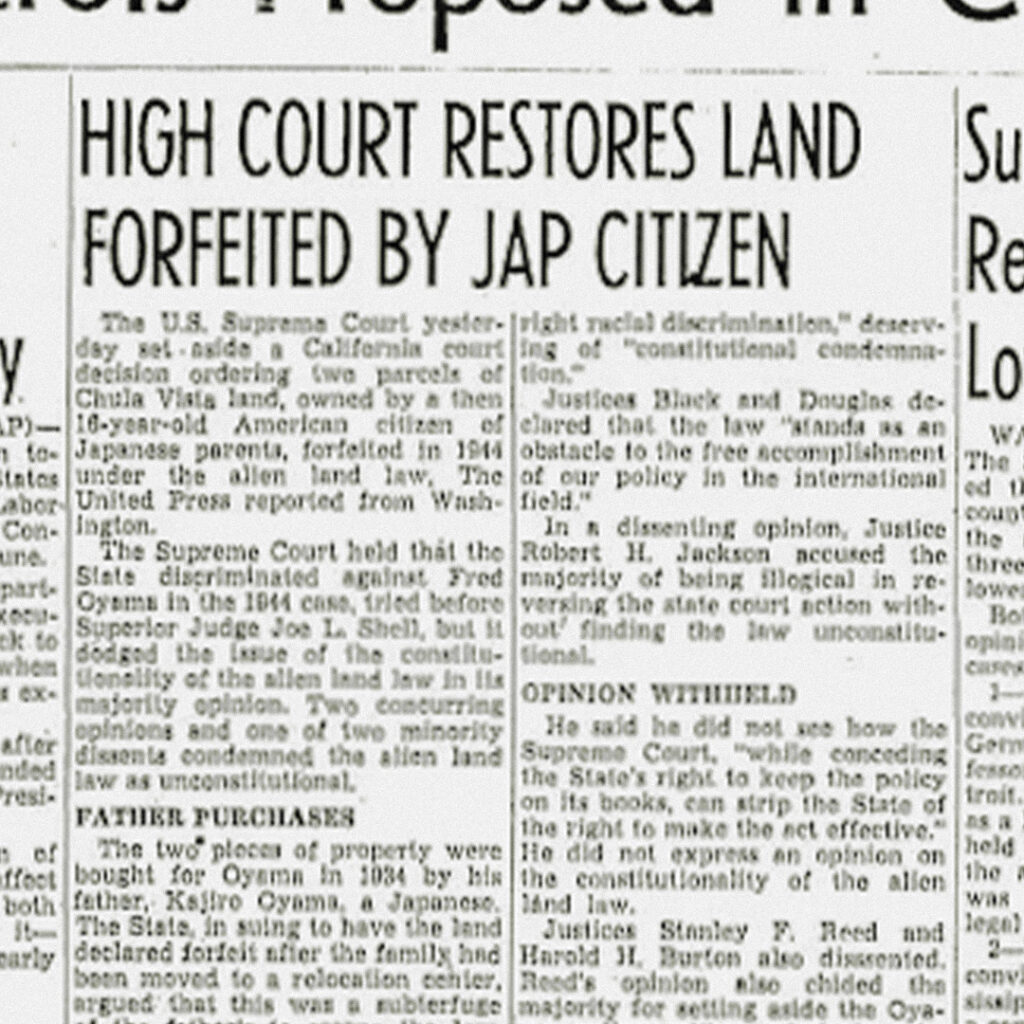
The U.S. Supreme Court’s landmark decision in Ōyama v. California, The San Diego Union, January 20, 1948. (The language reflects the era.)
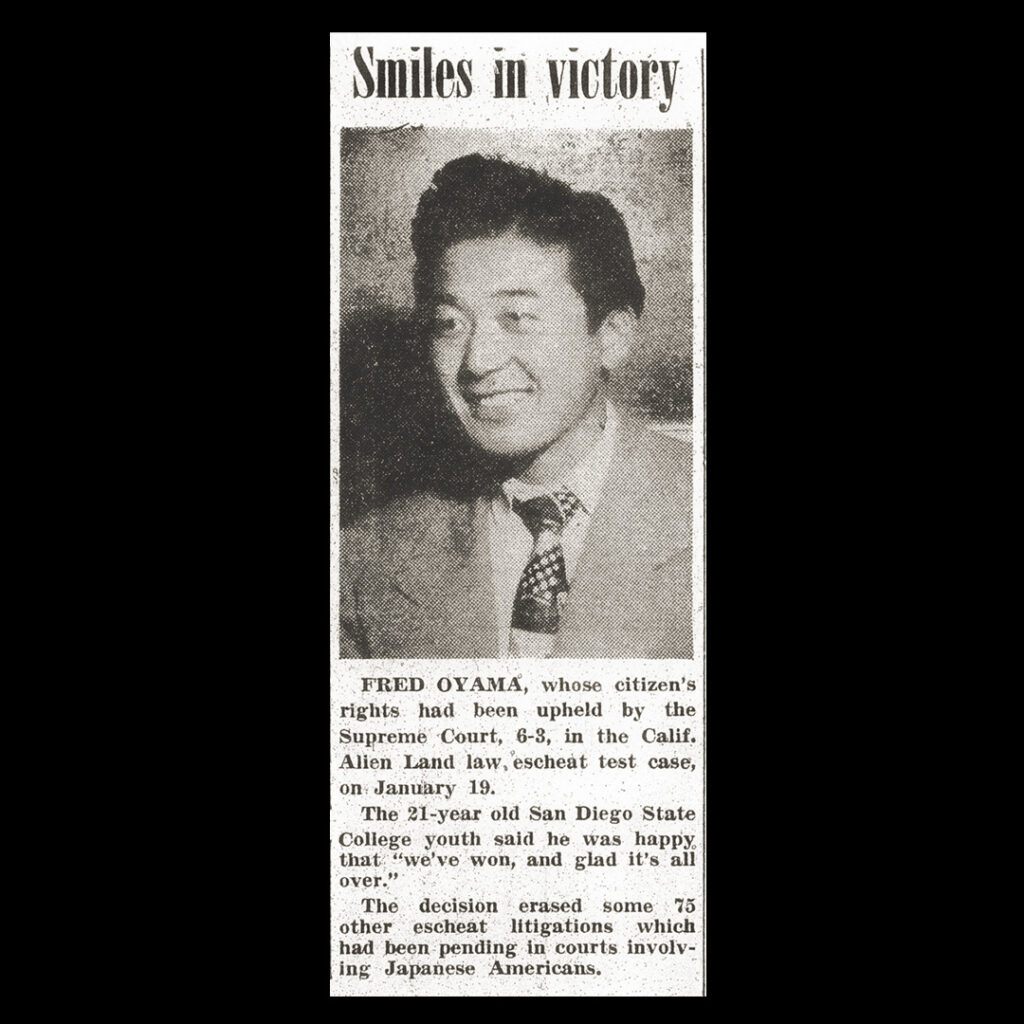
Fred Ōyama, photographed after the U.S. Supreme Court upheld his rights as an American citizen. San Diego Union, January 1948.
The Decision
Before the Supreme Court, the petitioners raised three constitutional objections to how the Alien Land Laws were applied in this case.
First, they argued that the law deprived Fred Ōyama of equal protection and of his privileges as an American citizen. Second, that it denied Kajirō Ōyama equal protection of the laws. Third, that it violated due process by threatening to take property from rightful ownership.
The Court agreed 8–1 with the petitioners’ first contention. As applied in this case, the Alien Land Law deprived Fred Ōyama of the equal protection of California’s laws and of his rights as a U.S. citizen.
That finding alone was sufficient to reverse the California Supreme Court’s decision, and the Court declined to rule on the remaining arguments. The laws themselves remained in effect.
The Case That Really Mattered
Ōyama v. California did not immediately repeal the Alien Land Laws. But it weakened their foundation and made clear that the Constitution could not be bent indefinitely to serve racial exclusion. It also halted a broader effort by California to use similar suits to seize Japanese American land statewide.
Wirin later said he considered Ōyama, along with the Takahashi fishing case, the most important cases he ever handled because of their role in shaping the Supreme Court’s strict scrutiny doctrine in civil rights law.
Citizenship could not be selectively honored. Race could not be disguised as legality. Children could not be punished for their parents’ identity.
A man named Abraham Lincoln helped make that clear. California would fully repeal its Alien Land Laws in 1956.
Courtesy Lilian Hoffecker
Taro Takahashi and family. Takahashi v. Fish and Game Commission (1948), one of the civil rights cases A. L. Wirin later called among the most important he ever handled.
Courtesy of Densho, The Frank Abe Collection
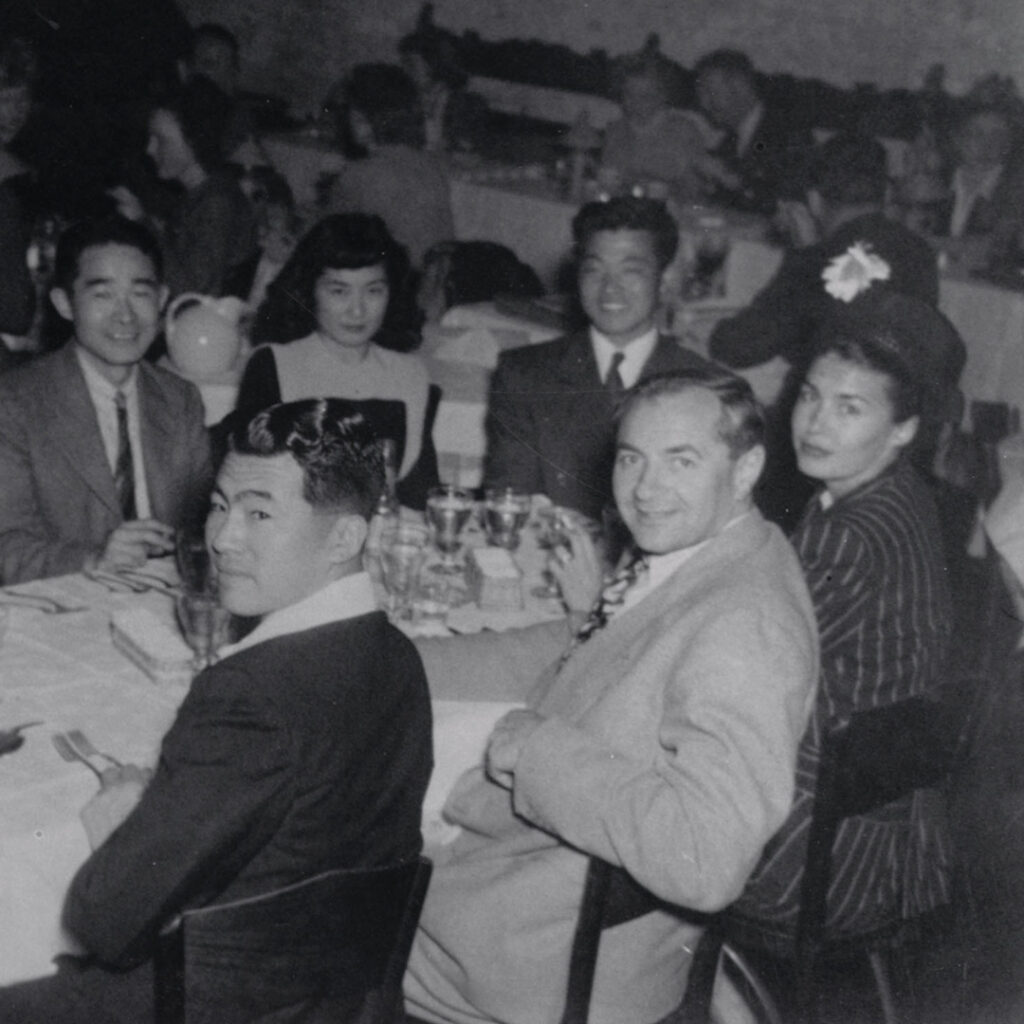
A. L. Wirin celebrating a legal victory, April 1946. Wirin brought a series of courtroom victories that helped restore rights to Japanese Americans.