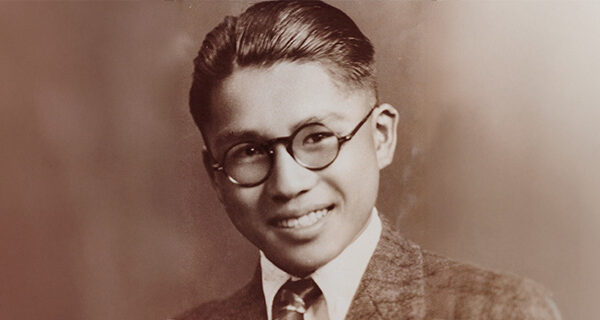
When the U.S. government ordered Japanese Americans into camps during World War II, Fred Korematsu refused to go. His arrest and Supreme Court case challenged the constitutionality of Executive Order 9066 — a stand for justice that would take decades to be vindicated.
Read MoreUncategorized
The Oath of the Sword
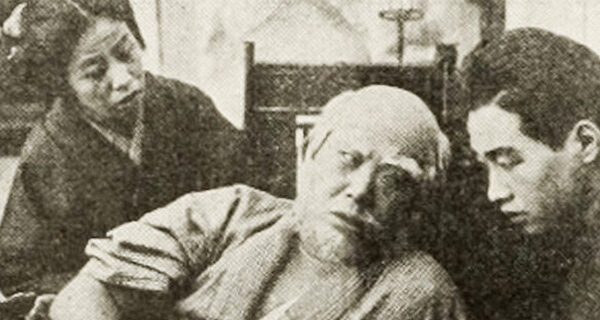
Made in Los Angeles in 1914 by a Japanese American cast and crew, The Oath of the Sword is believed to be the earliest Asian American film production in U.S. history. Rediscovered in 2016 it is proof that Japanese Americans were telling their own stories long before Hollywood was ready to recognize them.
Read MoreThe Johnson-Reed Act of 1924
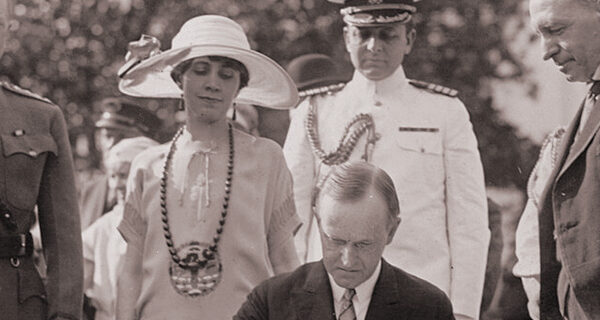
The Immigration Act of 1924, also known as the Johnson-Reed Act, created racial immigration quotas designed to preserve what officials called the “ideal of U.S. homogeneity.” For Asians, it was not just a quota. It was a ban. Adolf Hitler praised the law.
Read MoreShoichi James Okamoto
In 1944, Shoichi James Okamoto was shot and killed by a sentry at Tule Lake. The soldier responsible was fined just $1 — the cost of the bullet.
Read MoreYuri Kochiyama
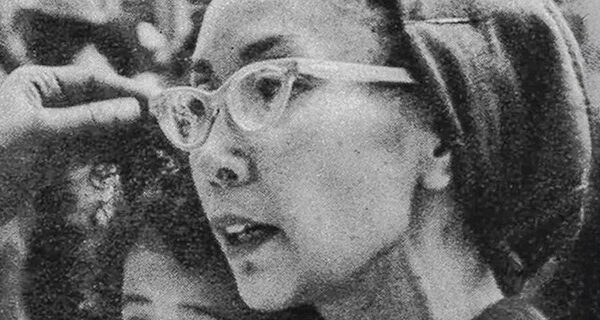
From the barracks of a WWII incarceration camp to the front lines of civil rights movements, Yuri Kochiyama never stopped challenging injustice. Her unwavering belief in solidarity made her a bridge between communities, and a force for change.
Read MoreBen Kuroki
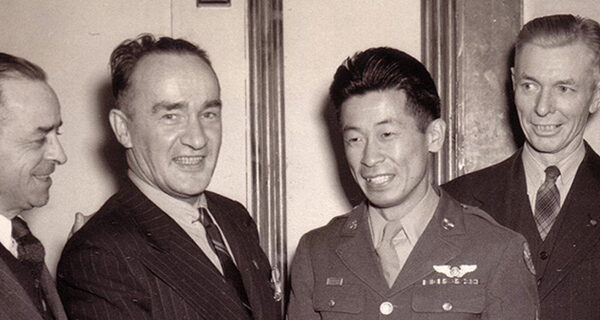
Ben Kuroki, a Nebraska-born son of Japanese immigrants, became the only Japanese American to fly combat missions over Japan during World War II. Denied enlistment at first, he fought through racism and bureaucracy to prove his loyalty and became one of America’s most decorated airmen.
Read MoreDillon S. Myer
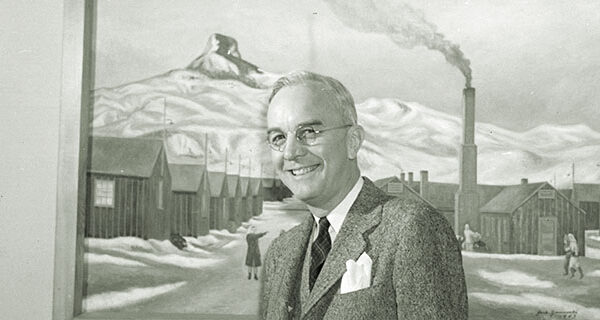
As director of the War Relocation Authority, Dillon S. Myer oversaw the incarceration of more than 120,000 Japanese Americans during World War II. Yet he eventually became one of the strongest voices calling for the camps to close.
Read MoreJapanese Railroad Workers
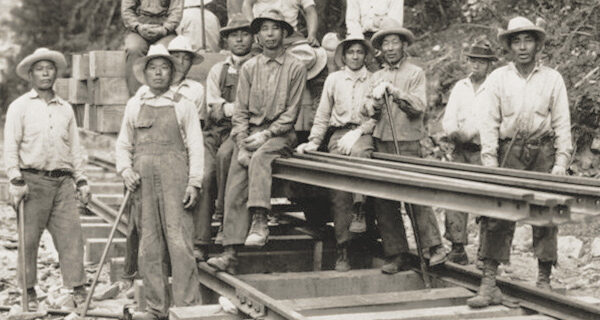
When America decided there were “too many Chinese,” it turned to the Japanese. Thousands of immigrants came to build railroads across the West — replacing one excluded group with another. Their labor helped shape the nation, even as prejudice followed every mile of track.
Read MoreJohn Manjirō Nakahama
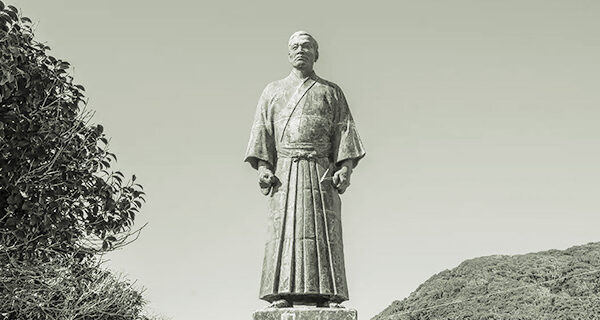
In 1841, a 14-year-old fisherman from Japan was shipwrecked and rescued by an American whaling ship. After spending years in the United States, John Manjiro Nakahama returned to a country that still outlawed contact with the West, carrying ideas Japan had never allowed before.
Read More