They erased her father. They erased Malcolm X. But they couldn’t erase her.
May 19, 1921: Yuri Kochiyama, an American civil rights activist, was born Mary Yuriko Nakahara in San Pedro, California.
When Pearl Harbor was bombed, Yuri Kochiyama’s family was among the first targeted. Her father, a respected community figure, was taken by the FBI the very next day.
He had just returned from the hospital. He was diabetic, recovering from surgery. He was not a threat. He was a father, a U.S. citizen, a man trying to heal.
The military held him without charges. He was interrogated. He was denied proper care. By the time they returned him, it was too late.
He died the next day.
That was her first encounter with the government’s idea of “justice.” It would not be her last.
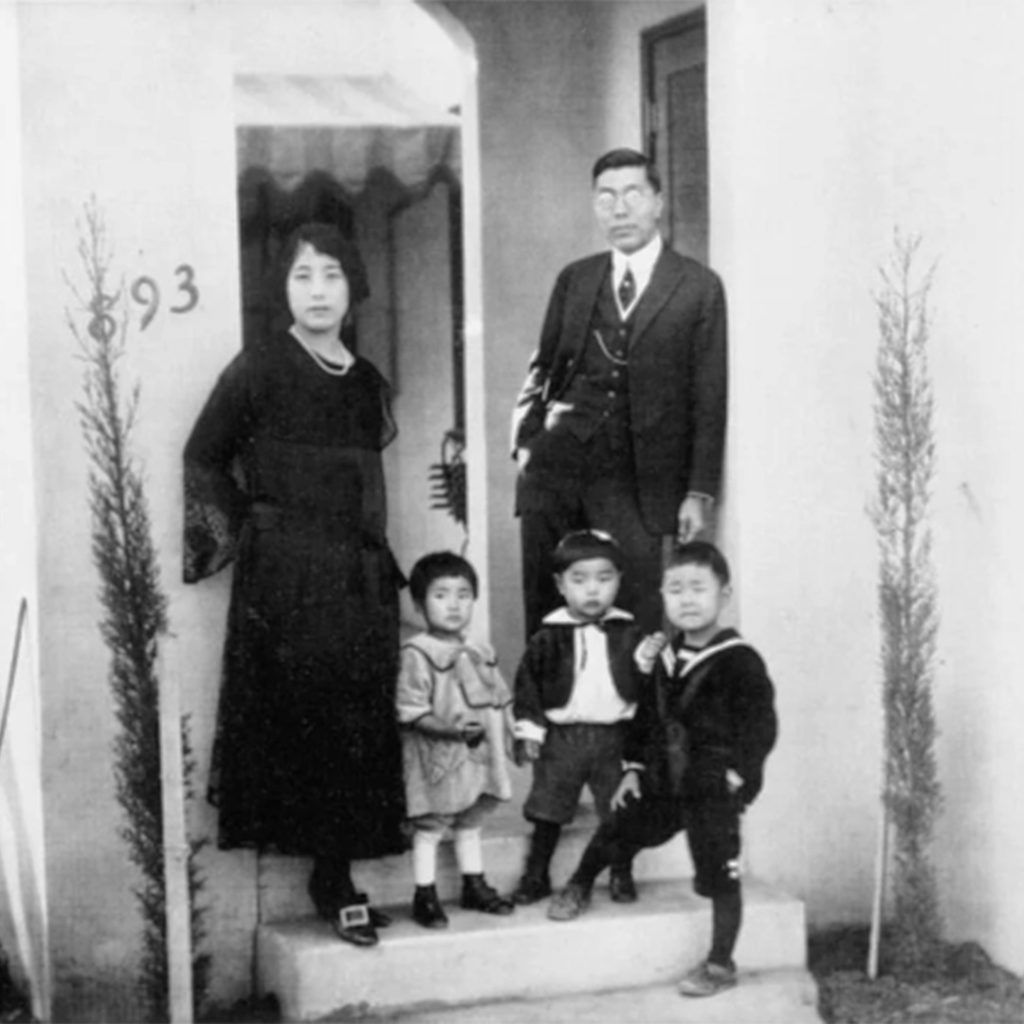
Nakahara family with young Yuri in San Pedro, c1924
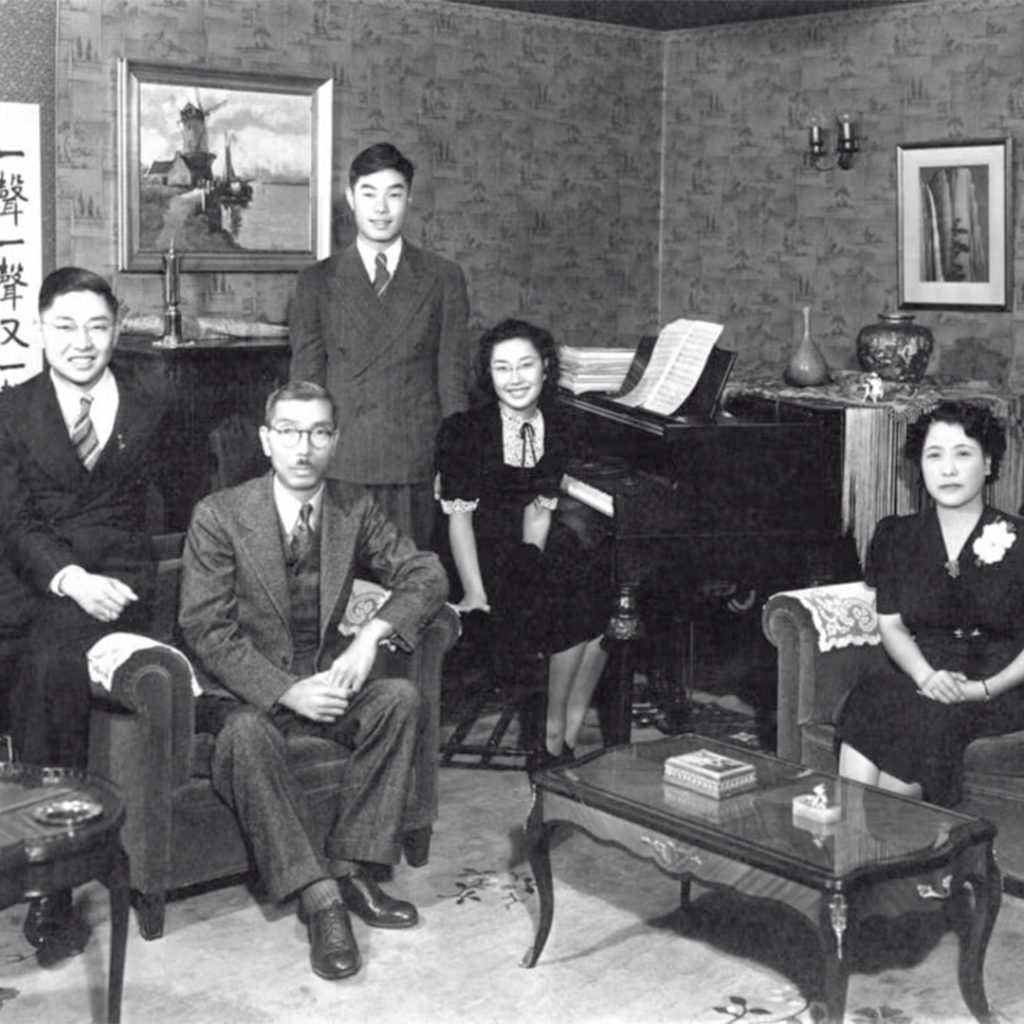
The Nakahara family in their San Pedro Home, 1938
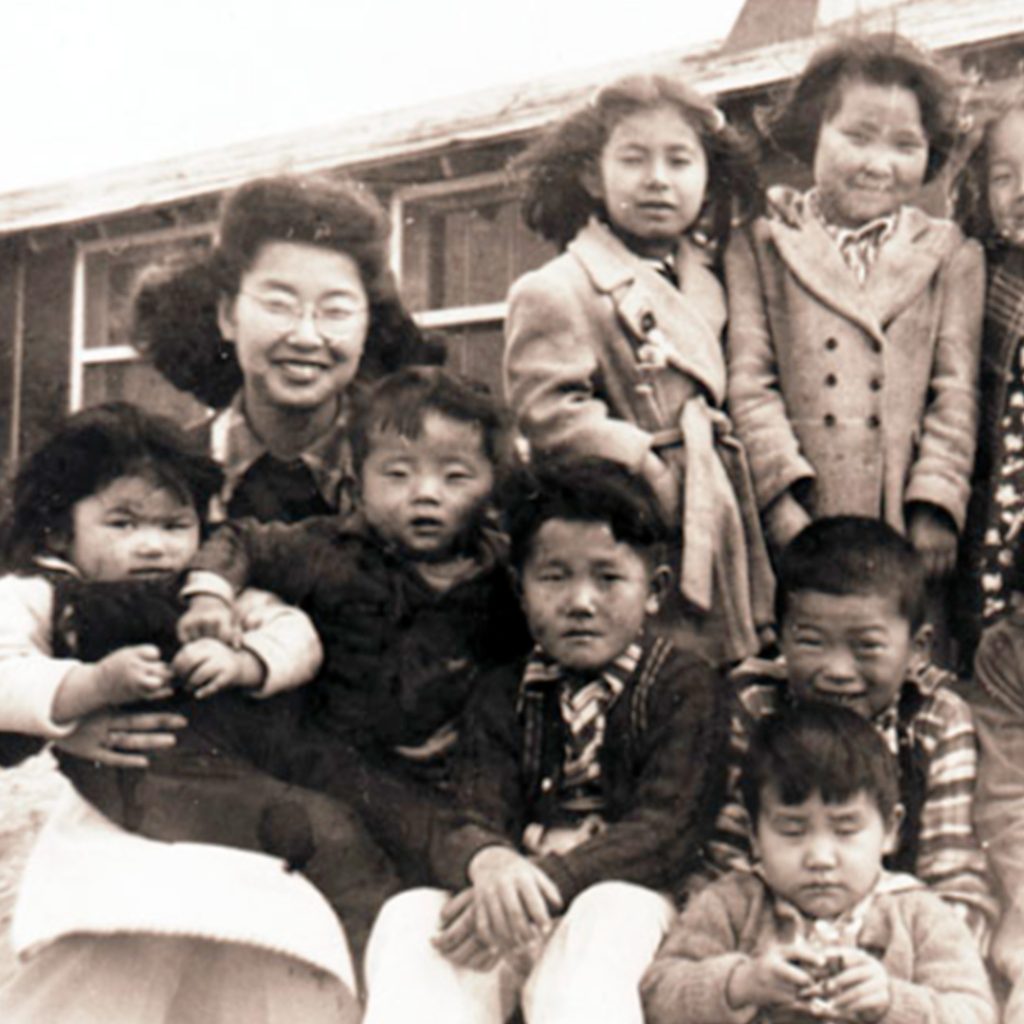
Yuri Kochiyama with her Sunday School kids in Camp Jerome, gift of Yuri Kochiyama, credit Japanese American National Museum
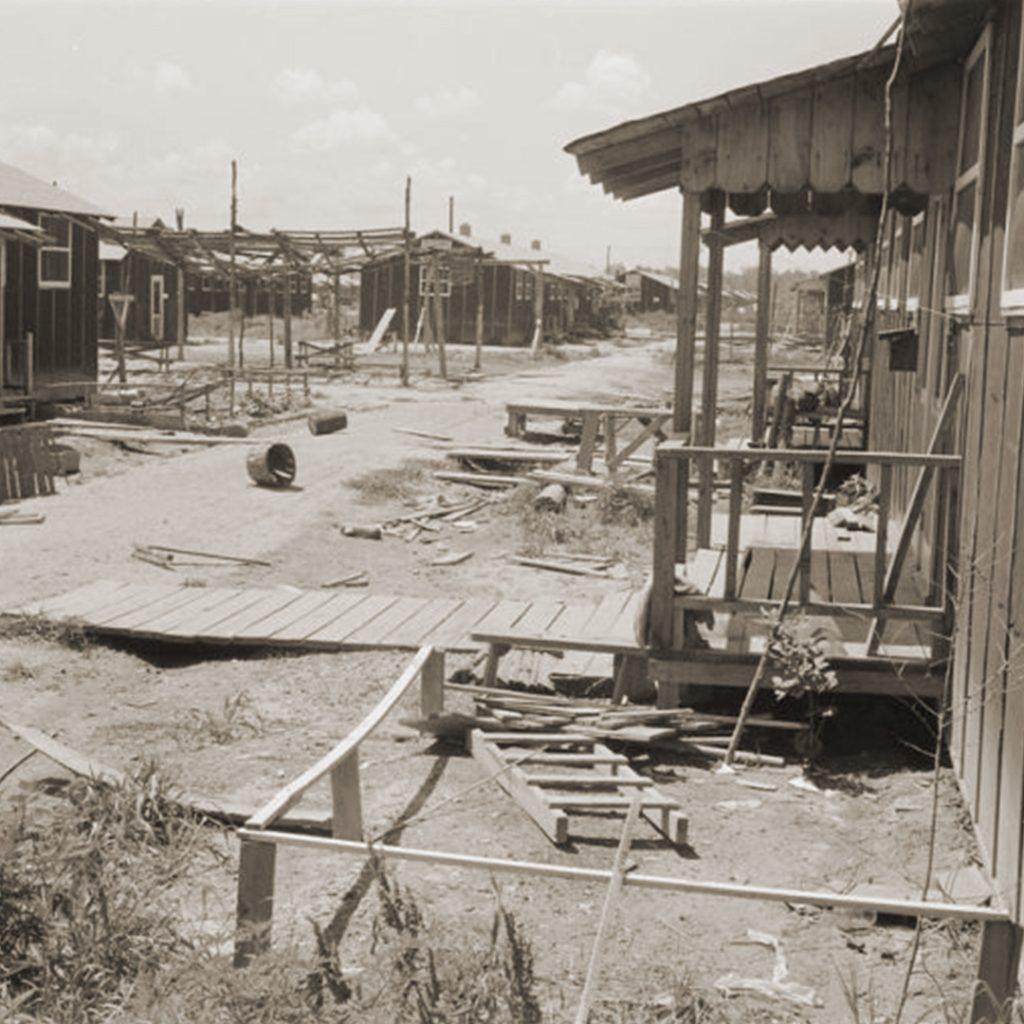
Closing of the Jerome Relocation Center, Denson, Arkansas, credit National Archives and Records Administration
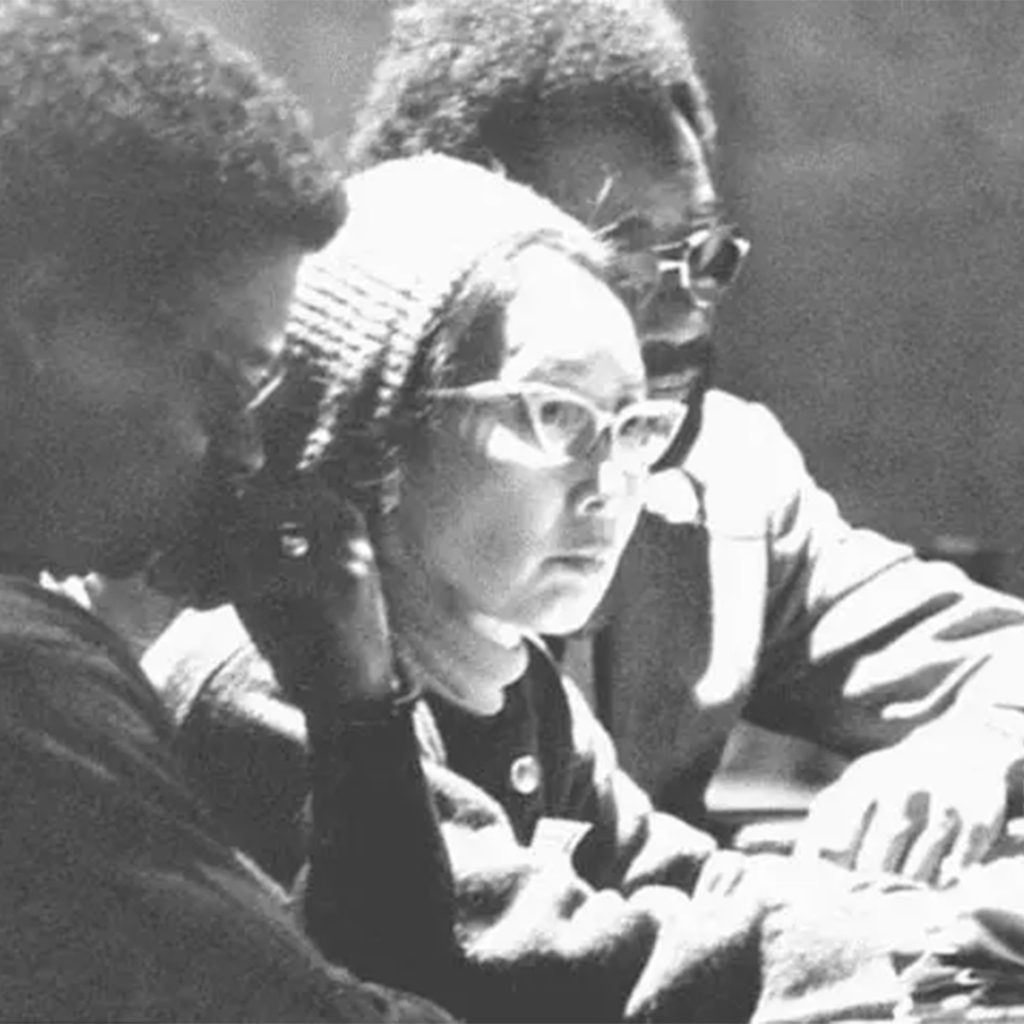
Yuri Kochiyama with Black Activists in Harlem, New York
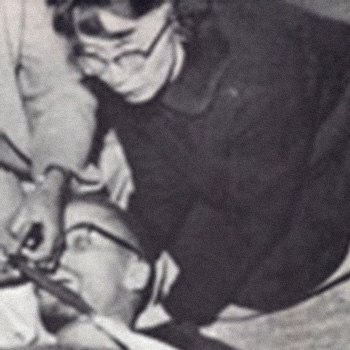
The assassination of Malcolm X, Organization of Afro-American Unity at the Audubon Ballroom in New York City, February 21, 1965
Yuri and her family were soon incarcerated at Jerome, Arkansas, one of ten concentration camps used to imprison Japanese Americans.
But even after the fences came down, she never forgot. She never sat quietly. And she never stopped asking questions.
In the 1960s, she moved to Harlem and joined the Black liberation movement. She became close friends with Malcolm X, and was with him when he was assassinated in 1965.
She cradled his head in her arms as he died.
Over the decades, she fought for political prisoners, reparations, Puerto Rican independence, Black self-determination, and an honest reckoning with America’s history of imperialism and racial violence.
Her activism was complex, intersectional, and, at times, controversial.
But it was never quiet.
They erased her father. They erased Malcolm X. But they couldn’t erase Yuri Kochiyama.
We won’t either.
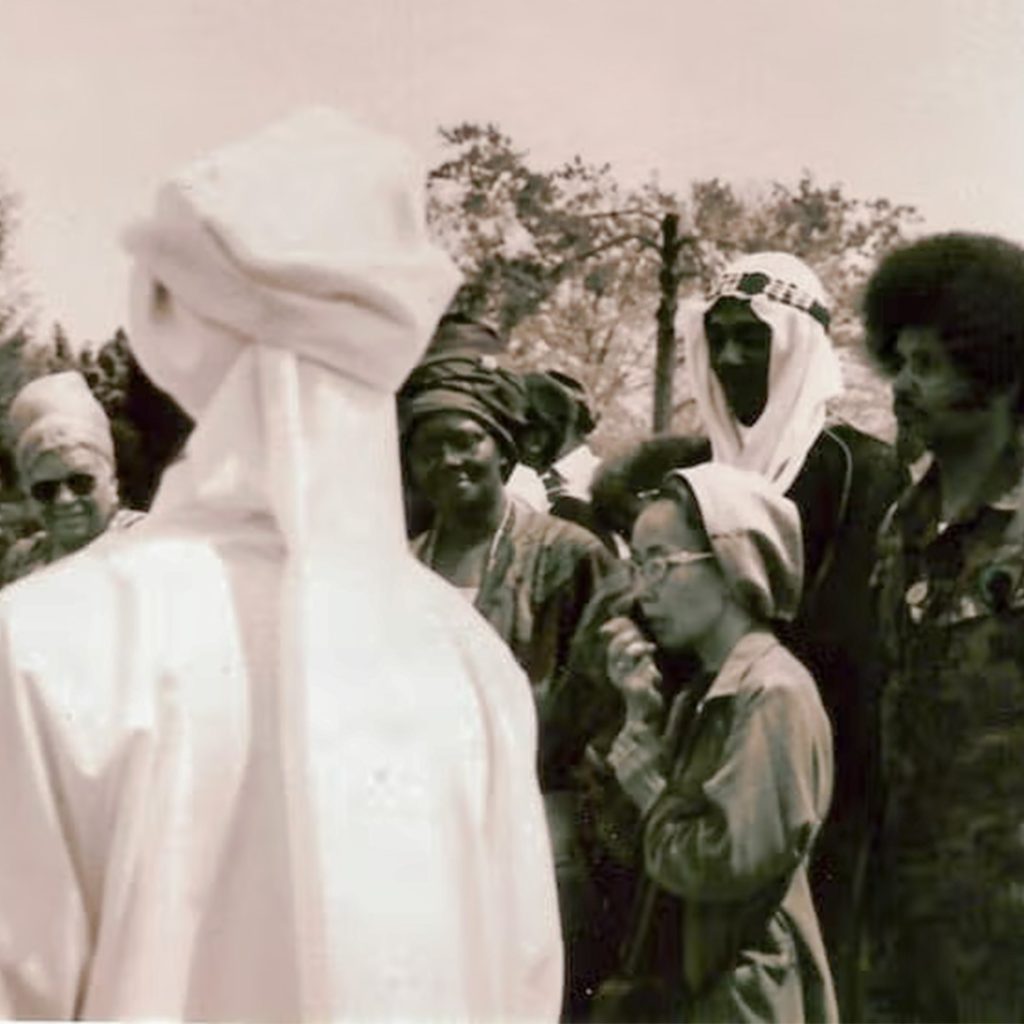
Yuri Kochiyama speaking at a Malcolm X commemoration event at his grave site in New York, credit Kochiyama Family/UCLA Asian American Studies Center
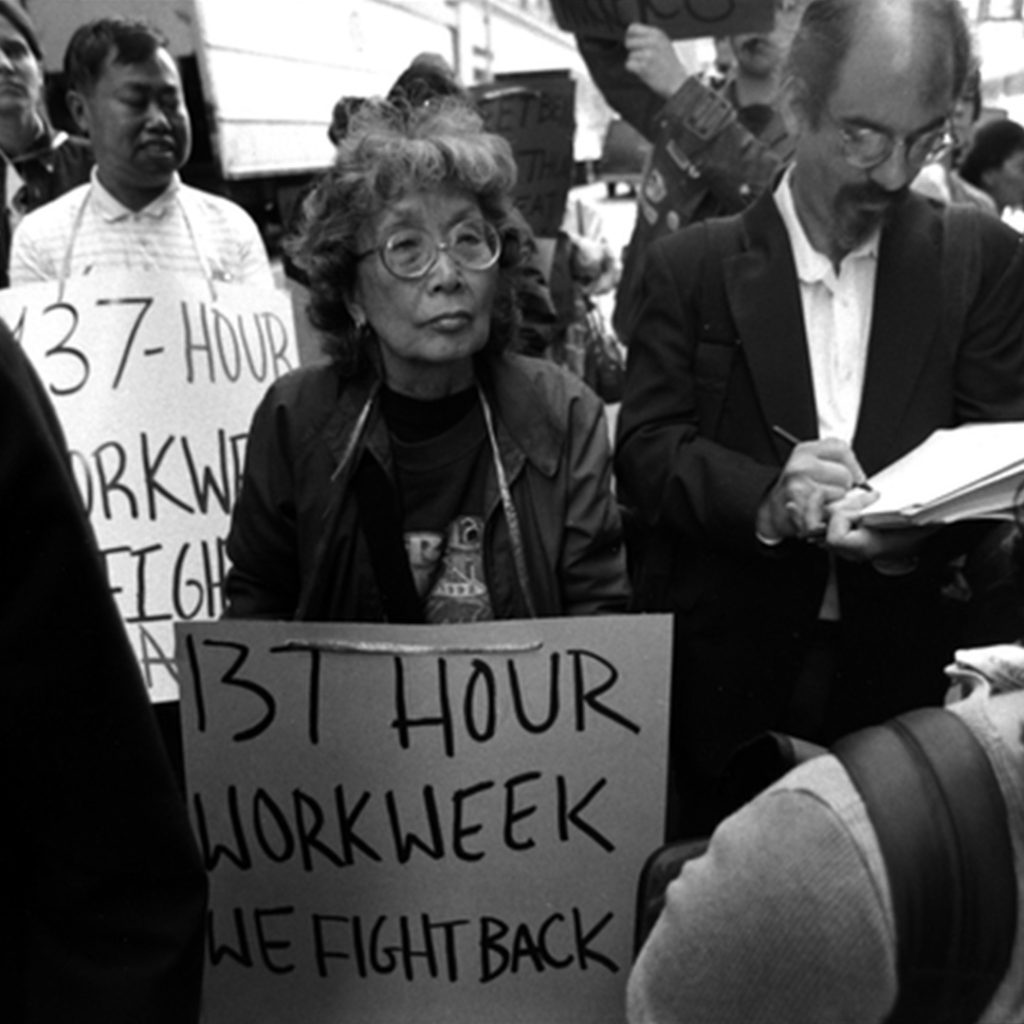
Yuri Kochiyama at a labor protest by the National Mobilization Against Sweatshops, New York, late 1990s
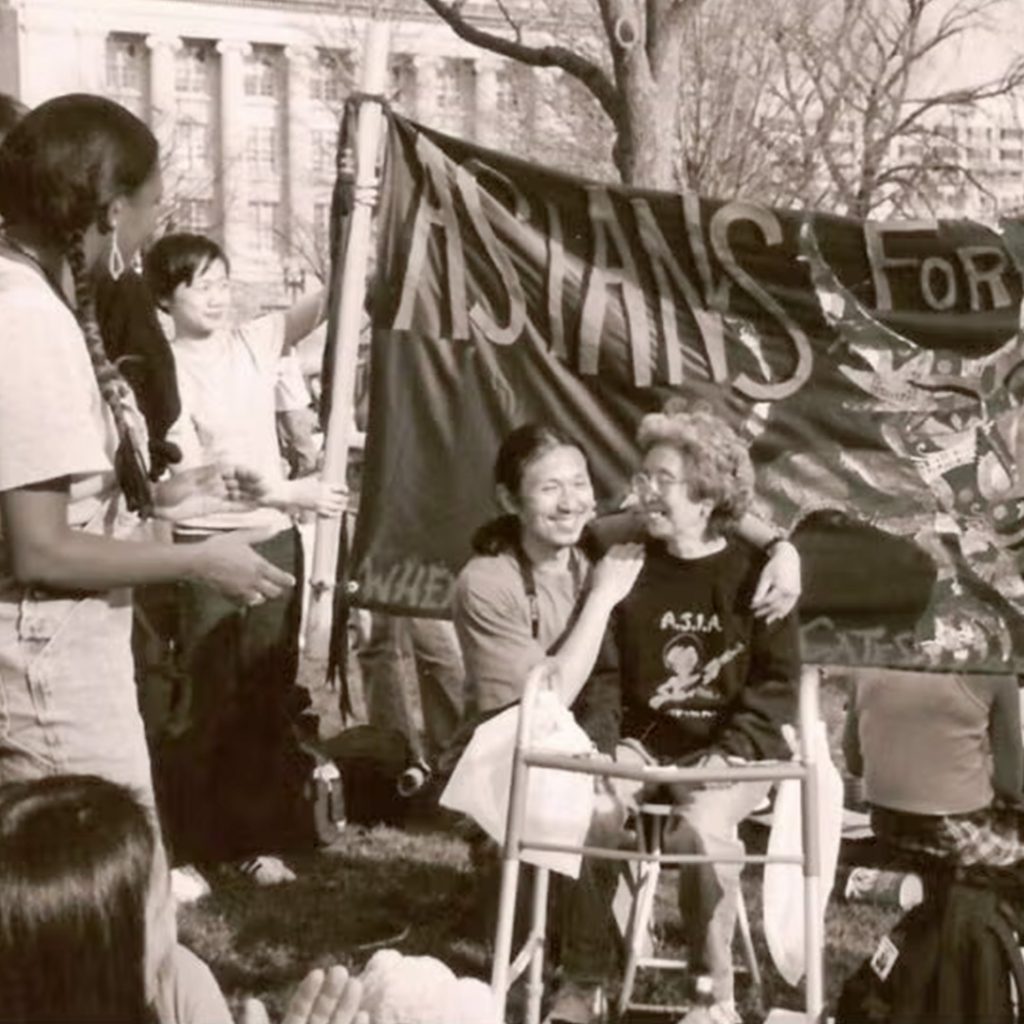
Yuri Kochiyama at the Jericho rally for political prisoners, Washington DC, March 27, 1998, credit Diane Fujino
Yuri Kochiyama was imprisoned at Jerome. Later, she became a vigilant voice in civil rights, standing with Malcolm X and political prisoners worldwide.