They were labeled traitors for refusing the draft. But these 63 Japanese American incarcerees at Heart Mountain were standing up for the Constitution.
Read More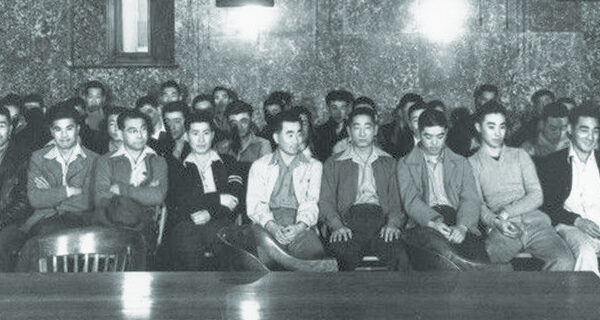
They were labeled traitors for refusing the draft. But these 63 Japanese American incarcerees at Heart Mountain were standing up for the Constitution.
Read More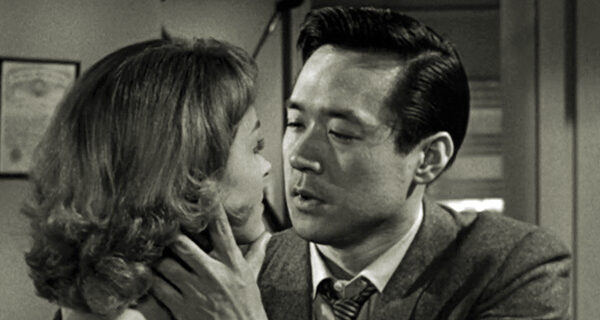
One of Hollywood’s first Asian American leading men, James Shigeta brought depth and dignity to every role — from Flower Drum Song to Die Hard. His talent helped challenge stereotypes and open doors for future generations.
Read More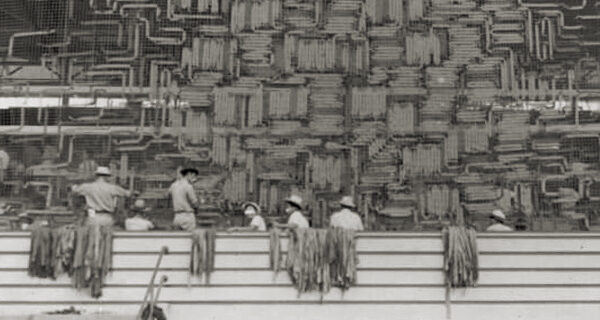
The Santa Anita Strike of 1942 was a labor protest inside a World War II detention center for Japanese Americans. The uprising revealed growing anger over poor living conditions and injustice under government control.
Read More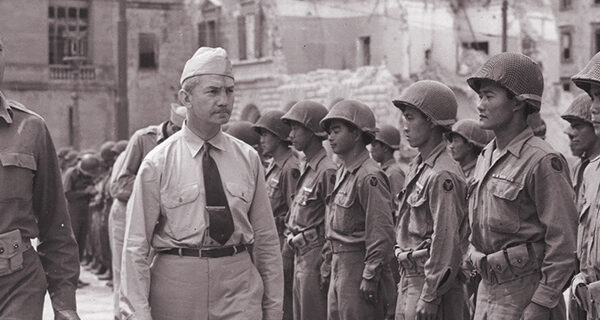
The 100th Infantry Battalion began as a segregated unit of Japanese Americans who were treated as “enemy aliens,” yet went on to become one of the most celebrated fighting forces of World War II. Their courage, discipline, and sacrifice helped change the nation’s understanding of loyalty and belonging.
Read More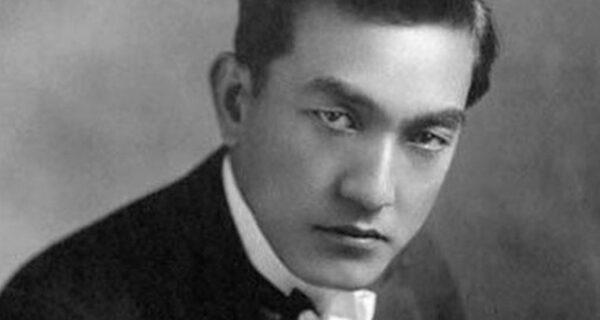
Long before Hollywood celebrated diversity, Sessue Hayakawa became one of its first international stars. A silent film icon and Oscar nominee, he broke barriers while navigating a system that never fully accepted him.
Read More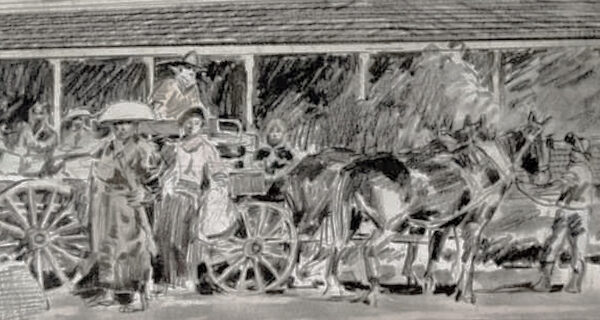
The Wakamatsu Tea and Silk Colony, founded in 1869, became the first Japanese settlement in America and home to the first U.S.-born Japanese American.
Read More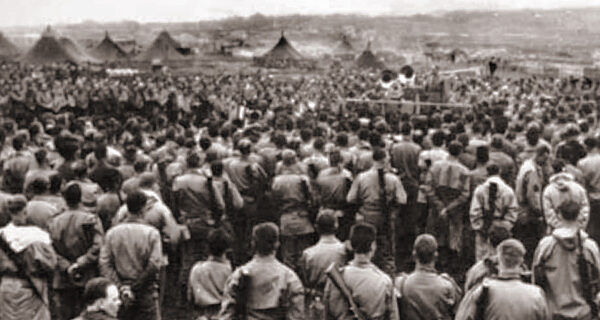
Japanese forces once occupied part of the United States during World War II. The battle to reclaim Attu became one of the deadliest of the Pacific War, yet it remains one of the least remembered chapters of the conflict.
Read More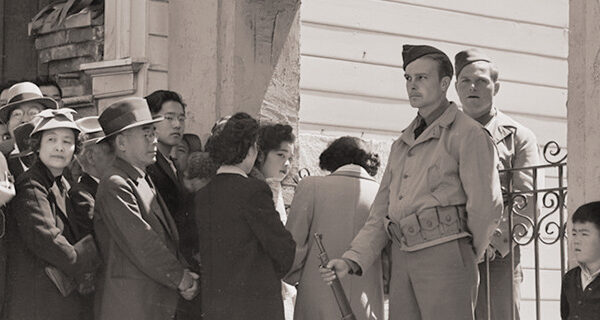
On February 19, 1942, President Franklin D. Roosevelt signed Executive Order 9066, authorizing the forced removal and incarceration of over 120,000 Japanese Americans. The order paved the way for one of the largest violations of civil liberties in U.S. history.
Read More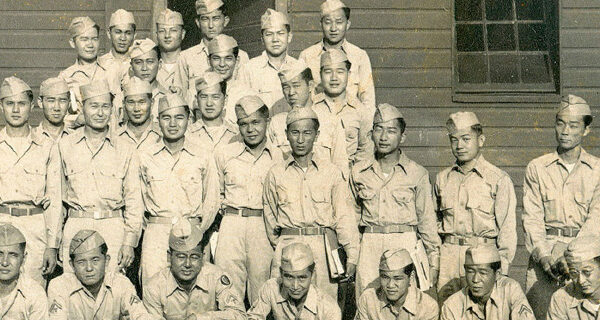
The government removed Japanese Americans from the West Coast. It also removed some of the very men who would help win the war. On June 1, 1942, the Military Intelligence Service Language School relocated from San Francisco to Camp Savage, Minnesota.
Read More