They called it the Chinese Exclusion Act. In 1882, the United States banned Chinese laborers from entering the country and denied them citizenship, making racial exclusion a matter of federal law.
Read More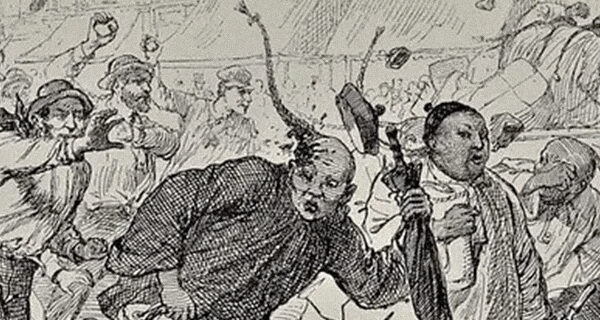
They called it the Chinese Exclusion Act. In 1882, the United States banned Chinese laborers from entering the country and denied them citizenship, making racial exclusion a matter of federal law.
Read More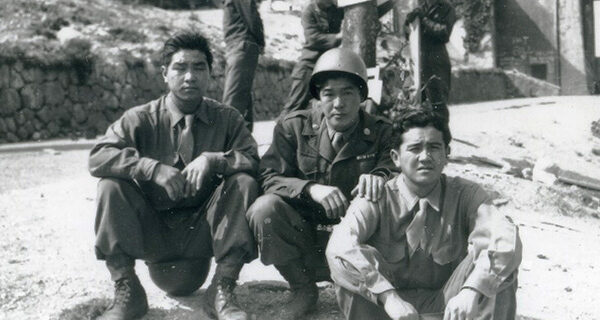
Japanese American soldiers helped halt the Dachau Death March in 1945, liberating prisoners in Nazi Germany while their own families were imprisoned in the United States.
Read More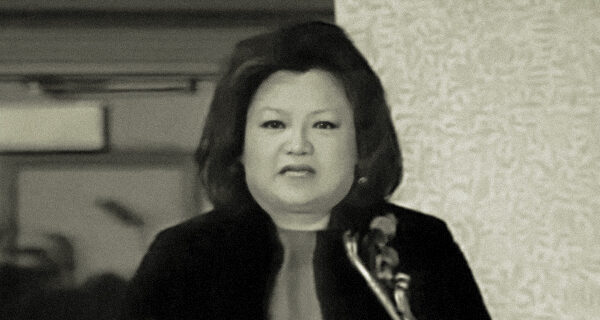
Who started AAPI Heritage Month? The answer traces back to Jeanie Jew, a Capitol Hill staffer who refused to let Asian Americans remain invisible. In 1977, her advocacy sparked the first Asian Pacific American Heritage Week, the foundation of today’s AAPI Heritage Month.
Read More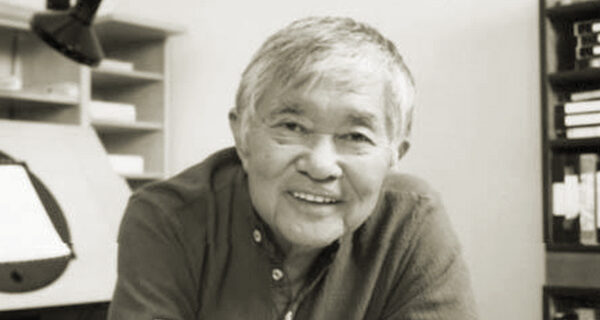
Iwao Takamoto, the animator behind Scooby-Doo, was incarcerated at Manzanar as a teenager during World War II. His story connects one of America’s most beloved cartoons to the history of Japanese American incarceration.
Read More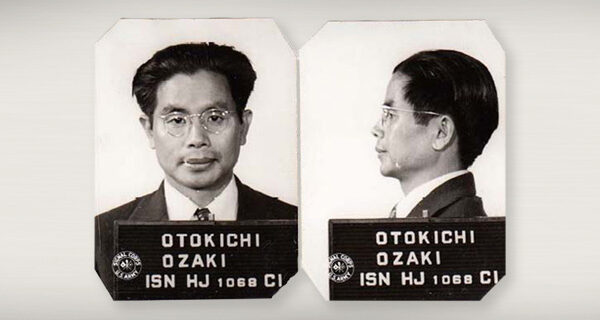
In 1917, Otokichi Ozaki arrived in Hawaii as a teacher, eager to build a new life. But after Pearl Harbor, he was arrested by the FBI as a suspected spy, without evidence. He was separated from his family and imprisoned in eight different camps before finally reuniting with them years later.
Read More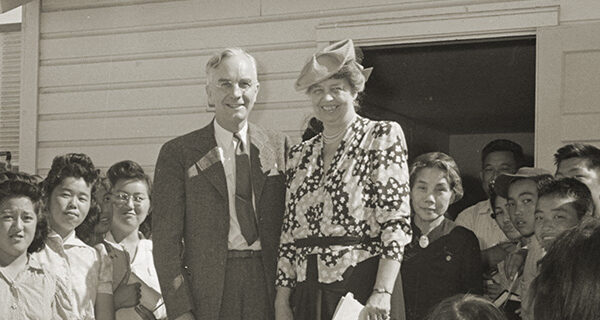
It was unusual for a white woman to visit the incarceration camp. Particularly since it was her husband who put them there.
Read More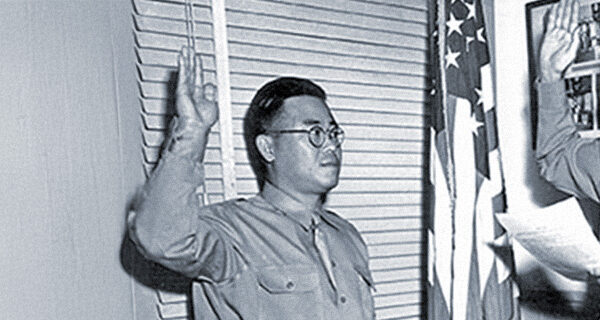
Months before Pearl Harbor, Arthur S. Komori was sent to the Philippines as an undercover Army intelligence officer. When war began, he was arrested by his own allies, then reinstated to serve in the Military Intelligence Service.
Read More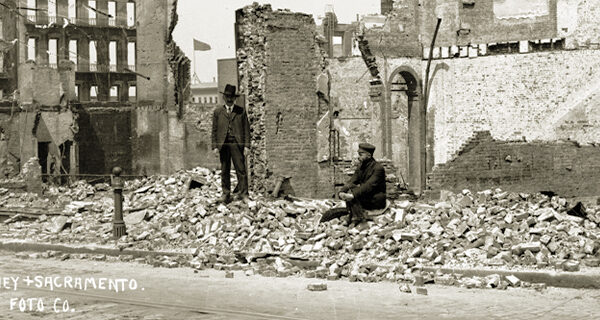
After the 1906 San Francisco earthquake, city officials used the crisis to push Japanese Americans out of valuable neighborhoods, reshaping the city’s geography through policy as much as destruction.
Read More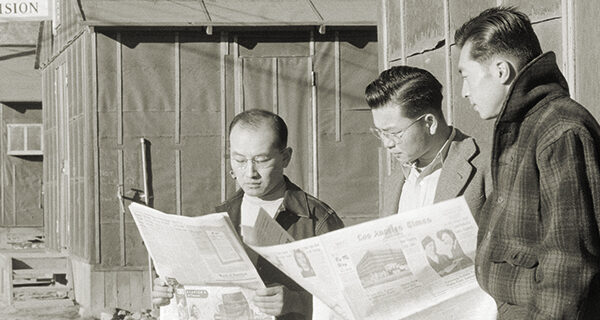
It was called the “Free” Press, even though none of them were. On April 11, 1942, incarcerated Japanese Americans at Manzanar published the first issue of a newspaper that kept the community informed, connected, and quietly resistant behind barbed wire.
Read More