James C. Purcell found the perfect plaintiff in Mitsuye Endo. Their landmark Supreme Court case helped end the incarceration of loyal Japanese Americans.
Read More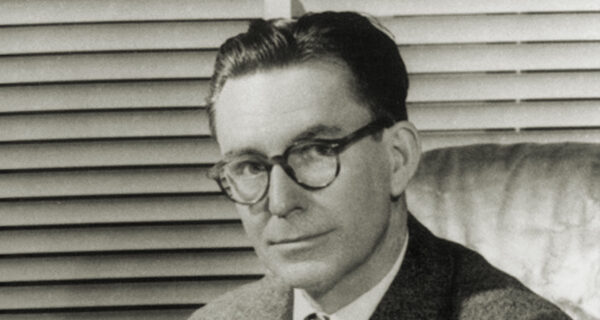
James C. Purcell found the perfect plaintiff in Mitsuye Endo. Their landmark Supreme Court case helped end the incarceration of loyal Japanese Americans.
Read More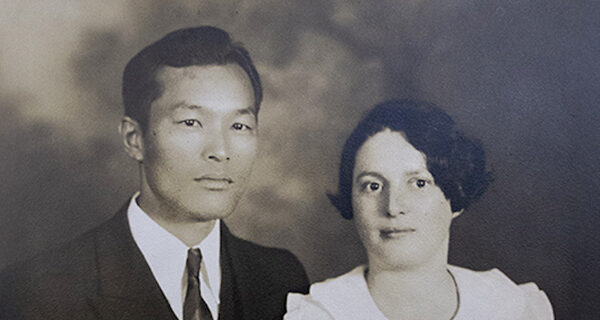
Why would a Jewish American woman voluntarily enter an American concentration camp? The true story of the Yoneda family reveals why.
Read More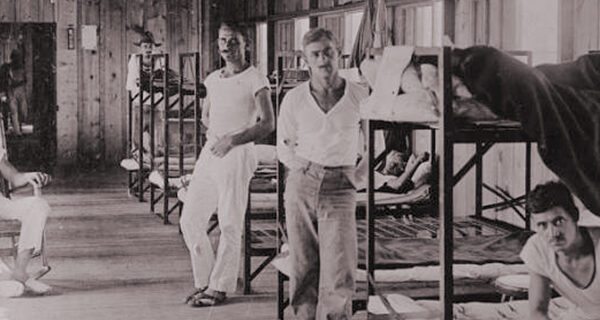
The Alien Enemies Act of 1798 gave U.S. presidents the power to detain or deport foreign nationals during wartime. The law still exists and has been used repeatedly for more than 200 years.
Read More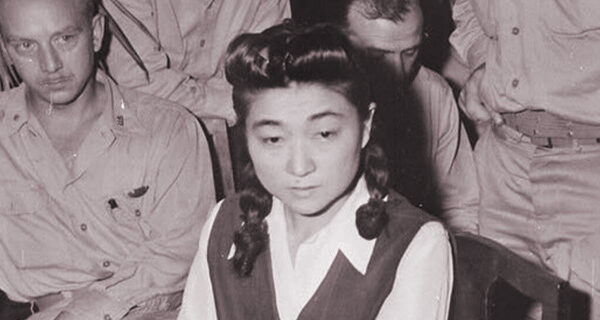
Branded a traitor for words spoken over the radio, “Tokyo Rose” became one of World War II’s most controversial figures. Decades later, history would reveal a more complex story of identity, propaganda, and injustice.
Read More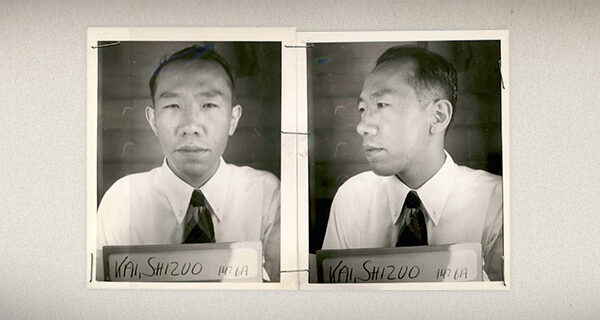
On July 1, 1944, the first group of Japanese American “No-No Boys” were transferred from Tule Lake to federal prison for refusing the draft while their families remained incarcerated. Labeled “enemy aliens” and deemed “disloyal” for answering no to the loyalty questionnaire, these young men chose protest over compliance, and paid for it with years behind bars.
Read More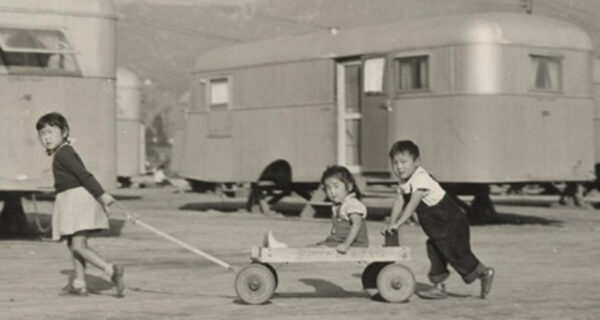
The incarceration of Japanese Americans officially ended on June 30, 1946. Many returned to vandalized homes, prejudice, and an uncertain future.
Read More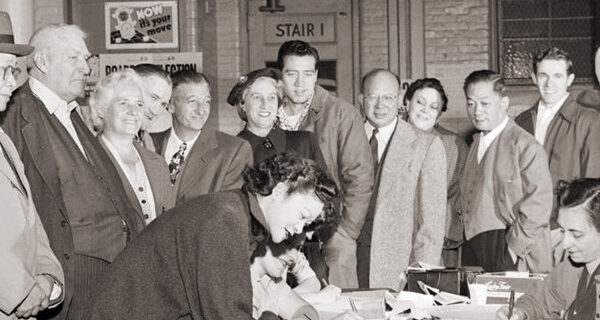
The McCarran-Walter Act of 1952 ended racial barriers to Asian naturalization, allowing Japanese and other Asian immigrants to become U.S. citizens. But the same law also granted broad presidential authority over immigration, powers later cited by the Supreme Court in Trump v. Hawaii (2018).
Read More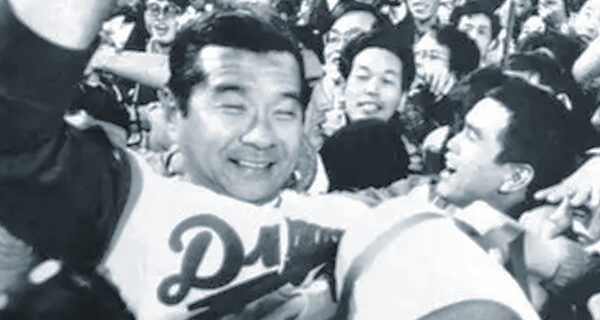
Wally Kaname Yonamine broke barriers in two countries, first as a Japanese American football player in the U.S., then as the first American to play professional baseball in Japan. His speed, skill, and sportsmanship changed the game forever.
Read More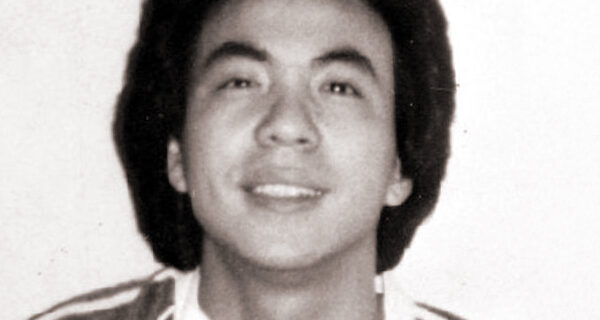
In 1982, Vincent Chin was beaten to death in Detroit by two white men who blamed Japan for the decline of the auto industry. Their light sentences sparked a national Asian American civil rights movement that continues to shape the fight for justice today.
Read More