A boy from Nakanohama went fishing, only to return eleven years later as a well-travelled American.
May 7, 1843: A teenager named John Manjirō Nakahama became the first known Japanese immigrant to arrive in the United States, by pure accident.
Manjirō was born in Nakanohama, a small fishing village in what is now Tosashimizu City, Kōchi Prefecture. In 1841, at just 14 years old, he joined four other fishermen on what should have been an ordinary voyage in search of bonito.
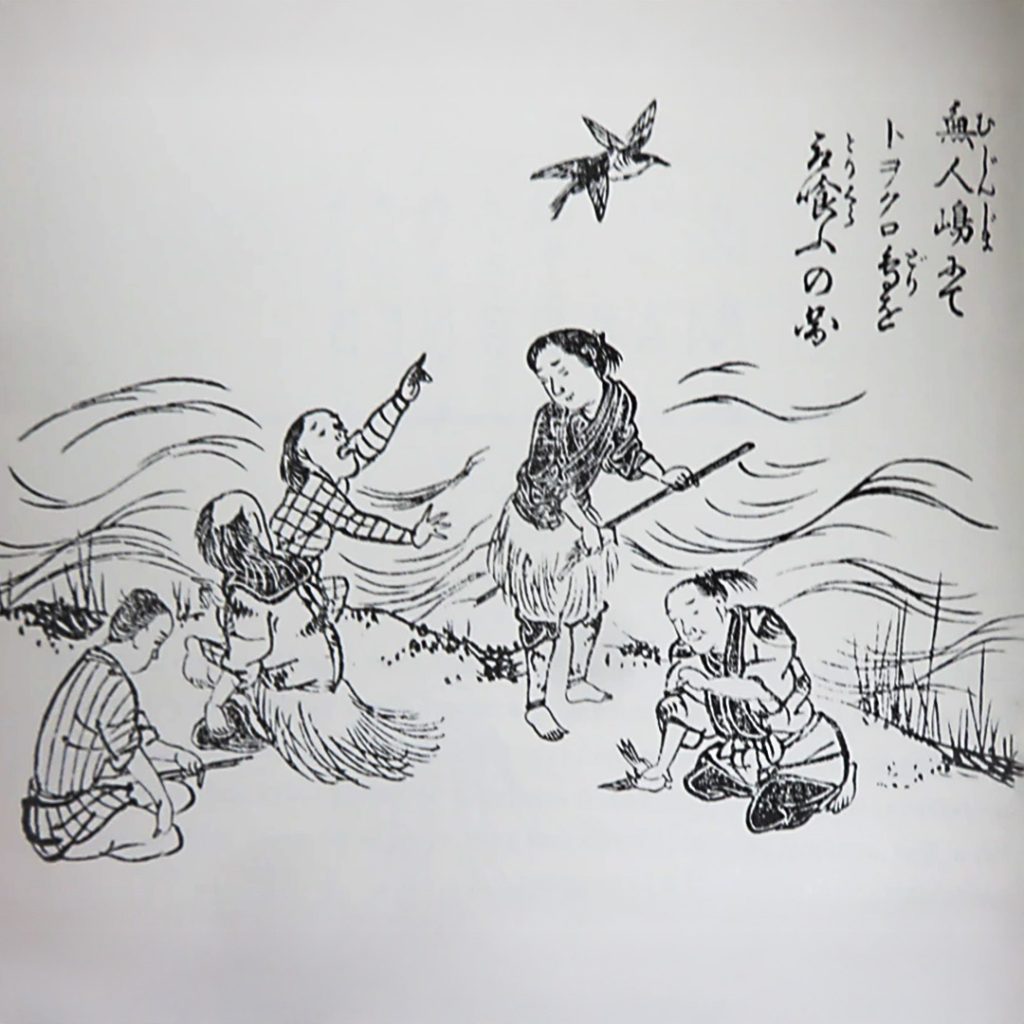
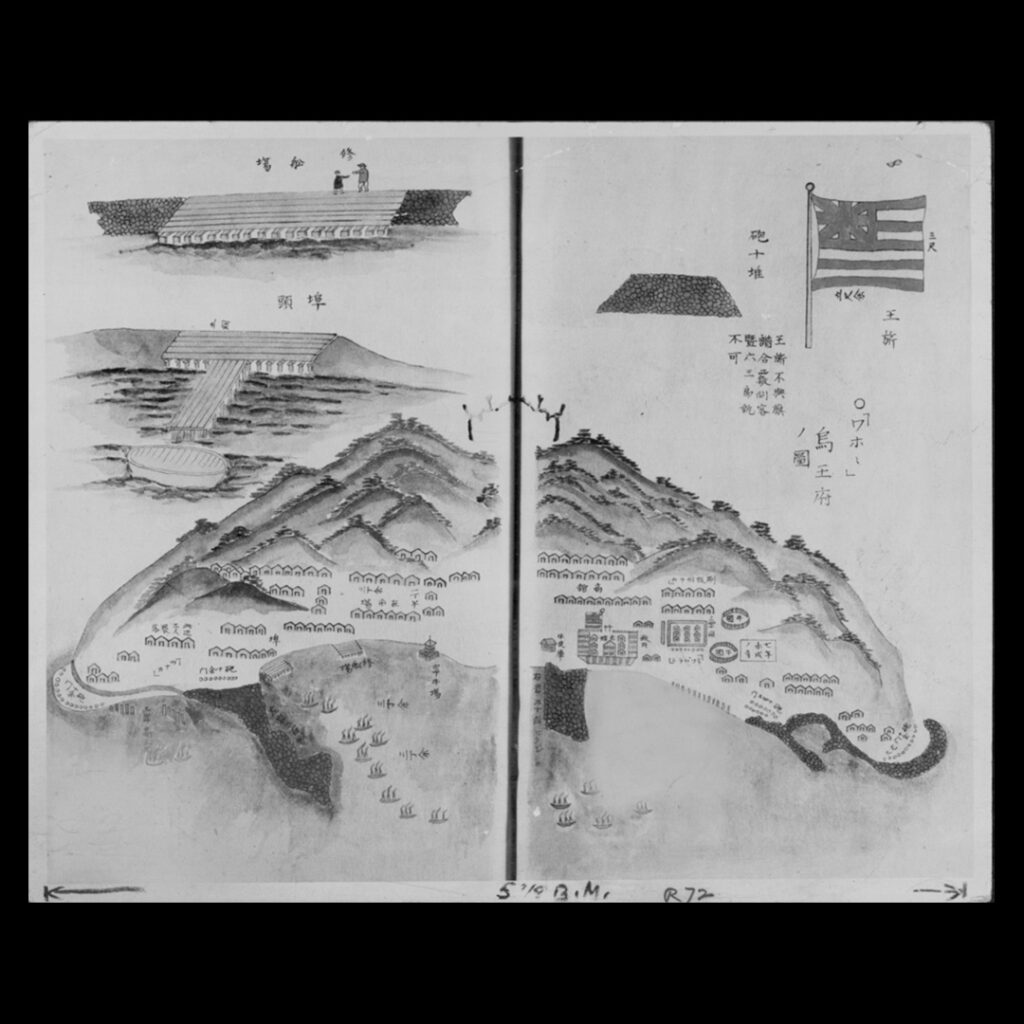
A violent storm destroyed their boat and swept them onto a remote, uninhabited island nearly 300 miles from home.
For five months, the castaways survived on rainwater, shellfish, and whatever they could scavenge — expecting to die unseen. Instead, they were spotted by an American whaling ship, the JohnHowland, captained by William H. Whitfield.
Whitfield made an extraordinary decision. He rescued the five men and brought them to Hawai‘i.
Unknown artist’s depiction of the young fishermen stranded on Torishima (Bird Island), where they waited months for rescue.
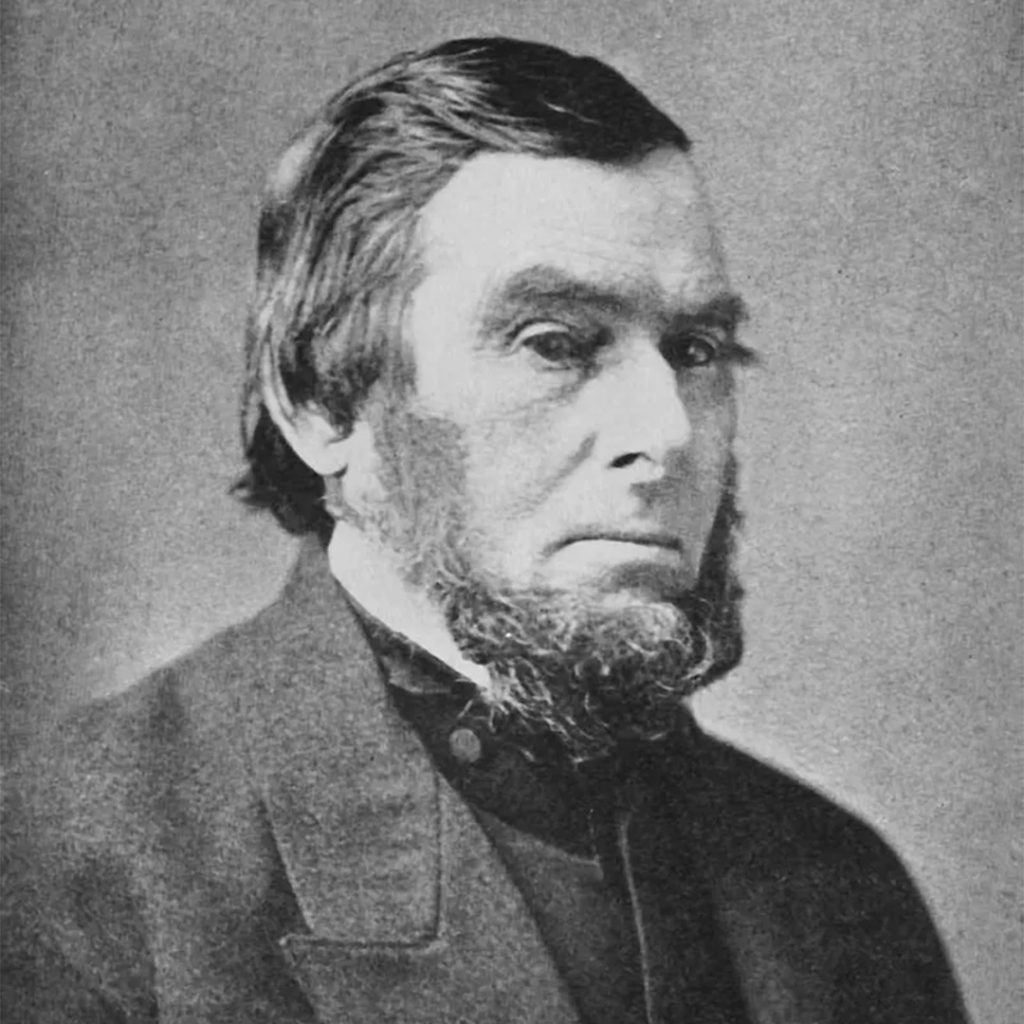
Captain William Whitfield, the American whaler who rescued John Manjirō Nakahama in 1841. More than a rescuer, he became a guiding, father-like presence in Manjirō’s life.
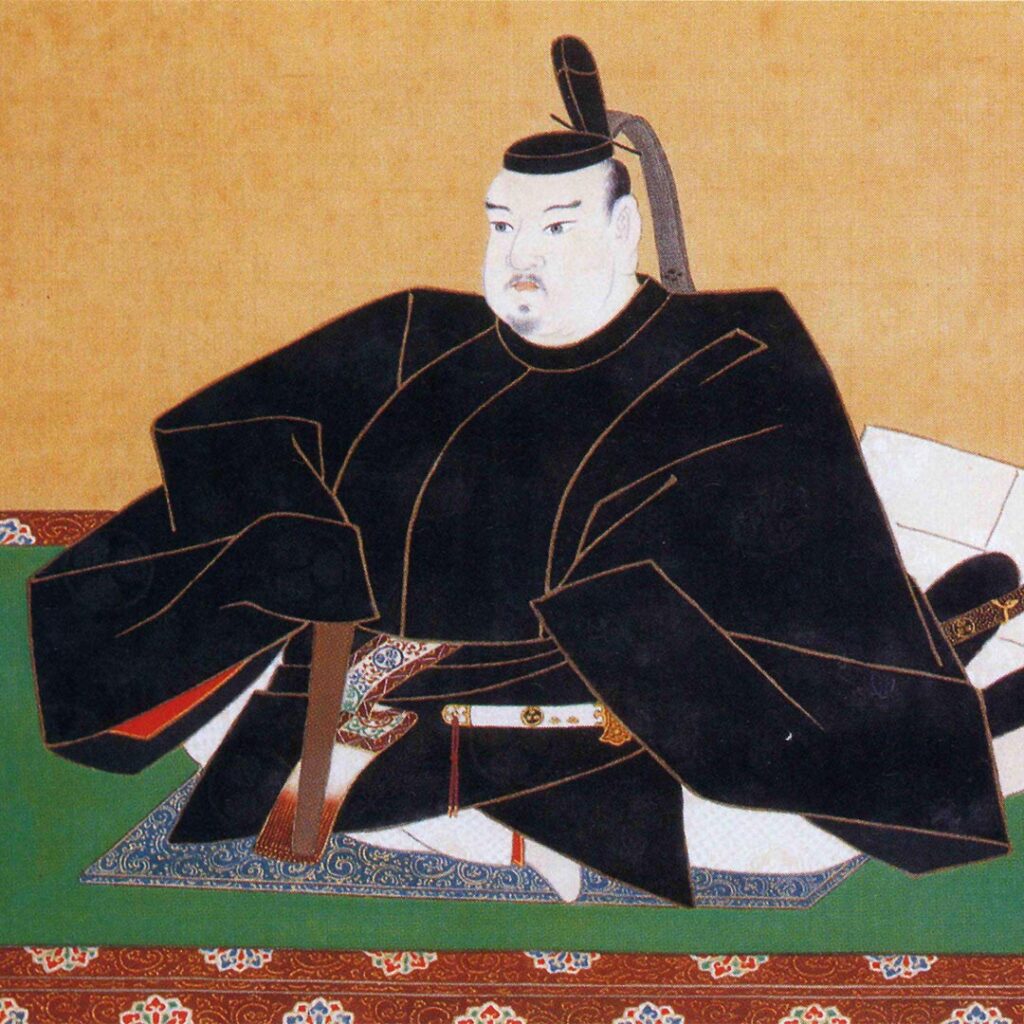
Tokugawa Iemitsu, the shōgun who formalized sakoku — Japan’s policy of isolation that made leaving the country illegal, and returning potentially punishable by death.
Courtesy of American Antiquarian Society
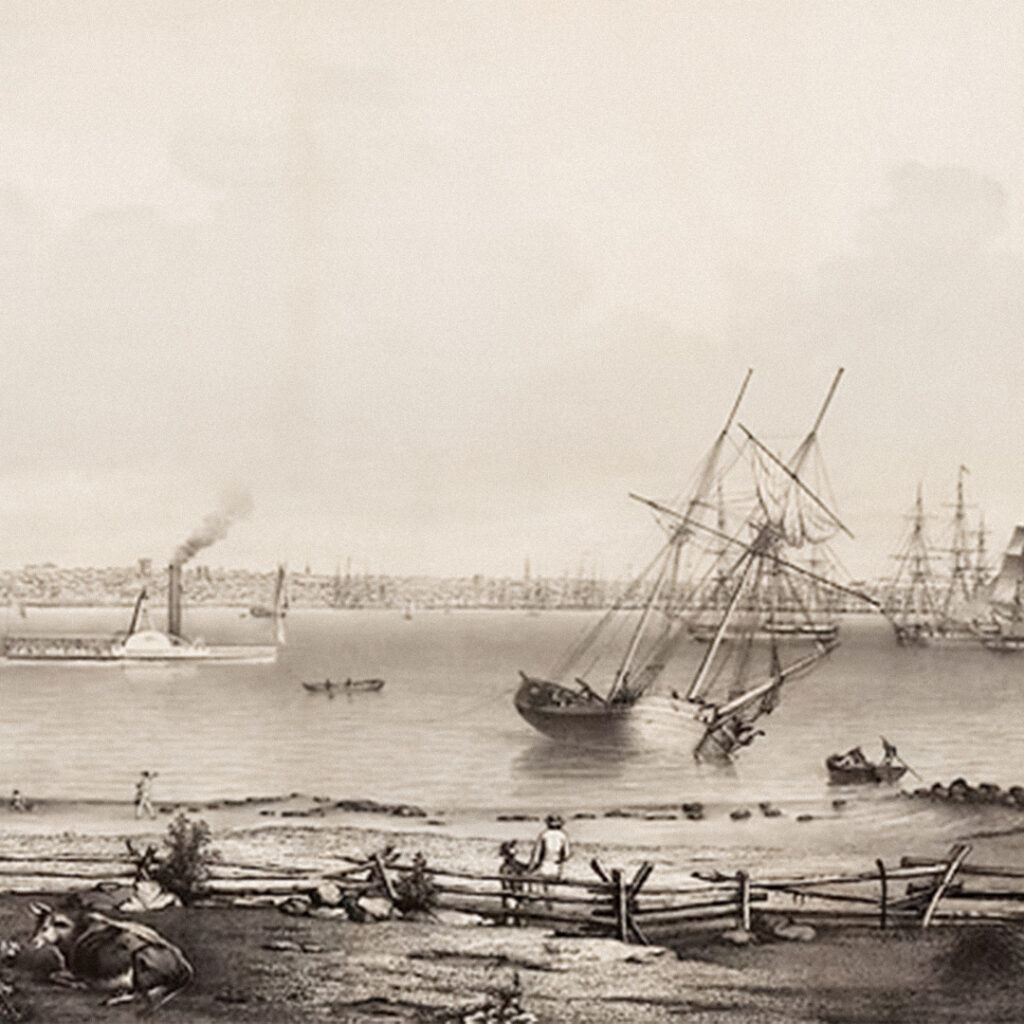
New Bedford from the Fort near Fairhaven, by A. Conant, 1845. A global whaling hub, and the place where a castaway from Japan quietly became part of America’s story.
A Choice That Changed History
In Hawai‘i, Manjirō made a choice that would alter history.
While the other four fishermen remained behind, Manjirō volunteered to continue on with Whitfield — not simply to safety, but across the Pacific, into a world that Japan’s laws forbade him from knowing.
Under sakoku, Japan’s isolationist policy, leaving the country — or returning after contact with foreigners — was punishable by imprisonment or death.
Manjirō went anyway.
He arrived in Fairhaven, Massachusetts, becoming the first known Japanese person to set foot on American soil.
America
Whitfield introduced Manjirō to a trusted neighbor in Fairhaven, Massachusetts, who took the teenager in. There, Manjirō learned English and absorbed American customs. He attended the Oxford School in Fairhaven, where he studied navigation, mathematics, shipbuilding, and seamanship.
It was here that Manjirō began using the name “John”, a practical adaptation rather than a legal transformation — a name that would follow him across oceans.
With Whitfield’s support, he signed onto the whaling ship Franklin. Over the next several years, Manjirō worked the South Seas, mastering Western navigation and maritime technology.
In October 1847, the Franklin reached Honolulu, where Manjirō reunited with the four fishermen he had left behind years earlier.
Courtesy of Fairhaven Massachusetts Office
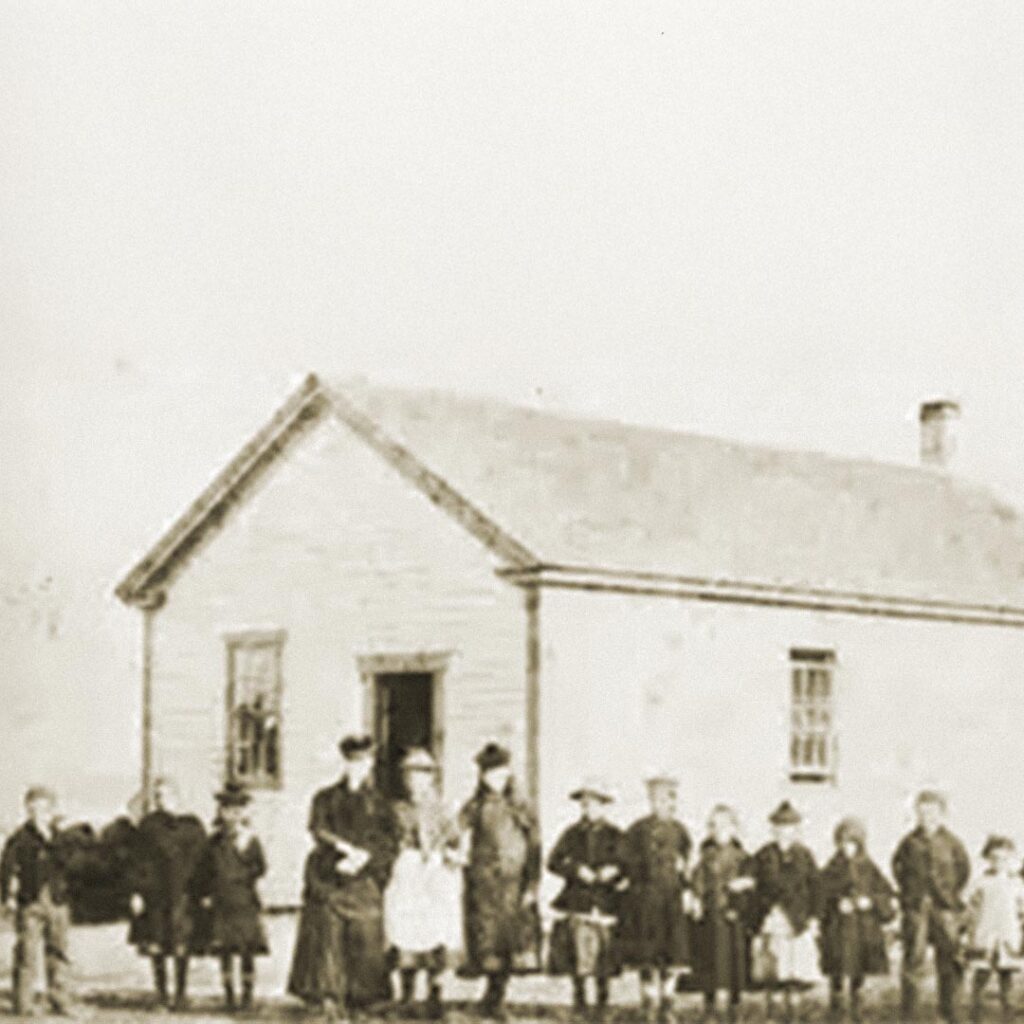
Sconticut Neck School, where Manjirō studied. Though most of his classmates accepted him, some parents objected to a foreigner sitting beside their children.
Courtesy of the Rosenbach Museum & Library
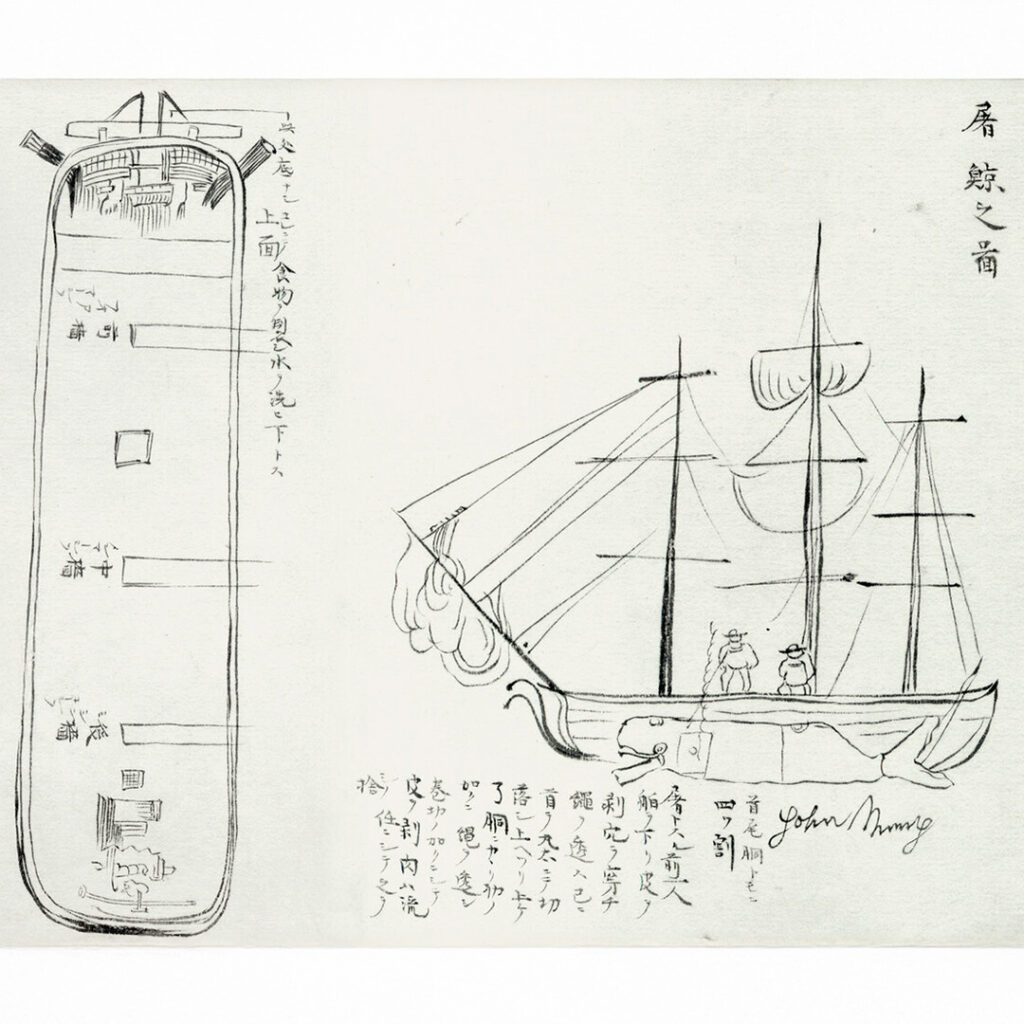
Whaling ship sketches drawn by John Manjirō Nakahama. These drawings depict the John Howland, the American whaling ship that rescued him after a shipwreck.
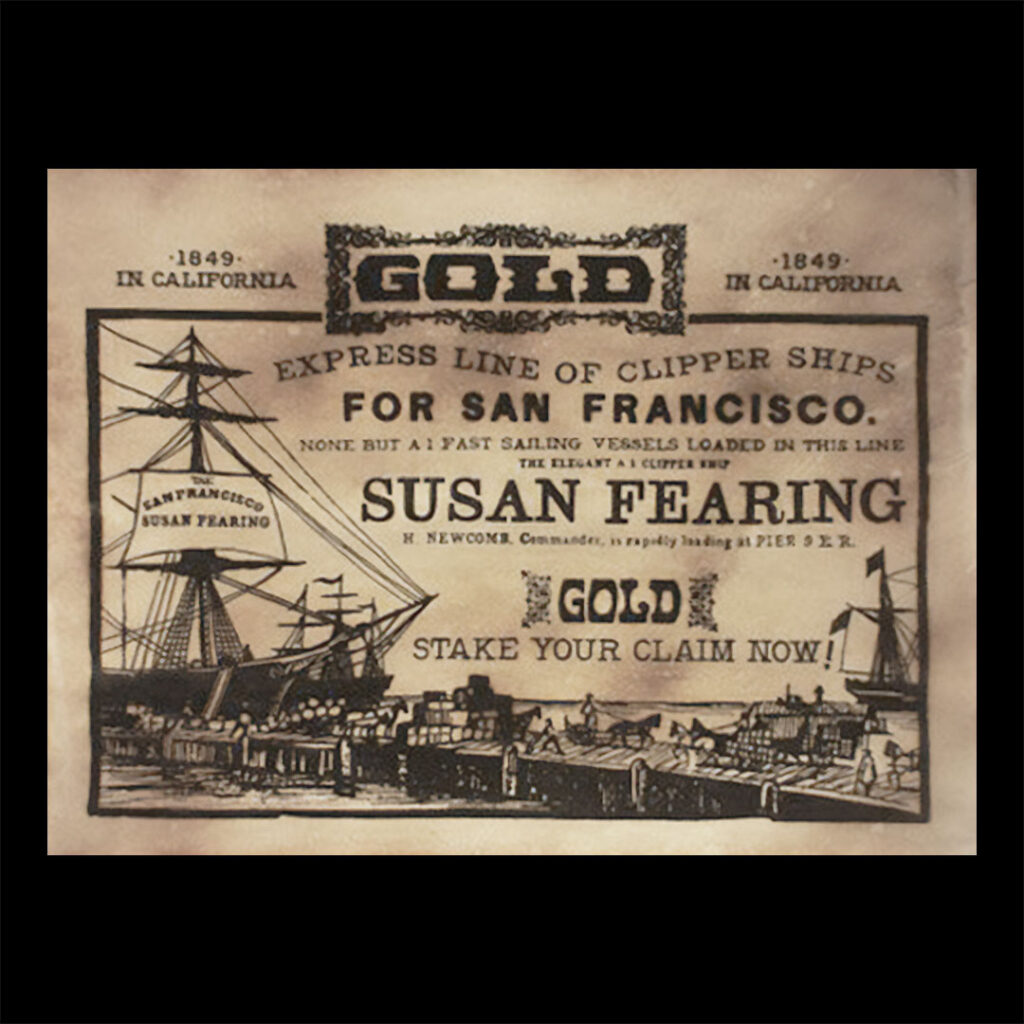
Gold Rush poster, c. 1849. Manjirō arrived in California at the height of the Gold Rush. The gold he earned there would fund his risky return to a Japan.
Courtesy of Library of Congress
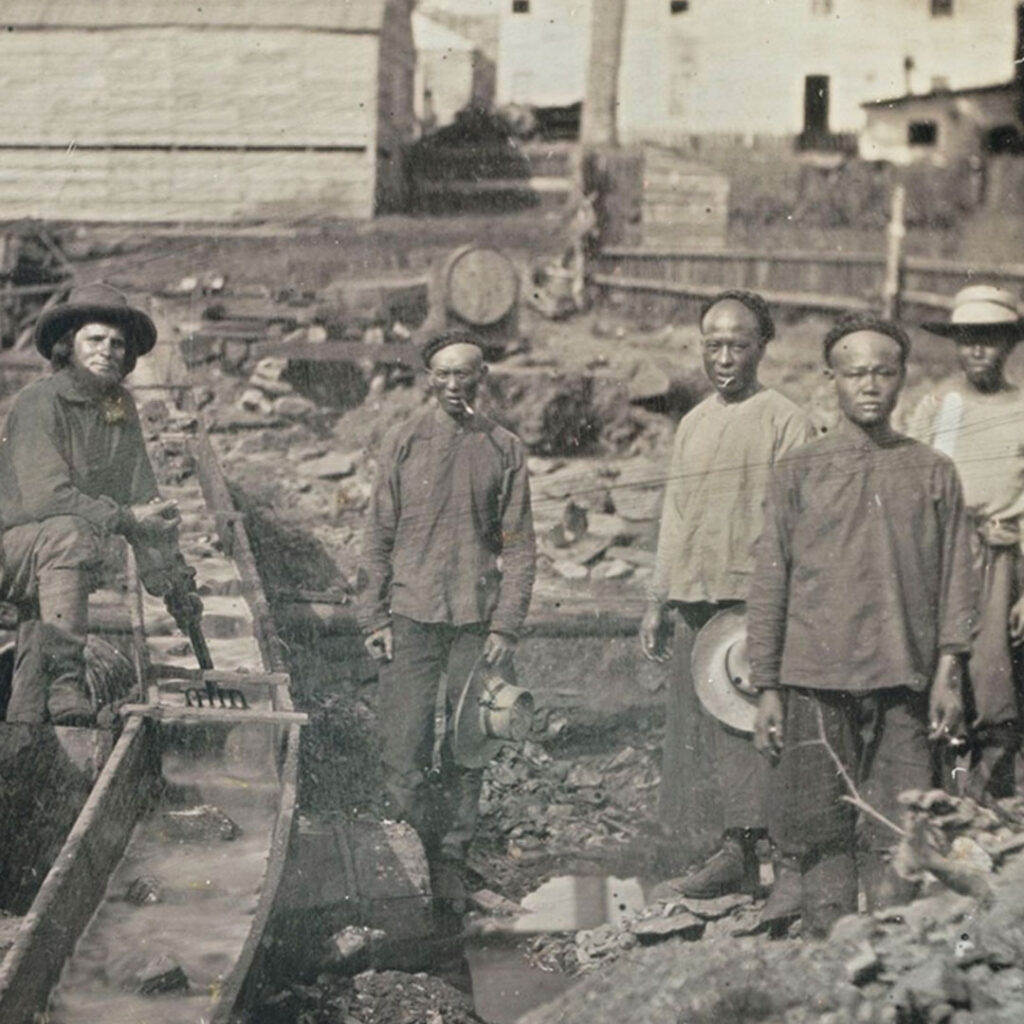
Gold Rush miners, c. 1850s. Drawn by opportunity and survival alike, men from around the world converged on California, reshaping lives and fortunes for many.
The Gold Rush
When the Franklin returned to New Bedford in September 1849, Manjirō was no longer a boy.
He had been promoted to boatsteerer (harpooner) — a position of skill and responsibility — and had earned enough money to live independently.
Rather than settle, he chose movement again.
Manjirō joined the California Gold Rush, arriving in San Francisco in May 1850, then traveling up the Sacramento River into the Sierra foothills. Within months, he earned enough gold to finance something almost unthinkable:
A return to Japan.
Returning Home
Manjirō knew the risks. Under sakoku, returning after foreign contact could mean lifelong imprisonment — or worse. Still, he went.
After regrouping in Honolulu, Manjirō found two of his former fishing companions willing to return with him. They purchased a small whaleboat, Adventure, and departed on December 17, 1850, carrying gifts from Honolulu’s residents. They reached Okinawa on February 2, 1851.
Japanese authorities immediately detained them. Yet something was different. Manjirō was not treated as a criminal, but as a curiosity — even a resource.
After months of questioning, the men were released in Nagasaki and eventually permitted to return to Tosa Domain, where Lord Yamauchi granted them pensions. Manjirō was appointed a minor official, valued for his firsthand knowledge of the outside world.
Honolulu, sketched by John Manjirō Nakahama, c1850s. At a time when Japan was closed to the outside world, Manjirō carefully documented what he saw.
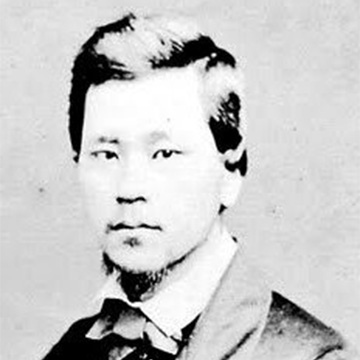
John Manjirō Nakahama, photographed as a young man after returning from the United States
Courtesy of National Diet Library 8797961
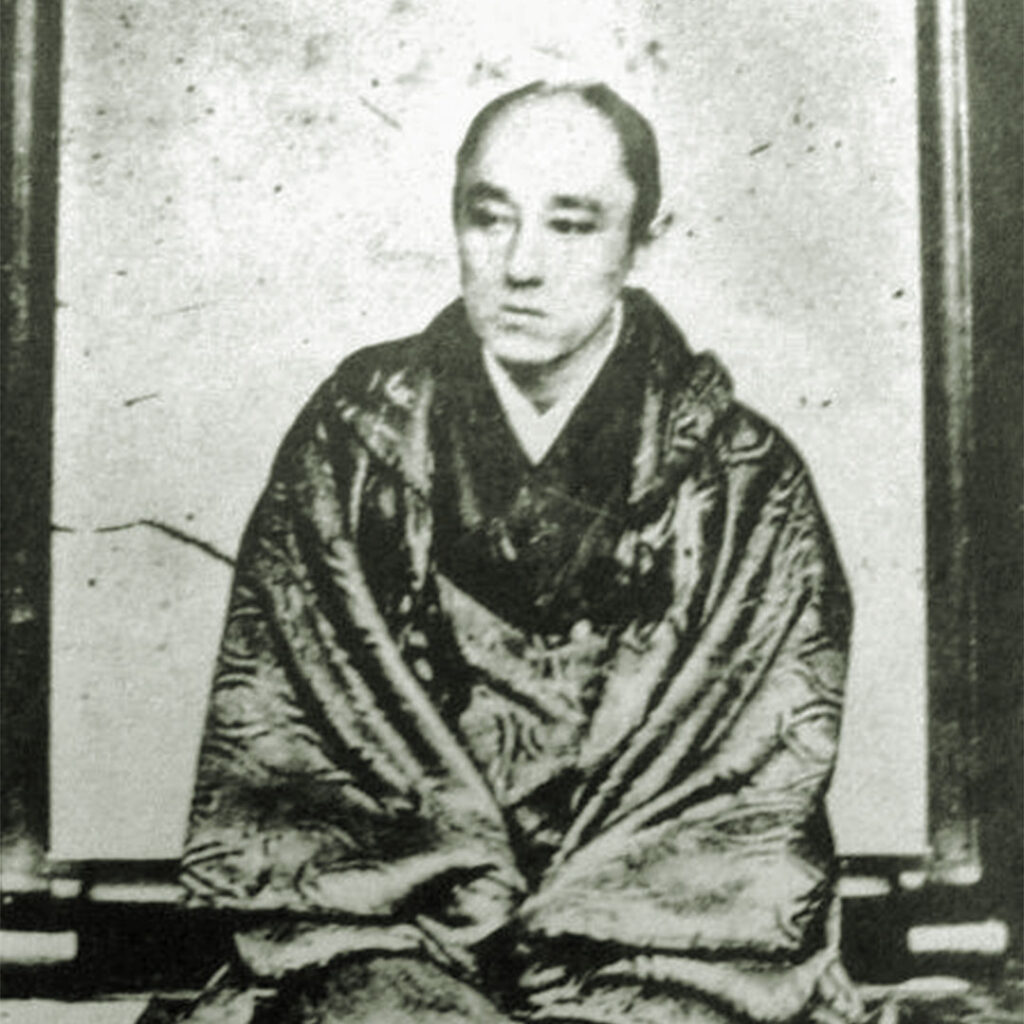
Yamauchi Toyoshige, 15th lord of the Tosa Domain. After months of interrogation, he permitted Manjirō’s return home and later granted him a stipend.
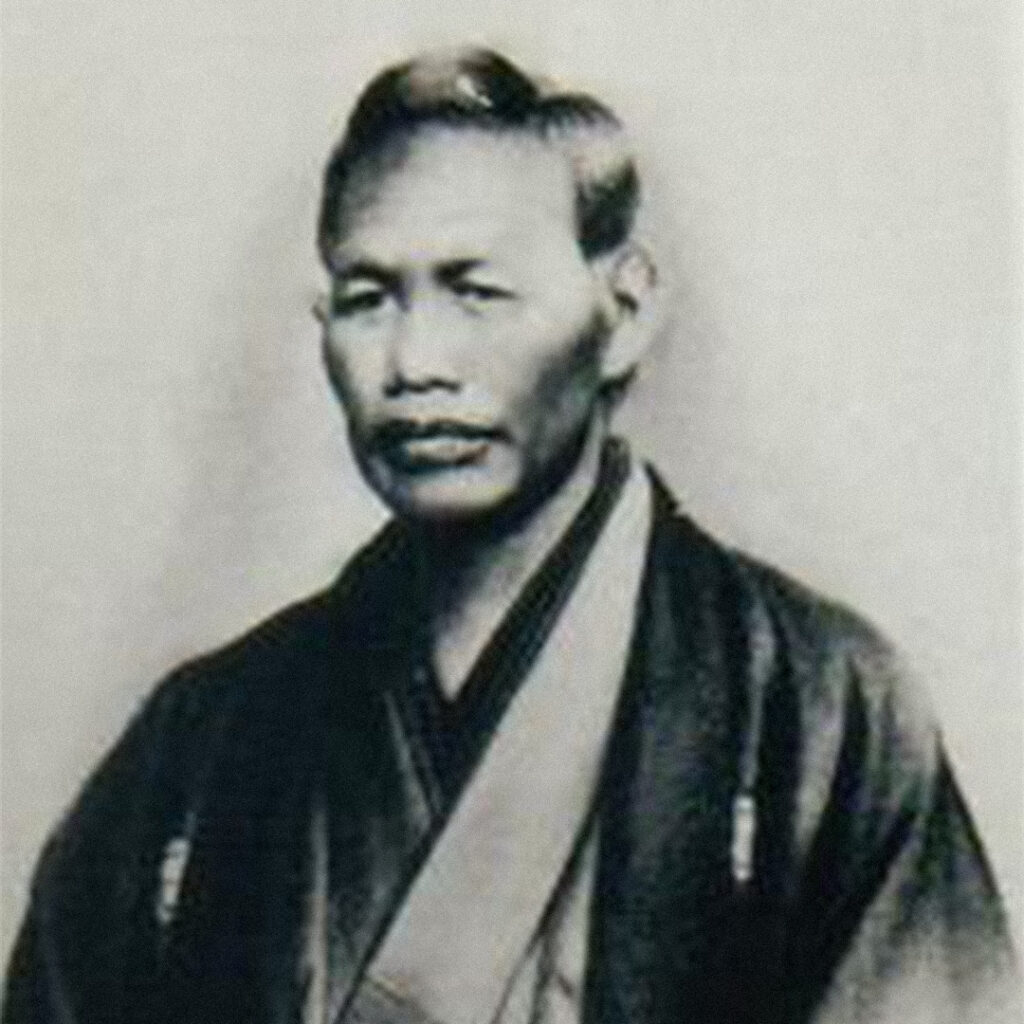
John Manjirō Nakahama as a samurai, after being granted status by the Tokugawa shogunate.
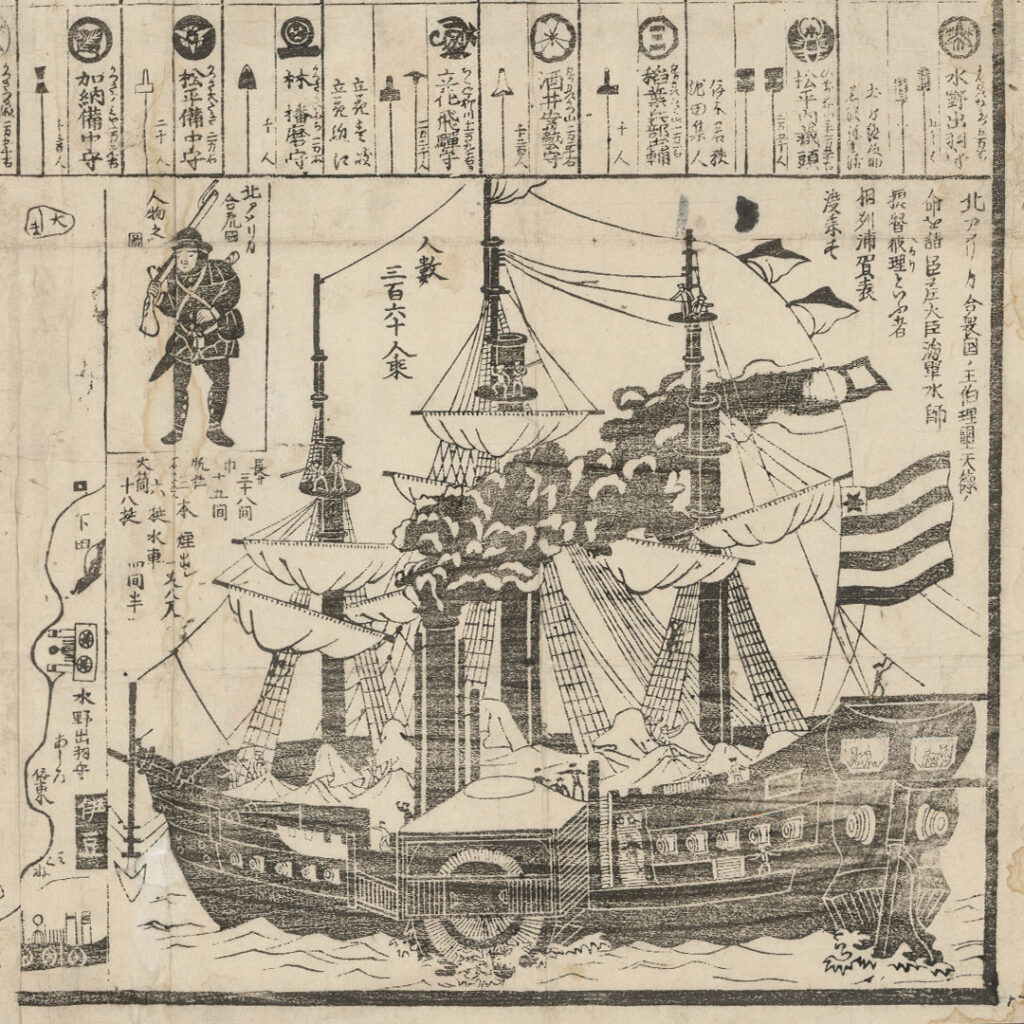
Kawaraban c1853, depicting Matthew Perry’s first arrival in Edo Bay. The Black Ships appeared without warning, ending Japan’s long isolation, forcing a sudden change.
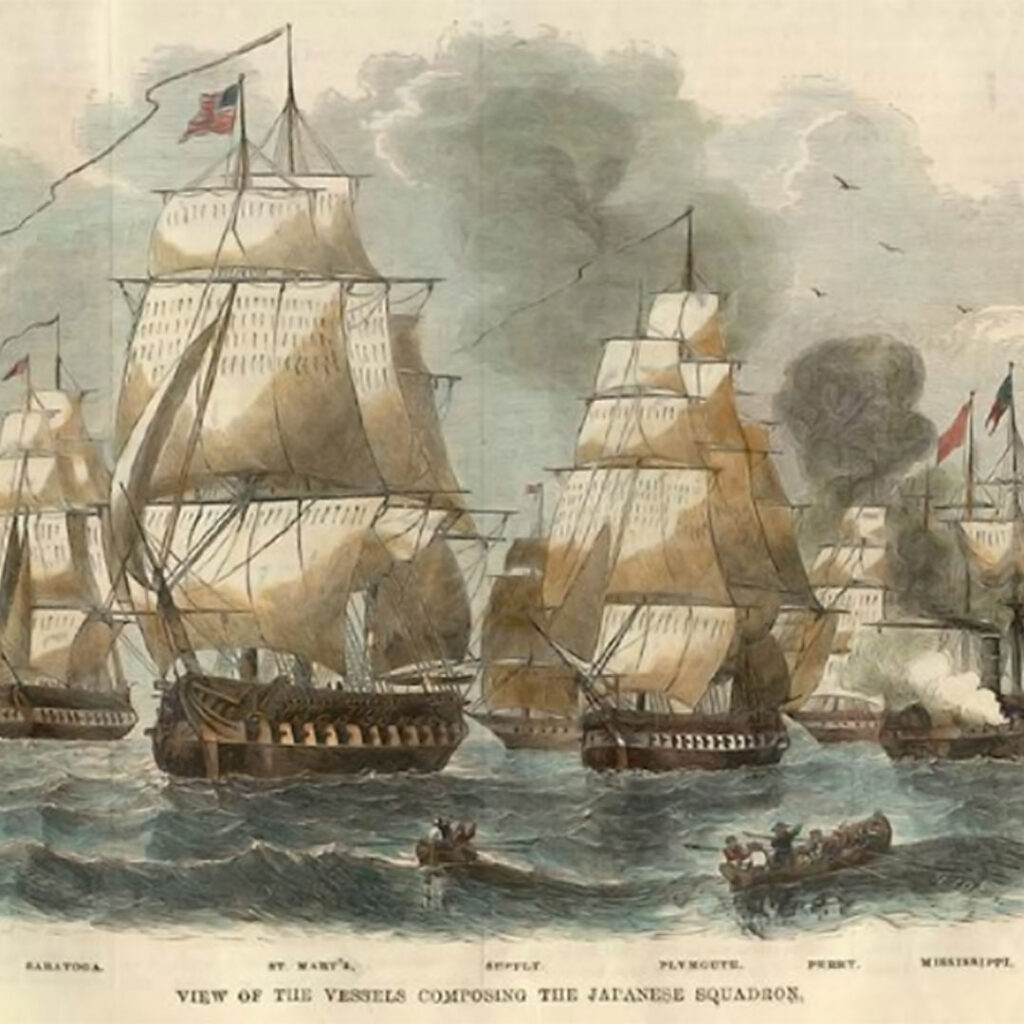
Matthew Perry’s second fleet to Japan, 1854. The return of the Black Ships forced the Tokugawa shogunate to confront the outside world.
From a Fisherman to a Samurai
Manjirō’s rare experience made him indispensable.
In September 1853, he was summoned to Edo (today’s Tokyo) and appointed a hatamoto — a samurai in direct service to the shōgun. He was permitted to wear two swords and formally adopt a surname.
He chose Nakahama, after his home village.
When Commodore Matthew Perry’s Black Ships arrived to force Japan’s opening, Manjirō served as an interpreter and advisor to the shōgunate, helping translate not only language, but intent, at a moment when misunderstanding could have meant war.
Manjirō continued to serve Japan as it navigated a rapidly changing world.
Majirō’s Influence on Modern Japan
In the 1860s, he joined the shōgunate’s expedition to the Bonin Islands aboard the Kanrin Maru, Japan’s first screw-driven steam warship. In the 1870s, he studied military science in Europe during the Franco-Prussian War, and on his return was formally received in Washington, D.C.
Later, Manjirō became a professor at Tokyo Imperial University, helping educate a new generation in navigation and Western science.
He may have been the first Japanese person to ride a train, travel by steamship, command an American vessel, or cross the Pacific multiple times. His knowledge contributed quietly to Japan’s emergence as a modern maritime nation.
Sometimes history is rewritten not by politicians or generals, but by someone who happened to be at the right place at the right time. Like a young bonito fisherman.
Suzufuji Yujiro, courtesy of National Diet Library
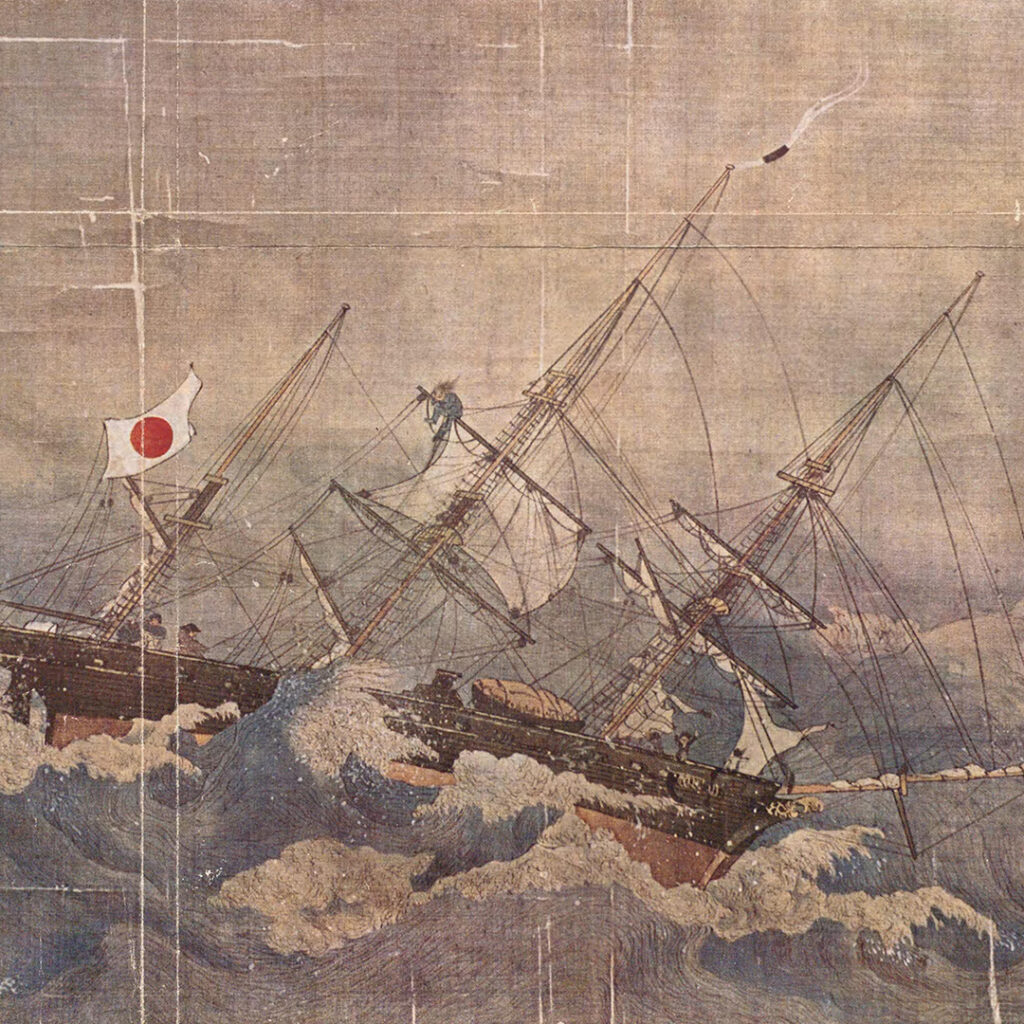
Kanrin Maru, ca. 1860. Artwork by Suzufuji Yūjirō. Japan’s first screw-driven steam warship, symbolizing the country’s uneasy but irreversible turn toward the modern world.
Courtesy of New Bedford Free Public Library
John Manjiro Nakahama (left) and bearded man, photographed during a return visit to the United States in the 1870s
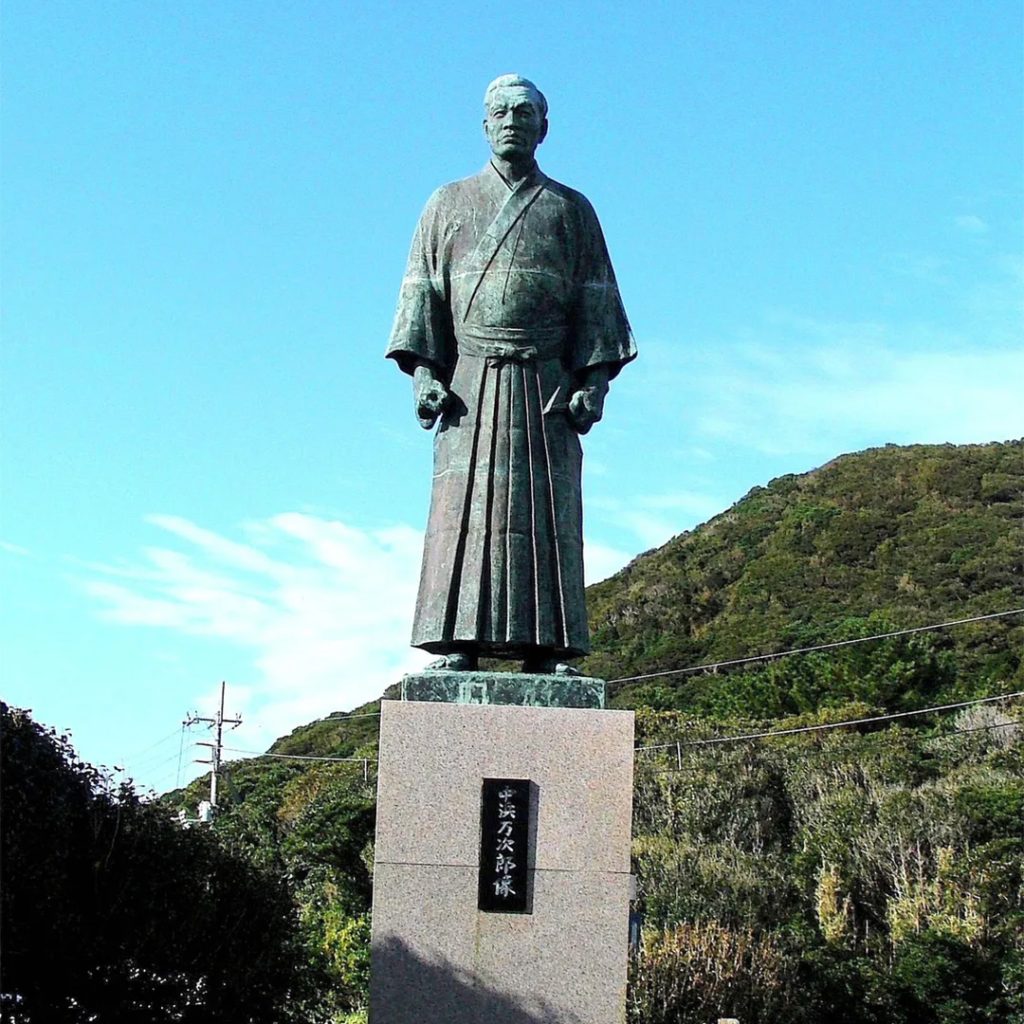
Statue of John Manjirō Nakahama at the John Mung Museum, in Tosashimizu, the fishing village he left as a boy and returned to as a bridge between worlds.