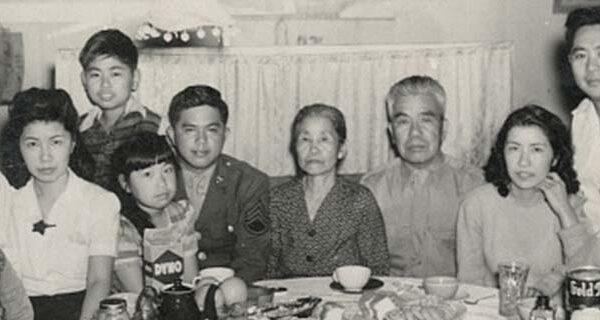
In “When Can We Go Back to America?,” author Susan H. Kamei gives voice to Japanese Americans whose lives were uprooted by incarceration during World War II, including her own family. Their stories reveal the enduring power of memory and justice.
Read MoreUncategorized
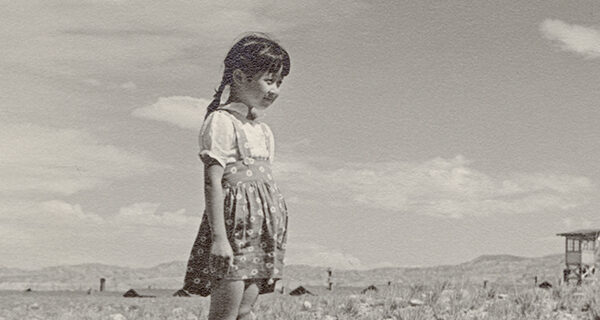
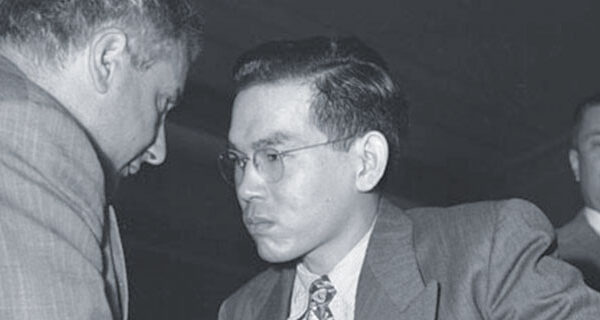
Tomoya Kawakita
Tomoya Kawakita was called a traitor. But his story reveals deeper truths about loyalty, identity, and America’s post-war hysteria.
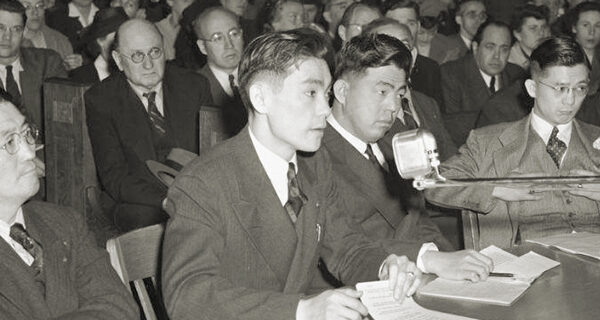
Read MoreThe Japanese American Citizens League (JACL)
The oldest and largest U.S. Asian American civil rights group is also the most controversial.
Read MoreJapanese Latin Americans
They were forced to come to the United States, then got punished for not being American.
Read MoreKazuo Masuda
They Couldn’t Bury the War Hero, Because He Wasn’t White
Read MoreEnter the Dragon
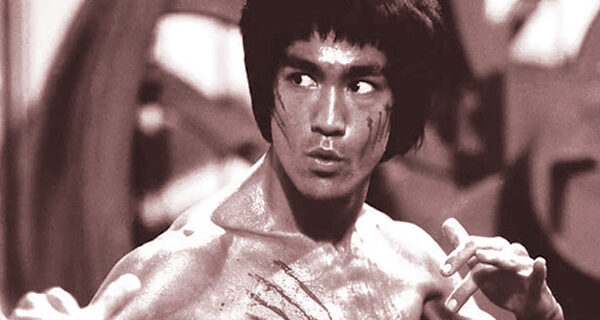
Bruce Lee’s final film, Enter the Dragon, became a global phenomenon that redefined martial arts and Asian representation in cinema. His vision and philosophy turned action into art and broke barriers across cultures.
Read MoreSadao Munemori
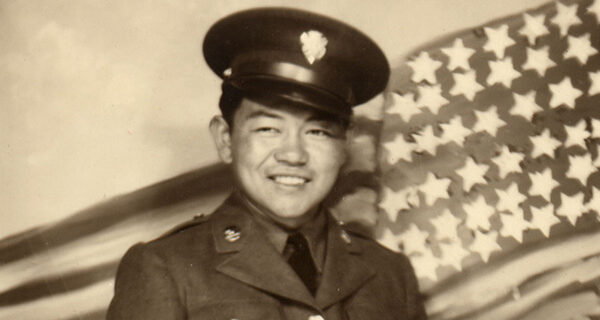
Sadao Munemori volunteered for the most dangerous jobs. In 1945 he sacrificed his life to save two fellow soldiers, becoming the first Japanese American Medal of Honor recipient.
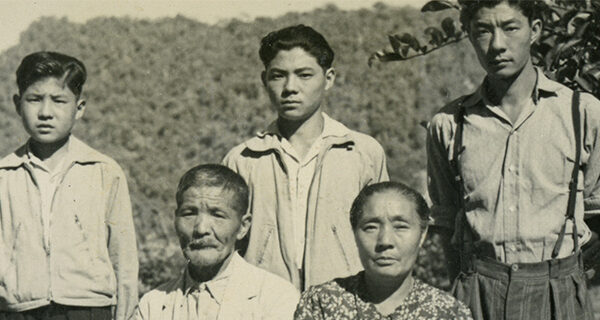
Read MoreFujishige Farm
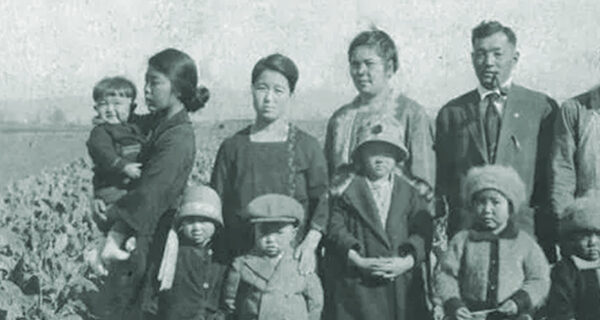
The Fujishige family survived mass incarceration, a murder attempt, and decades of pressure to hold onto their Anaheim farm next to Disneyland.
Read MoreCivil Liberties Act of 1988
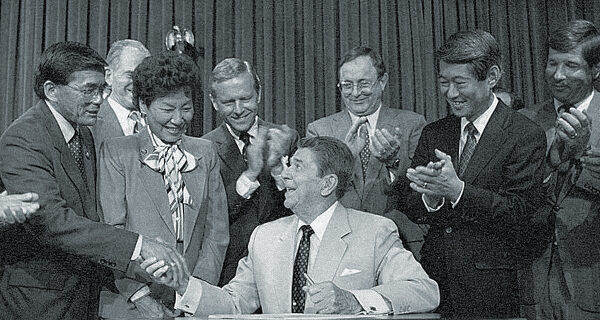
The Civil Liberties Act of 1988 marked the first time the U.S. government formally apologized for the mass incarceration of Japanese Americans during WWII. Decades of activism, testimony, and community pressure made this historic act possible — and its impact continues to shape conversations about justice today.
Read More