Aiko Herzig-Yoshinaga uncovered documents proving the U.S. government knowingly lied about the need to incarcerate Japanese Americans. Her discovery became the foundation for a historic apology and redress.
Read More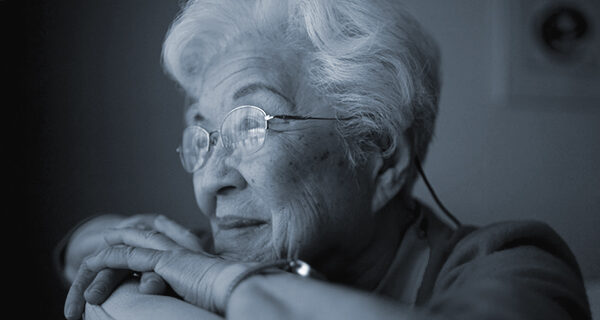
Aiko Herzig-Yoshinaga uncovered documents proving the U.S. government knowingly lied about the need to incarcerate Japanese Americans. Her discovery became the foundation for a historic apology and redress.
Read More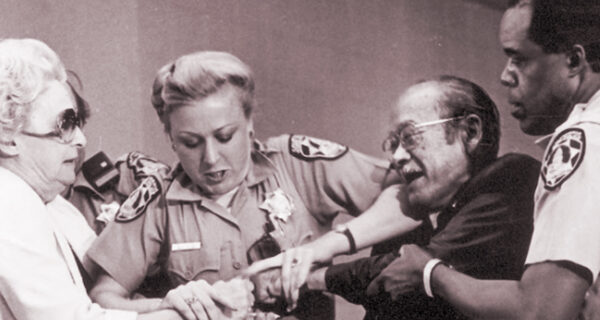
In 1981, Japanese Americans broke decades of silence during the Commission on Wartime Relocation and Internment of Civilians hearings. Their public testimony turned private pain into national awareness and helped lead to redress.
Read More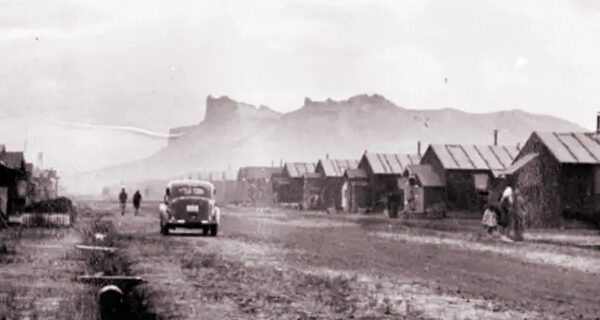
At Tule Lake, resistance became a crime. More than 18,000 Japanese Americans were confined there, many labeled “disloyal” simply for demanding their rights. The camp became a symbol of defiance, fear, and the price of dissent in wartime America.
Read More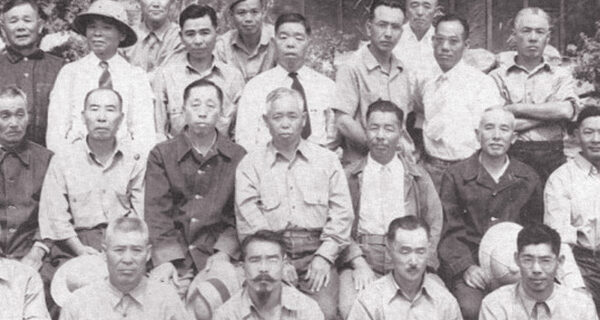
In 1942, U.S. Army was quietly conducting death marches in America.
Read More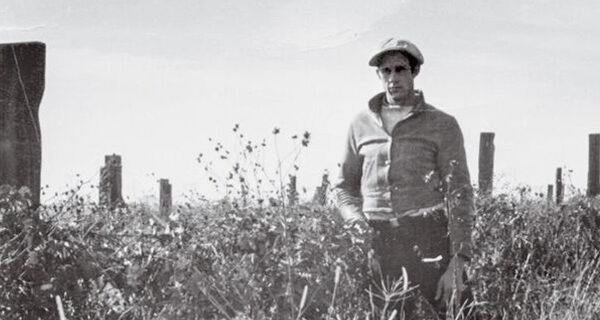
During World War II, as Japanese American farmers were forced from their land, a young white agricultural inspector named Bob Fletcher chose to stand by them. He quit his job, worked three farms, paid their taxes, and refused to profit from their loss.
Read More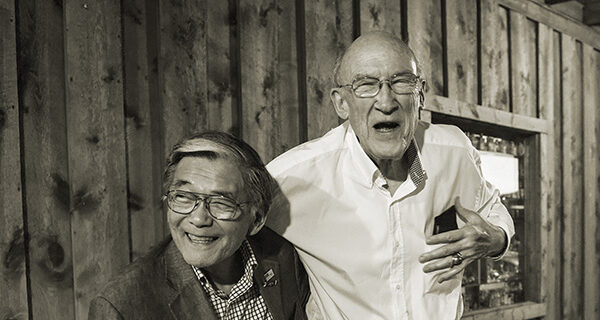
Norman Mineta and Alan Simpson met as boys during World War II, one inside, the other outside the incarceration camp. Their lifelong friendship inspired the Mineta-Simpson Institute, which promotes civics education and the lessons of tolerance born from that history.
Read More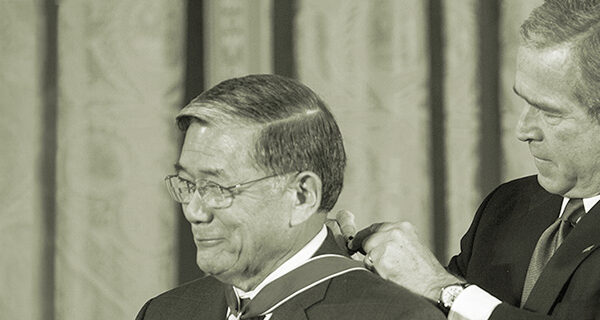
Norman Mineta survived incarceration at Heart Mountain, became the first Asian American cabinet secretary, and helped ensure history did not repeat itself after 9/11.
Read More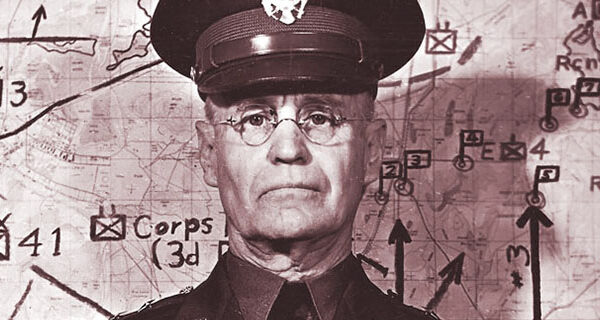
In 1943, General John L. DeWitt released his Final Report on Japanese Evacuation to justify the mass removal of Japanese Americans from the West Coast. Decades later, investigators revealed it was built on lies and evidence was suppressed to defend racism as policy.
Read More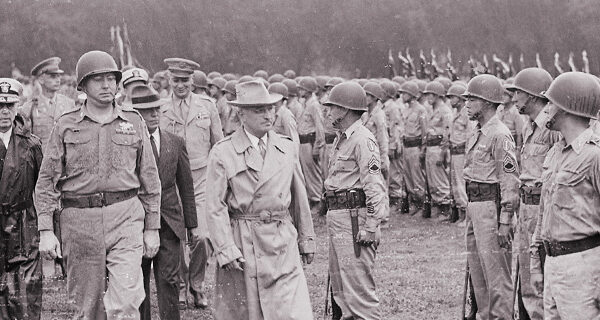
Activated on July 15, 1943, the 442nd Regimental Combat Team overcame prejudice at home and the enemy abroad to become the most decorated unit for its size and length of service in U.S. military history.
Read More