The most unlikely friendship started inside an American concentration camp.
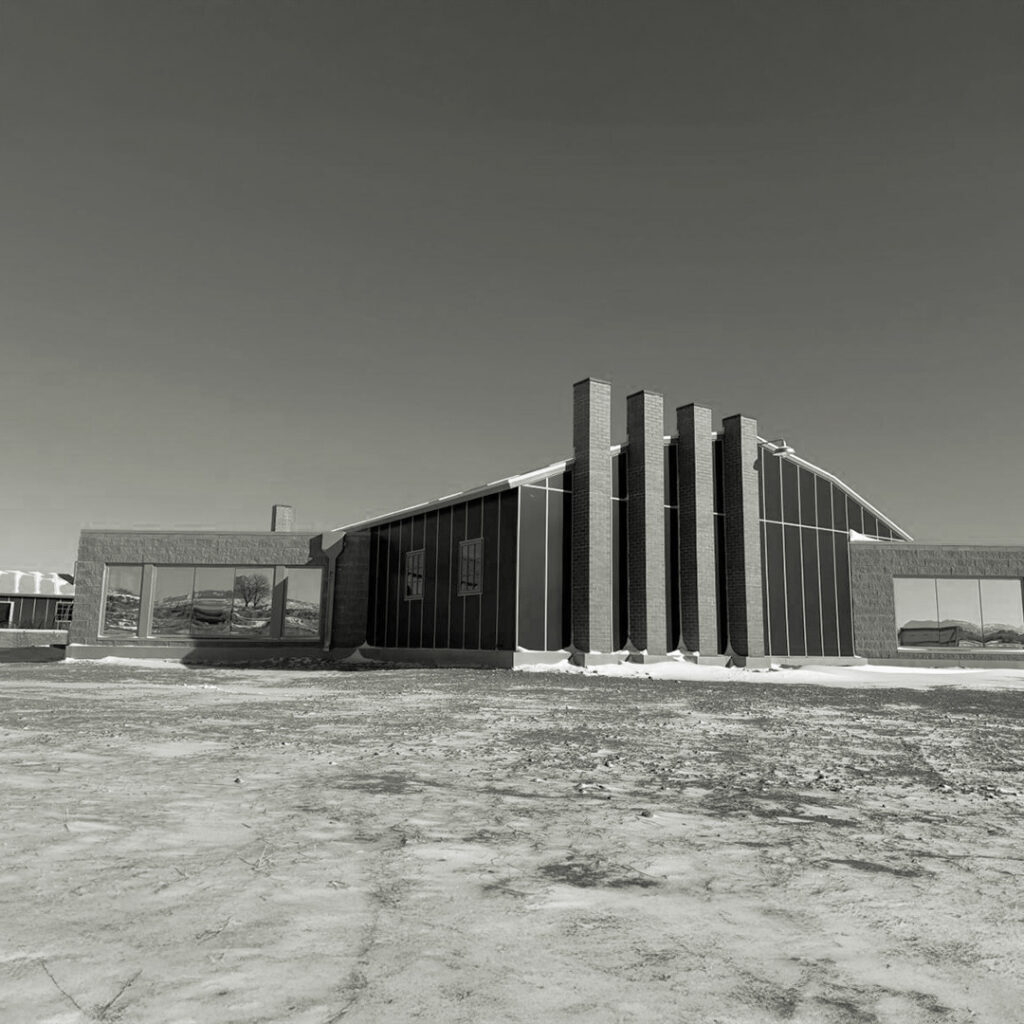
July 25, 2024: The Mineta-Simpson Institute opened at Heart Mountain.
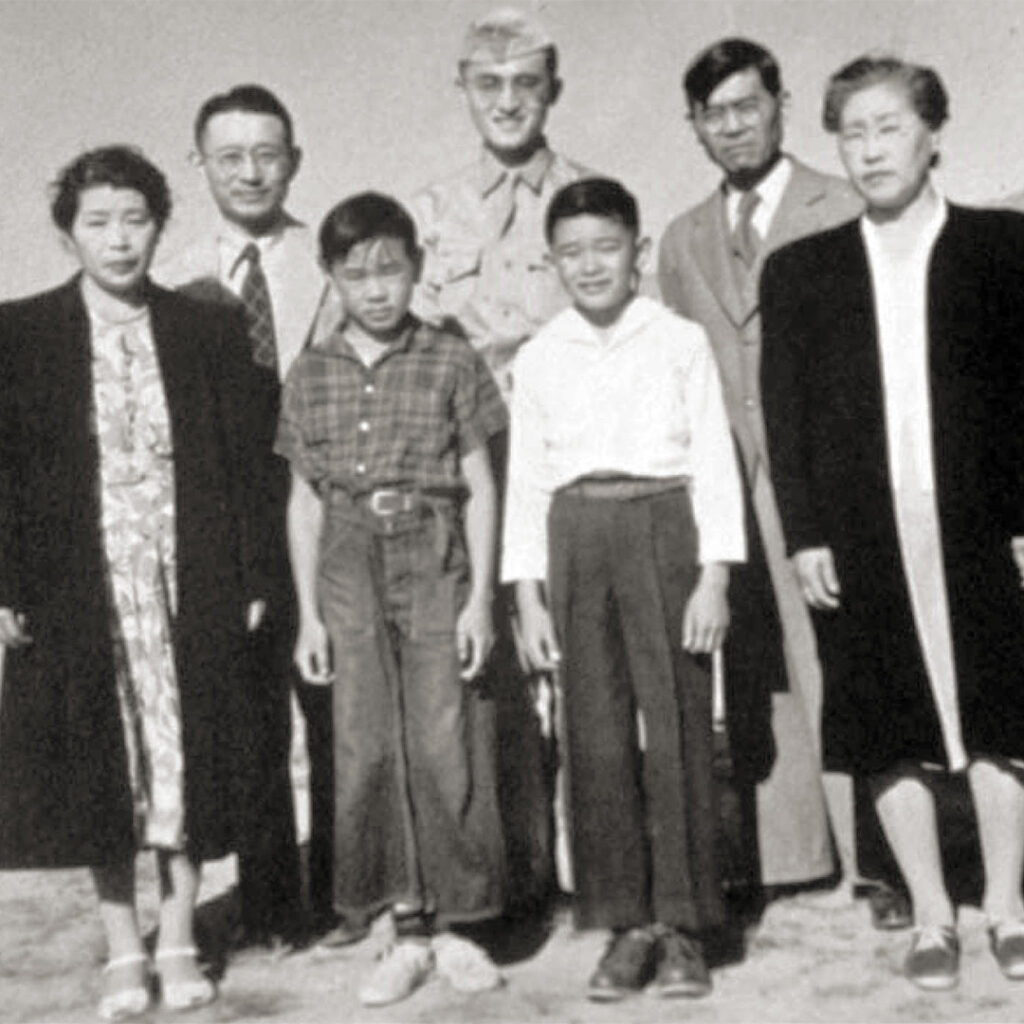
Norman Mineta was 11 years old when his family was imprisoned at Heart Mountain, one of ten incarceration centers used to detain Japanese Americans during World War II.
Alan Simpson was 12, a lanky white Boy Scout from nearby Cody, Wyoming, who visited the camp with his troop for a jamboree. That’s where he met Norm — a short, feisty Japanese American Scout in uniform just like him.
One was incarcerated without cause. The other was visiting from the outside.
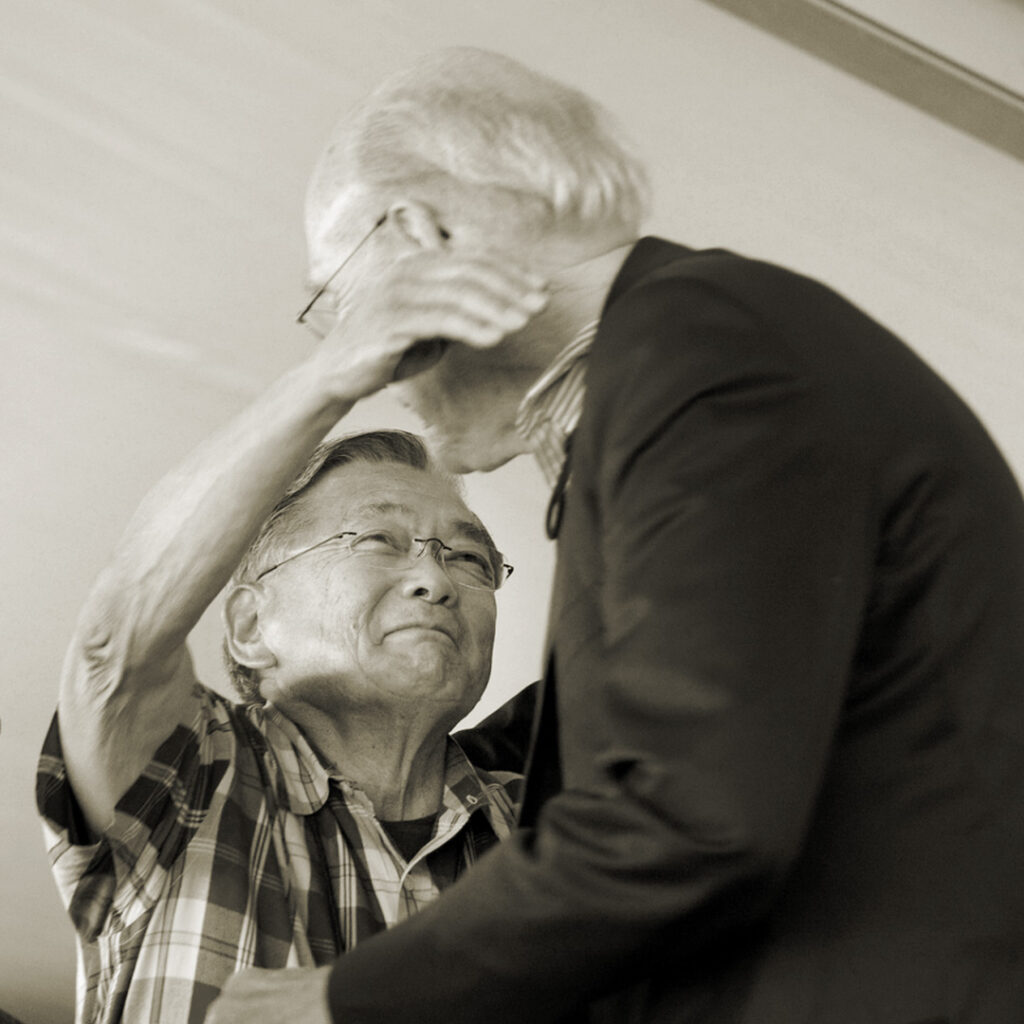
But they shook hands, played games, and started a friendship that would span a lifetime.
Norman Mineta and his family were incarcerated at Heart Mountain during WWII. His older brother Albert served in the Military Intelligence Service (MIS).
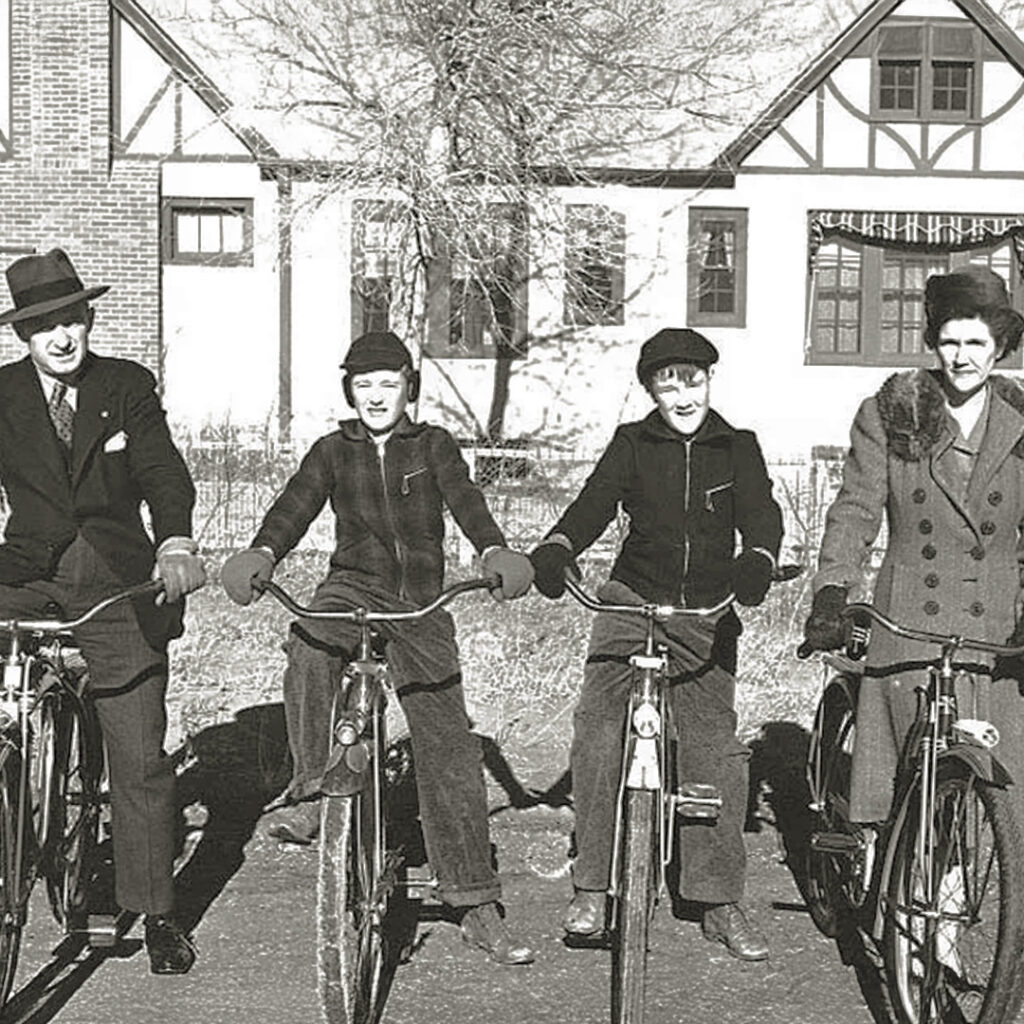
Alan Simpson (second from right) on bikes with his family in Cody, Wyoming.
His father, Milward, was governor of Wyoming.
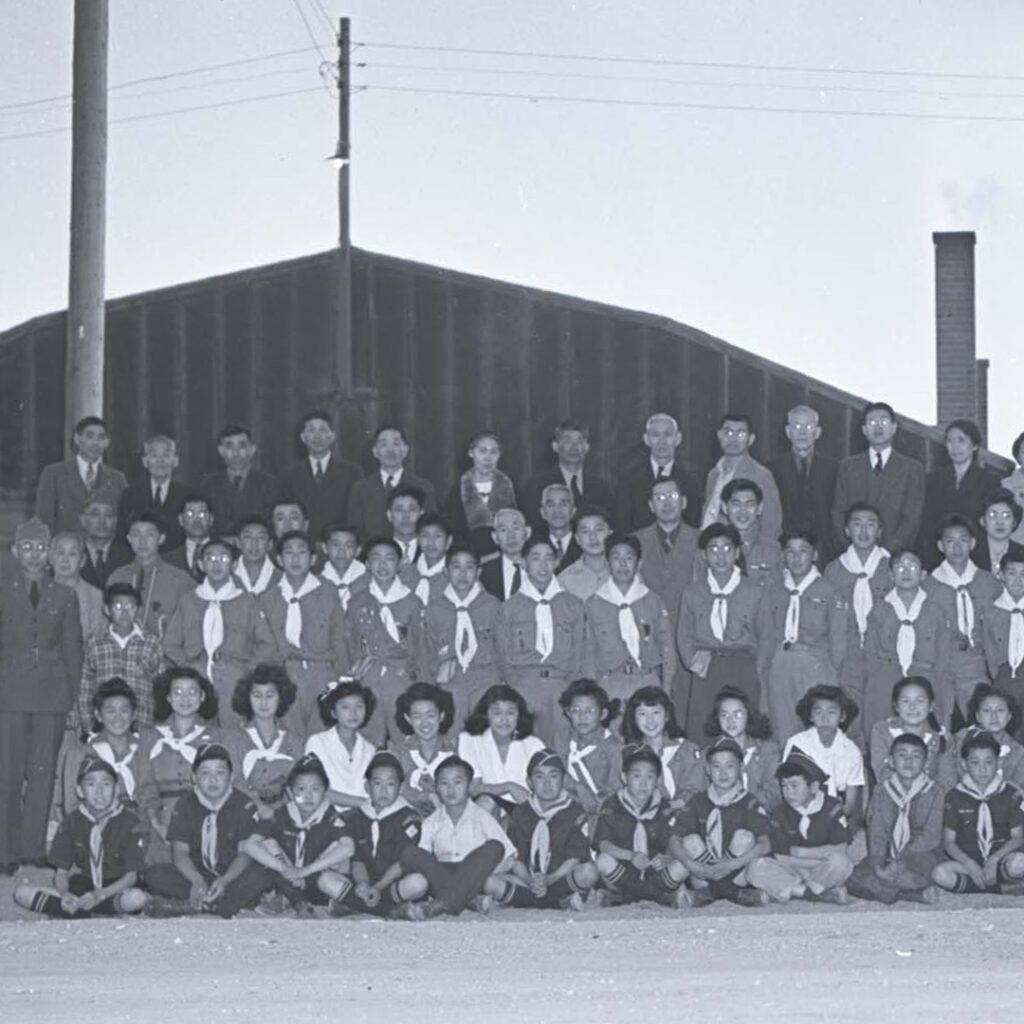
Heart Mountain had over a dozen Boy Scout and Girl Scout troops — complete with uniforms, merit badges, and weekly meetings.
Alan Simpson and his wife Ann at the Irma Hotel in Cody when he announced he was running for U.S. Senate, 1978
Norman Mineta is sworn in as the first Japanese American Congressman, January 1975. Thirty years earlier, he was labeled an "enemy child."
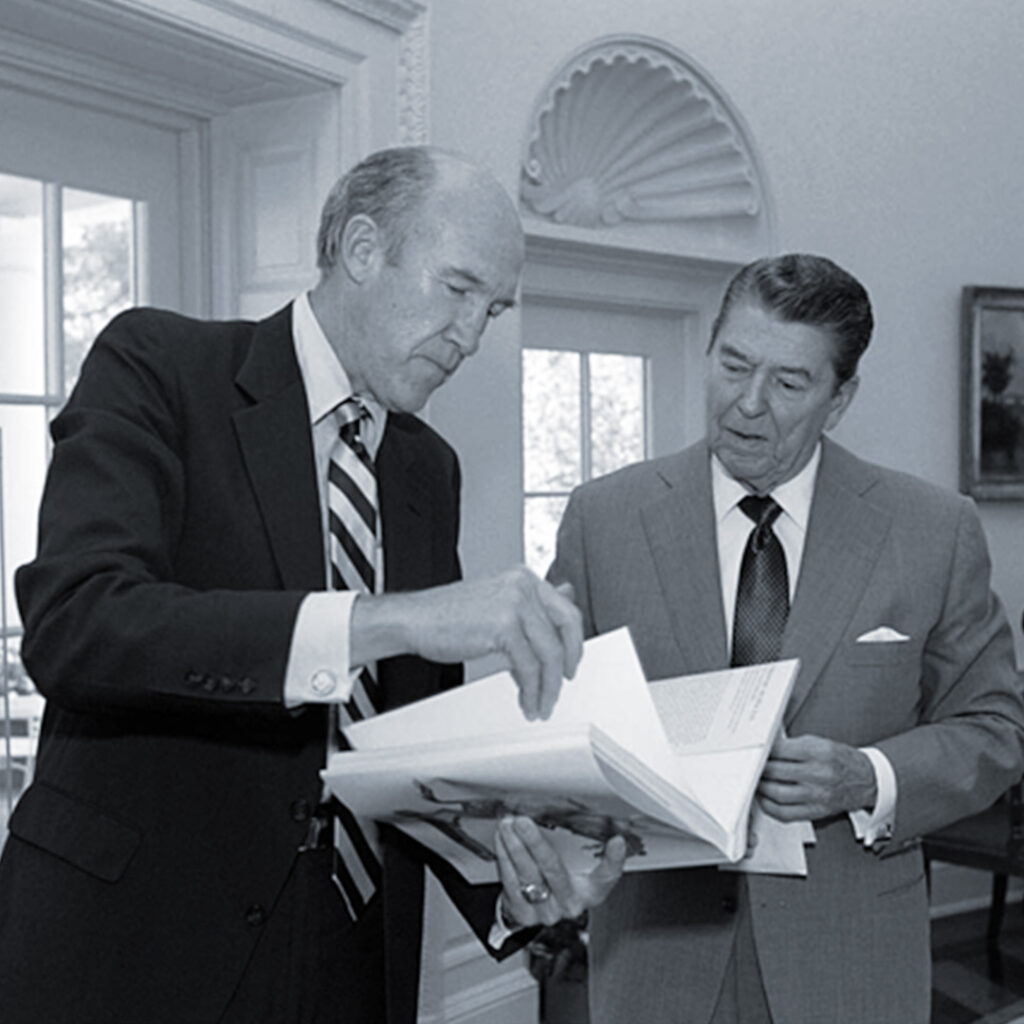
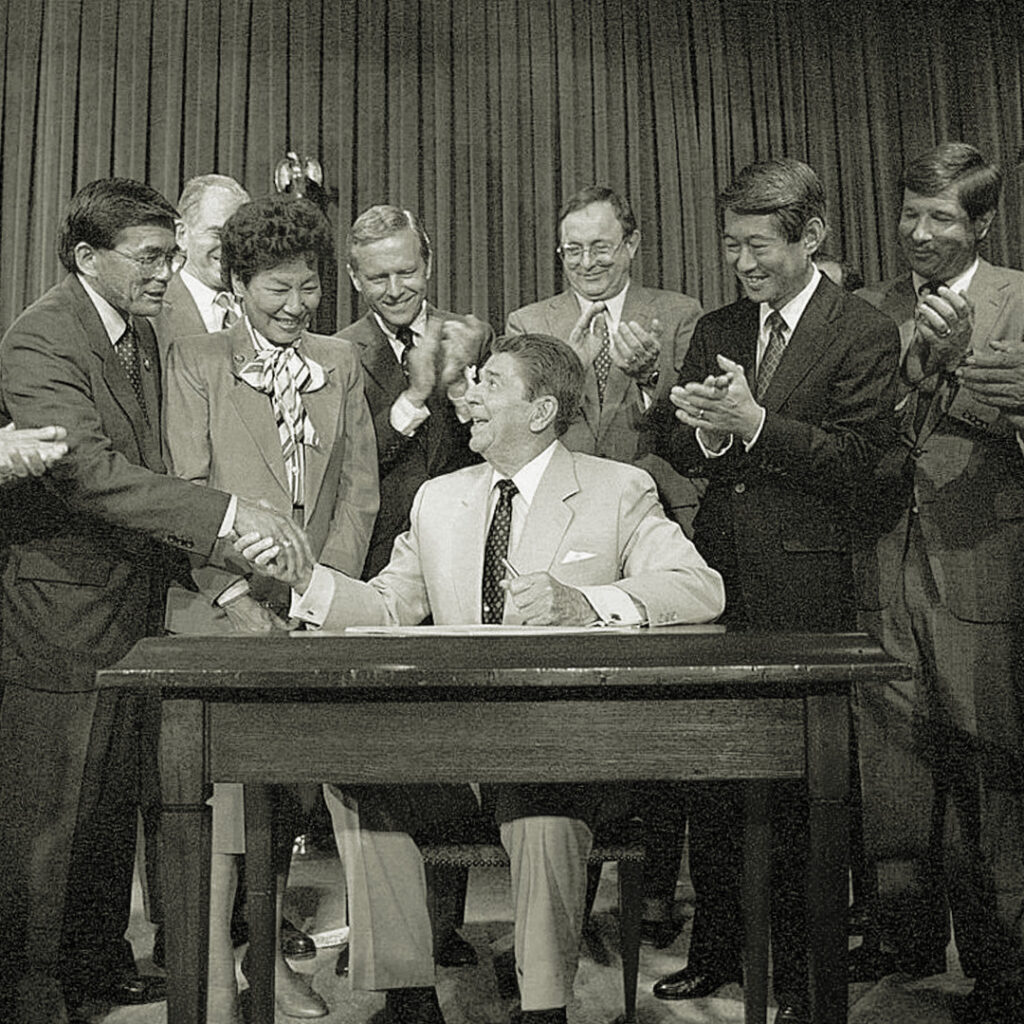
Senator Alan Simpson influenced his friend President Reagan to sign the Civil Liberties Act of 1988
A Republican president. A Japanese American Democrat. Together, they helped pass one of the most meaningful civil rights acts of the 20th century.
Simpson grew up to become a Republican U.S. Senator. Mineta became a Democratic Congressman, later serving as Secretary of Commerce and Secretary of Transportation.
On the surface, they couldn’t have been more different. Race. Party. Even height. And yet — they stood shoulder to shoulder when it mattered most.
In the 1980s, when Japanese Americans pushed for redress and reparations for their unjust incarceration, it was Simpson and Mineta who worked across the aisle. Together, they helped pass the Civil Liberties Act of 1988 — the formal apology and compensation from the U.S. government.
It was a remarkable bond.
And, in some ways, it wasn’t entirely random.
Dillon S. Myer, the director of the War Relocation Authority, had quietly encouraged limited outside interactions at camps like Heart Mountain. He believed that showing incarcerated Japanese Americans as loyal, everyday Americans could help rebuild public support and promote their reintegration into society.
So when a local Wyoming troop visited the camp, it wasn’t an accident.
It was by design.
Dillon S. Myer, who led the War Relocation Authority, visiting Heart Mountain. He believed the camps should be closed and worked to end the incarceration program.
Norman Mineta, a Democrat, and Alan Simpson, a Republican, were lifelong friends. They first met as Boy Scouts from opposite sides of the fence at Heart Mountain.
Mineta-Simpson Institute — dedicated to teaching future generations about injustice, friendship, and civic courage, opened in 2024
But what nobody could have predicted — not even Myer — was the lifelong friendship that would follow. And how that bond would lead to justice, decades later.
The Mineta-Simpson Institute stands as a tribute to that legacy.
Proof that empathy can overcome fear. That friendship can outlast injustice. And that the future of America doesn’t have to be divided.
It may have been the most unlikely friendship. But perhaps the most American friendship of our time.