The first Asian American cabinet secretary grew up as the “enemy child.”
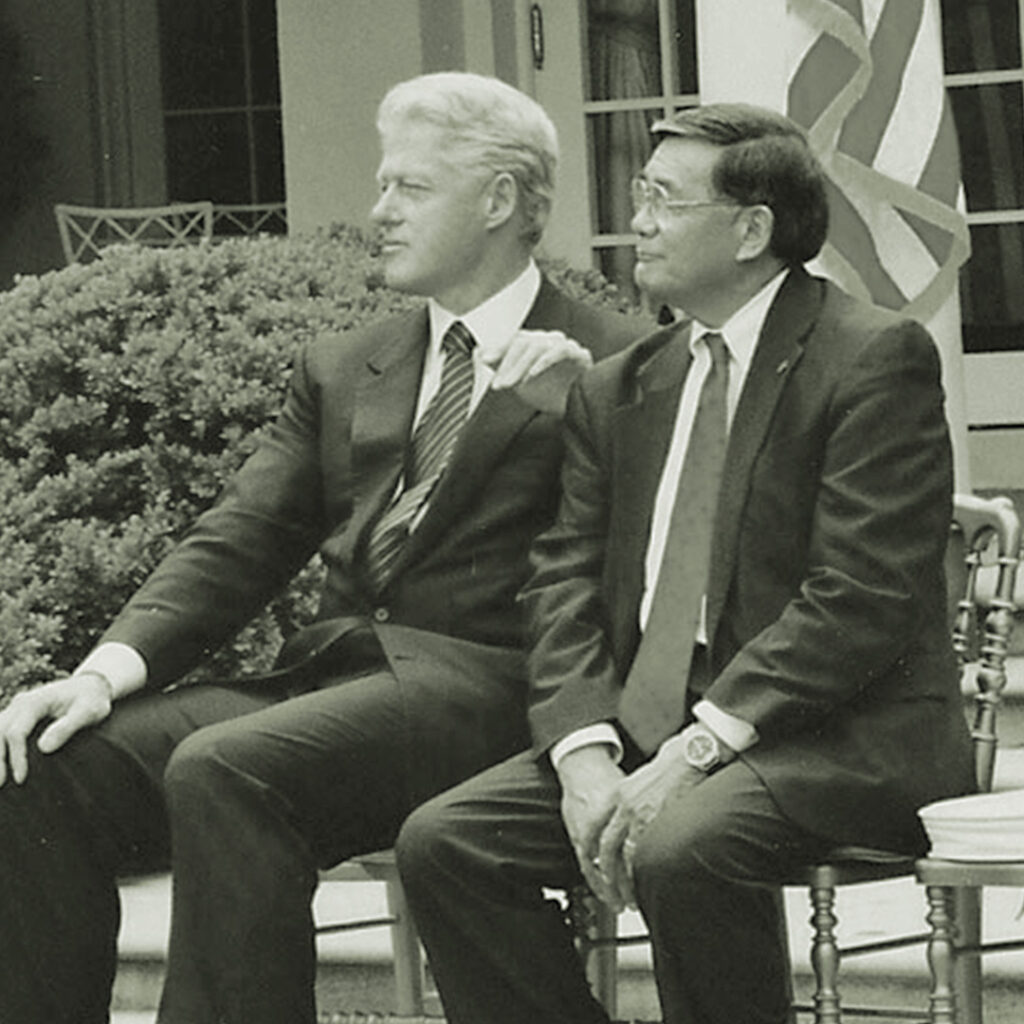
July 21, 2000: President Bill Clinton swore in Norman Y. Mineta as U.S. Secretary of Commerce, making him the first Asian American to serve in a presidential cabinet.
Norman Mineta’s journey to the White House cabinet room started in the unlikeliest of places: an incarceration barrack in Wyoming.
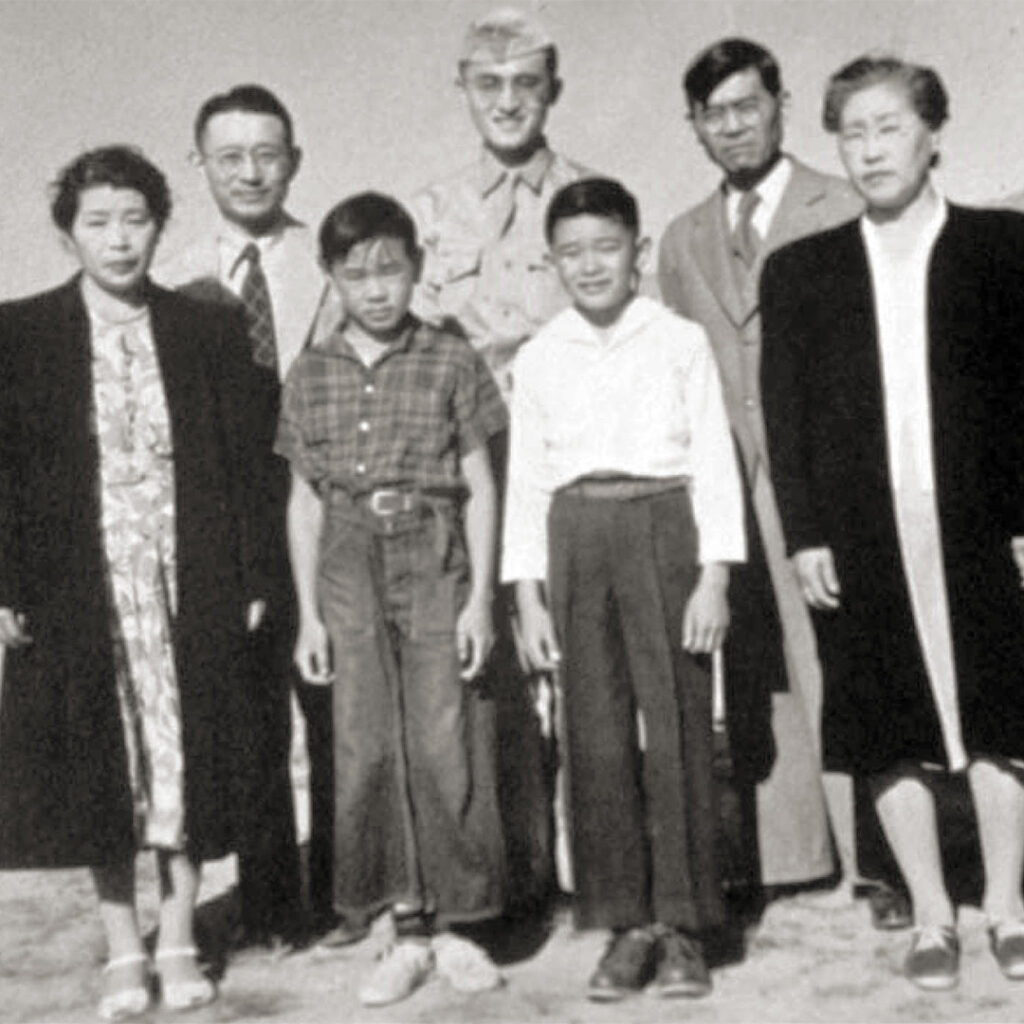
Mineta was just ten years old when his family was forced out of their home in San Jose and sent to the Heart Mountain camp during World War II.
He would later recall the humiliation of being treated as the enemy by his own government, even as a child born in America.
Rather than turn bitter, Mineta turned to public service.
The phrase “Enemy Child” later became the title of Andrea Warren’s acclaimed biography of Mineta’s childhood, capturing the cruel contradiction of an American boy imprisoned by his own country before rising to become a U.S. congressman and cabinet secretary.
Looking west of F Street with Heart Mountain looming in the background, 1942. Photo by Tom Parker, credit The Bankroft Library, University of California, Berkeley
Norman Mineta and his family were incarcerated at Heart Mountain during WWII. His older brother Albert served in the Military Intelligence Service (MIS).
Norman Mineta is sworn in as the first Japanese American Congressman, January 1975. Thirty years earlier, he was labeled an "enemy child."
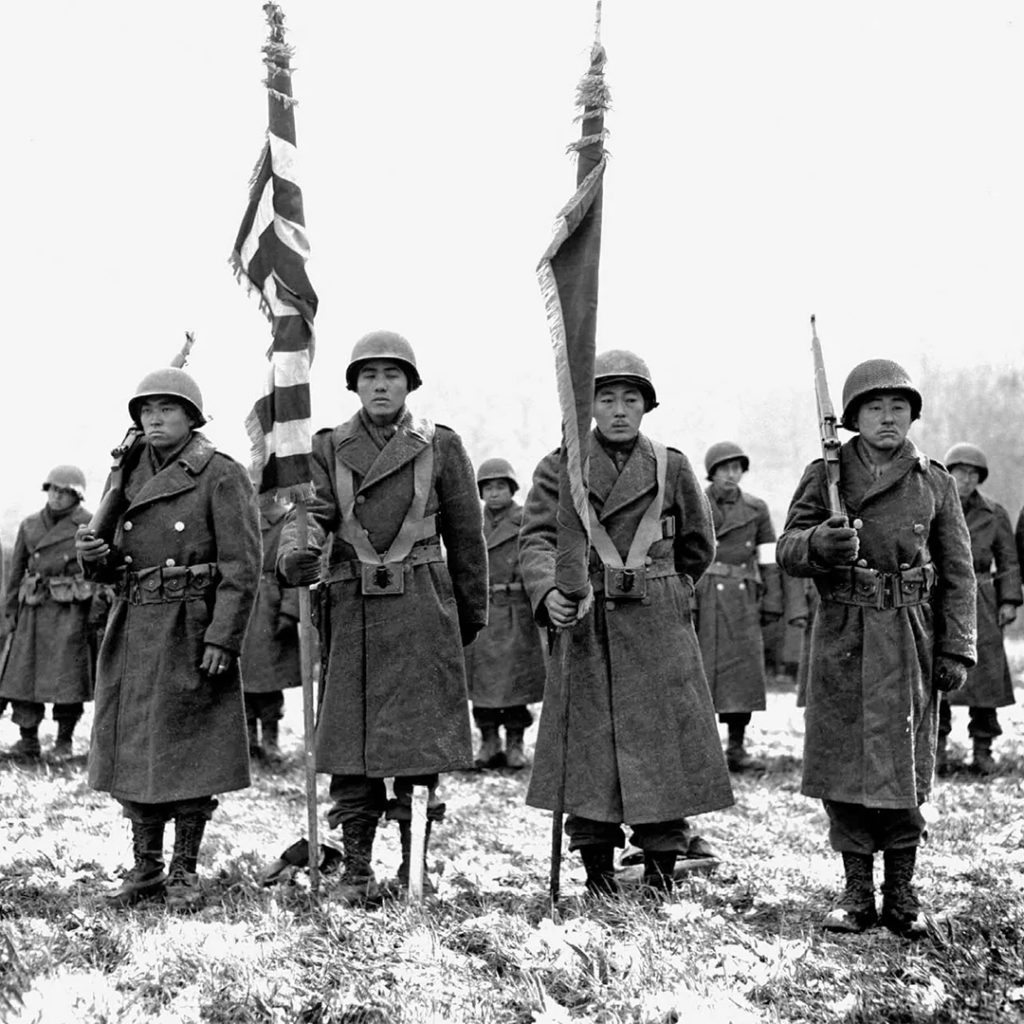
While many of their families remained imprisoned, soldiers of the 442nd Regimental Combat Team became some of the most decorated in U.S. military history.
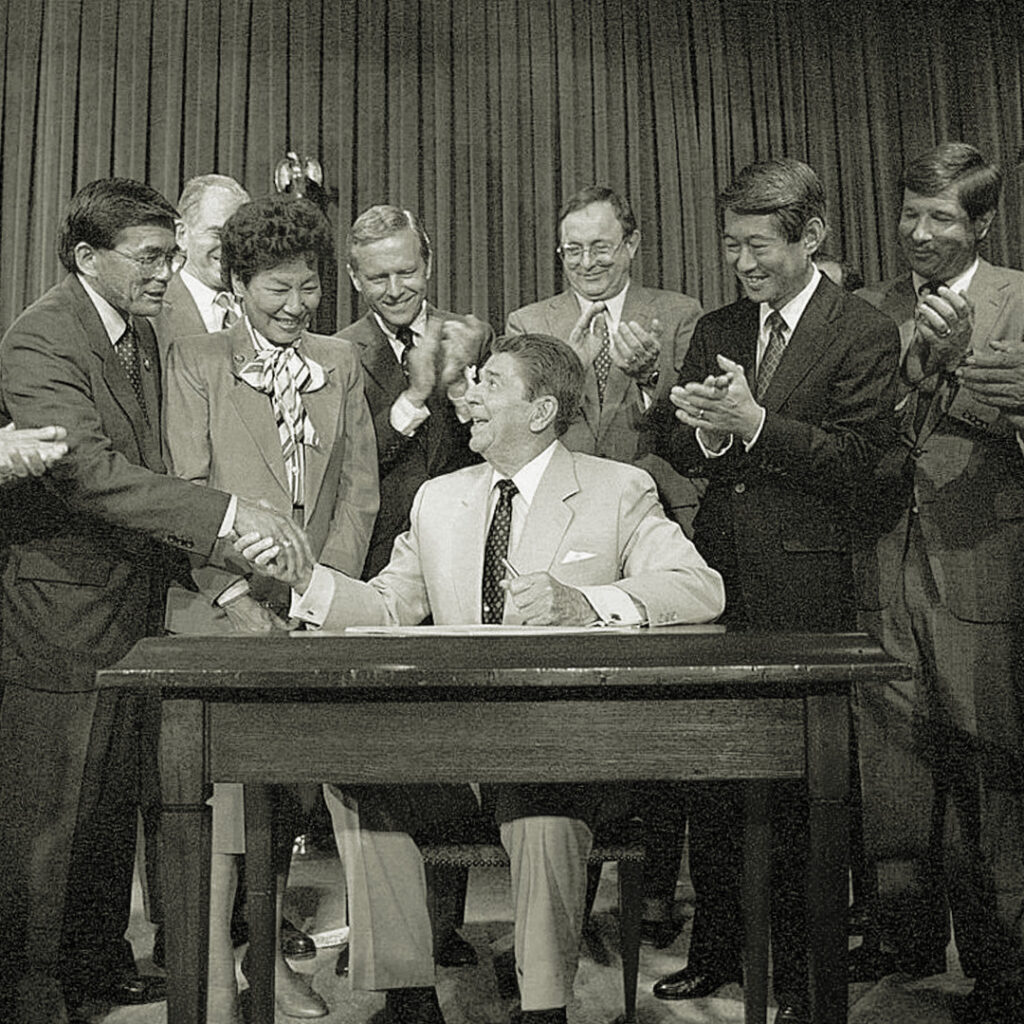
A Republican president. A Japanese American Democrat. Together, they helped pass one of the most meaningful civil rights acts of the 20th century.
President Clinton named Norman Mineta as Secretary of Commerce, making him the first Asian American to serve in a presidential cabinet, July 21, 2000
Mineta’s Services
After graduating from UC Berkeley, he joined the U.S. Army as an intelligence officer, serving in post-war Japan and Korea. He later became the first Asian American mayor of a major U.S. city (San Jose), and in Congress, he co-founded the Congressional Asian Pacific American Caucus and championed civil rights for all.
Most notably, Mineta was the driving force behind H.R. 442, which became the Civil Liberties Act of 1988, which officially apologized for the incarceration of Japanese Americans and granted redress to survivors.
Mineta was a Democrat. But his career reflected a rare kind of integrity that transcended party lines. After serving as Secretary of Commerce under President Clinton, Mineta was appointed Secretary of Transportation by President George W. Bush — making him the only Democrat in the Bush cabinet and the longest-serving Transportation Secretary in U.S. history.
History Did NOT Repeat
Then came 9/11.
As the Twin Towers fell and the U.S. faced the worst terrorist attack in its history, Secretary Mineta made the unprecedented call to ground every plane in American airspace. More than 4,000 aircraft were safely diverted or landed within hours.
But perhaps just as important as what he ordered… was what he refused to allow.
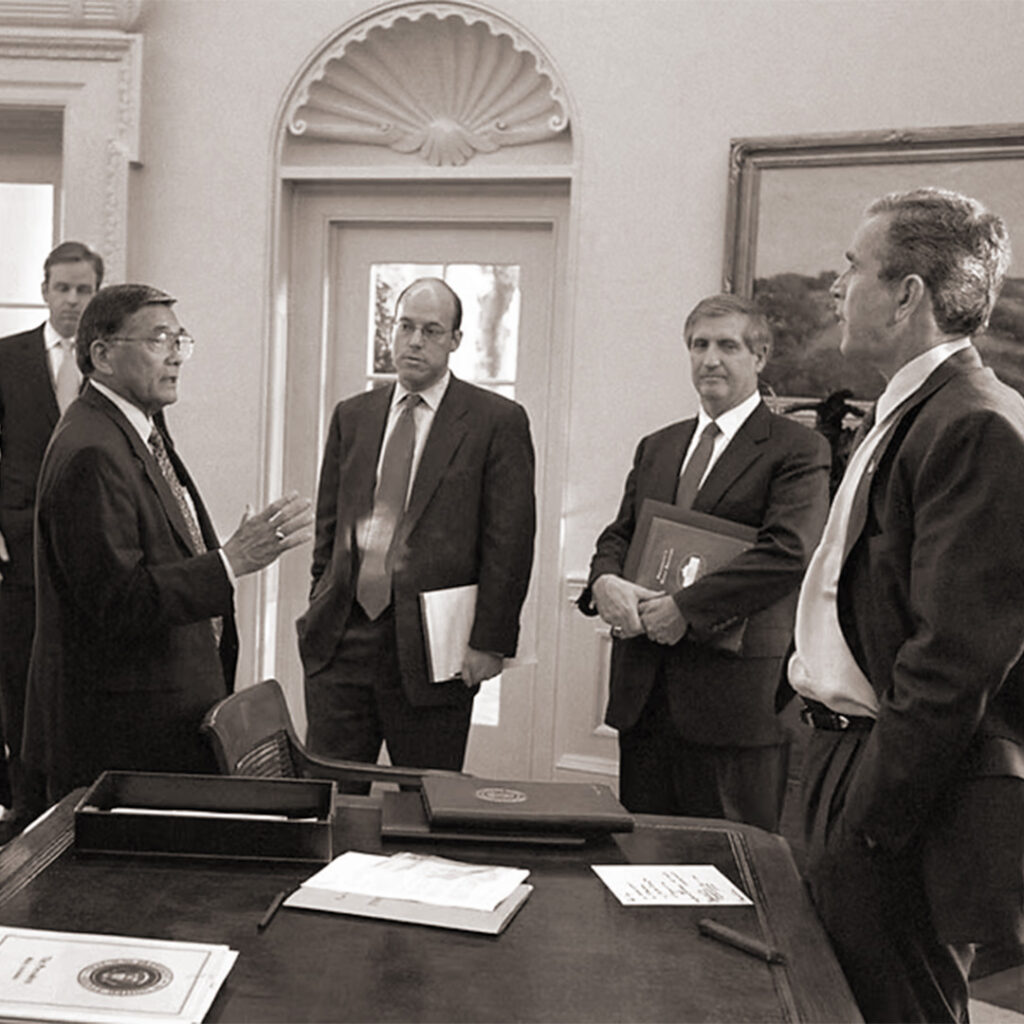
In the White House situation room, when some officials began suggesting that Muslim Americans and Arab communities be placed under heightened surveillance or restrictions — even interned — Mineta stood firm. He remembered what happened to Japanese Americans like himself in 1942. And he made it clear: “We are not going to do what we did to Japanese Americans.”
President Bush listened.
After 9/11, fear and suspicion were everywhere. But Secretary Mineta remembered what happened to his family in 1942 — and refused to repeat history.
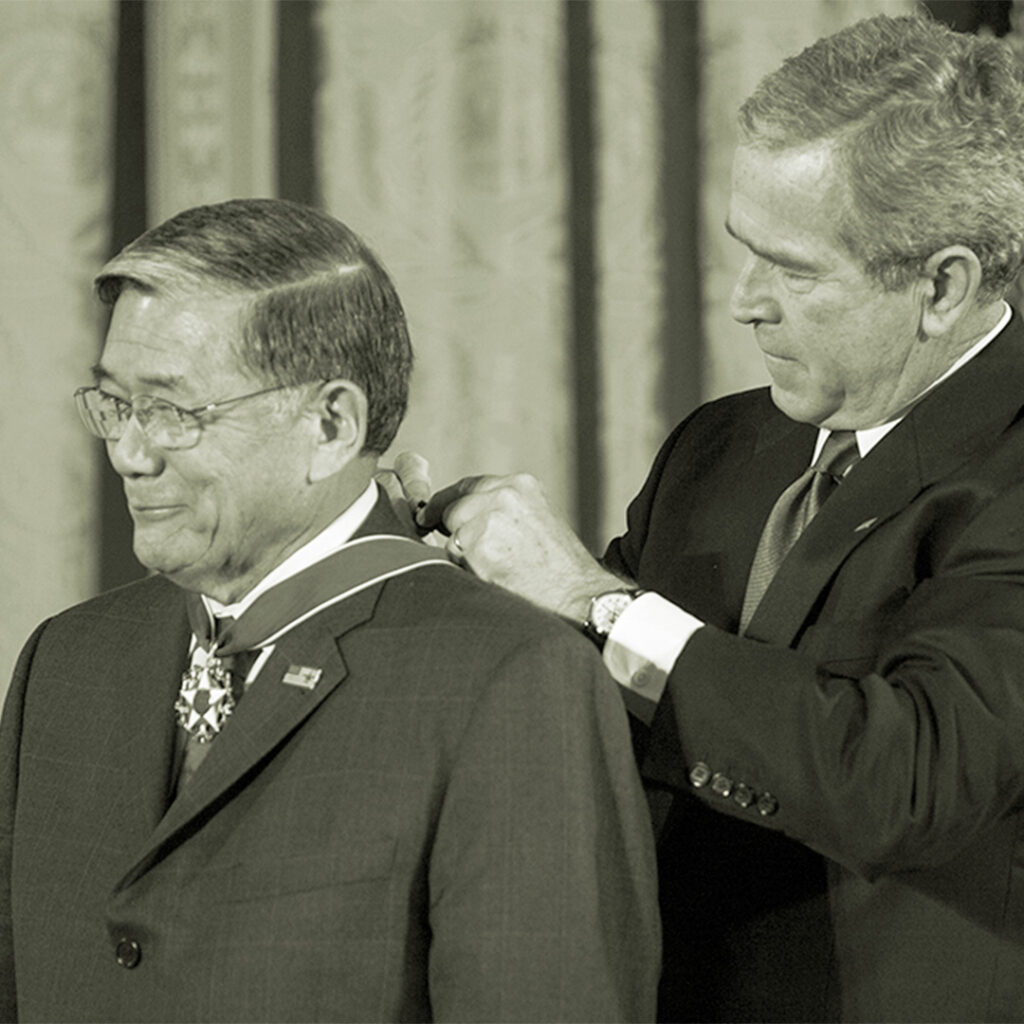
Norman Mineta received the Presidential Medal of Freedom, the highest civilian honor in the United States, December 15, 2006
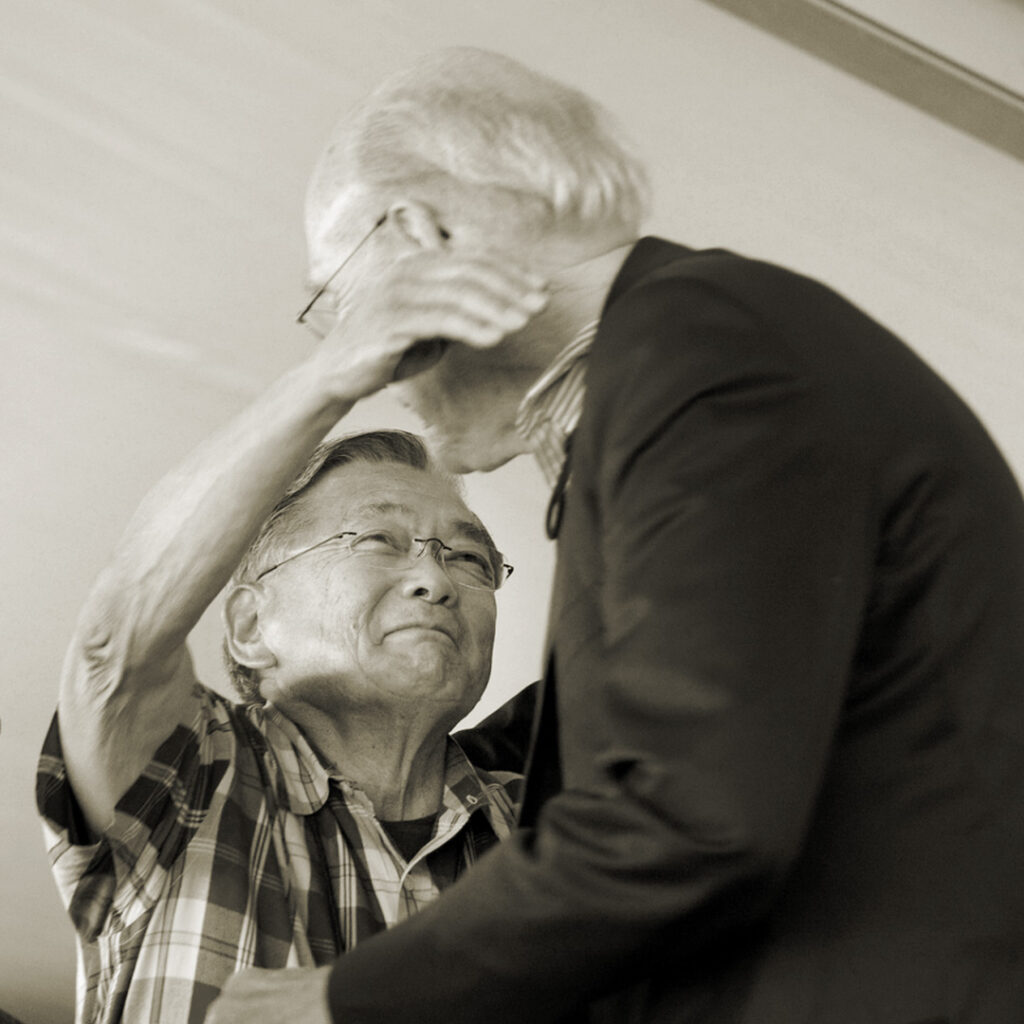
Norman Mineta, a Democrat, and Alan Simpson, a Republican, were lifelong friends. They first met as Boy Scouts from opposite sides of the fence at Heart Mountain.
United
In that moment, Mineta didn’t just protect airplanes — he protected a generation of Americans from being scapegoated because of their faith or ethnicity.
His life was a testament to the concept of the United States of America. “United” being the key word.
Norman Mineta, a Democrat, and Alan Simpson, a Republican, formed an unlikely, lifelong friendship after meeting in 1943 as Boy Scouts at the Heart Mountain internment camp in Wyoming, where Mineta’s family was imprisoned. They openly referred to their relationship as a “love affair” and actively worked together to promote civility and bipartisan cooperation.
Something rare nowadays, especially from someone who was labeled the “enemy child.”