September 7, 2021: When Can We Go Back to America? by Susan H. Kamei was first published.
It is now widely regarded as a landmark book about one of the darkest chapters in American history: the mass incarceration of Japanese Americans during World War II.
In 1942, following the signing of Executive Order 9066, more than 120,000 Japanese Americans — two-thirds of whom were U.S. citizens — were forcibly removed from their homes and imprisoned without charges, trial, or evidence of wrongdoing. Families were uprooted. Civil liberties were denied. And lives were changed forever.
The title itself comes from one of those voices. A young child, confused by her surroundings, once asked: “When can we go back to America?” She had been incarcerated with her family and, seeing so many Japanese faces around her, thought they had somehow ended up in Japan. It’s a heartbreaking question that captures both the innocence and disorientation of the time.
“When Can We Go Back to America?” is a landmark book that weaves together more than 130 firsthand accounts of Japanese American incarceration during WWII.
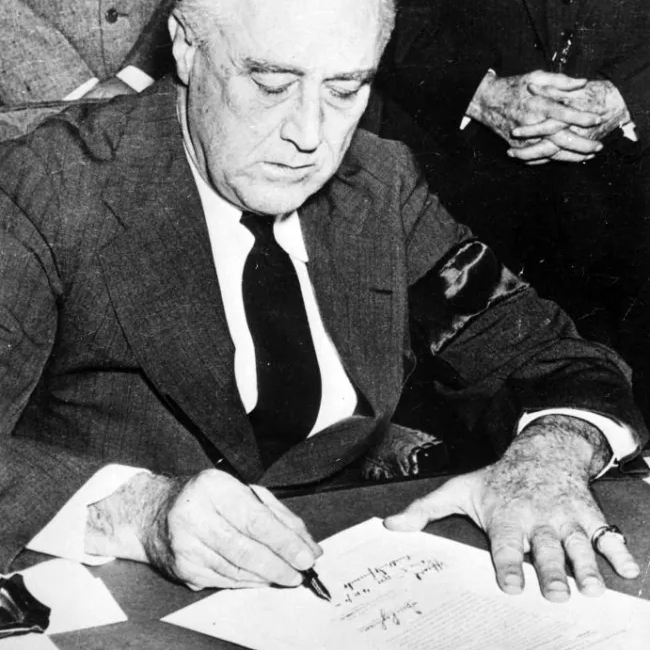
February 19, 1942 — Franklin Roosevelt signs Executive Order 9066, setting in motion the mass incarceration of over 120,000 Japanese Americans during WWII
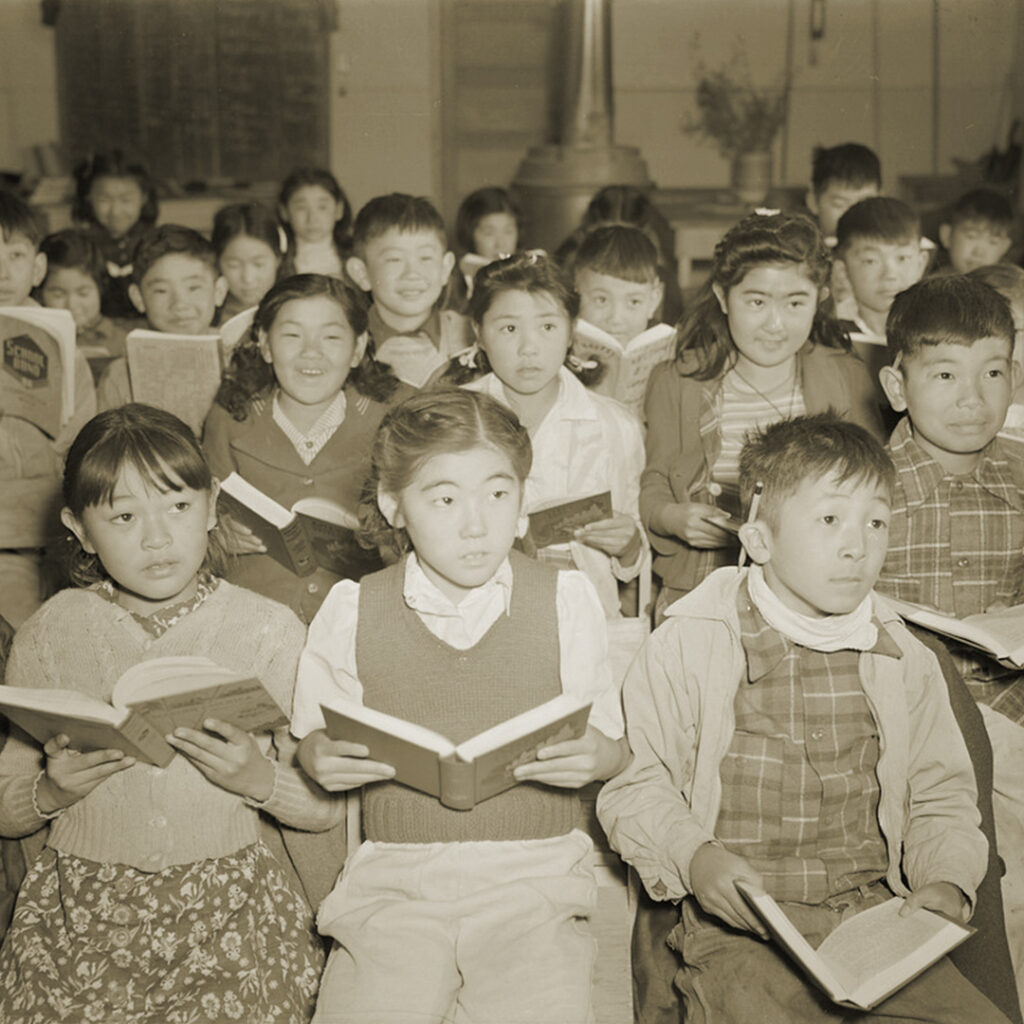
For a number of Japanese American children, it was the first time seeing so many Asian faces concentrated in one place. Ironically, that place was behind barbed wire.
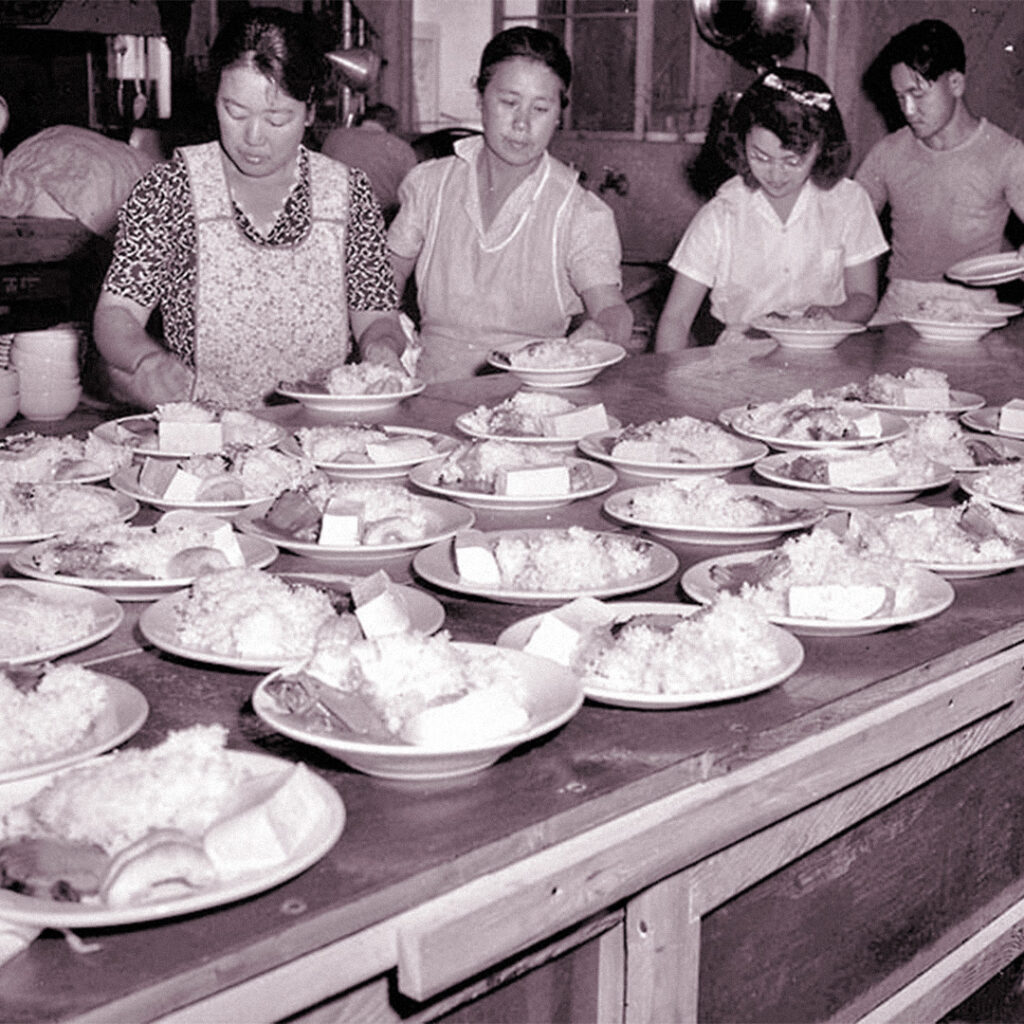
At Poston, meals were heavy on starch — mainly bread, potatoes, spaghetti, and macaroni. It was a death sentence for Mabel Ota’s diabetic father who lived on vegetables.
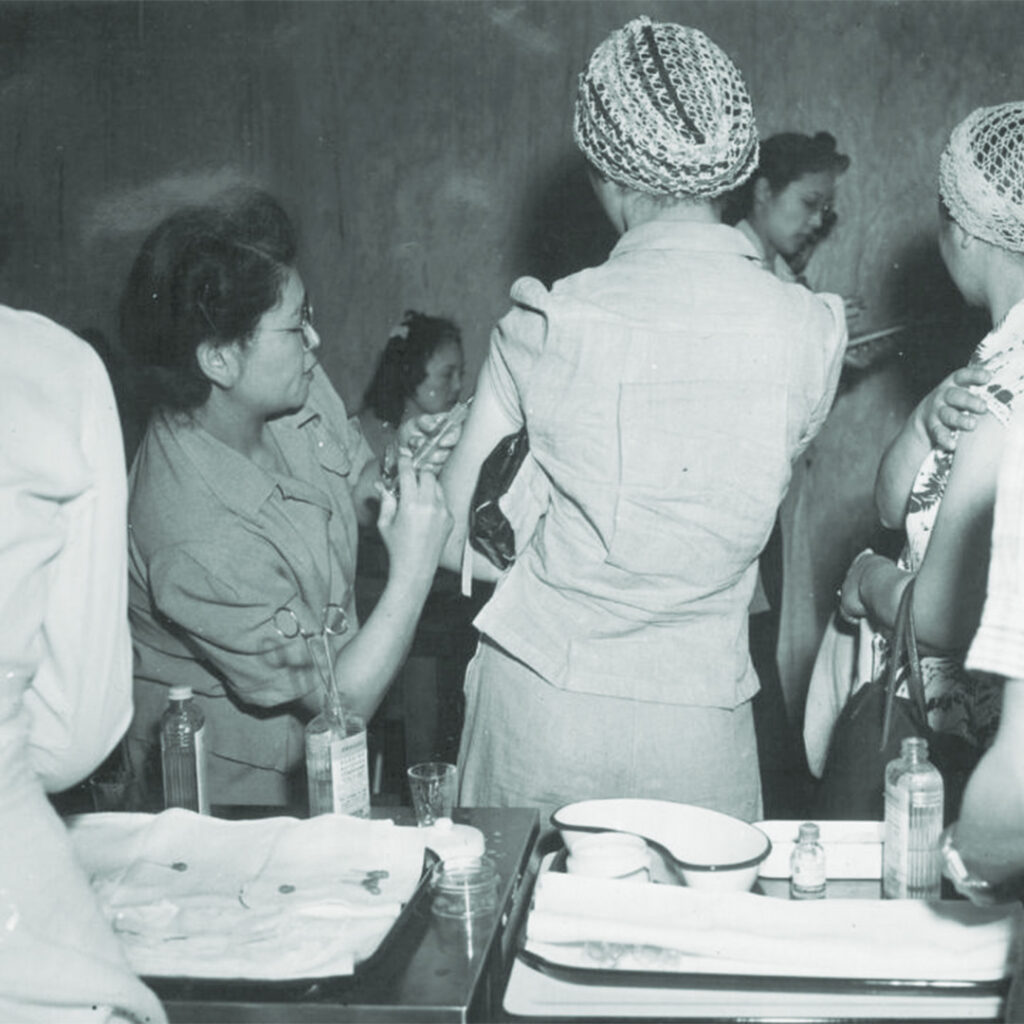
Dr. Kazue Togasaki, the eldest of six sisters, administering vaccines while incarcerated during WWII. All six Togasaki sisters went into healthcare.
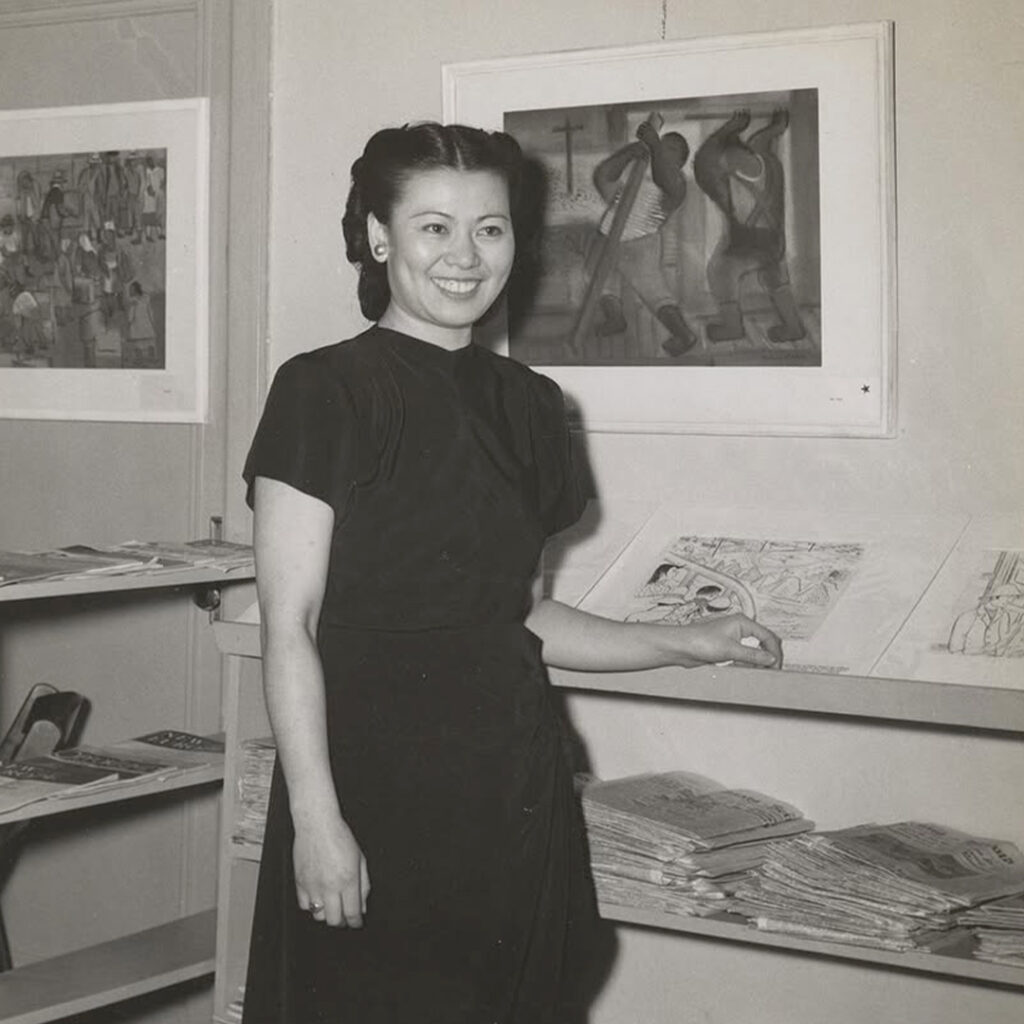
Miné Okubo documented her incarceration with hundreds of sketches published in “Citizen 13660,” a personal accounts of life in the camps.
This book weaves together more than 130 firsthand accounts from those who lived through it: teenagers, parents, soldiers, and survivors. Voices that are raw, human, and profoundly American.
There are painful stories, like Mabel Ota’s. She watched her father die at the Poston War Relocation Center, misdiagnosed with “melancholy” and subjected to shock treatments — when in truth, it was diabetes, worsened by the camp’s starchy diet.
There are also stories of resilience — like the Togasaki sisters, all six of whom pursued careers in healthcare, becoming nurses, physicians, and even a psychiatrist.
There are stories of those who told their stories, like Miné Okubo, who turned to art. She sketched hundreds of scenes from her incarceration, later publishing Citizen 13660 — one of the first illustrated memoirs about life in the camps.
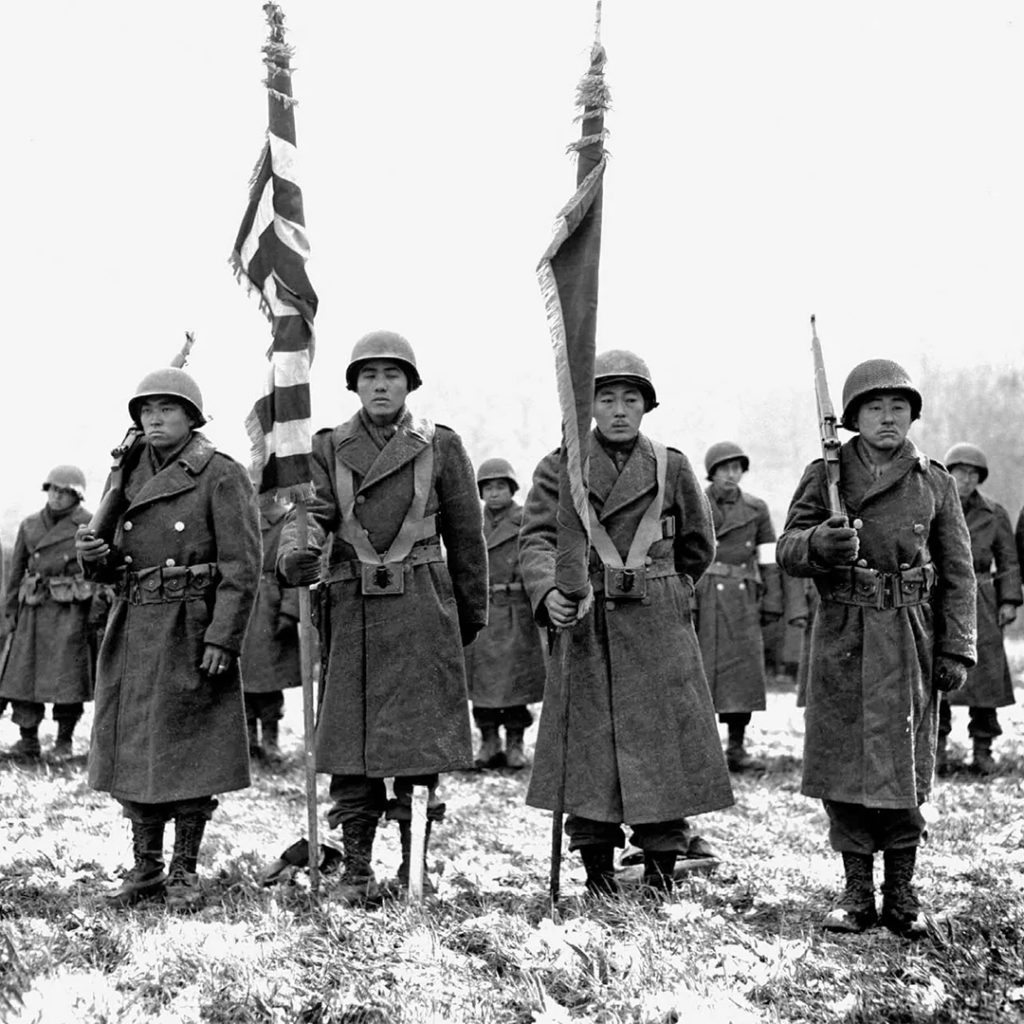
And then there are the stories of valor: Japanese Americans who served in the 100th Infantry Battalion and the 442nd Regimental Combat Team — segregated units composed entirely of Nisei soldiers, many of whose families were still behind barbed wire. Their bravery remains one of the most powerful chapters in this history.
At 736 pages and nearly two pounds, the book is physically and emotionally weighty — because the truth carries weight. It’s not just a history book. It’s a reclaiming of memory, of voice, and of justice.
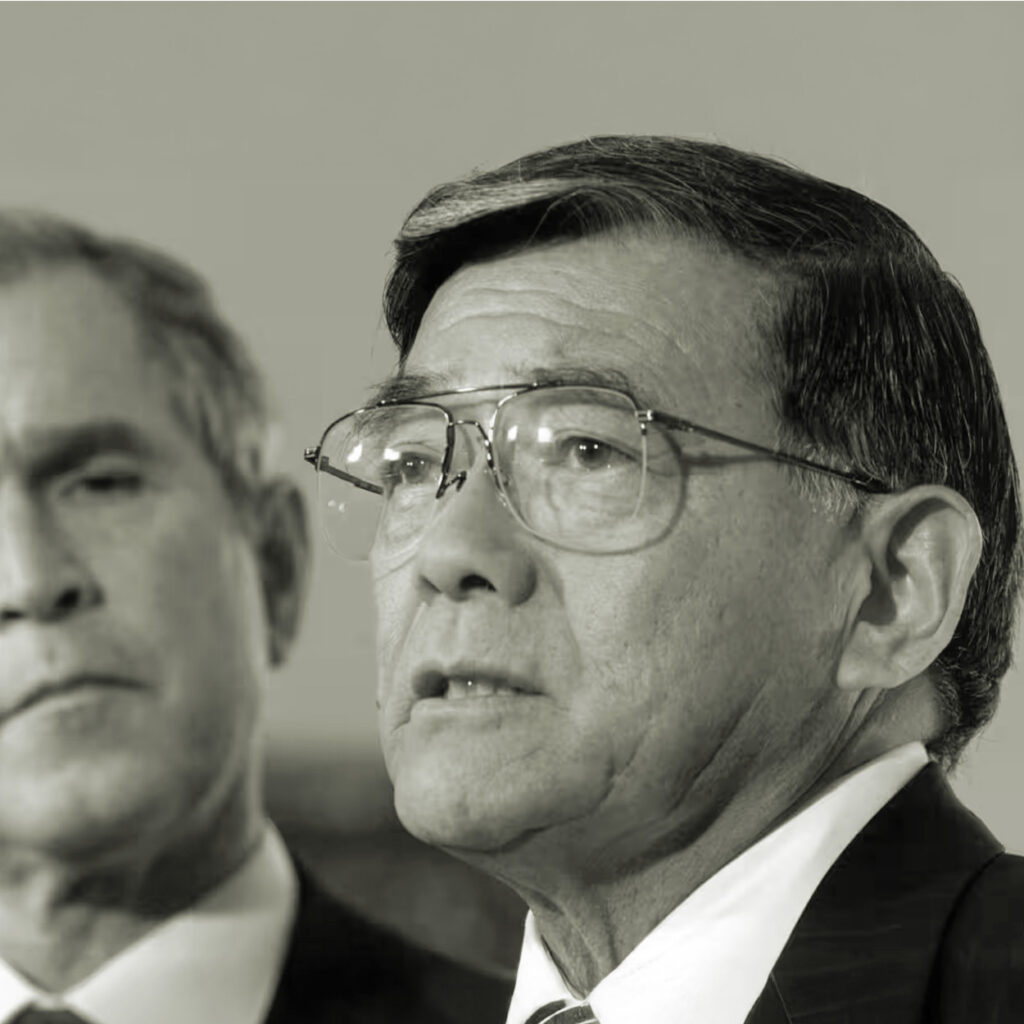
As civil rights icon Norman Mineta described it, this is a chapter that should not be forgotten.
While many of their families remained imprisoned, soldiers of the 442nd Regimental Combat Team became some of the most decorated in U.S. military history.
Civil rights icon Norman Mineta — once incarcerated as a child at Heart Mountain — wrote the foreword to Susan H. Kamei’s landmark book.
Susan H. Kamei is a historian, educator, granddaughter and daughter of former incarcerees. Her landmark book began as a class at USC — and became a mission.
“When Can We Go Back to America?” Reviews
“This landmark historical account shines a light on a part of American history that must be remembered.” — Kirkus Reviews, STARRED, August 15, 2021
“At a time when Asian Americans face new threats in their own homeland, When Can We Go Back to America? is a bracing reminder of the challenges facing minorities — and their hard-earned successes.” — Robert Asahina, author of Just Americans: How Japanese Americans Won a War at Home and Abroad
“The power of their stories compel us to face up to our country’s past, a necessary step towards having a more just society today and in the future.” — Ronald K. Ikejiri, attorney and former Washington, DC representative of the Japanese American Citizens League
Thank yo for a reminding us how to treat people in proper way. Your stories has touched my heart so deeply. All stories has made me cried while I’m reading them.
Thank you sir!


Thank yo for a reminding us how to treat people in proper way. Your stories has touched my heart so deeply. All stories has made me cried while I’m reading them.
Thank you sir!
Thank you for your heartfelt feedback. This is really an amazing book with a lot of heartbreaking stories. Audiobook is available, too.