Hollywood didn’t believe in an Asian movie star. Until they were forced to.
August 19, 1973 — Enter the Dragon premiered in Los Angeles, just one month after Bruce Lee’s sudden death.
For years, Bruce Lee fought to break through in Hollywood. Born in San Francisco and raised in Hong Kong, Lee was more than just a martial artist — he was a trained actor, a philosopher, and a visionary for how Asian characters could be portrayed on screen. But in the late 1960s and early 1970s, Hollywood executives repeatedly told him they “weren’t ready” for an Asian lead.
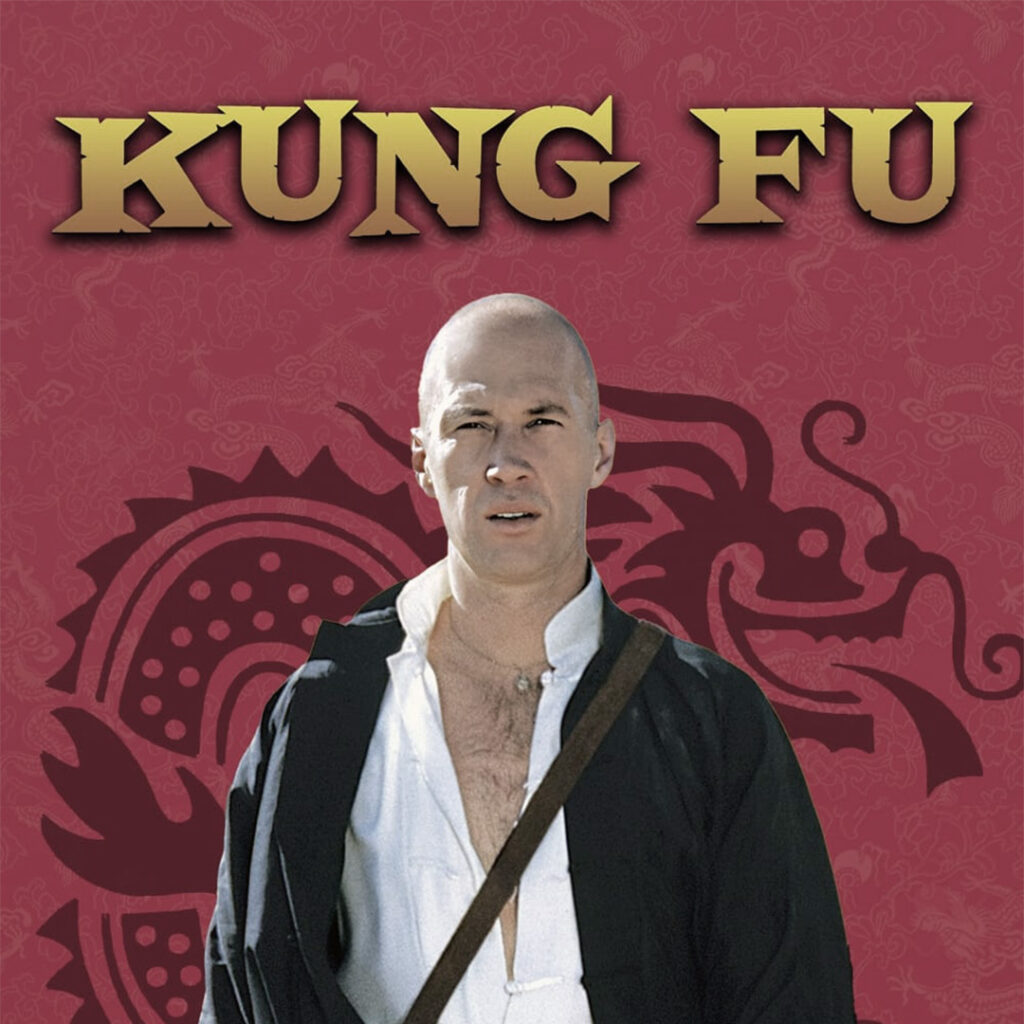
When Lee pitched original projects, he was dismissed, sidelined, or replaced by white actors. The most infamous case was Kung Fu, a concept he had helped develop that ended up starring David Carradine in yellowface.
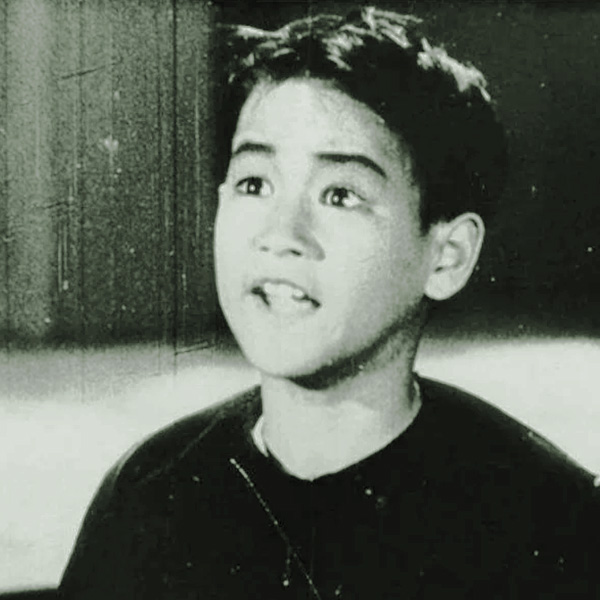
Long before Hollywood noticed, Bruce Lee was already a star — appearing in more than 20 Hong Kong films as a child actor.
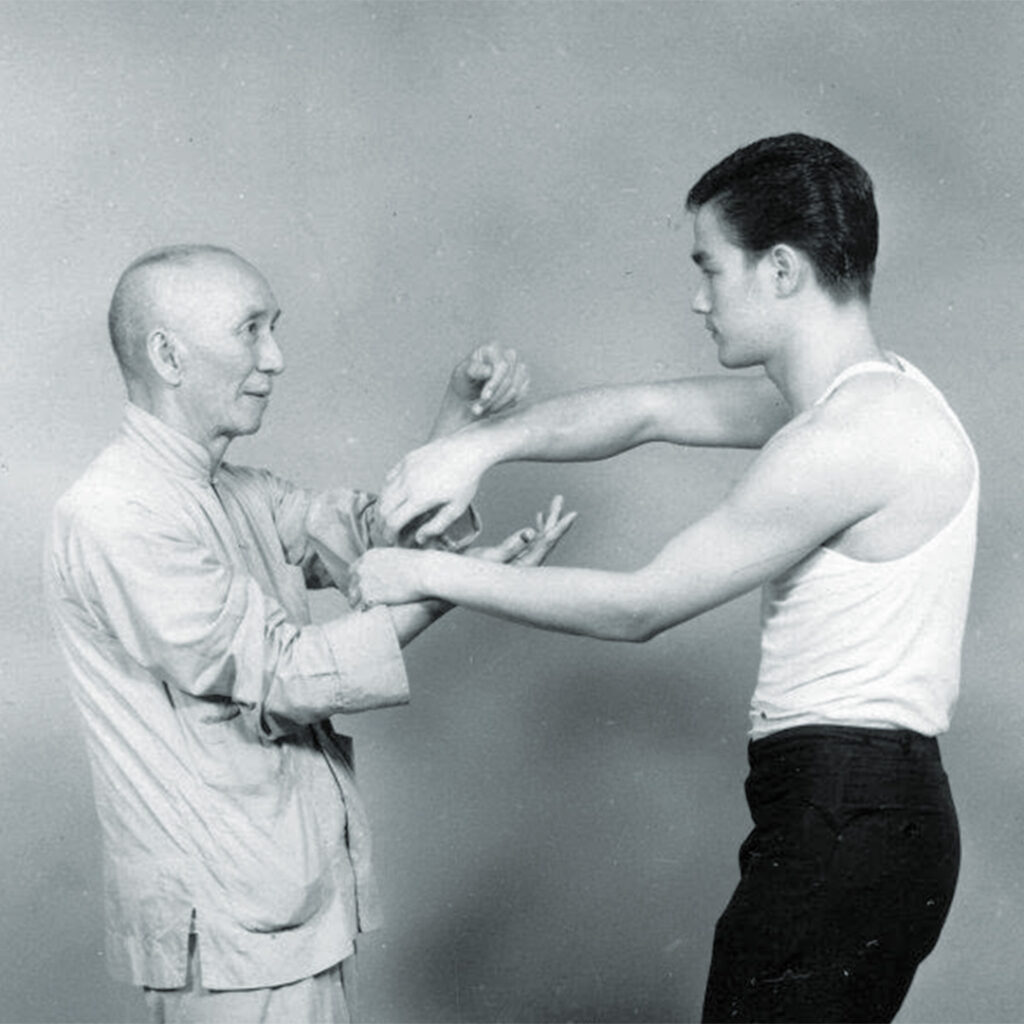
When 18, Bruce studied Wing Chun under Master Yip Man to stay out of trouble. What began as discipline became the foundation of a global martial arts revolution.
Bruce Lee pitched the idea for a TV series about a Shaolin monk in the American West. The show was made — but the role was handed to white actor David Carradine.
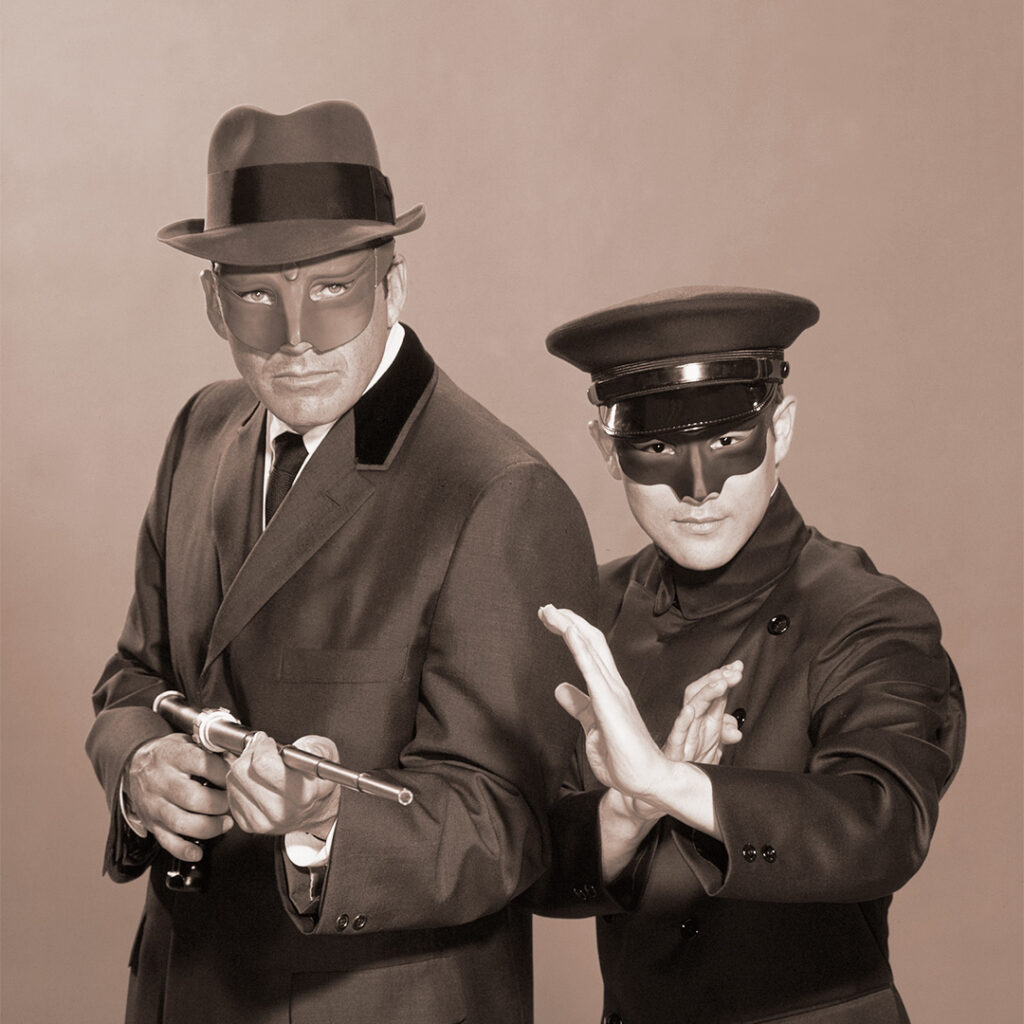
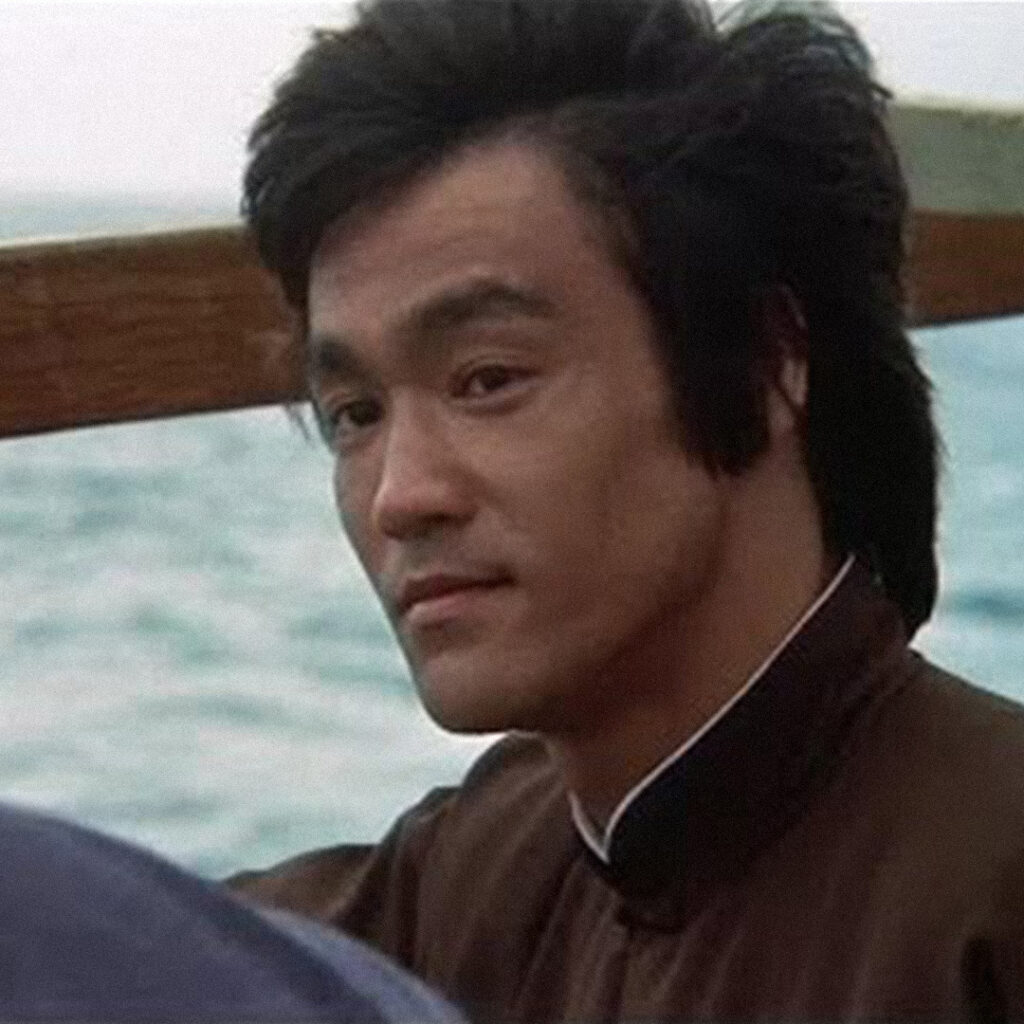
In The Green Hornet, Bruce Lee fought with kung fu. But his character’s name was Kato — not even a Chinese name. It says a lot about the Asian stereotypes of the time.
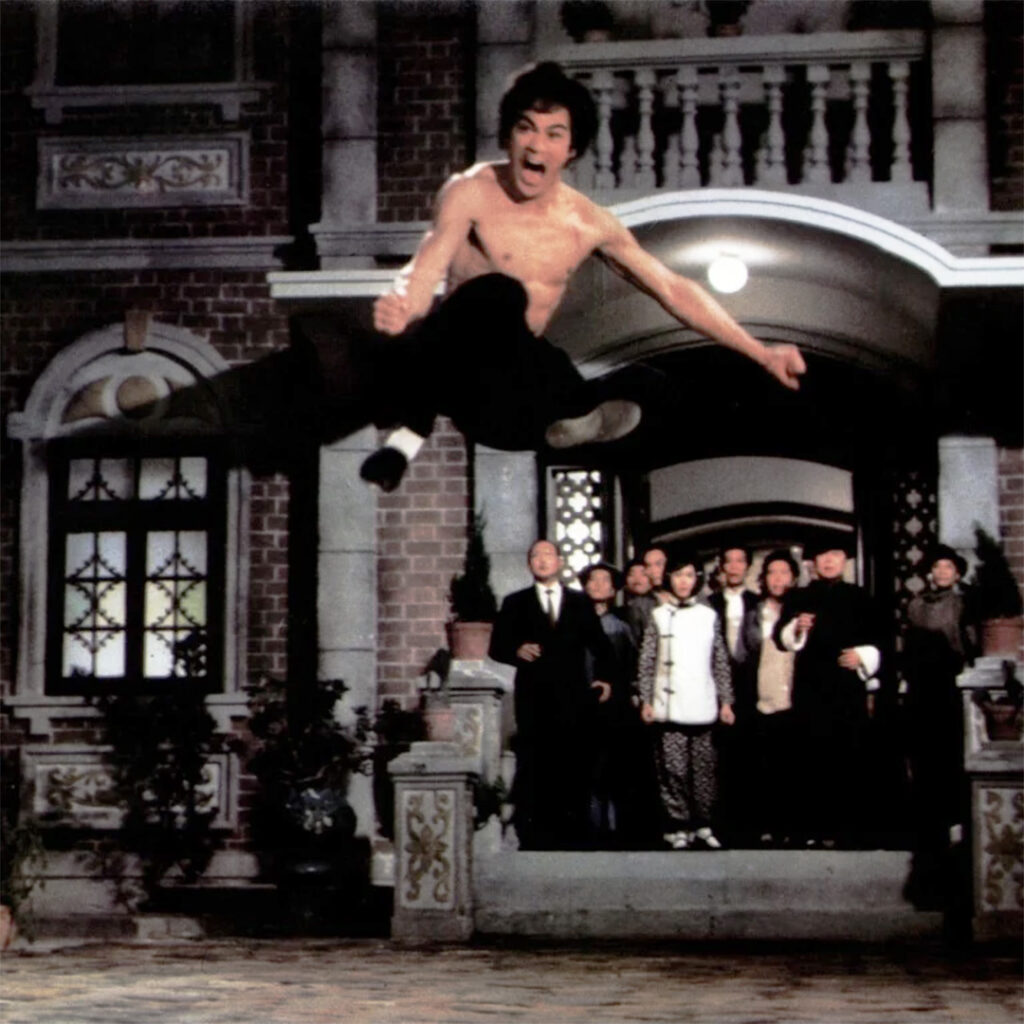
The final scene of "Fist of Fury" (a.k.a. "The Chinese Connection"). Bruce Lee’s films in Hong Kong were electric, they gave him the stardom Hollywood didn't.
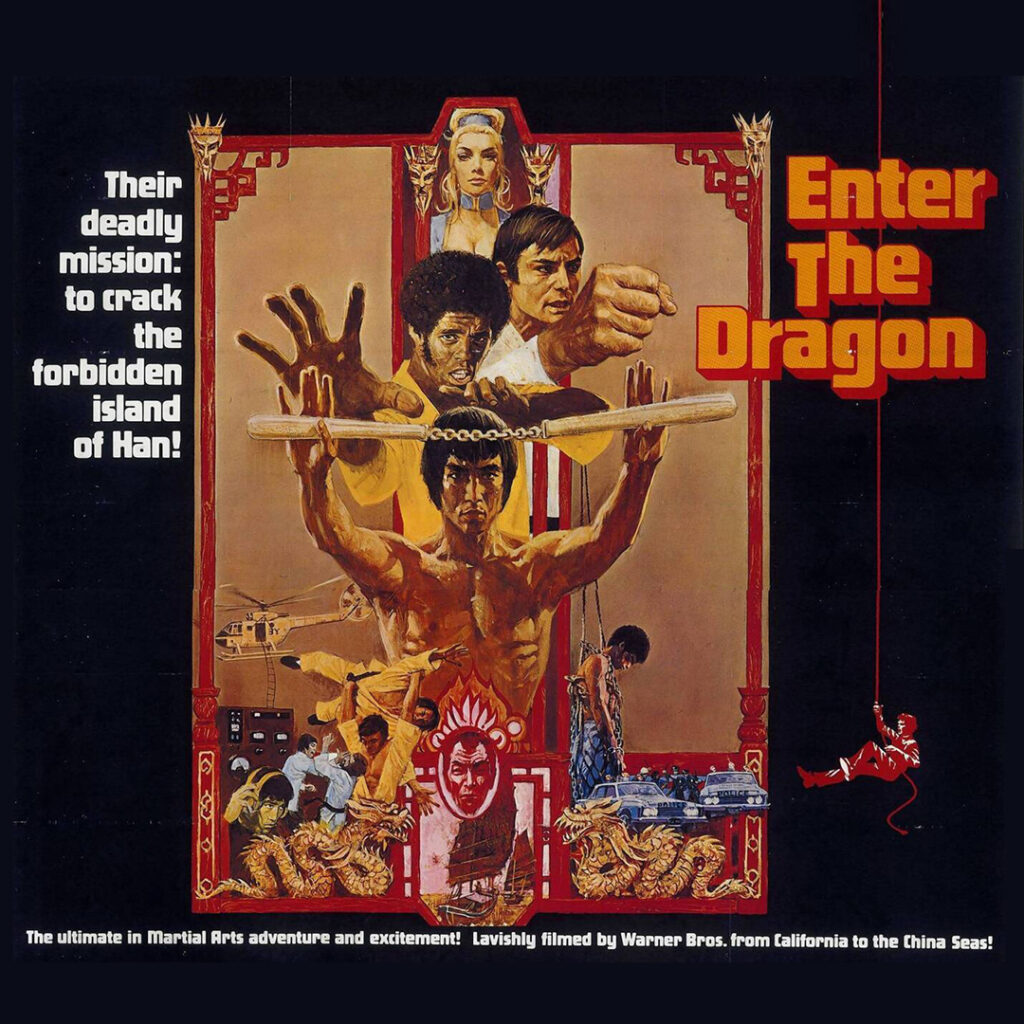
"Enter the Dragon" (1973). Bruce Lee was born in the Year of the Dragon, and his Chinese stage name, Xiaolong, meant ‘Little Dragon.’
Tired of being typecast as sidekicks like Kato in The Green Hornet, Lee returned to Hong Kong. There, he signed on to star in martial arts films that finally showcased his charisma and skill — The Big Boss (1971), Fist of Fury (1972), and Way of the Dragon (1972). They shattered box office records across Asia and made Bruce Lee one of the most bankable stars in the world.
Suddenly, the same industry that said he’d never be a leading man wanted in. Warner Bros. partnered with Golden Harvest to co-produce Lee’s next film, then titled Blood and Steel. It was renamed Enter the Dragon for its U.S. release.
Lee poured himself into the project — overseeing fight choreography, refining dialogue, and ensuring martial arts were presented with dignity and authenticity.
But Lee never got to see the film’s success. On July 20, 1973, just weeks before Enter the Dragon premiered, Bruce Lee died suddenly in Hong Kong at the age of 32. His passing shocked fans worldwide.
When Enter the Dragon hit theaters on August 19, it became an instant global hit — grossing over $710 million in today’s dollars. Critics hailed it as a new standard for action films. More importantly, it proved that an Asian lead could carry a Hollywood blockbuster.
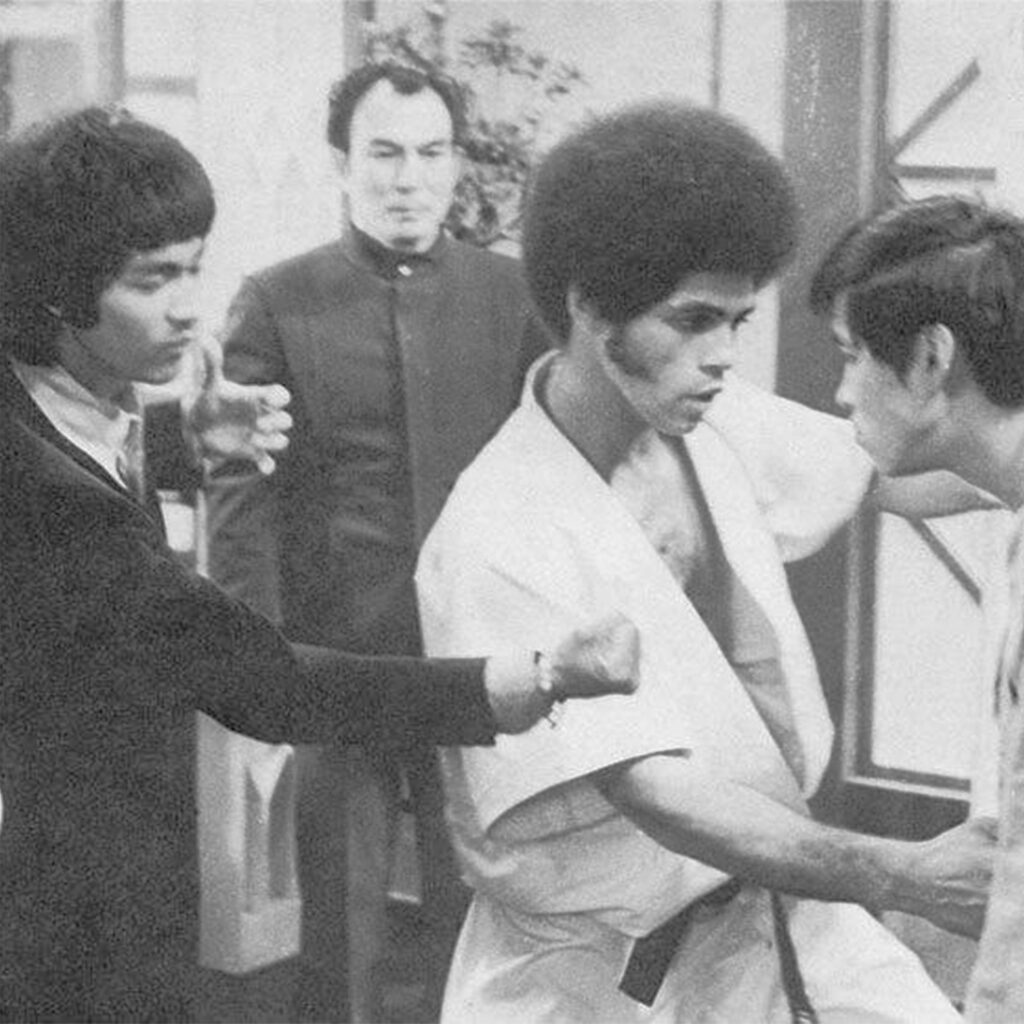
Bruce Lee choreographing a fight scene with Jim Kelly. Lee’s vision for martial arts on screen wasn’t just about style — it was about authenticity, rhythm, and storytelling.
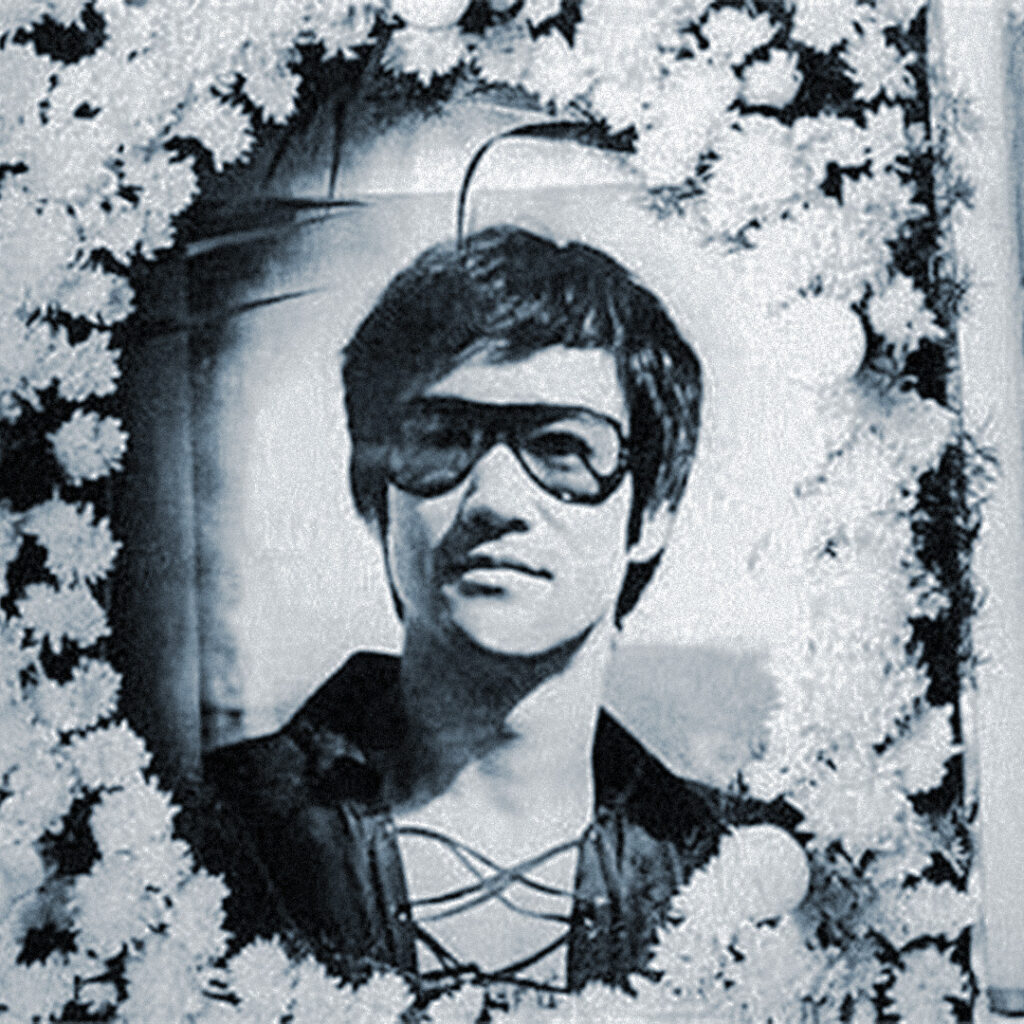
Bruce Lee died on July 20, 1973, at just 32 years old — one month before Enter the Dragon premiered. His funeral drew tens of thousands.
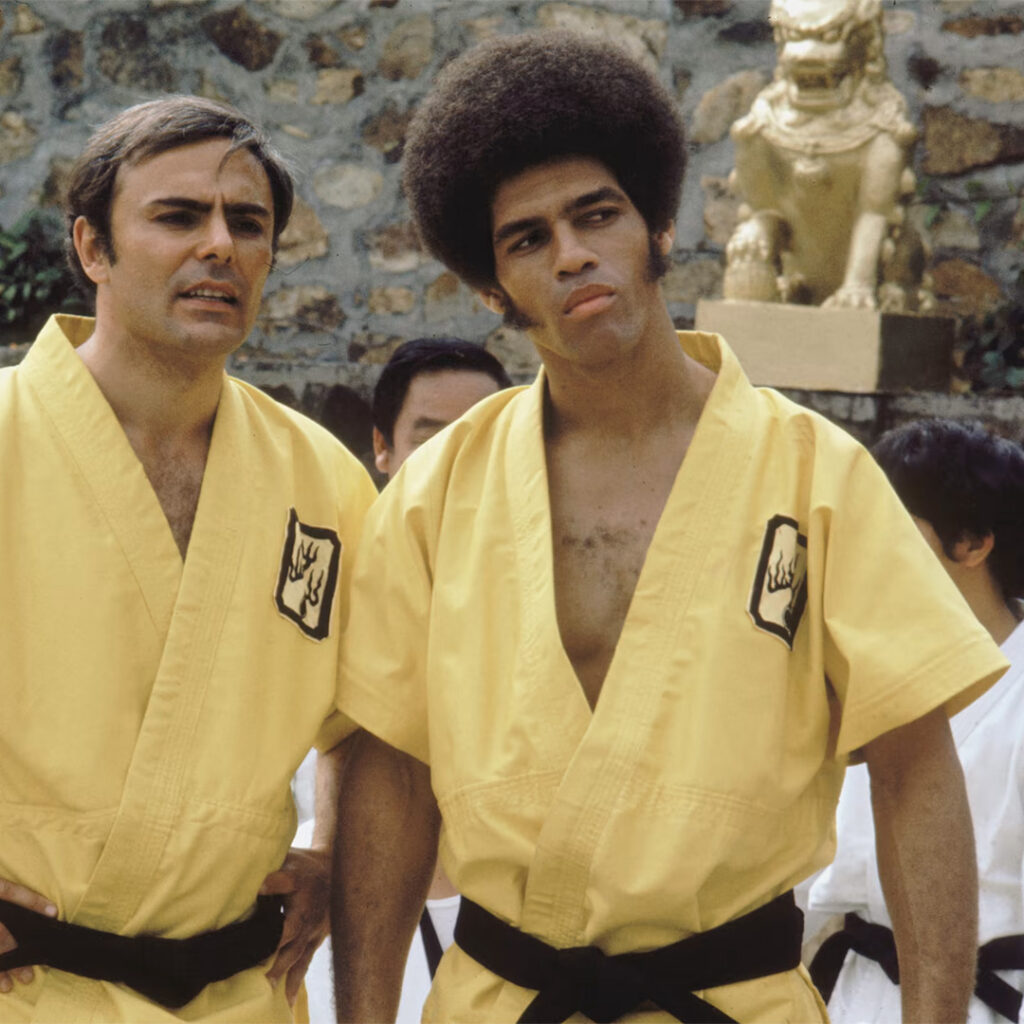
Bruce Lee’s Enter the Dragon didn’t just shatter stereotypes about Asians on screen — it also gave Black audiences a new kind of hero.
Lee demonstrates his philosophy of ‘Fighting Without Fighting,’ inspired by a 16th-century samurai Tsukahara Bokuden's philosophy about wisdom and restraint.
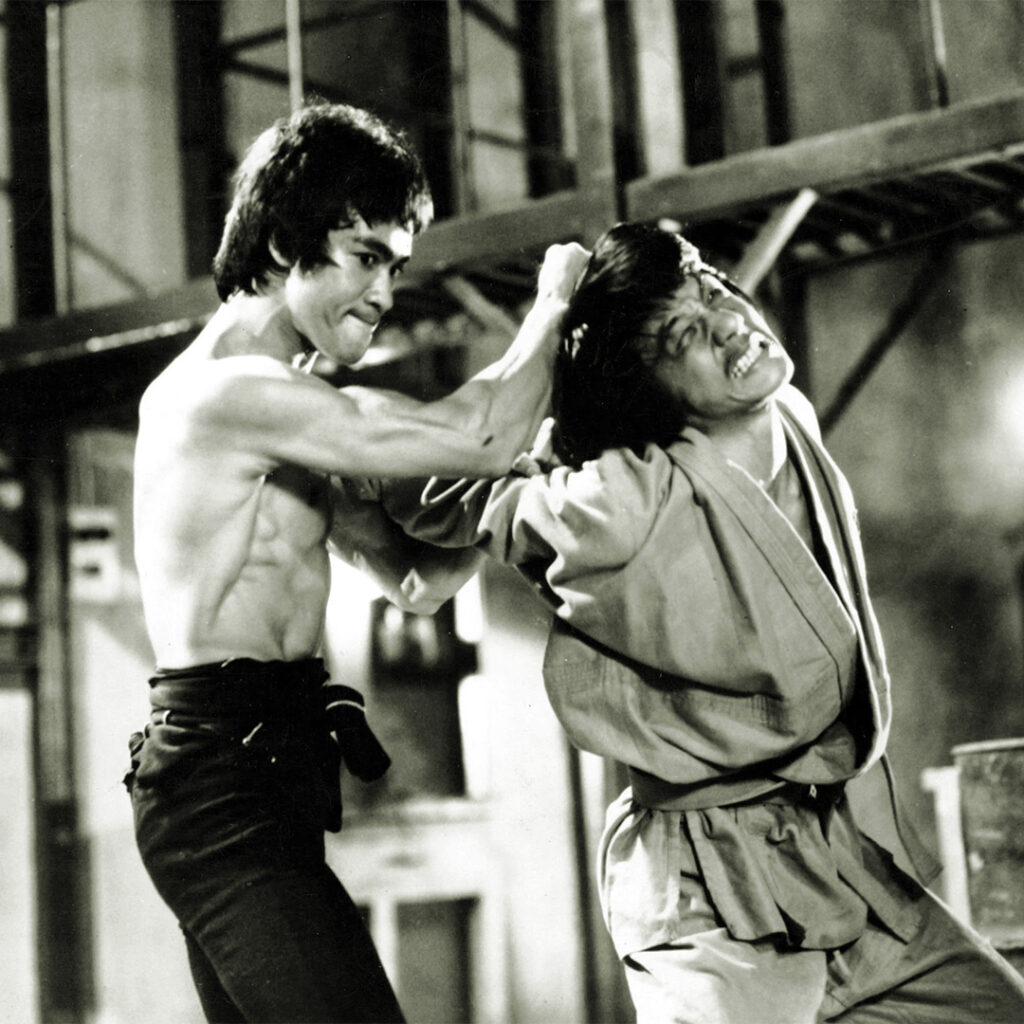
During filming of Enter the Dragon, Bruce Lee accidentally struck a then-unknown stuntman named Jackie Chan.
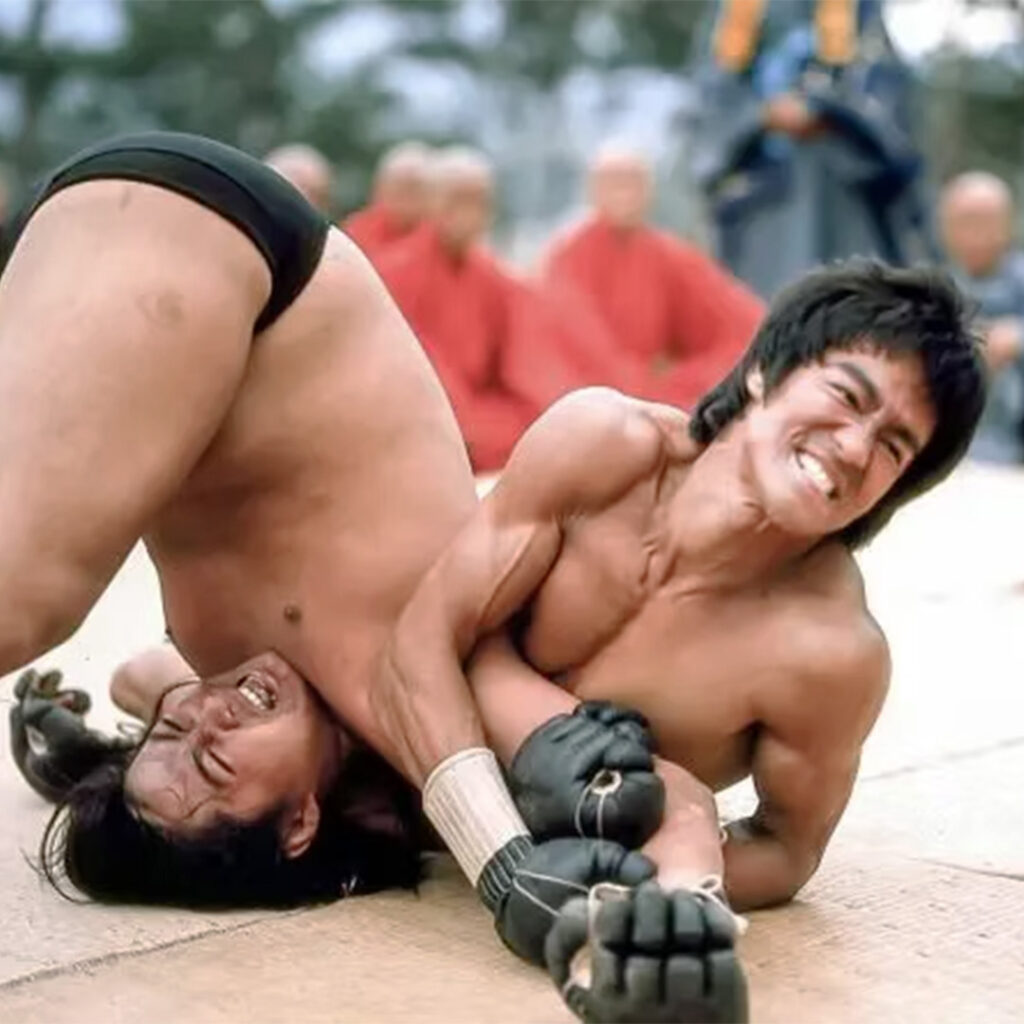
The opening fight of Enter the Dragon was filmed with a young Sammo Hung. Bruce reportedly insisted on adding it afterwards because he didn’t want filming to end.
For many, Enter the Dragon wasn’t just a movie — it was a cultural milestone. It broke stereotypes, inspired generations of martial artists and actors, and opened the door for more Asian representation in Hollywood.
Bruce Lee never lived to see it, but the world could no longer deny what he had known all along: audiences everywhere were ready.