This wasn’t just a photo of two men. It was the moment one country lost its god.
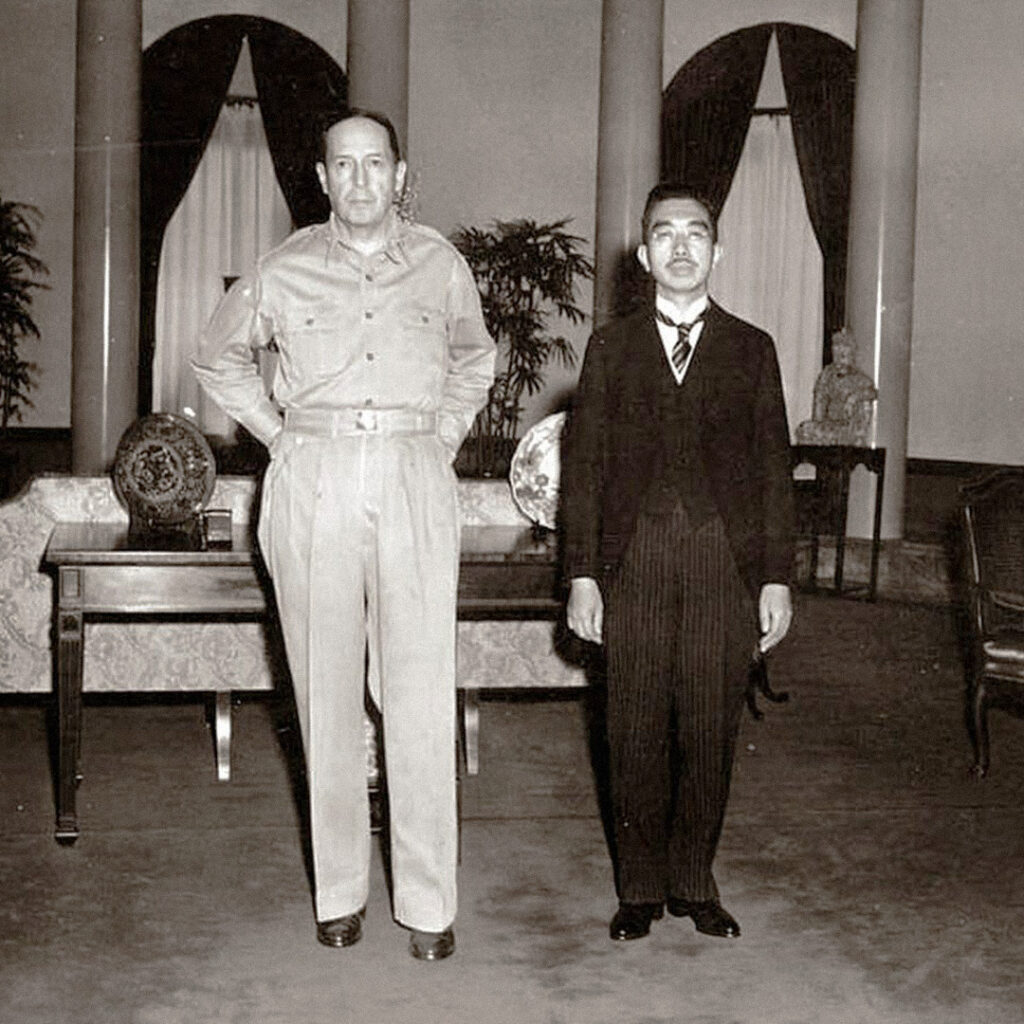
September 27, 1945: General Douglas MacArthur met Emperor Hirohito for the first time in Tokyo.
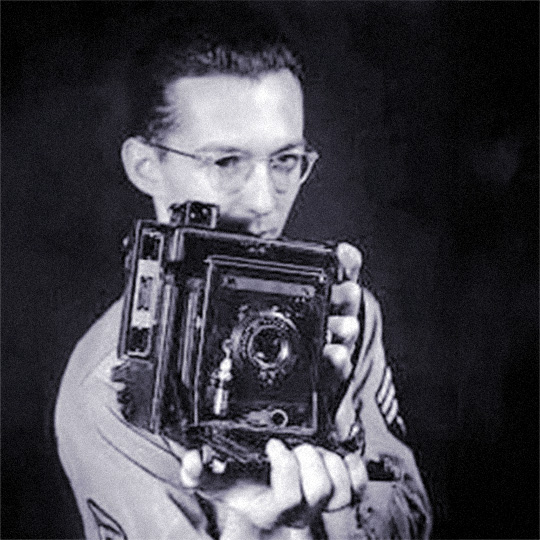
The moment was captured in one of the most iconic photographs of the 20th century, photographed by MacArthur’s personal photographer, Major Gaetano Faillace.
To Americans, it symbolized Japan’s defeat. To the Japanese, it was the end of the world as they knew it.
MacArthur stood tall and casual, dressed in his standard duty uniform without a tie, hands resting on his hips. Hirohito looked small and stiff in formal attire. The image upended centuries of symbolism. In traditional Japanese culture, the Emperor was the divine center of power. He always appeared larger than life.
But here, he was dwarfed.
Shot by U.S. Army photographer Gaetano Faillace, the image became one of the most iconic photographs of the 20th century. But to the Japanese, it was shocking.
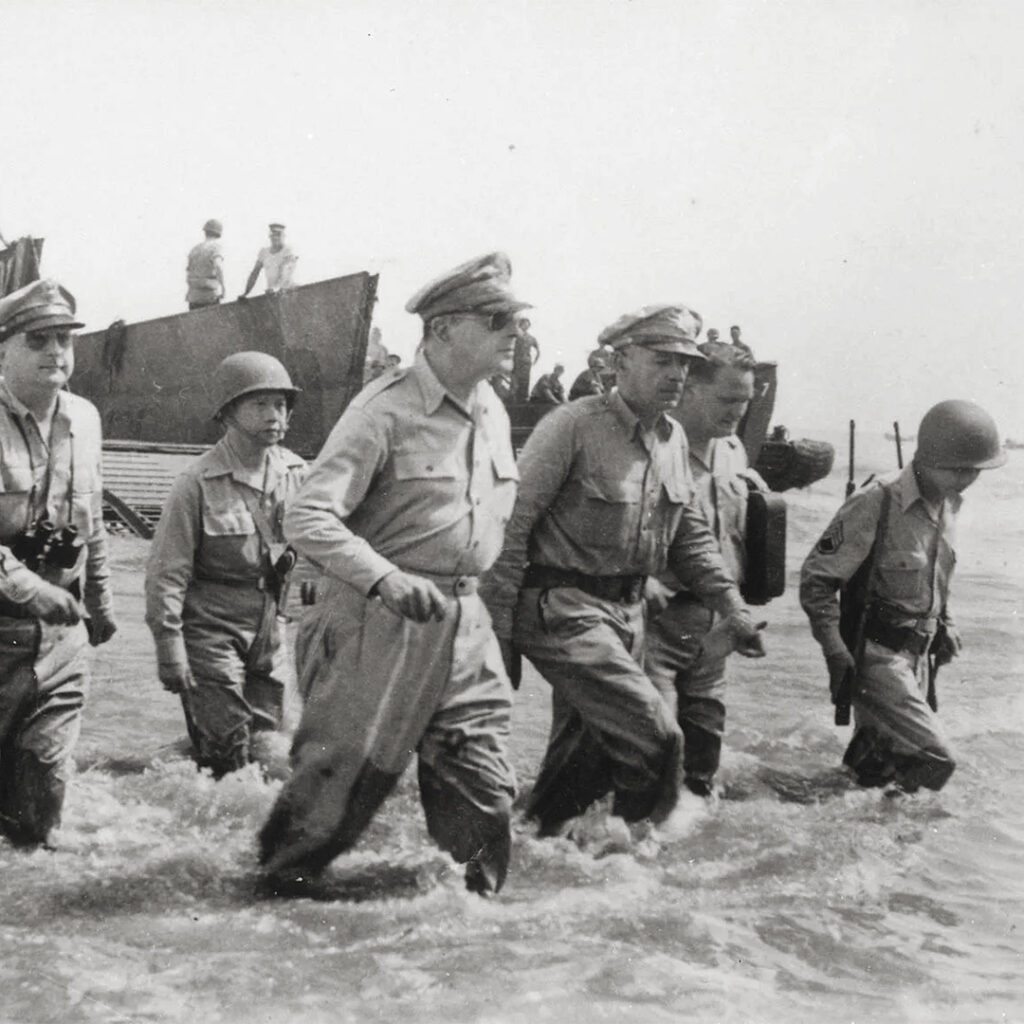
General MacArthur’s personal photographer Faillace captured many of the defining images of WWII, including MacArthur wading ashore in the Philippines.
Another iconic photograph by Gaetano Faillace, this staged image of MacArthur in the Philippines symbolized the fulfillment of his famous promise: “I shall return.”
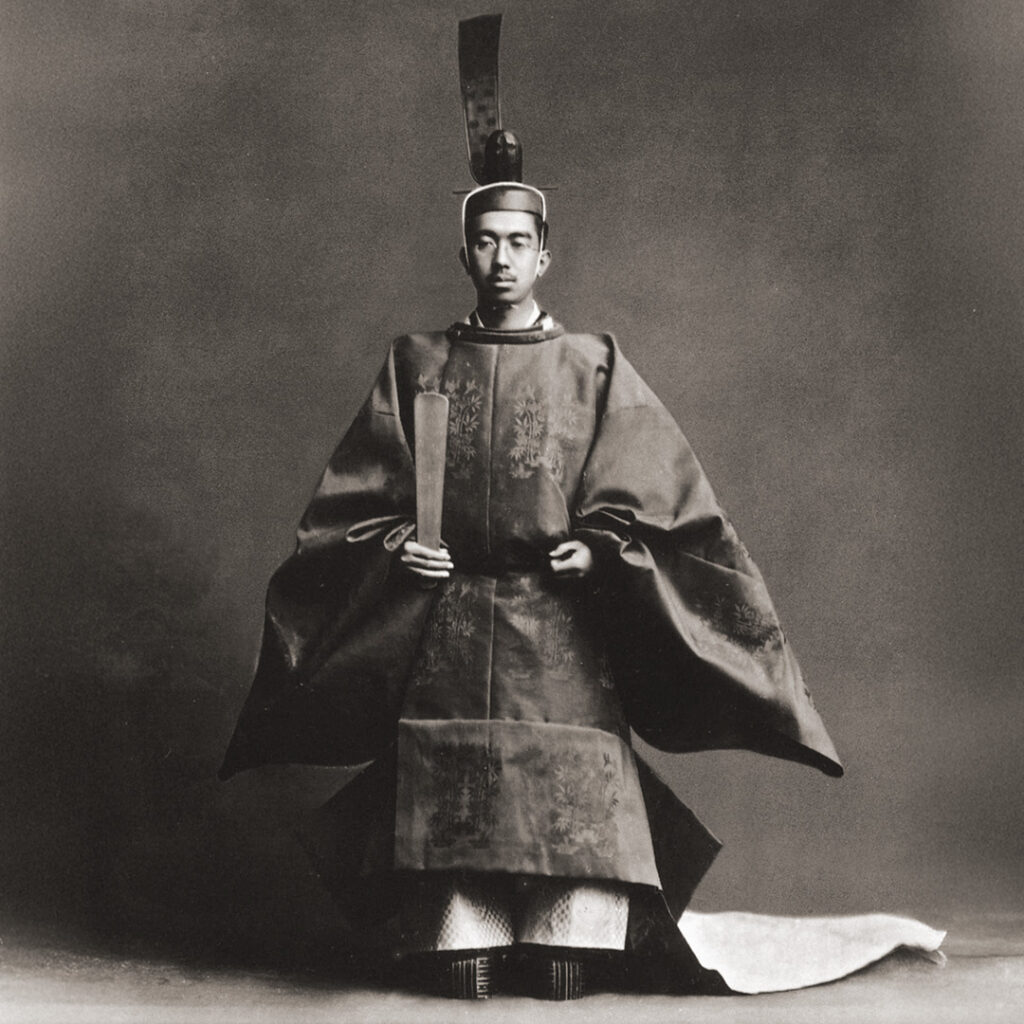
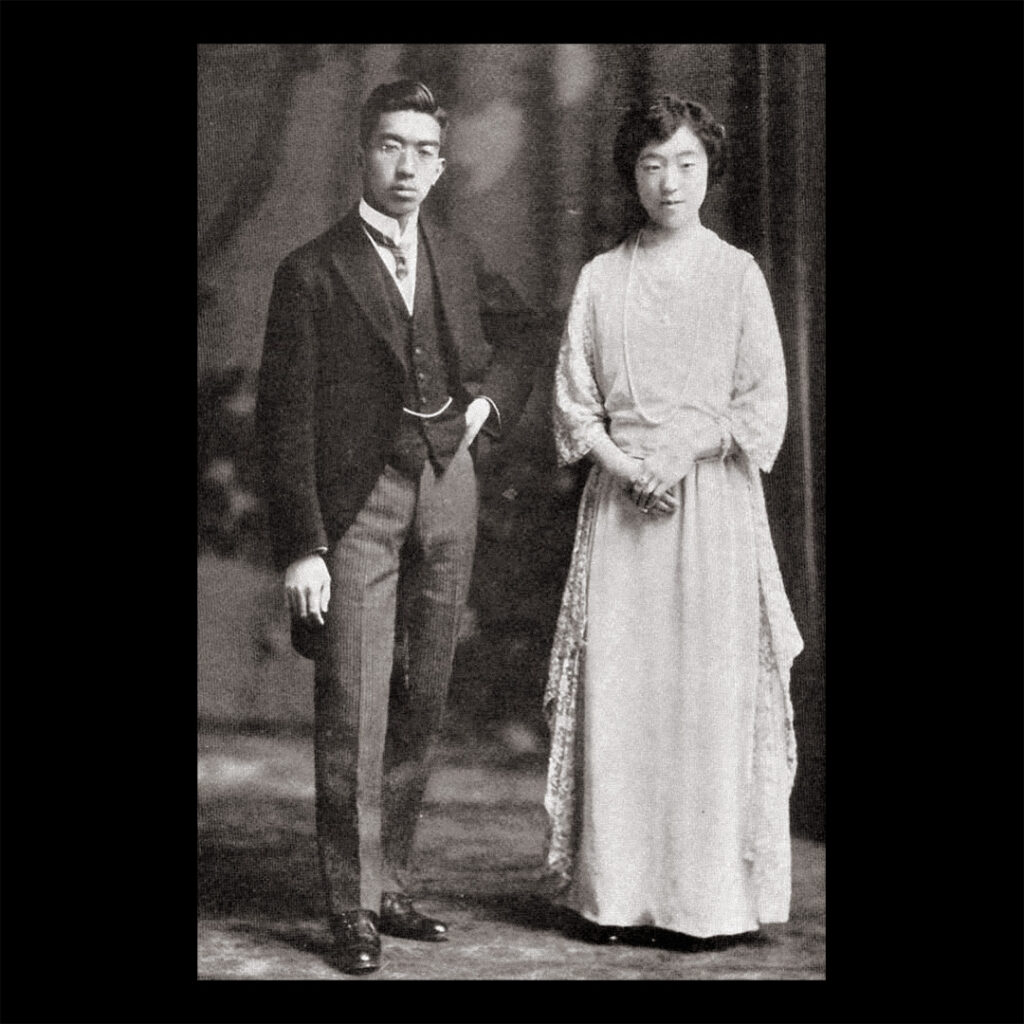
This official portrait, taken at the time of his enthronement, reflects the grandeur and divine symbolism traditionally associated with Japan’s Emperor.
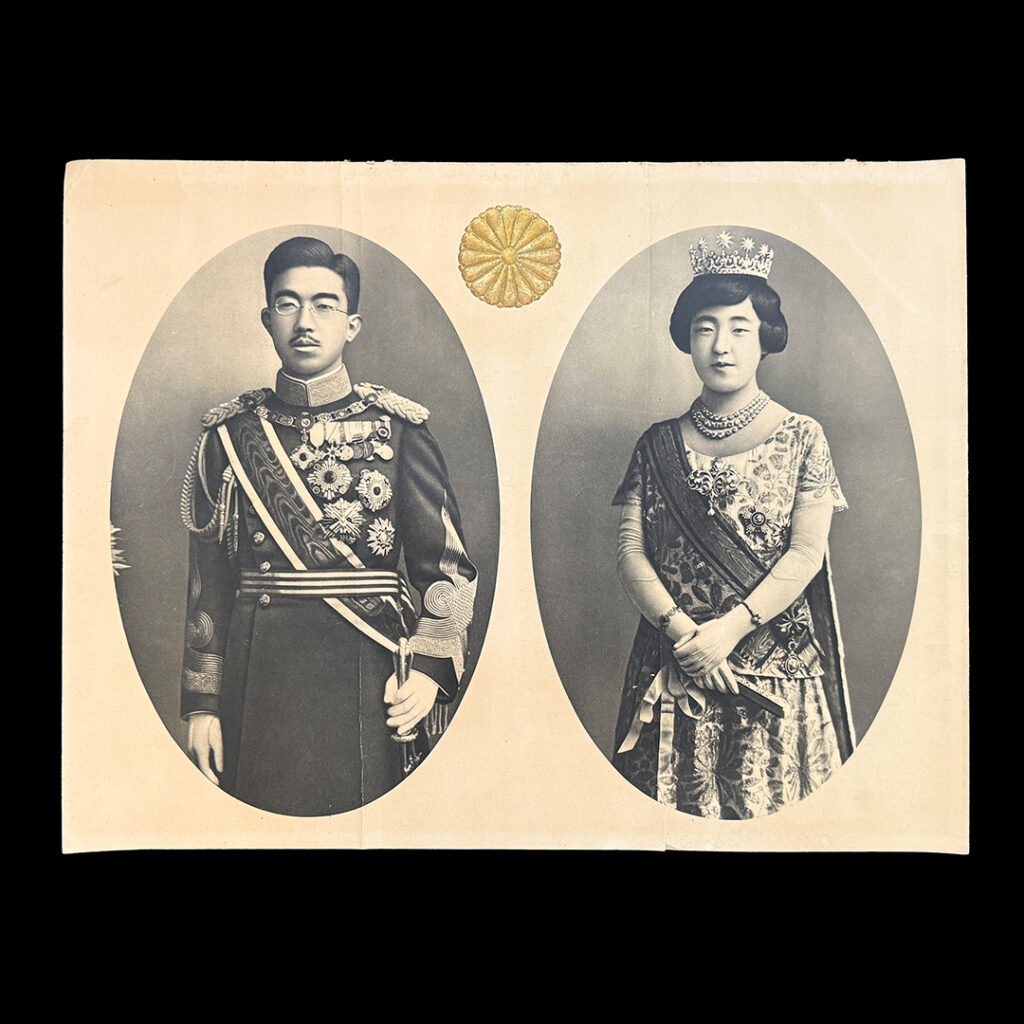
A commemorative poster with the official Imperial Seal of Japan. Traditionally, the Emperor was always placed on the left, the position of masculine prominence.
In this formal portrait, Hirohito stands taller and in a dominant stance, visually reinforcing traditional gender roles and imperial hierarchy.
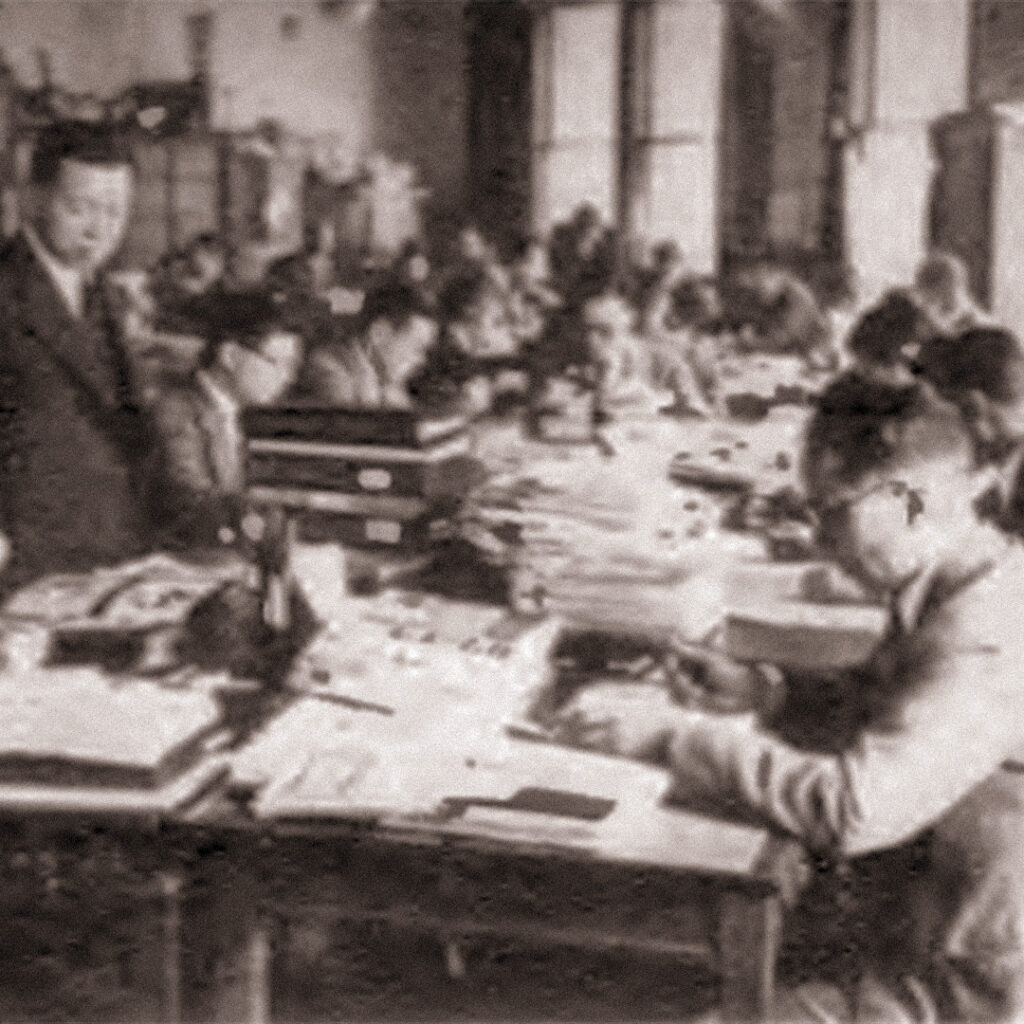
Government censors at work, 1938. Censorship offices like this filtered every publication, photo, and article to ensure alignment with state propaganda.
The Symbolisms
Even the positioning in the frame mattered. Hirohito stood to the right — the feminine side in traditional Japanese composition — while MacArthur stood to the left, traditionally the dominant, masculine side. Japanese censors were horrified. But American officials insisted the image be published. They wanted the world, and the Japanese people, to see who was in charge now.
The photograph wasn’t just a snapshot. It was a statement of power. The U.S. occupation of Japan had begun, and this image became its defining portrait.
But what happened just before the photo perhaps mattered even more. According to MacArthur’s memoirs, Hirohito arrived, looking nervous and expecting to die.
A Life or Death Meeting
“I come to you, General MacArthur, to offer myself to the judgment of the powers you represent, as the one to bear sole responsibility for every political and military decision made and action taken by my people, in the conduct of war.”
MacArthur was moved. He called Emperor Hirohito “the First Gentleman of Japan.”
Instead of sending him to trial with the other war criminals, MacArthur made a bold decision. Hirohito would remain on the throne, not as a god, but as a figurehead. His divine status was revoked and his political power was stripped. But his presence, MacArthur believed, was essential to keeping the country stable.
And he was right. With Hirohito’s cooperation, Japan transitioned peacefully into a new democratic order. There was no uprising. No guerrilla warfare. The Japanese people followed their Emperor’s lead.
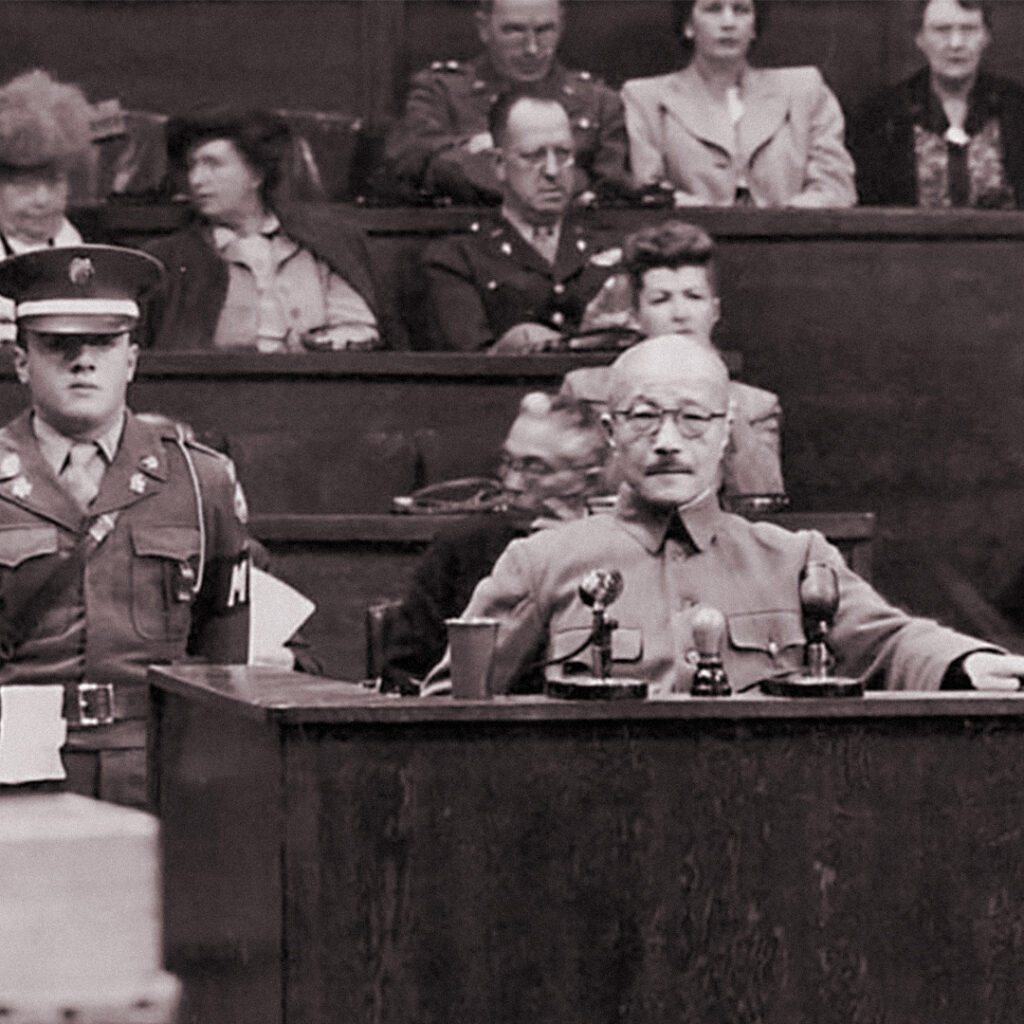
As Japan’s wartime prime minister, Tojo couldn’t escape accountability. He was sentenced to death and executed in 1948, along with several other top wartime leaders.
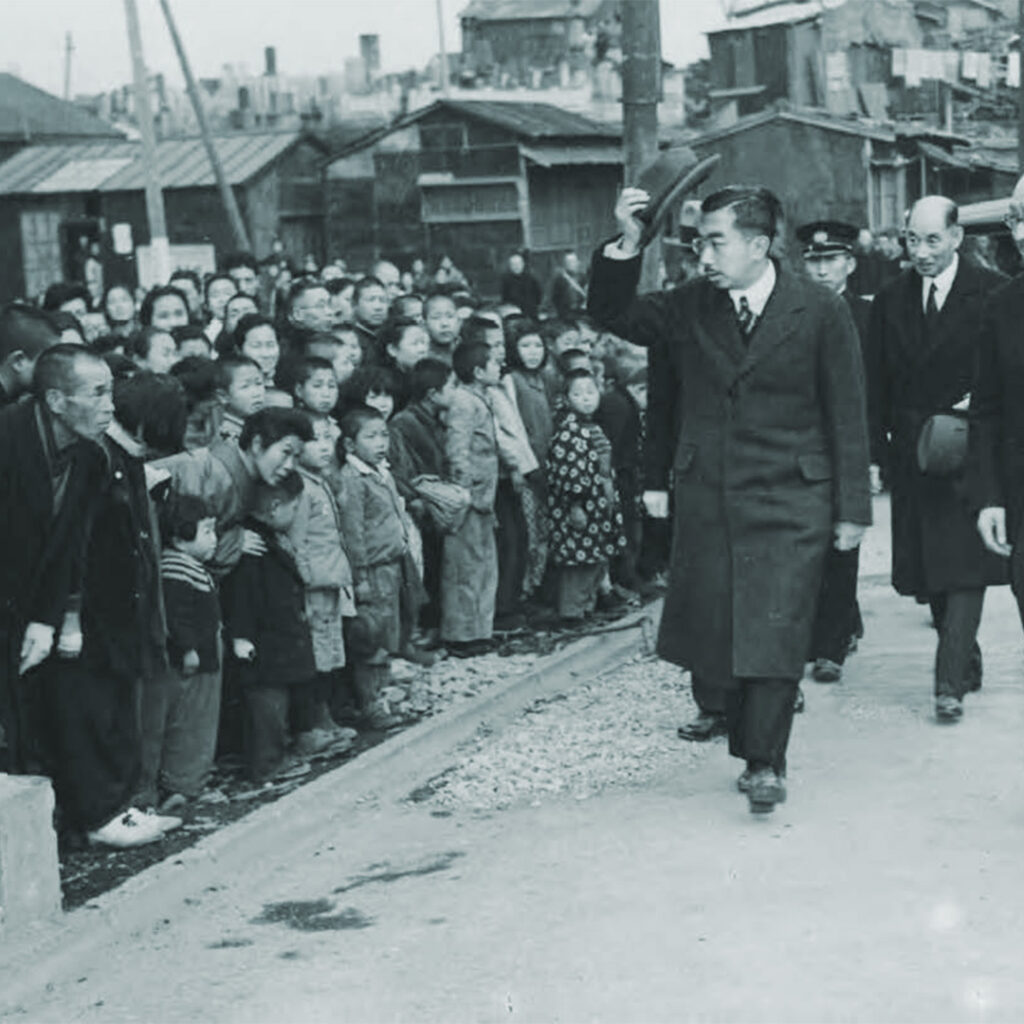
Just months after Japan’s surrender, Hirohito began traveling across the country, no longer as a god, but as a man trying to connect with ordinary citizens.
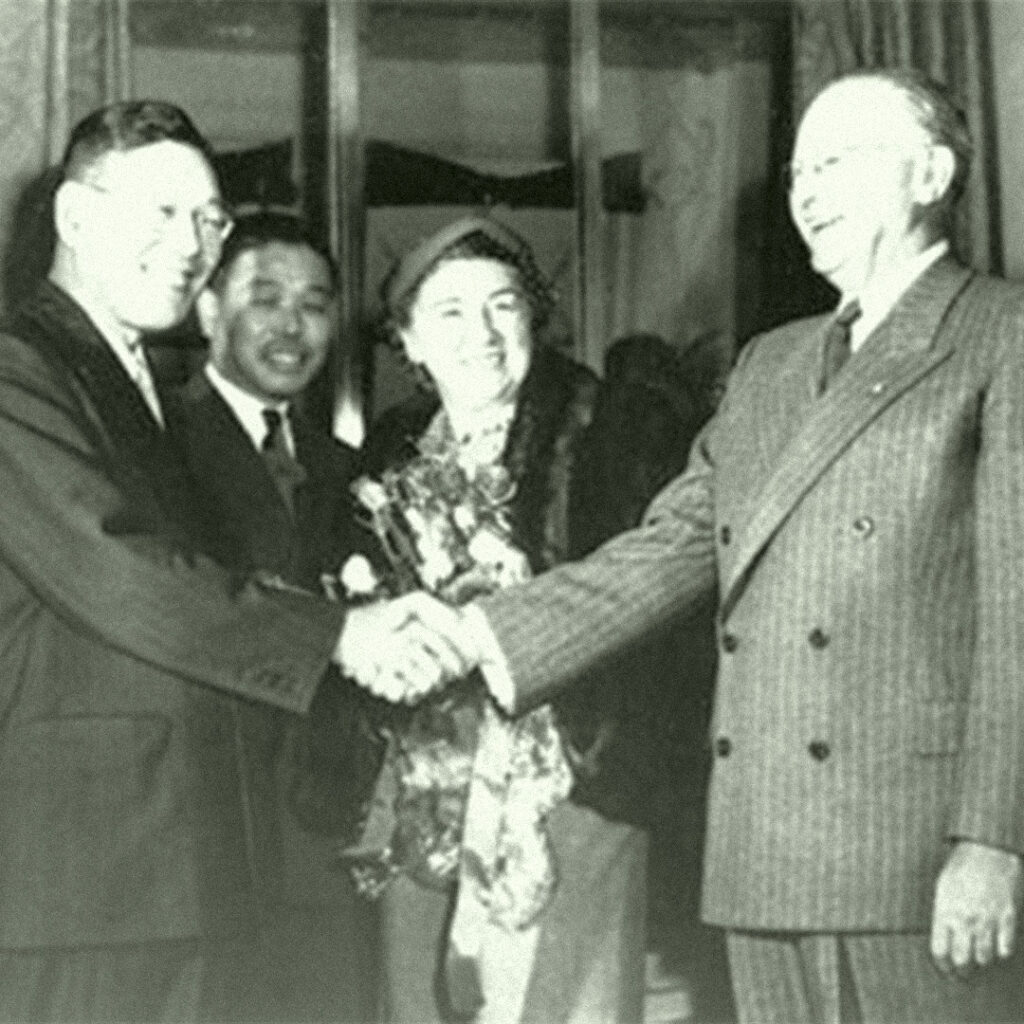
Japanese Finance Minister Hayato Ikeda meets American economist Joseph Dodge, 1949. The meeting helped lay the groundwork for Japan’s postwar economic recovery.
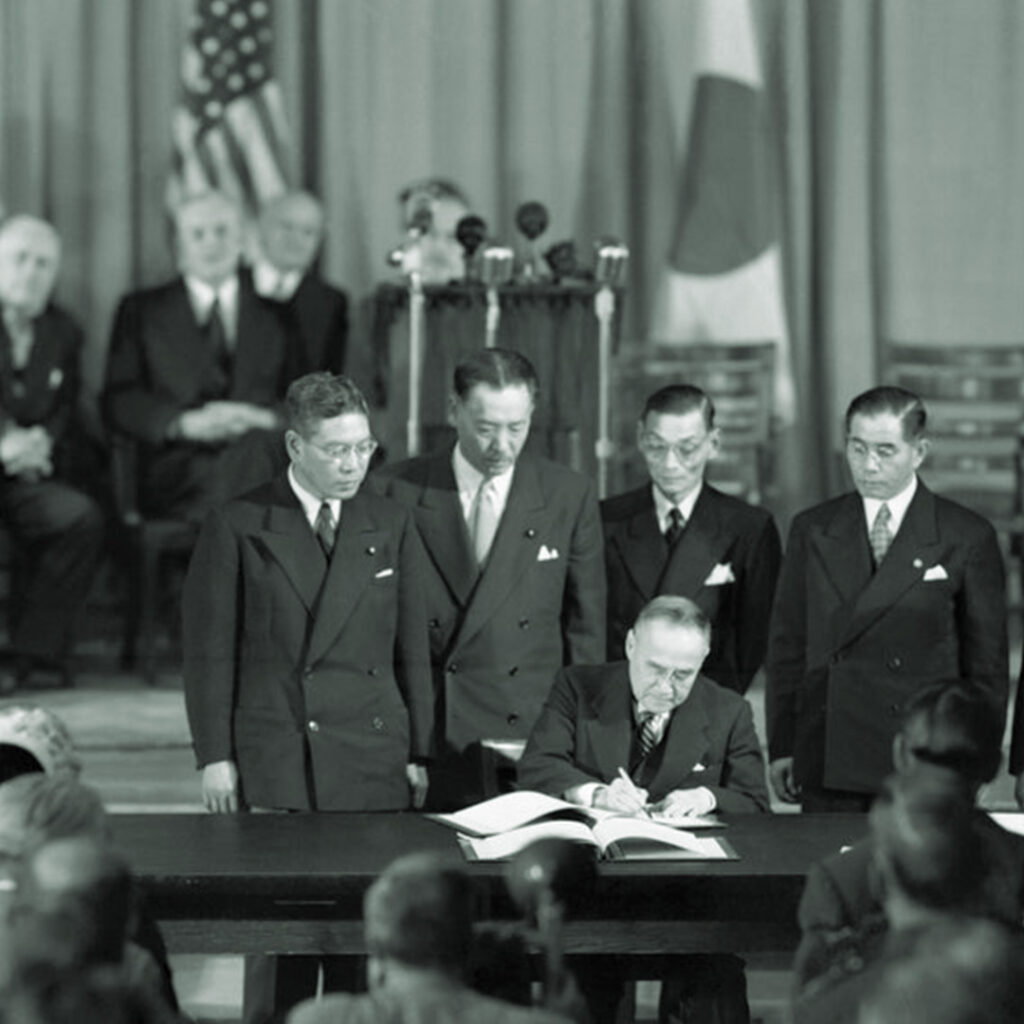
Signing of the U.S.–Japan Peace Treaty, San Francisco, 1951. Representatives from Japan and 48 Allied nations gathered to formally end WWII and restore Japan’s sovereignty.
A Brand New Day
The image of MacArthur and Hirohito circulated globally. In the United States, it was seen as a symbol of victory. In Japan, it marked the collapse of an old world.
The god-emperor had stepped down. The divine became mortal.
And from that symbolic collapse, a new Japan emerged — one that would grow into one of theclosest ally of the United States.
Hirohito remained on the throne until his death in 1989, never again worshipped as a deity, but remembered as a man who helped his nation survive its darkest hour.
Enjoyed this story?
Buy us a coffee and help us continue uncovering overlooked history.