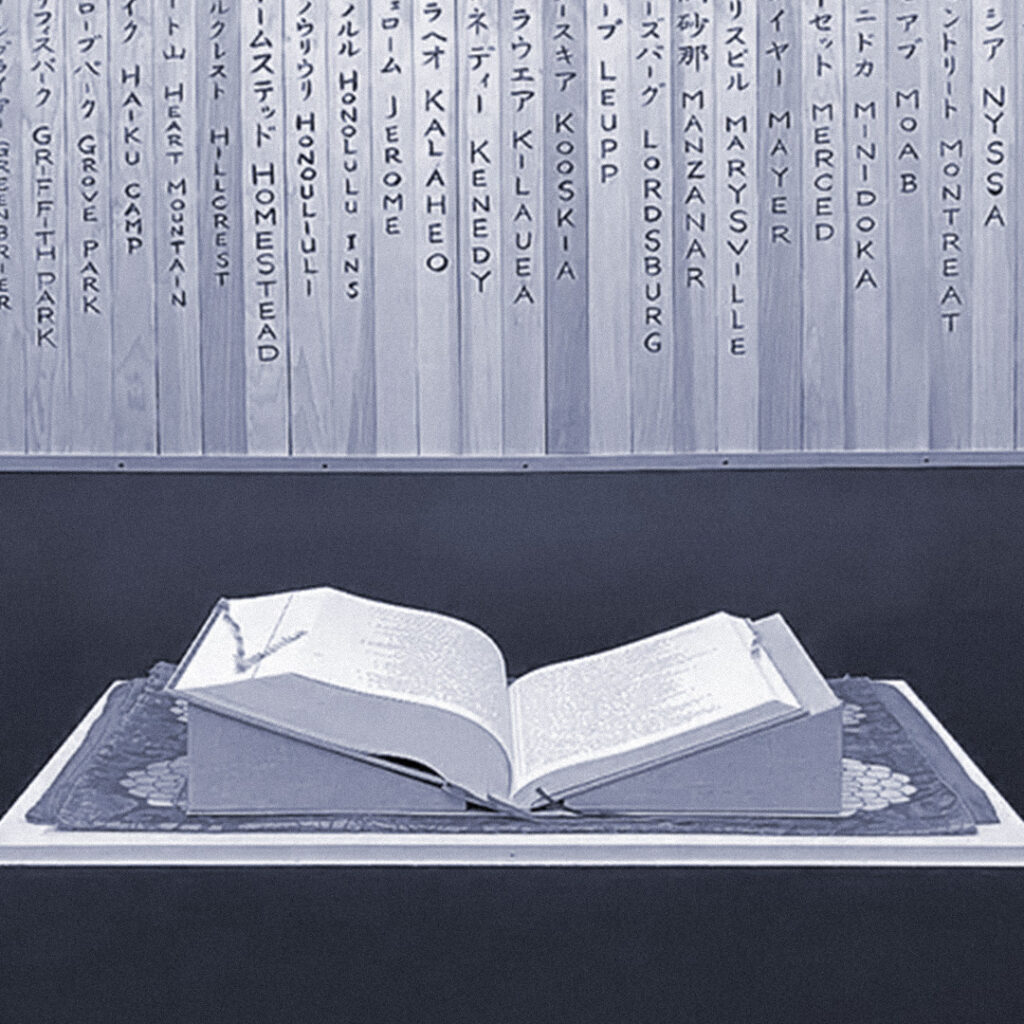
With over 125,000 names of people who faced injustice in America, it’s an incredibly heavy book.
September 24, 2022: Buddhist priest and scholar Duncan Ryuken Williams launched Ireichō, the first comprehensive listing of every known person of Japanese ancestry incarcerated during WWII.
For decades, the history of Japanese American incarceration has often been told through numbers: 10 camps, 120,000 people, 4 years. But numbers can obscure. They can make us forget these were real people with real names, torn from real lives.
Ireichō corrects that.
Led by Soto Zen Buddhist priest, scholar, and writer Duncan Ryuken Williams, the Ireichō project represents the first comprehensive list of every known person of Japanese ancestry held in U.S. confinement sites during WWII. Drawing from U.S. government records and painstaking research, the book restores the identities of those once stripped of them — not as statistics, but as honored individuals, each with a unique soul.
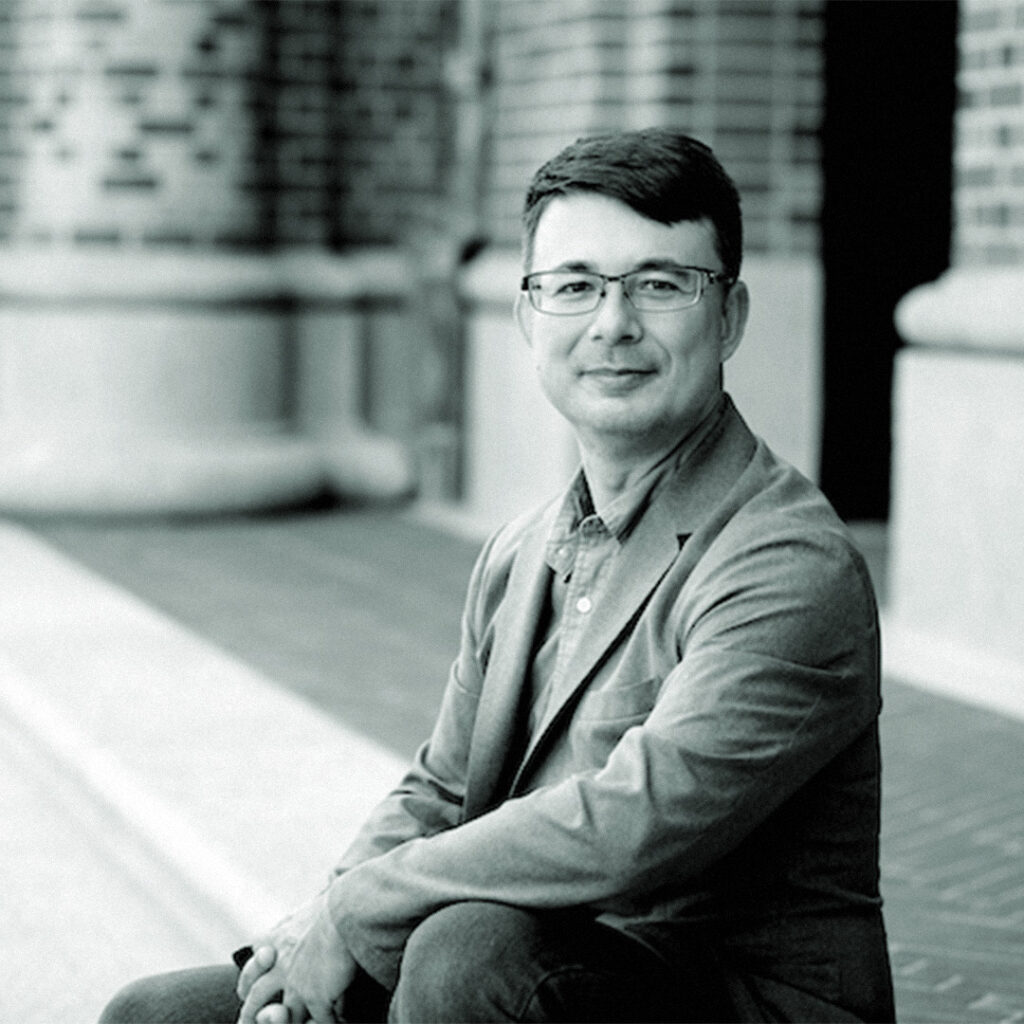
Duncan Ryuken Williams, the Buddhist priest and scholar behind Ireichō, has dedicated years to restoring the names and dignity of those incarcerated during WWII.
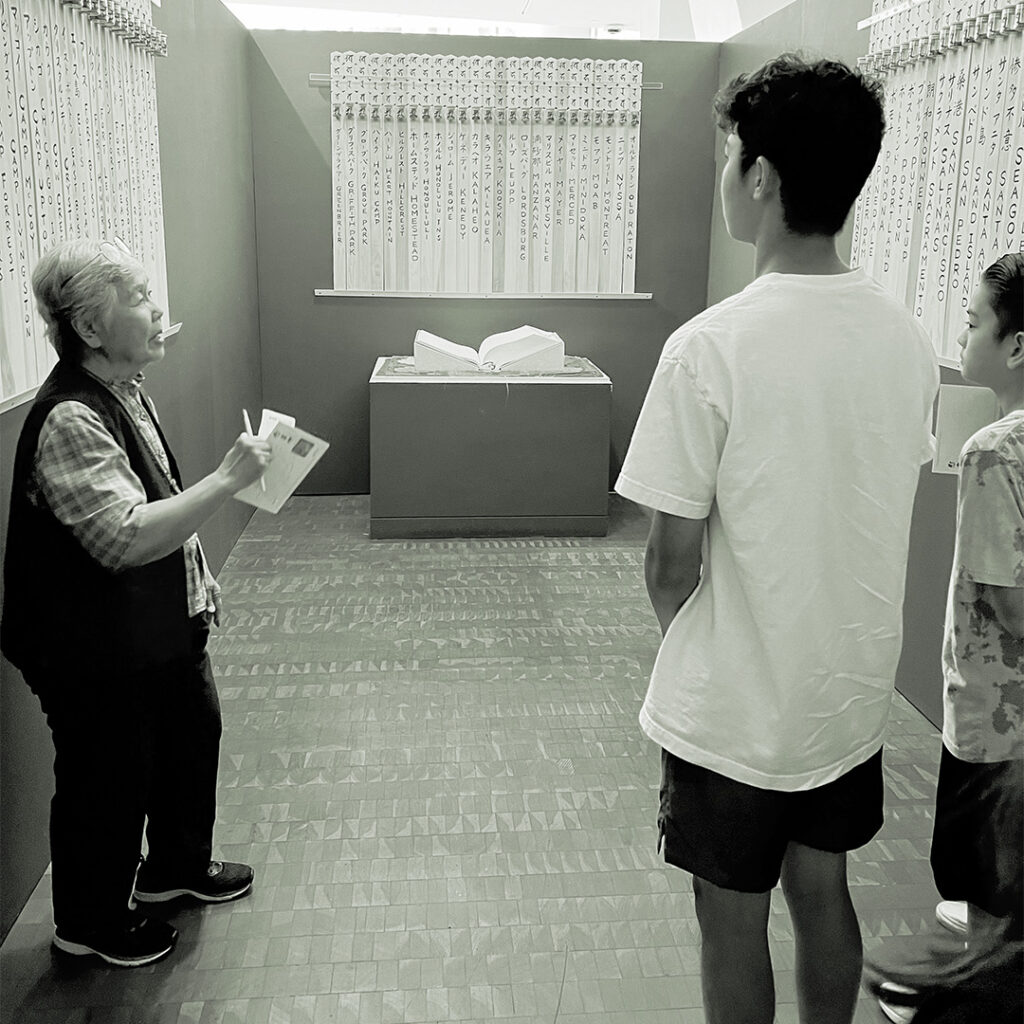
The vertical sotoba on the walls list the names of every known incarceration site. Together with the Ireichō book of names, they form a sacred space of remembrance.
A New Kind of Monument
The Ireichō is part of a larger three-part effort called Ireizō, or the National Monument for the WWII Japanese American Incarceration. It includes:
Ireichō – The book of names, inspired by the temple registers found in traditional Japanese Buddhist memorials.
Ireizō – An interactive online archive of records, searchable by name and site.
Ireihi – Sculptural monuments installed at incarceration sites across the country.
But the heart of the project is the book itself.
A National Tour of Remembrance
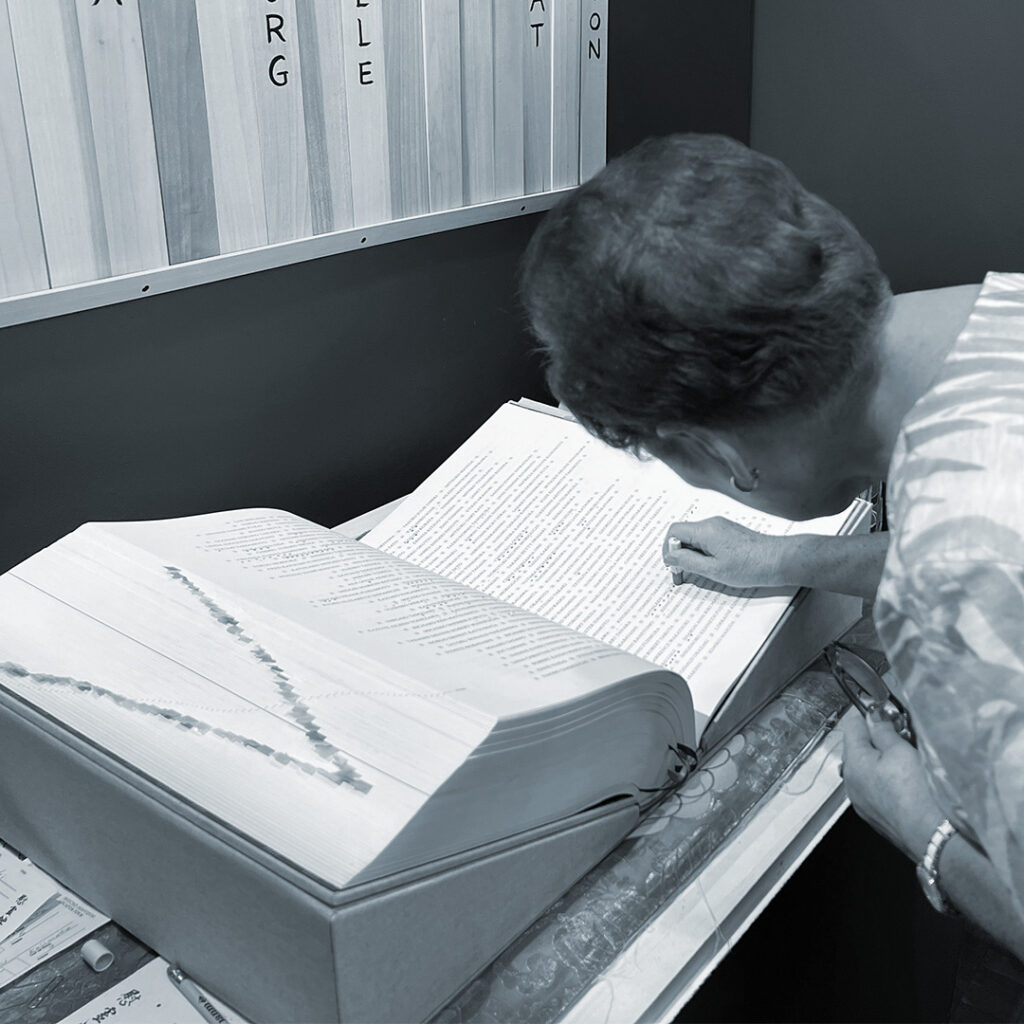
When it was unveiled in 2022 at the Japanese American National Museum (JANM) in Los Angeles, visitors were invited to honor individuals in the book by placing a hanko (a traditional Japanese seal) beneath each name. Thousands of people — family members, descendants, strangers — have already added their stamps.
The goal is to acknowledge every single name, for every single soul.
The Ireichō is currently on a national tour. From 2025 through 2028, the book will travel to historic incarceration sites and community centers across the country. At each stop, the public will be invited to participate in the act of remembrance, ensuring that no name is forgotten.
A woman stamps beneath the name of her sister, who was born and incarcerated at Heart Mountain — honoring her story in the Ireichō.
Volunteers, some of whom were once incarcerated themselves, have been helping others learn how to honor names in the Ireichō.
At a time when public memory is under threat, and educational content is being erased from textbooks and signage, Ireichō serves as a quiet act of resistance. Grounded not in anger, but in reverence. Its pages reflect not only those who were wronged, but a collective determination to remember, acknowledge, and heal.
As Duncan Ryuken Williams says:
“We are drawing on Japanese and Japanese American cultural traditions of honoring elders and ancestors — not simply through building monuments of remembrance, but monuments to repair the racial karma of America.”