Cameras weren’t allowed inside the camp. So he built one.
October 28, 1895: Photographer Tōyō Miyatake was born in Shikoku, Japan. His life would become a study in quiet resistance, creativity, and the power of truth.
Tōyō Miyatake was already an accomplished photographer by the time World War II began.
In Los Angeles, he owned and operated a successful studio in Little Tokyo, where he photographed immigrant families, cultural events, and community leaders. His work was award-winning, including recognition at the 1926 London International Photography Exhibition. He was widely respected for capturing the faces and stories of his community.
But in 1942, after the signing of Executive Order 9066, Miyatake and his family were forcibly removed from their home and sent to Manzanar, one of ten incarceration camps in remote parts of the U.S. Cameras were strictly prohibited.
But Miyatake knew this story had to be told.
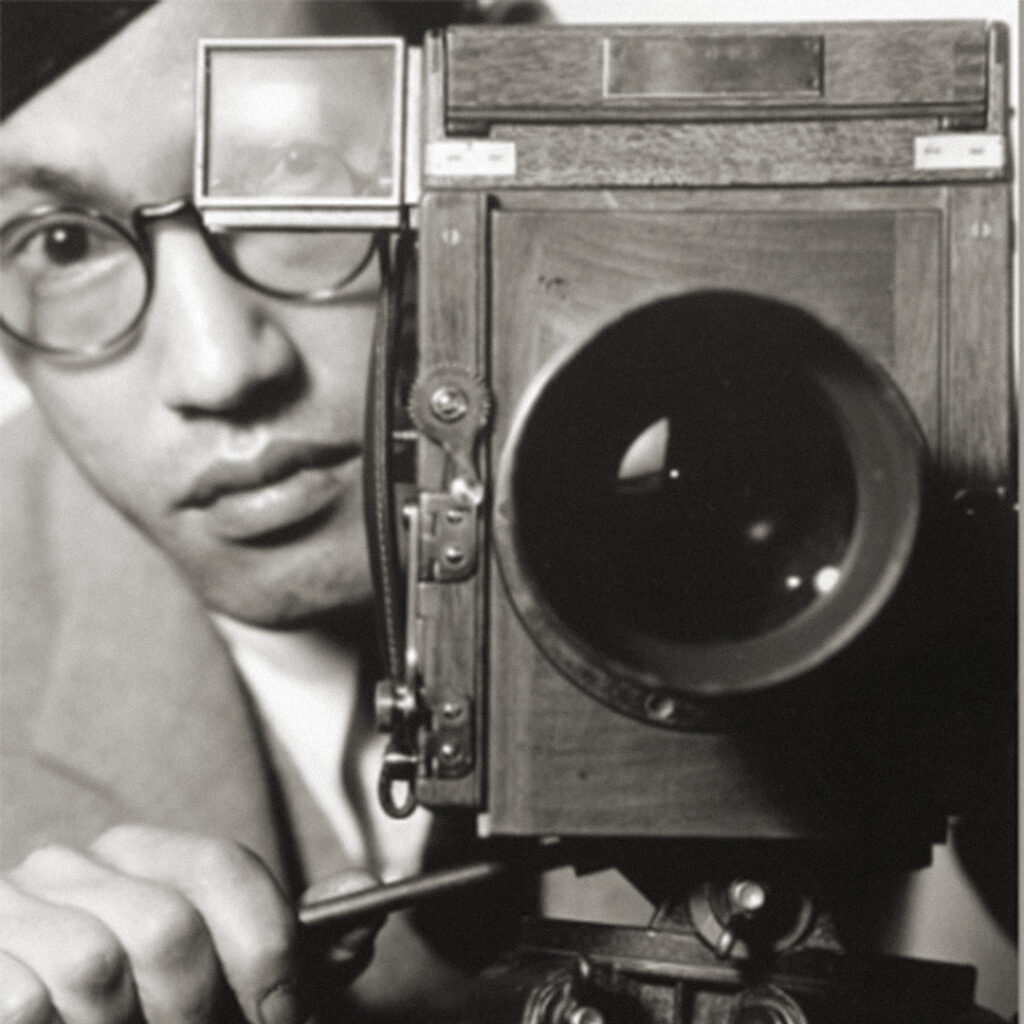
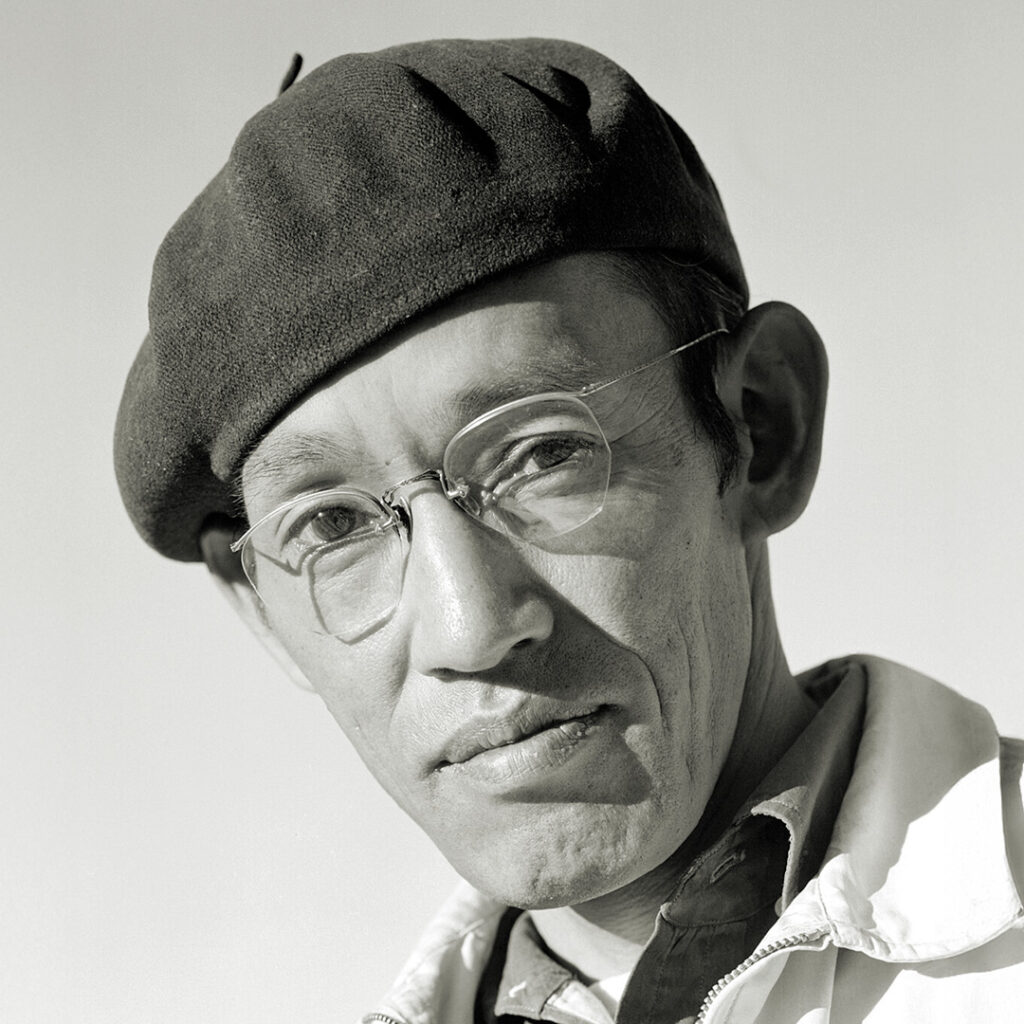
Toyo Miyatake, self-portrait with his signature beret, 1932. Long before Manzanar, he was already an accomplished photographer with a studio in Little Tokyo.
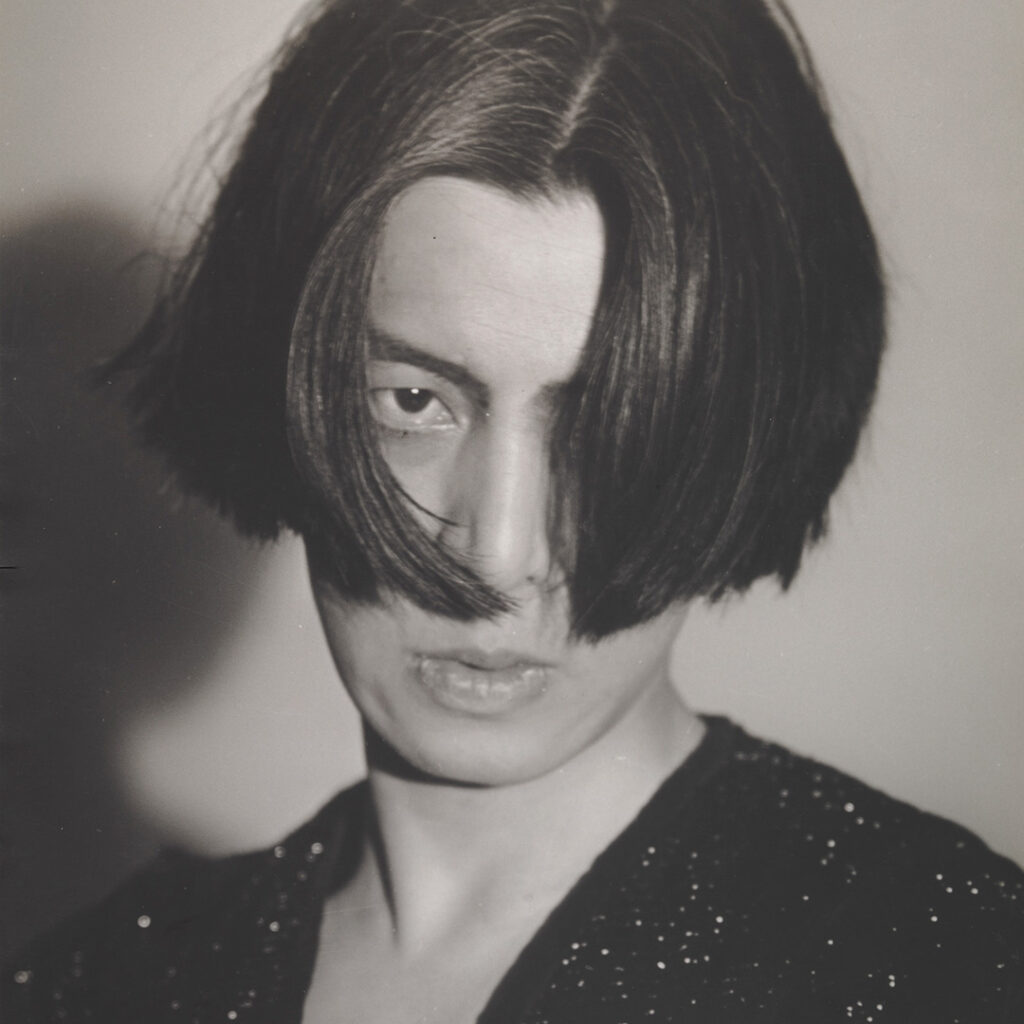
Portrait of Michio Itō by Toyo Miyatake, 1929. Miyatake didn’t just photograph families — he captured icons. Itō, a trailblazing dancer and choreographer.
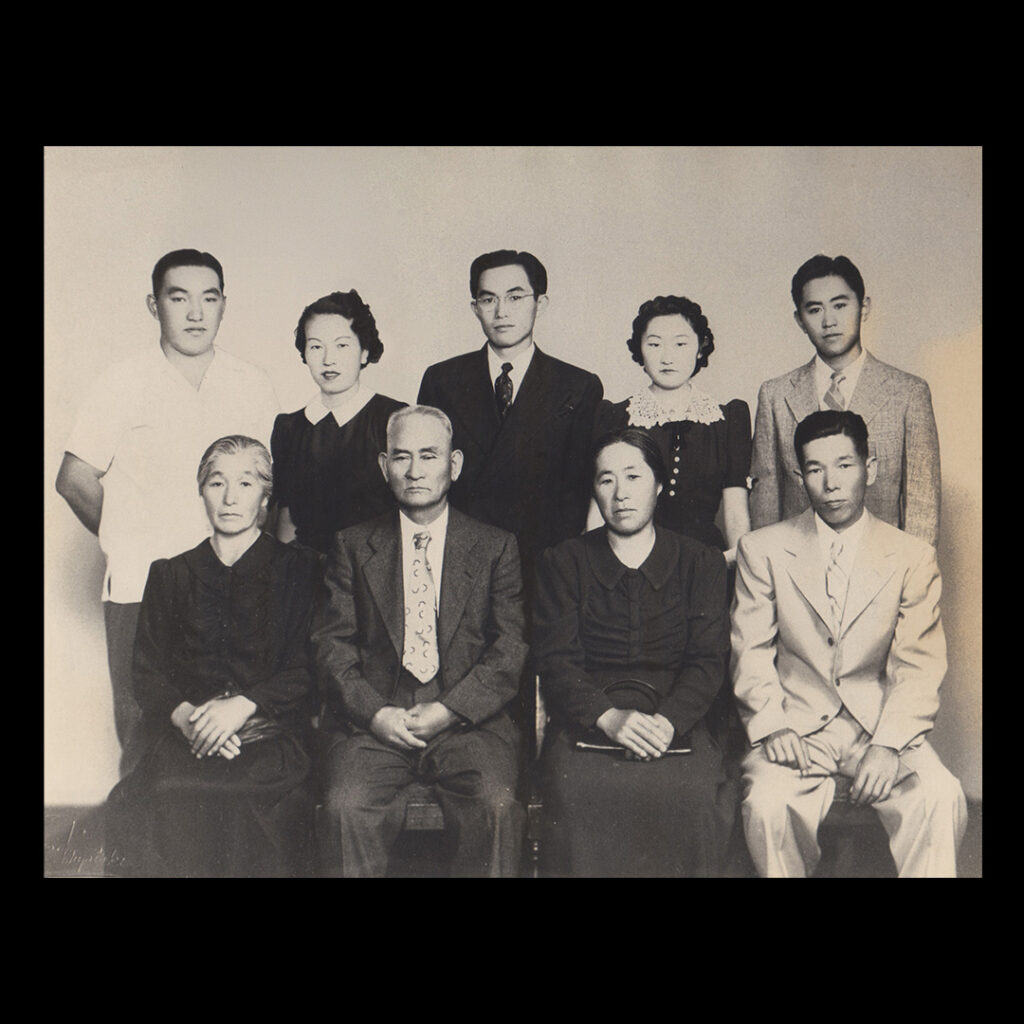
Before the war, Miyatake Studio quietly documented the lives of countless immigrant families in Los Angeles. Among them: Gonzo Mimaki, his family and friends.
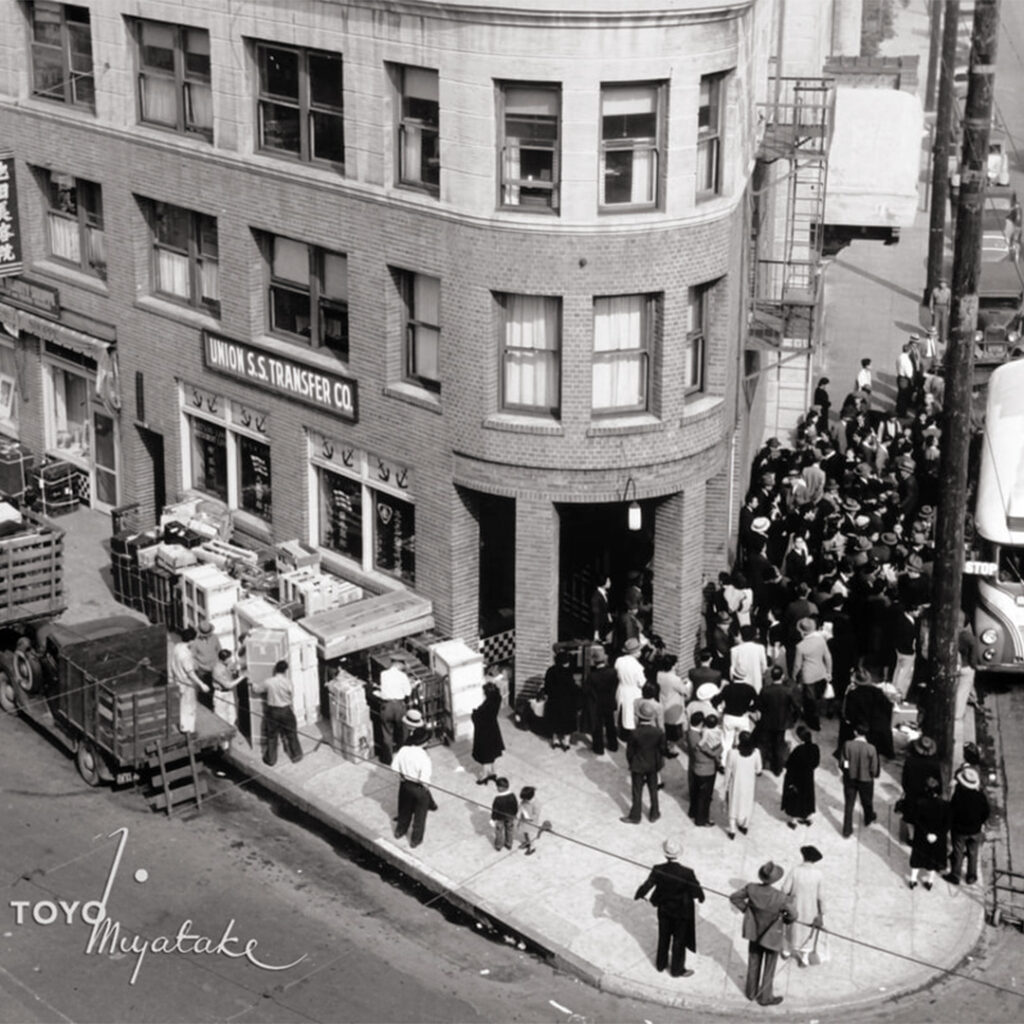
From photographing family portraits in his studio to documenting forced removal from the very same streets, Miyatake turned his lens on his own community’s darkest day.
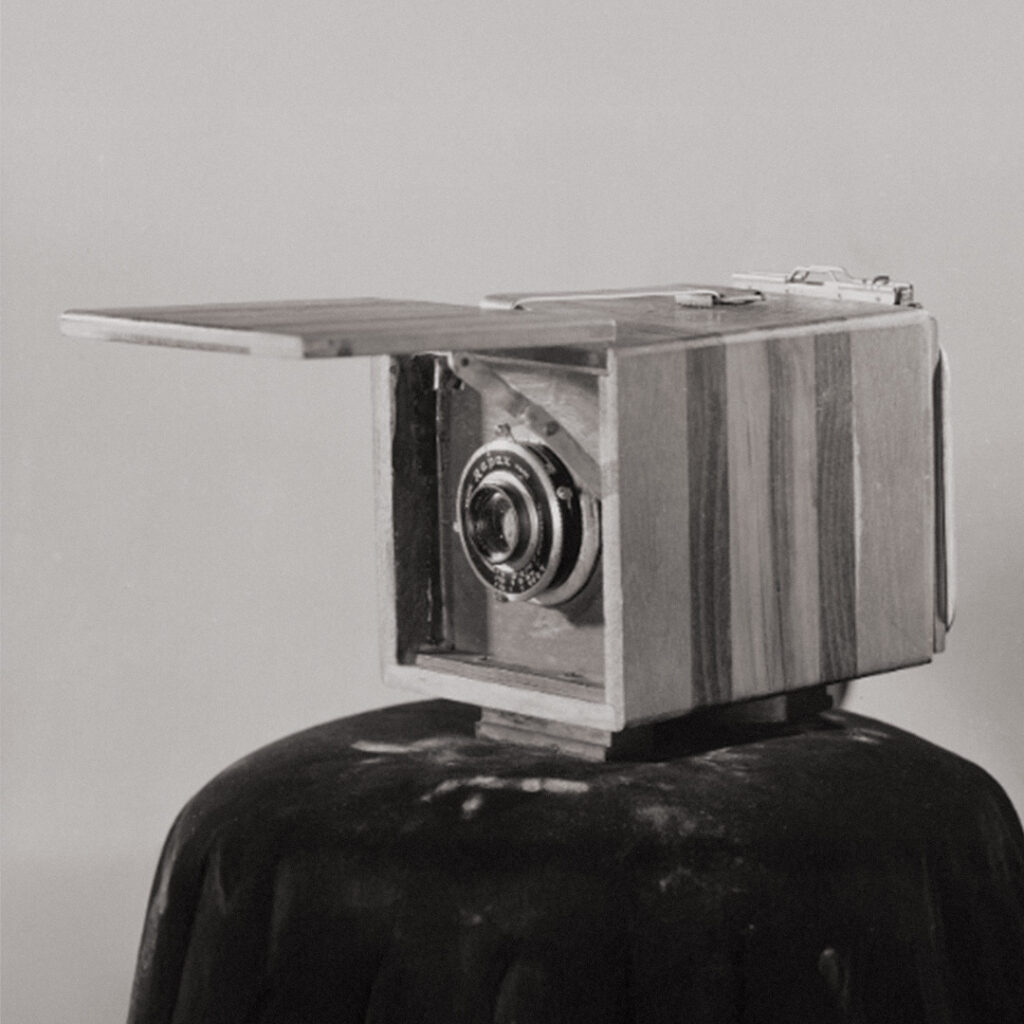
The homemade camera Toyo Miyatake built in Manzanar. Crafted from wood and smuggled lens parts, this camera wasn’t just a tool — it was defiance.
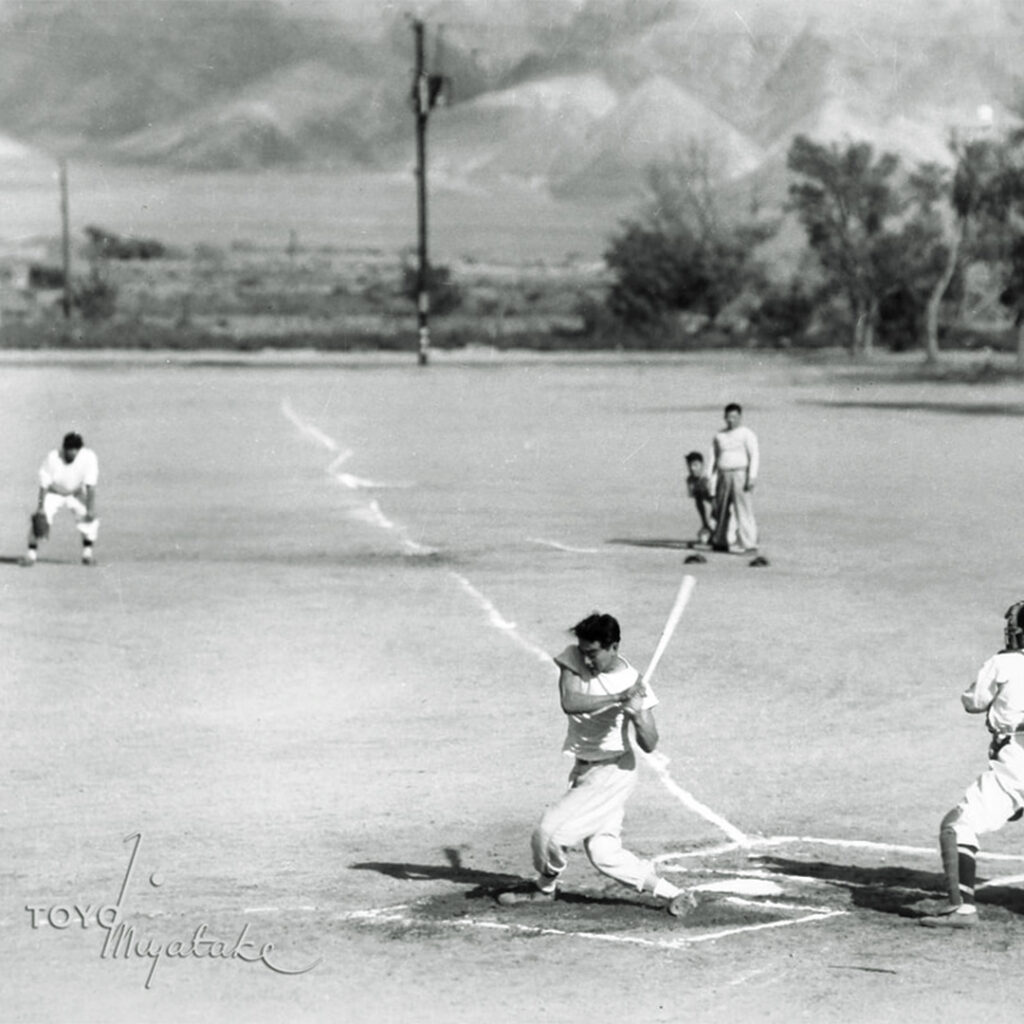
Toyo Miyatake’s lens captured moments of normalcy, resilience, and pride, like this baseball game with the Sierra Nevada mountains in the distance.
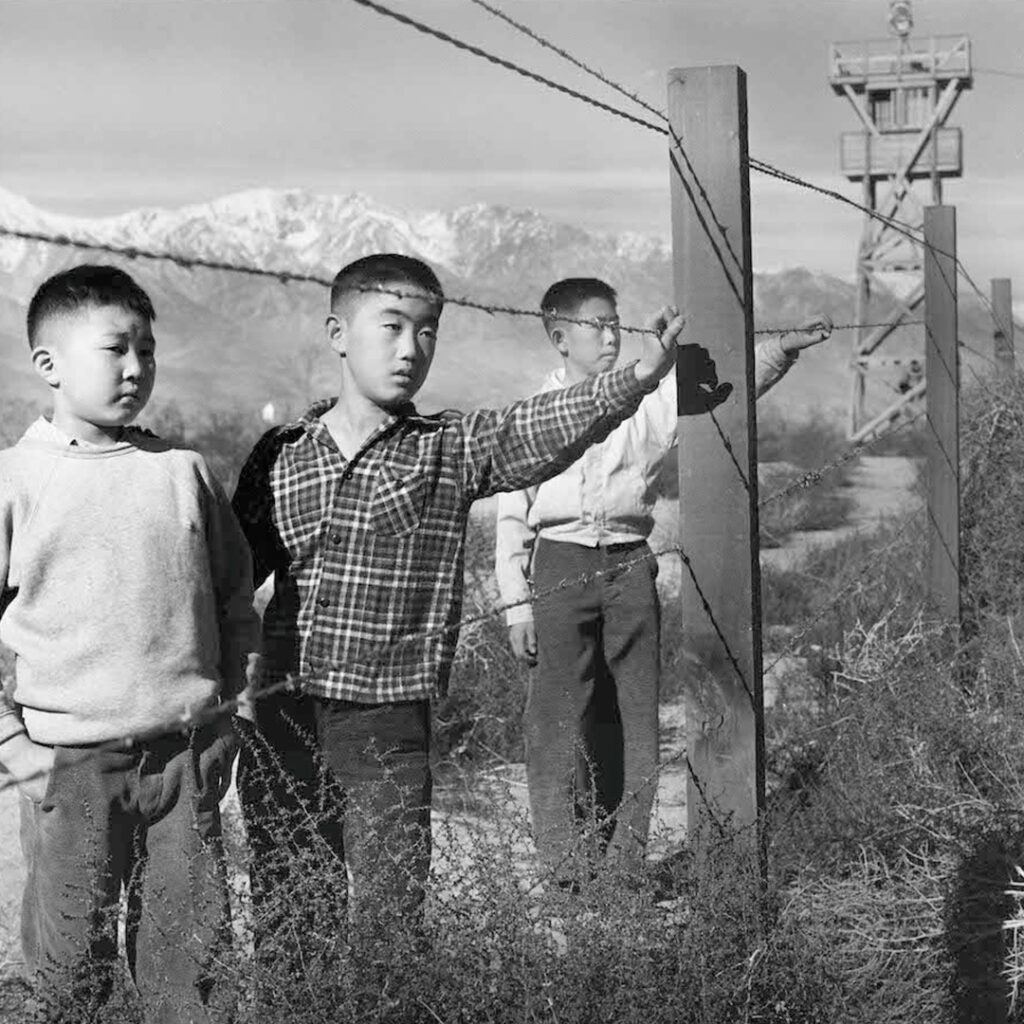
Three boys behind barbed wire, Manzanar, 1944. Incarcerated with his family, Miyatake risked punishment to show the world what it looked like when freedom was taken from children.
Smuggling Truth Through a Homemade Camera
“As a photographer I have a responsibility to record life here at the camp so this kind of thing will never happen again.” — Tōyō Miyatake, explaining to his son Archie why he defied the no-photograph rule
In an act of quiet defiance, Miyatake smuggled in photographic equipment and secretly assembled a camera using contraband parts, including a lens tucked inside a lunchbox. At great personal risk, he began documenting the actual daily life in the camp. Not the sanitized, government-approved version.
His images remain powerful in their intimacy. Children in makeshift classrooms. Elders cooking in mess halls. Baseball games played in dust. Weddings. Funerals. Protests. His photos didn’t just record incarceration. They dignified the people enduring it.
From Secrecy to Sanctioned Truth
Though he began in secret, Miyatake eventually approached Manzanar Project Director Ralph Merritt and asked to serve as the official camp photographer. He offered to take portraits of weddings, events, and Japanese American soldiers preparing to leave camp for military service.
Remarkably, Merritt agreed, but under one condition: a white guard would have to click the shutter. Even this partial permission was extraordinary, given the time.
Eventually, the restriction was lifted. Miyatake was allowed to set up a photography studio within the camp as part of the internee-run Manzanar Consumer Cooperative. He remained at Manzanar until the end of the war. Today, his body of work stands as one of the most important visual records of the incarceration experience.
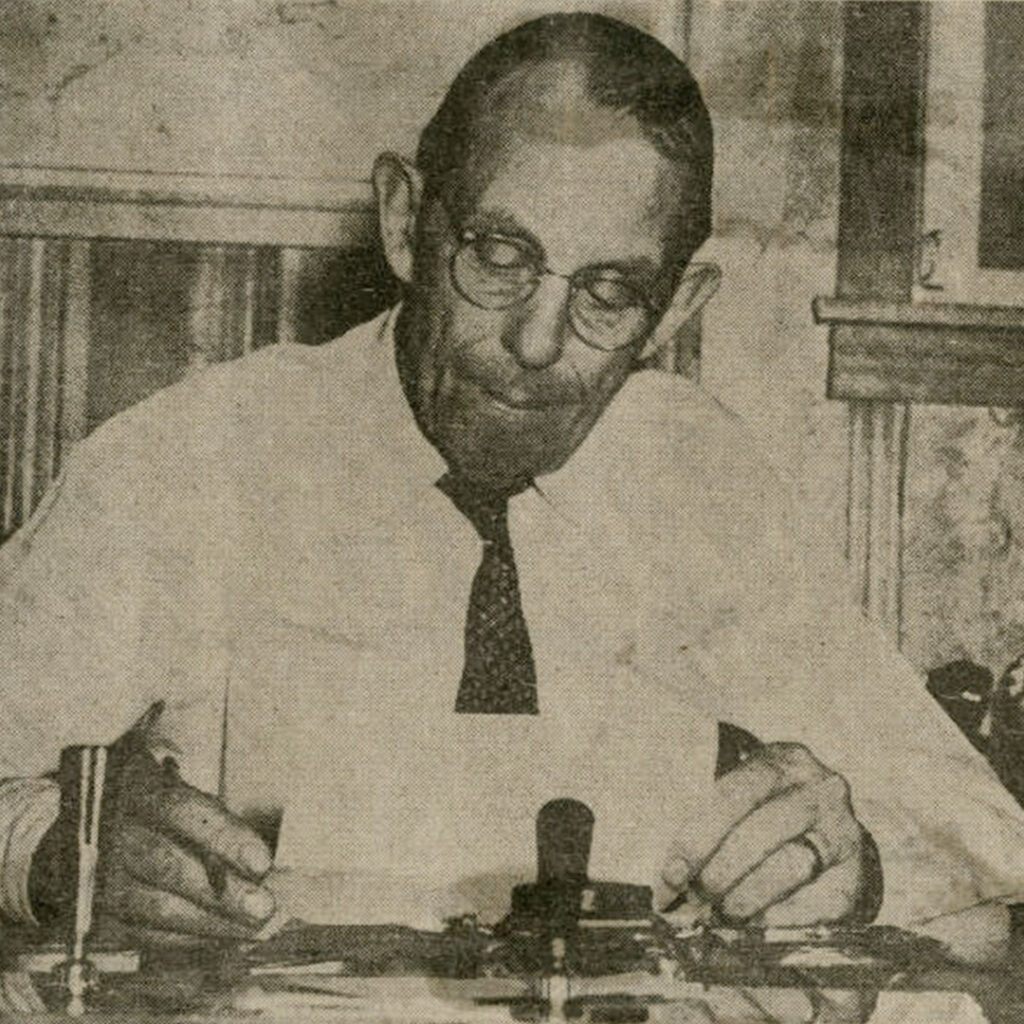
Appointed in 1942, Ralph Merritt oversaw one of America’s ten concentration camps. But unlike others, he encouraged arts, sports, and outside contact.
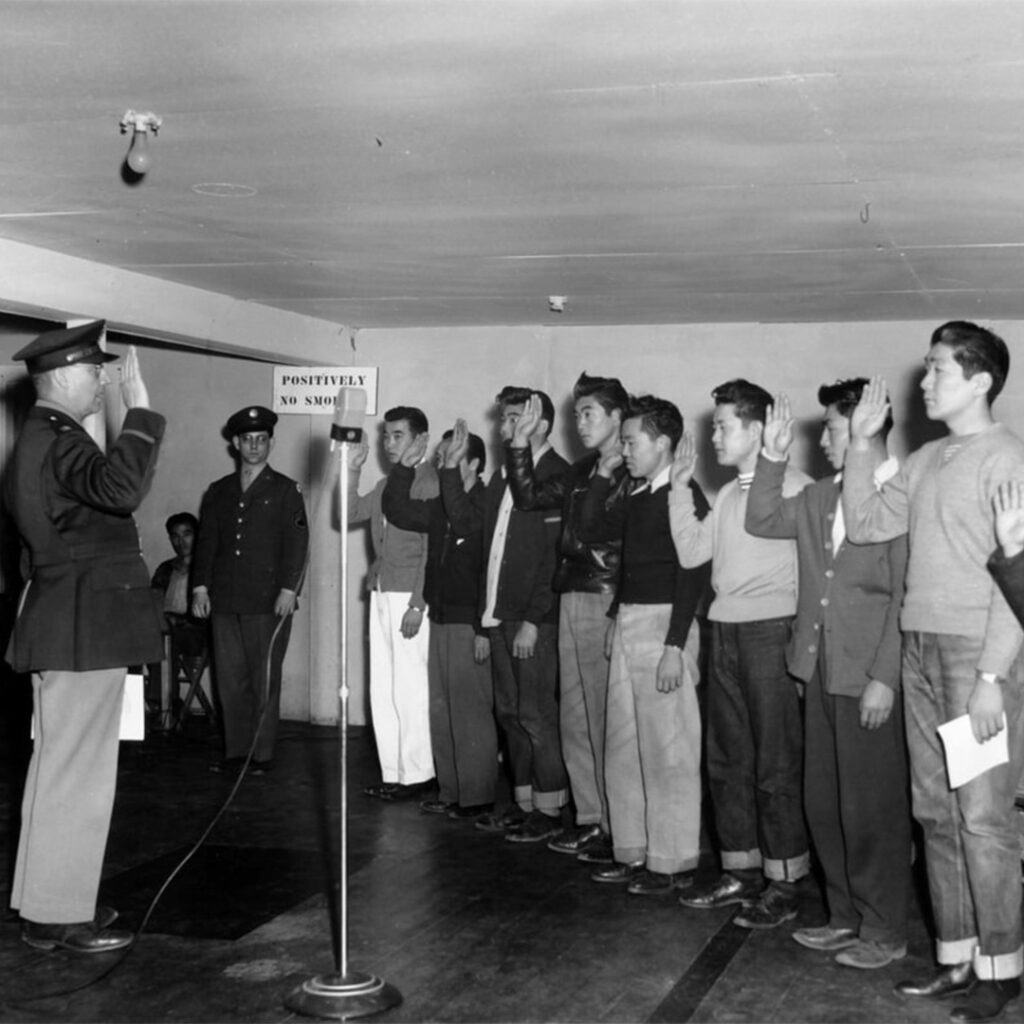
Taking the oath at Manzanar. Miyatake documented these young Japanese American men swore loyalty to a country that had stripped them of their freedom.
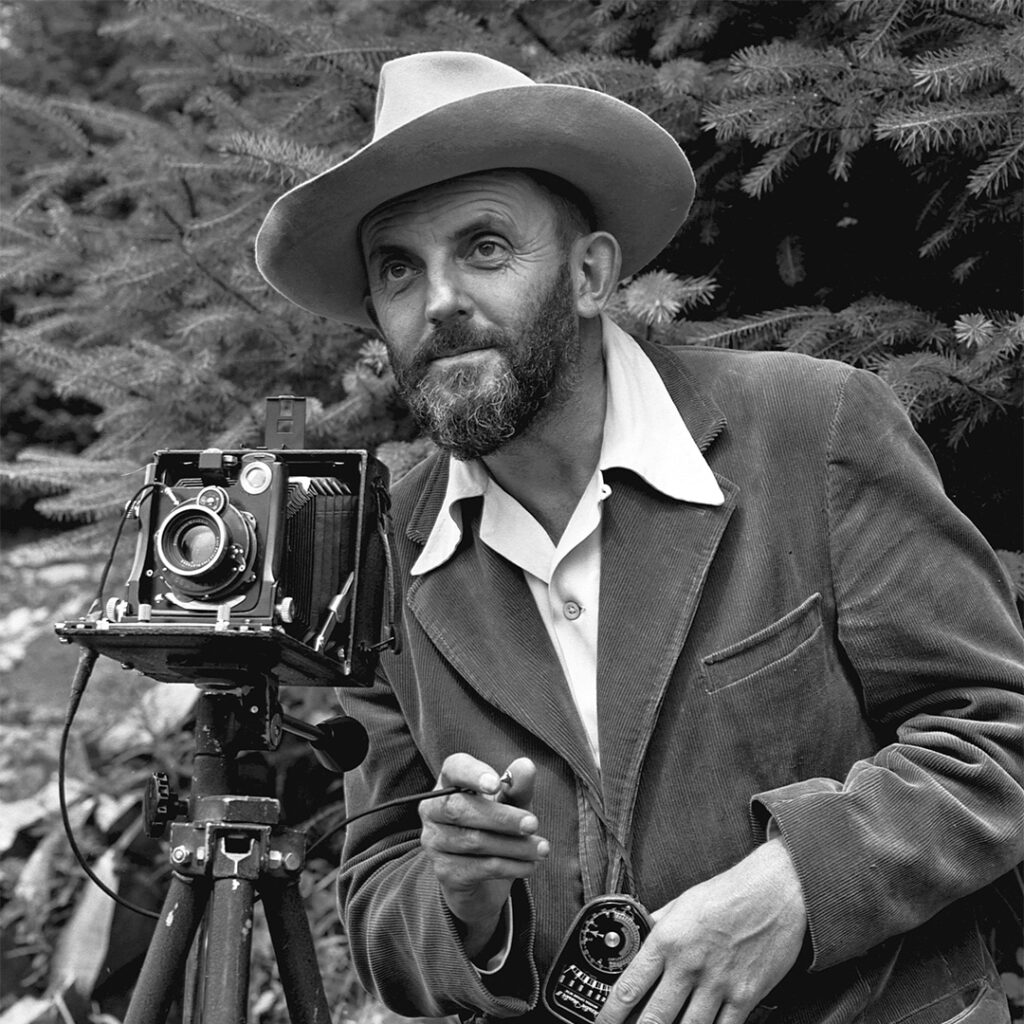
Ansel Adams, 1950. The great American landscape photographer turned his lens toward injustice in 1943, photographing life at Manzanar.
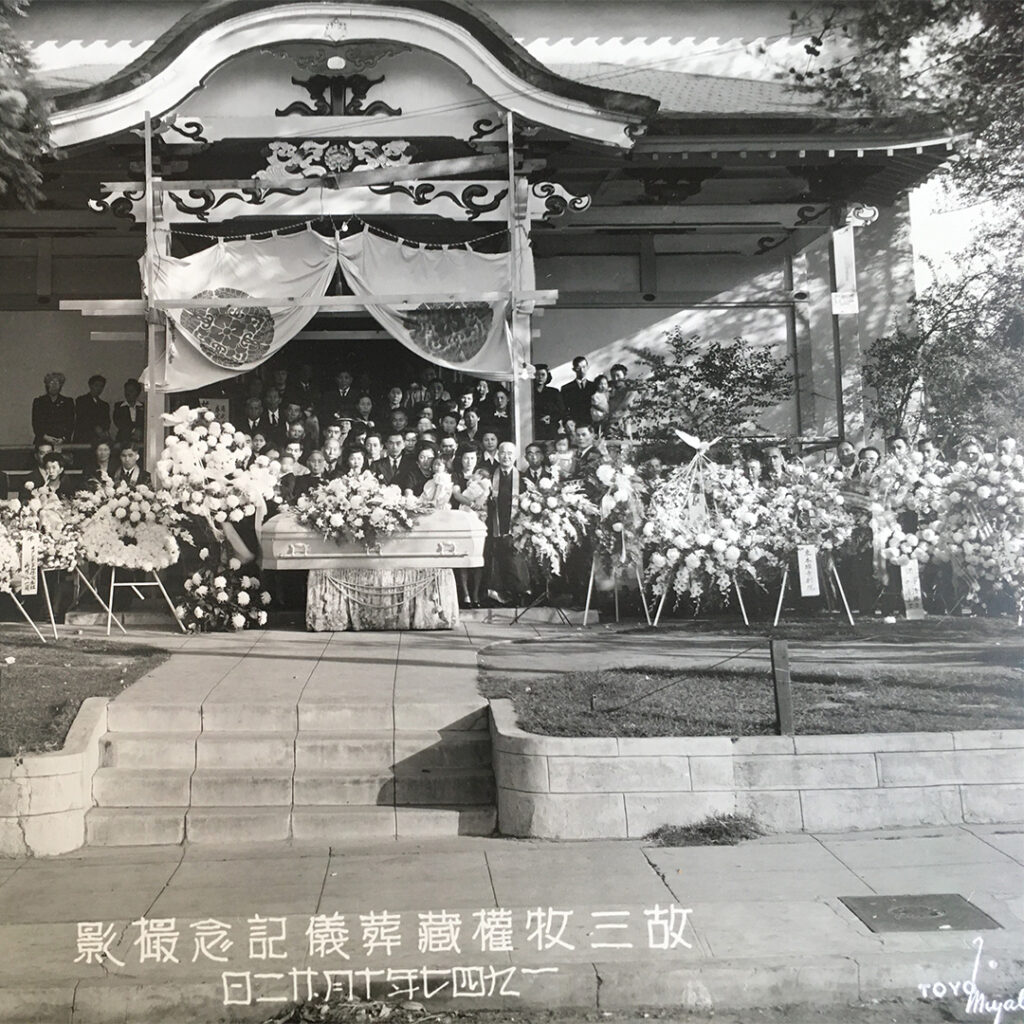
Gonzo Mimaki’s funeral, October 22, 1947. Even after the war, Toyo Miyatake kept photographing his community — its quiet strength, its losses, its resilience.
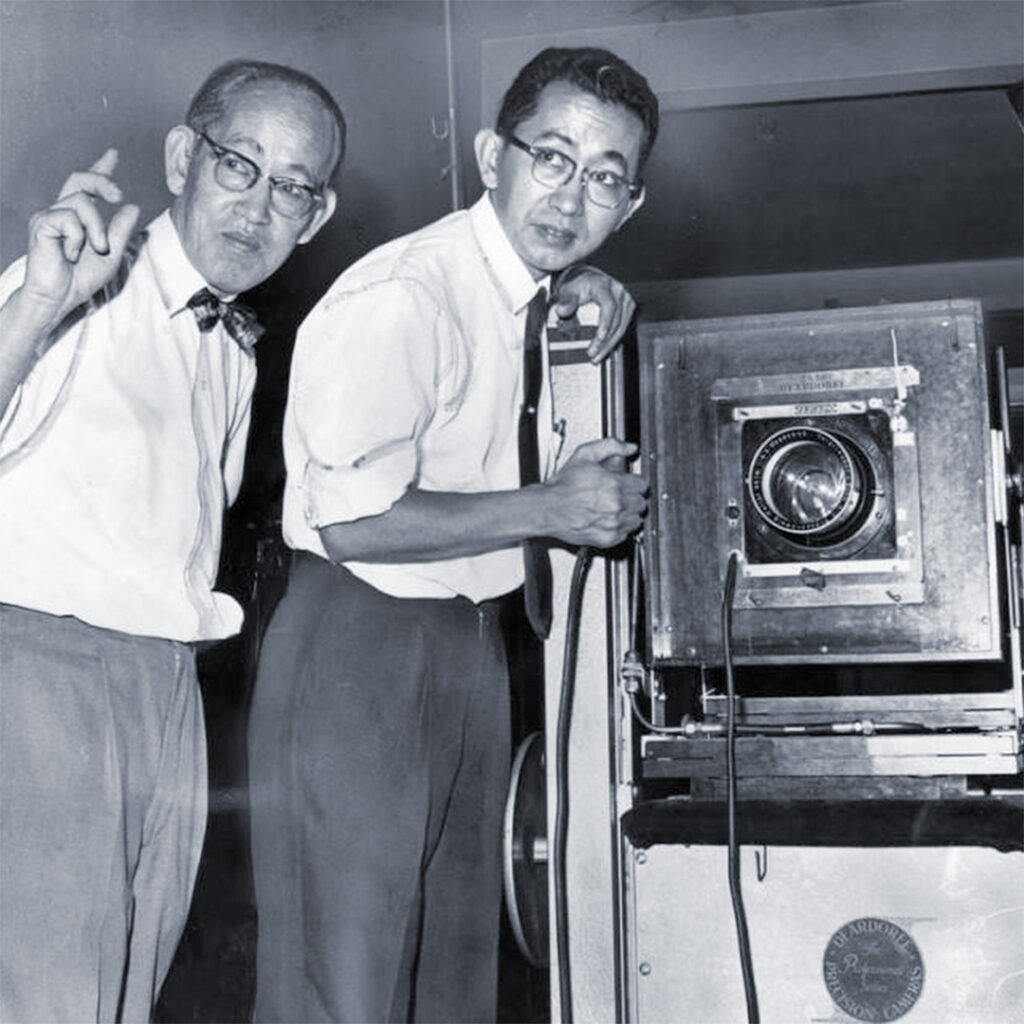
Toyo Miyatake with his son Archie at their studio — where the work continued, the stories endured, and the silence was never an option.
Toyo Miyatake, as seen through the lens of Ansel Adams. One photographer documenting a community from the inside. The other, from the outside.
A Legacy in Focus
In 1943, Miyatake met photographer Ansel Adams, who visited and documented Manzanar himself. Their mutual respect led to a decades-long collaboration. In 1978, they published and displayed Two Views of Manzanar, a joint exhibition of their work.
After the war, Miyatake returned to Little Tokyo and resumed his studio. Many in the community couldn’t afford photography services. So he accepted bartered goods.
Tōyō Miyatake died in 1979, but his studio lives on. His eldest son, Archie, first took over the business. In 1985 the Toyo Miyatake Studio moved to San Gabriel, where it still operates today, run by his grandson, Alan Miyatake.
His work is a testament to the resilience and moral clarity in the face of injustice. He knew how important those images would be.