April 29, 1925: Animator Iwao Takamoto was born in Los Angeles, California.
To generations of fans, he’s best known as the man who created Scooby-Doo — the goofy Great Dane who helped make Saturday mornings magical.
But the beginning of Iwao Takamoto’s journey was anything but ordinary.
In 1942, following Executive Order 9066, Takamoto and his family were forcibly removed from their home and incarcerated at Manzanar, one of ten camps that imprisoned Japanese Americans during World War II. He was just 16 years old.
Civilian Exclusion Order No.5, photo by Dorothea Lange, 1942
The first group of Japanese-Americans arrive at the Manzanar War Relocation Center, one of ten major incarceration camps during WWII, 1942
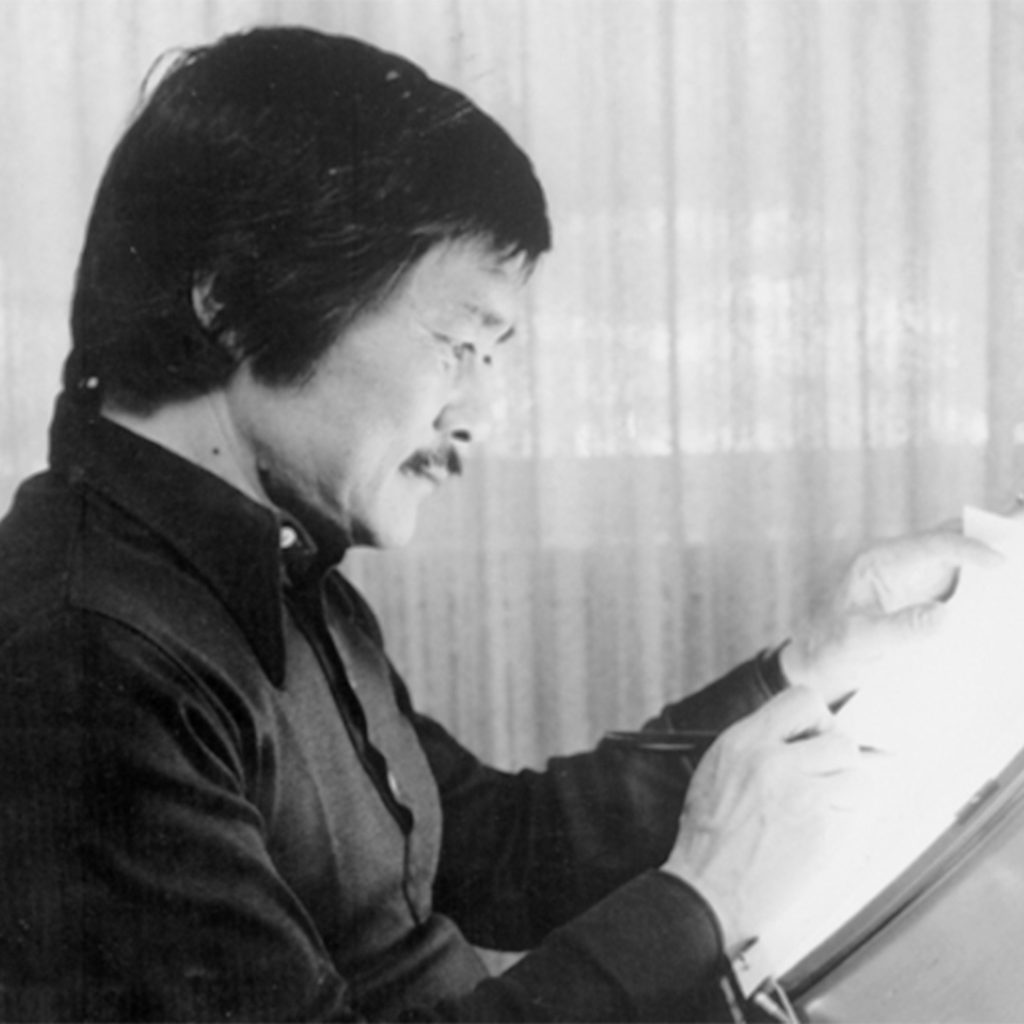
20-year-old Iwao Takamoto, right after he joined the Walt Disney Studios, 1945, courtesy of Barbara Takamoto
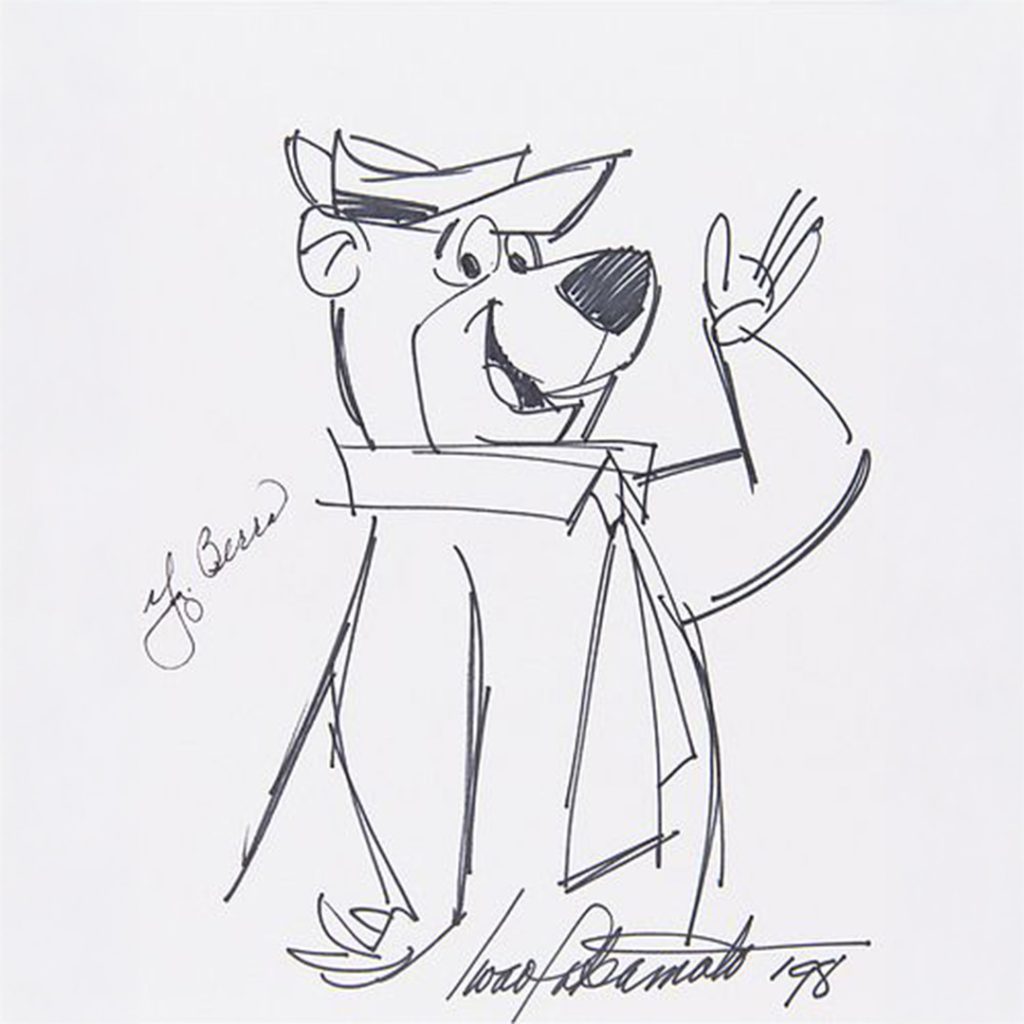
Original sketch of Yogi Bear by Iwao Takamoto, also signed by Yogi Berra, 1998, credit The Takamoto Foundation
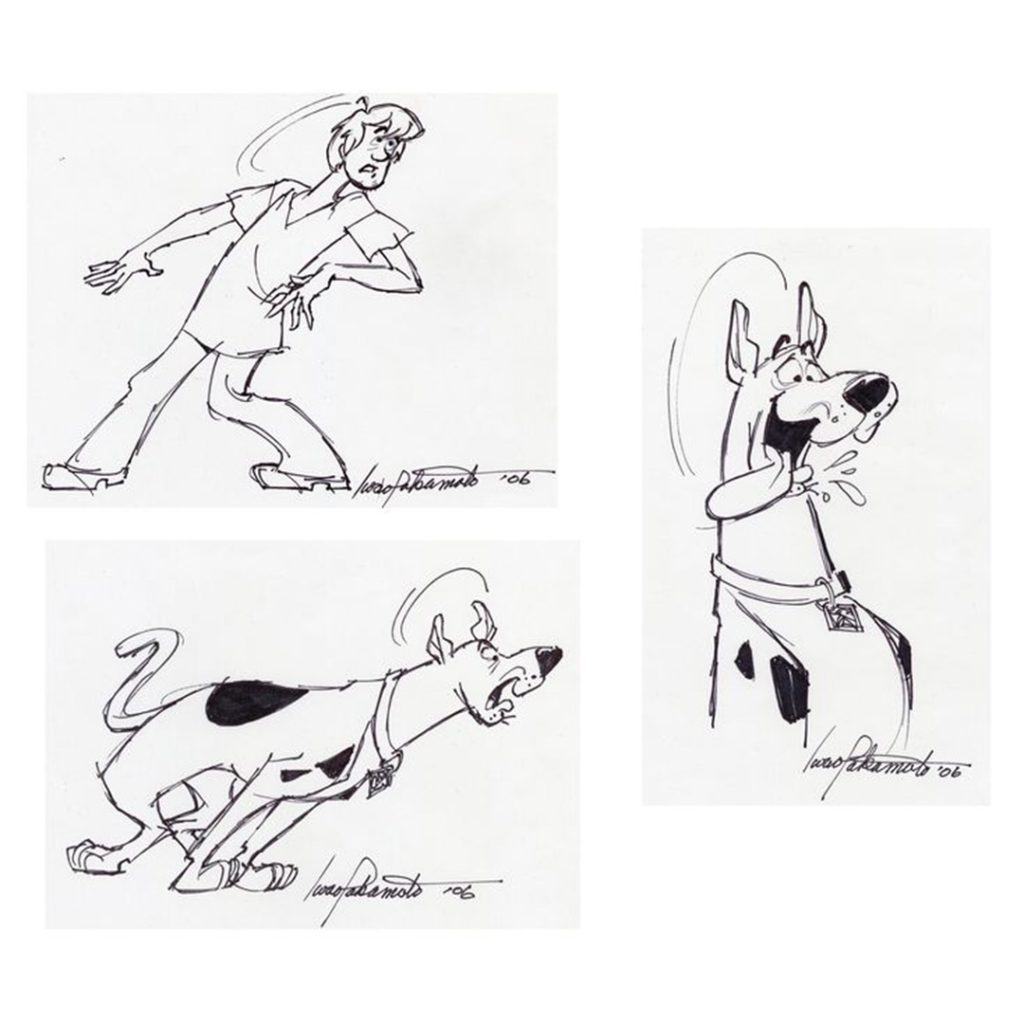
3 sketches by Iwao Takamoto, 2006, credit The Takamoto Foundation
It was inside this prison camp, behind barbed wire and under guard towers, that Takamoto discovered the path that would shape his life. He began studying illustration with the guidance of two fellow incarcerees who had once worked as Hollywood art directors. Their mentorship planted the seeds of a career that would later define American animation.
After the war, Takamoto joined Walt Disney Studios, contributing to beloved classics like Lady and the Tramp and Sleeping Beauty. He eventually moved to Hanna-Barbera, where he helped design some of the most iconic cartoon characters of the 20th century — including Scooby-Doo, Astro from The Jetsons, and many more.
But Takamoto’s impact didn’t stop with his drawings.
As he rose through the ranks, he became a mentor and advocate for other Japanese American artists, including Willie Ito, who had also experienced incarceration. Takamoto was more than a trailblazer — he was a leader who lifted others as he climbed, helping to reshape an industry that once seemed far beyond reach.
We remember Iwao Takamoto, who was able to draw joy from injustice.
Iwao Takamoto created 85% of Hanna-Barbera’s beloved character at the height of his animation career