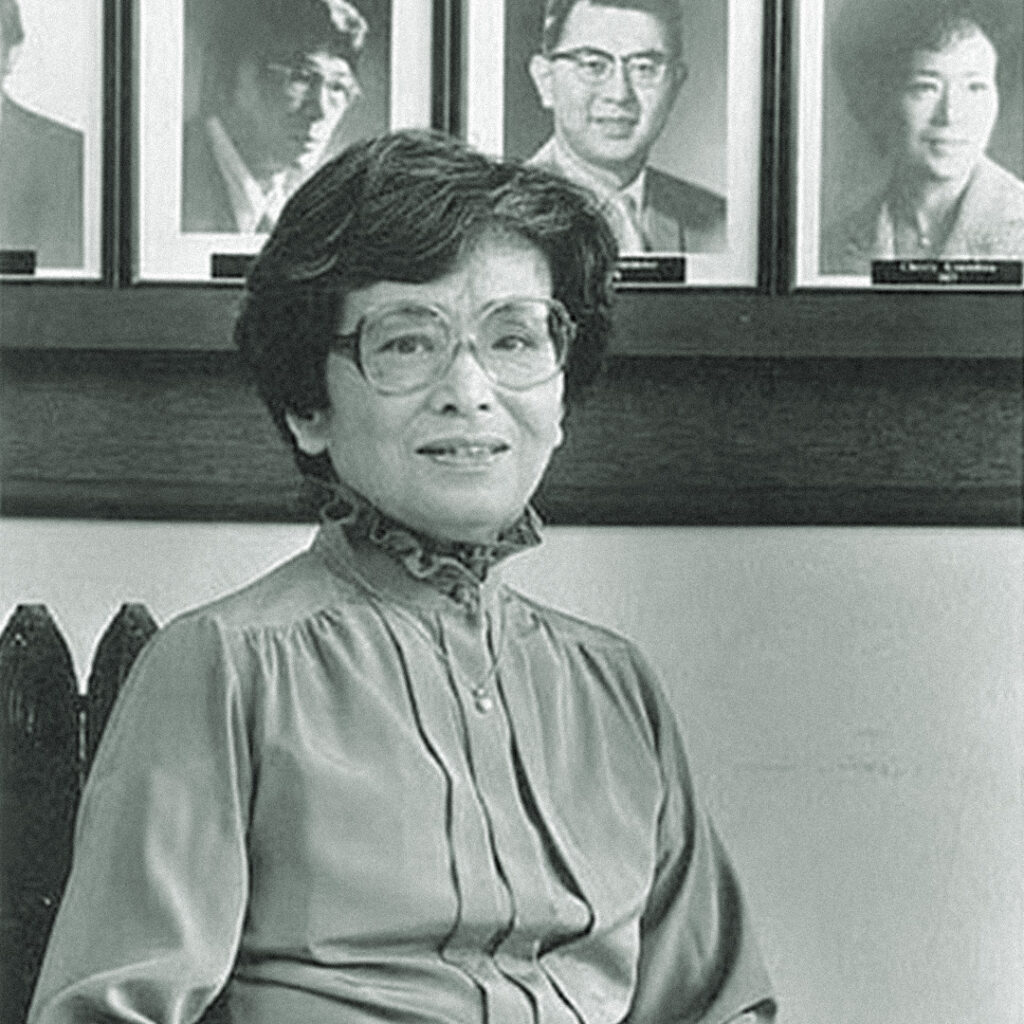
Fashion and hairstyles weren’t the most critical subjects when you were unjustly incarcerated.
October 13, 1923: Cherry Kinoshita, Nisei activist and civil rights leader, was born in Seattle, Washington.
During WWII, Cherry and her family were forcibly removed from their home and sent first to the Puyallup Assembly Center in Washington, then to the Minidoka concentration camp in Idaho. Like many others, she tried to create some sense of normalcy amid the injustice.
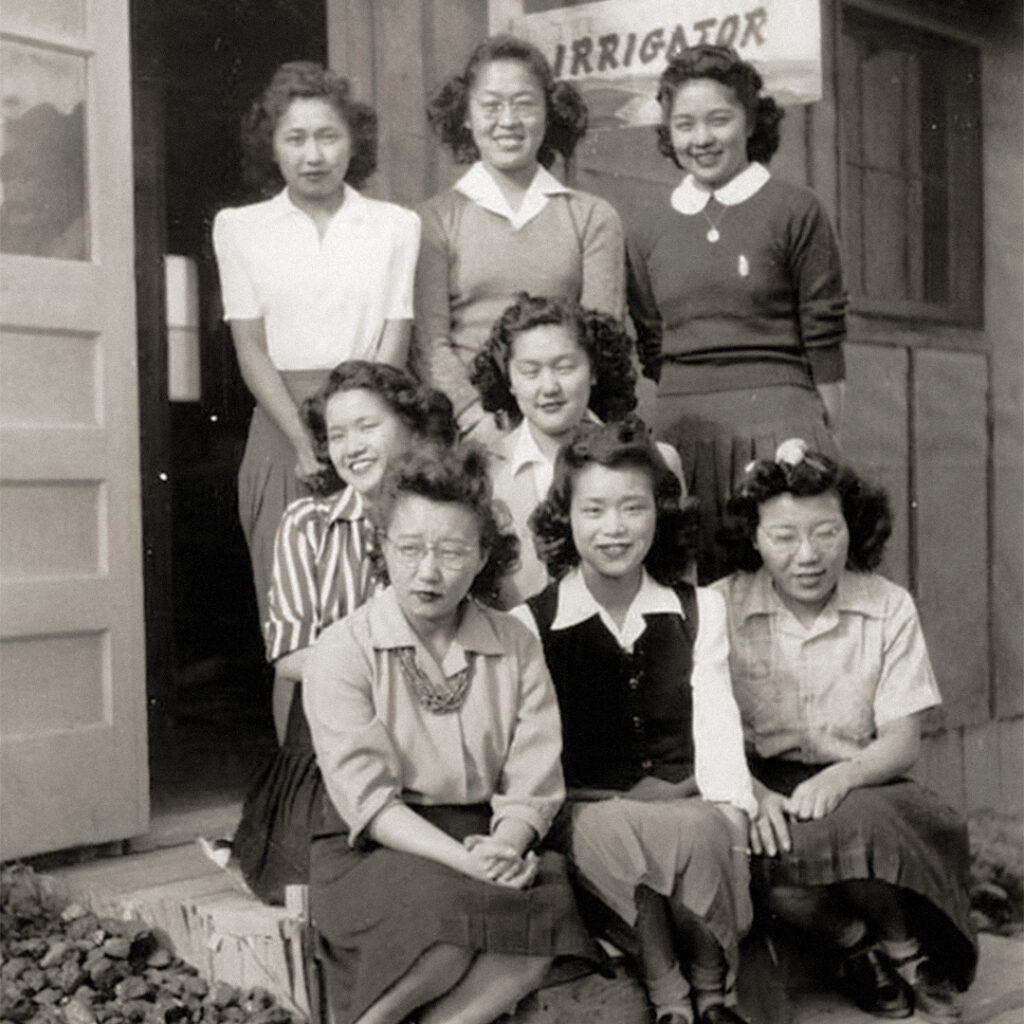
As a young woman, she contributed to the camp newspaper with a column called Feminidoka, where she wrote about fashion, hairstyles, and camp life from a woman’s perspective.
But Cherry later admitted it was difficult to write about “meaningless subjects” while surrounded by barbed wire and grave injustice. That frustration would stay with her, and eventually fuel her activism.
Over time, Cherry Kinoshita would become one of the most powerful voices in the national redress movement.
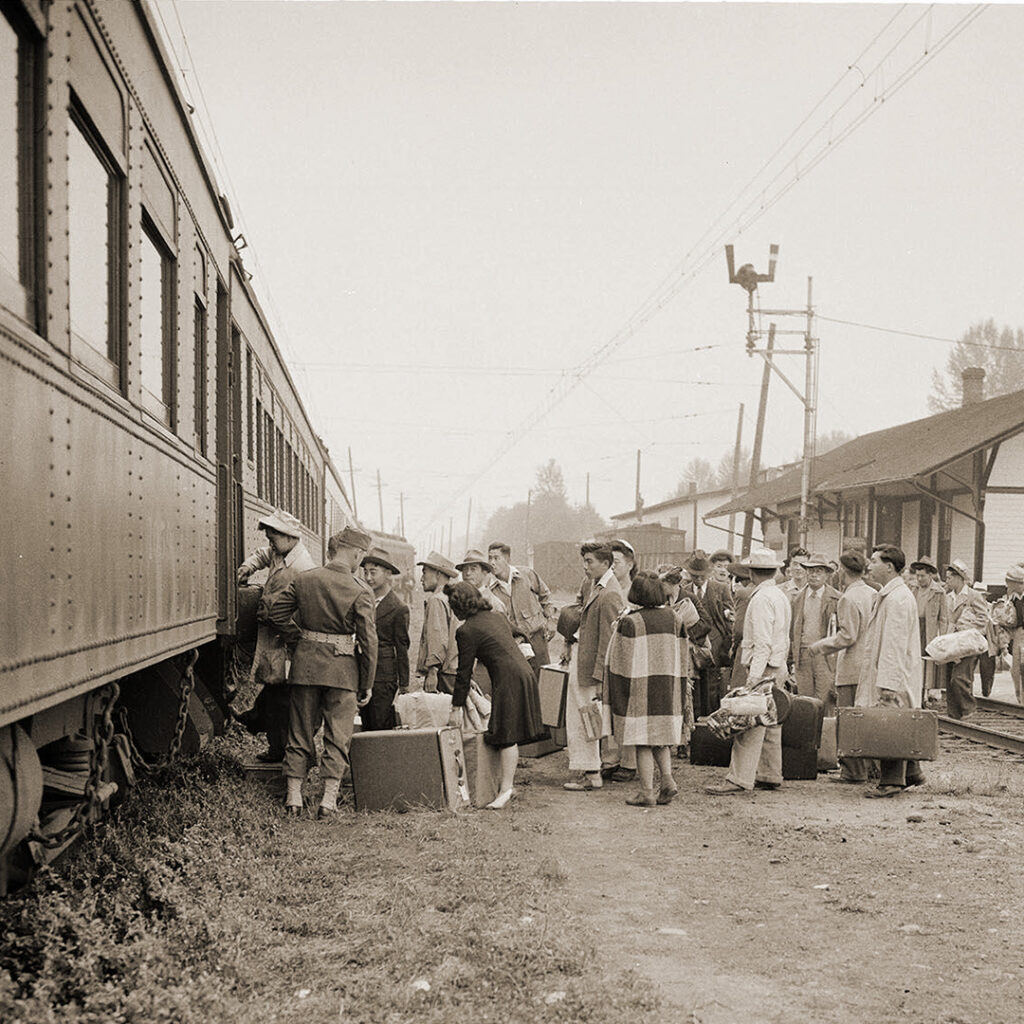
Japanese Americans forced onto a train bound for Minidoka, Idaho. Among them was a young Cherry Kinoshita, who became one of the most powerful voices for justice in America.
Cherry Kinoshita wrote a column called Feminidoka about fashion and camp life — but later said it was hard to write about “meaningless subjects” while incarcerated.
The first JACL National Convention convened in Seattle, Washington, on August 29, 1930. It marked the beginning of the oldest Asian American civil rights organization in the U.S.
Iva Toguri, falsely branded as “Tokyo Rose,” photographed at Sugamo Prison in Japan, March 7, 1946. She became a scapegoat of postwar politics.
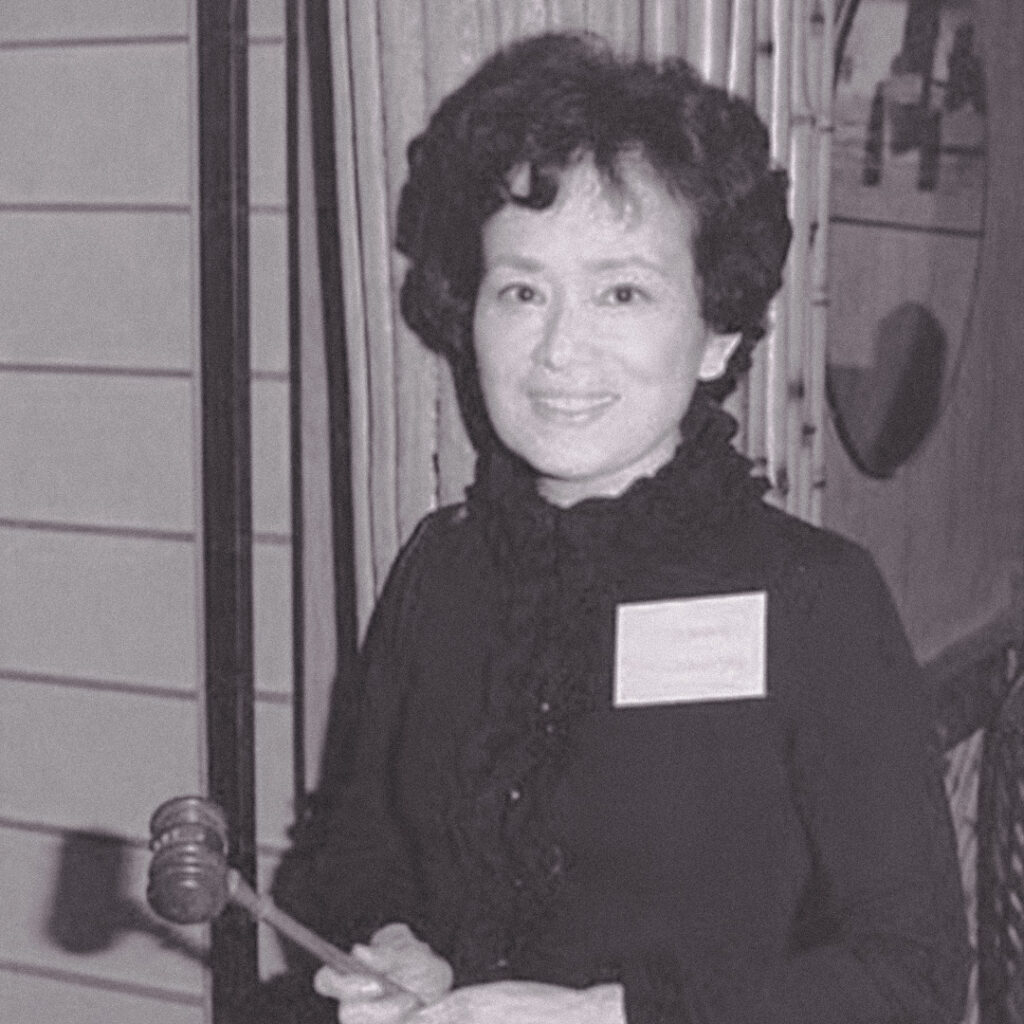
Cherry Kinoshita, newly elected president of the Seattle JACL in 1977, holding the gavel that symbolized a new era of leadership.
A Shift Toward Justice
After the war, Cherry returned to Seattle, where she and her husband became active members of the Japanese American Citizens League (JACL) — the oldest Asian American civil rights organization in the United States.
She originally joined for the social activities, like group picnics. But that changed when she learned about the unjust imprisonment of Iva Toguri D’Aquino, the Japanese American woman scapegoated as “Tokyo Rose.” From that moment, Cherry’s focus shifted from community to advocacy.
In 1977, she was elected president of the Seattle Chapter of the JACL, becoming only the second woman to hold that position since 1929. That same year, she helped launch the Seattle Evacuation Redress Committee.
The Redress Movement Takes Shape
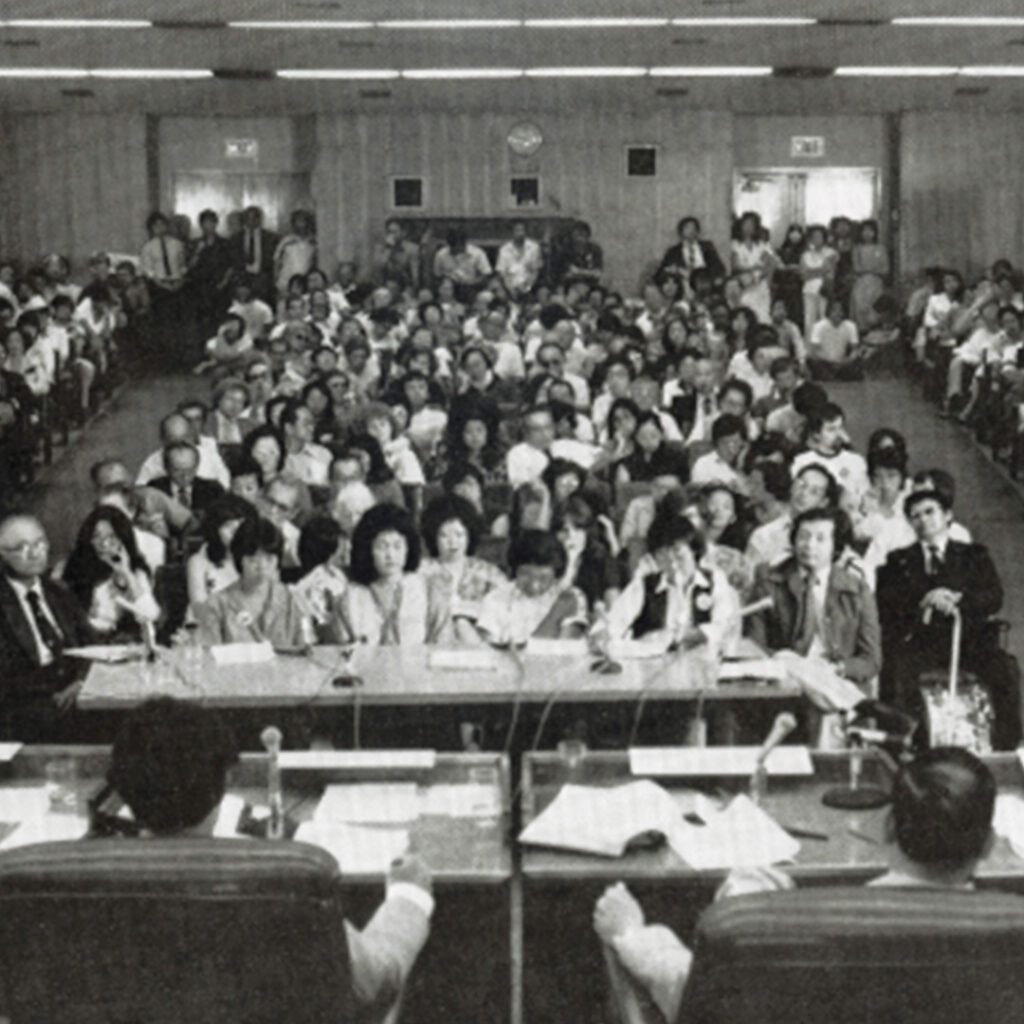
She played a major role in preparing for and leading the CWRIC hearings in Seattle — public forums that asked Japanese Americans to share their wartime experiences with a federal commission.
In those hearings, they spoke not just about incarceration, but about lost homes, broken families, generational trauma, and the humiliation of being labeled disloyal. These powerful testimonies helped shift public opinion.
In 1978, Kinoshita was pivotal in organizing the first Day of Remembrance, retracing the forced removal route to the Puyallup fairgrounds. What began as a local act of memory became a catalyst for national redress.
In 1983, she and the Seattle JACL successfully lobbied Washington Governor John Spellman to sign a redress bill compensating 38 Japanese American state employees who, during WWII, had been fired solely because of their ancestry. She also secured compensation for 27 Nikkei women forced to resign from the Seattle school district in 1942.
Hundreds packed into the federal building for the first day of the CWRIC Hearings. Many Japanese Americans were speaking publicly for the first time about their incarceration during WWII.
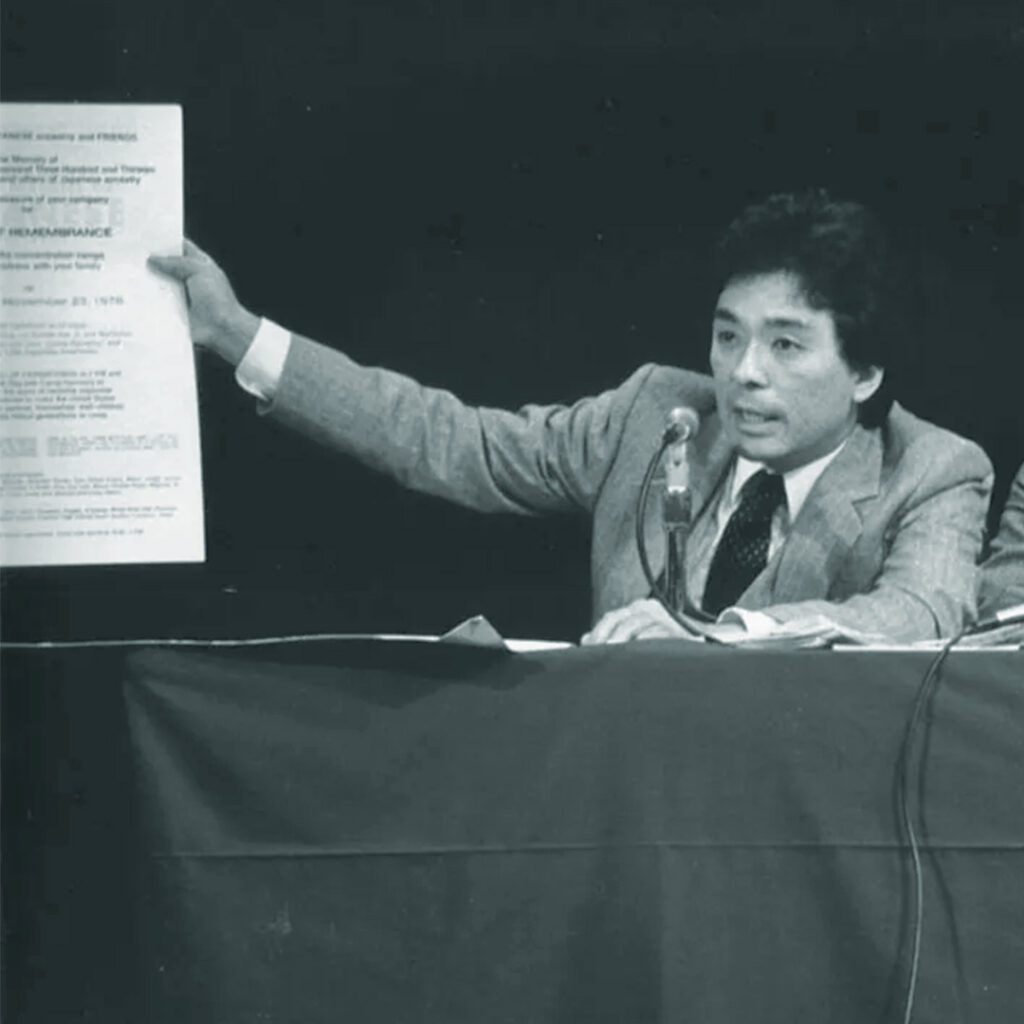
Frank Abe testifies at the Seattle CWRIC hearing, holding a poster from the first Day of Remembrance in 1978 — a grassroots event that helped spark the redress movement.
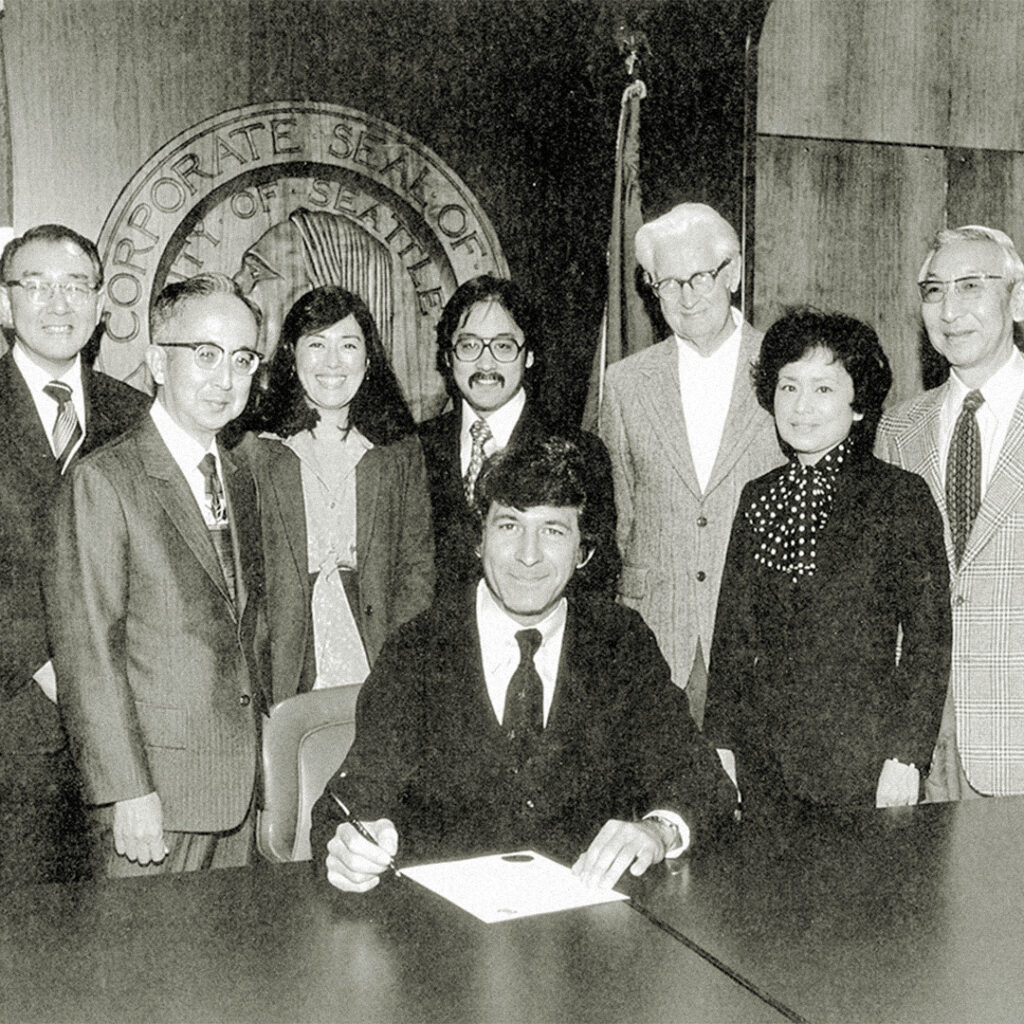
Seattle Mayor Charles Royer signs the nation’s first Day of Remembrance proclamation, with JA leaders including Cherry Kinoshita (second from right), November 1978.
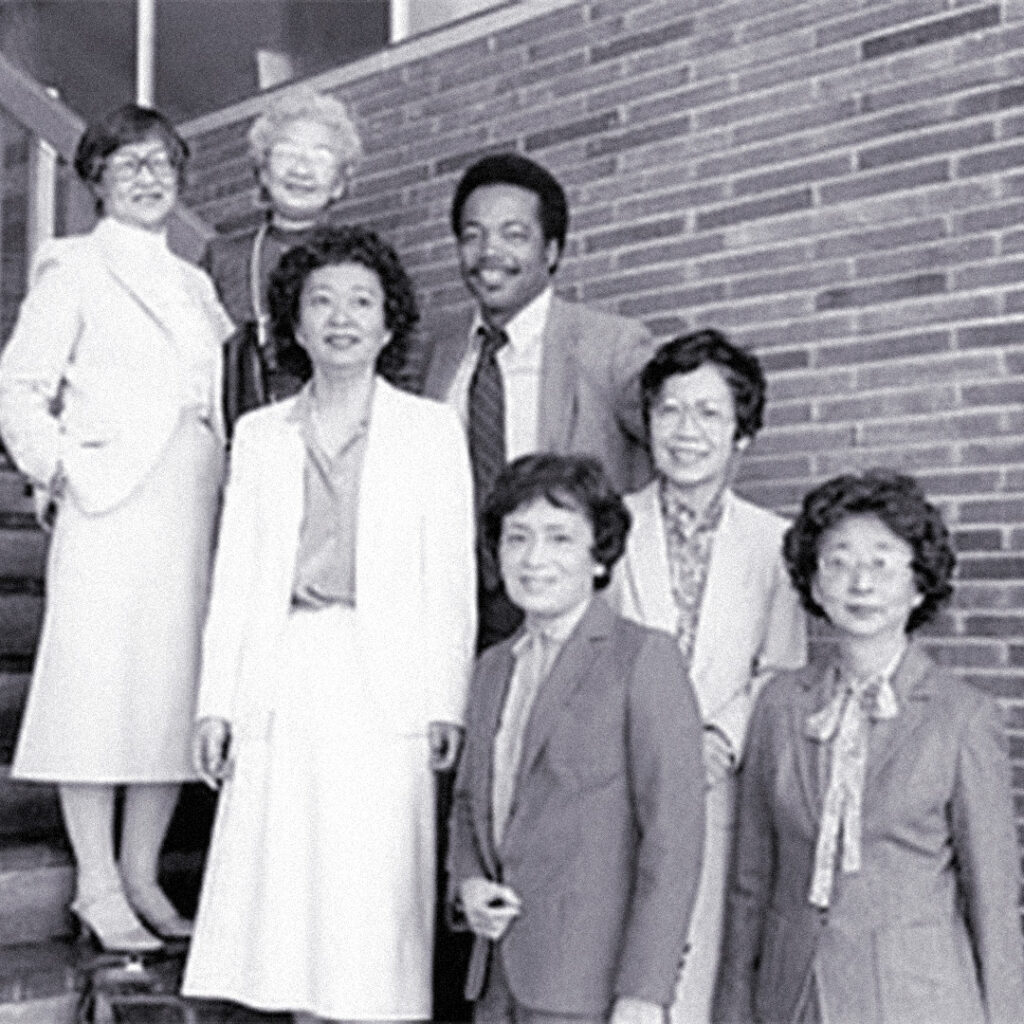
Cherry Kinoshita (front row, second from right) with former Seattle School District clerks in 1984, reunited to seek redress for their 1942 forced resignations.
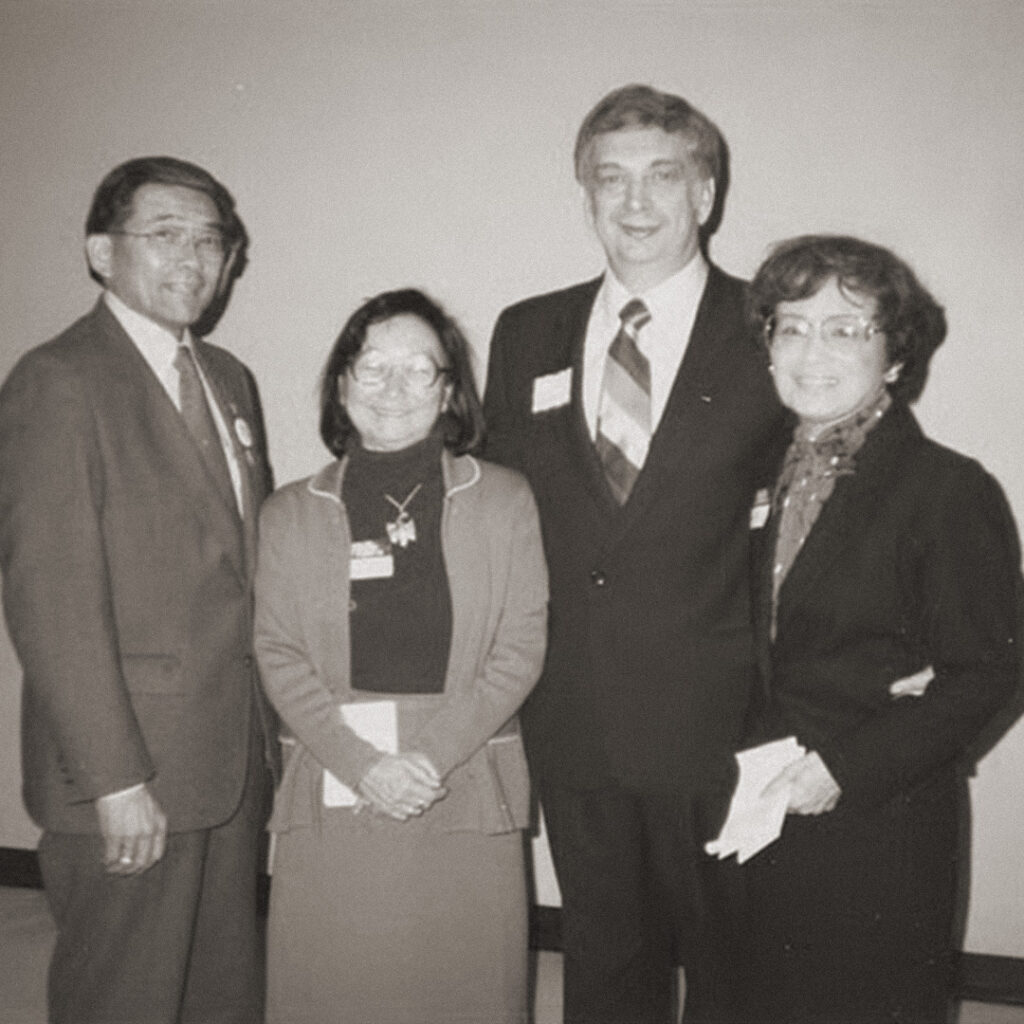
After the signing of the Civil Liberties Act of 1988, a landmark moment in American history. Pictured: Norman Mineta, Grace Uyeda, Mike Lowry, and Cherry Kinoshita.
She was proud to bring a "woman's touch" to justice. Cherry’s legacy lives on, not just in laws changed or apologies issued, but in every voice that now dares to speak the truth.
Leading With Emotion
Cherry knew how to get things done. And she knew the power of vulnerability. “Nisei women were allowed to show emotion,” she said. “Men weren’t.” She used that to her advantage, and for others.
She was often the emotional engine of the movement, encouraging others to share, showing that redress wasn’t just about politics. It was about justice, healing, and dignity.