He didn’t care if you were black, white, red, or blue. Little Dragon was larger than life.
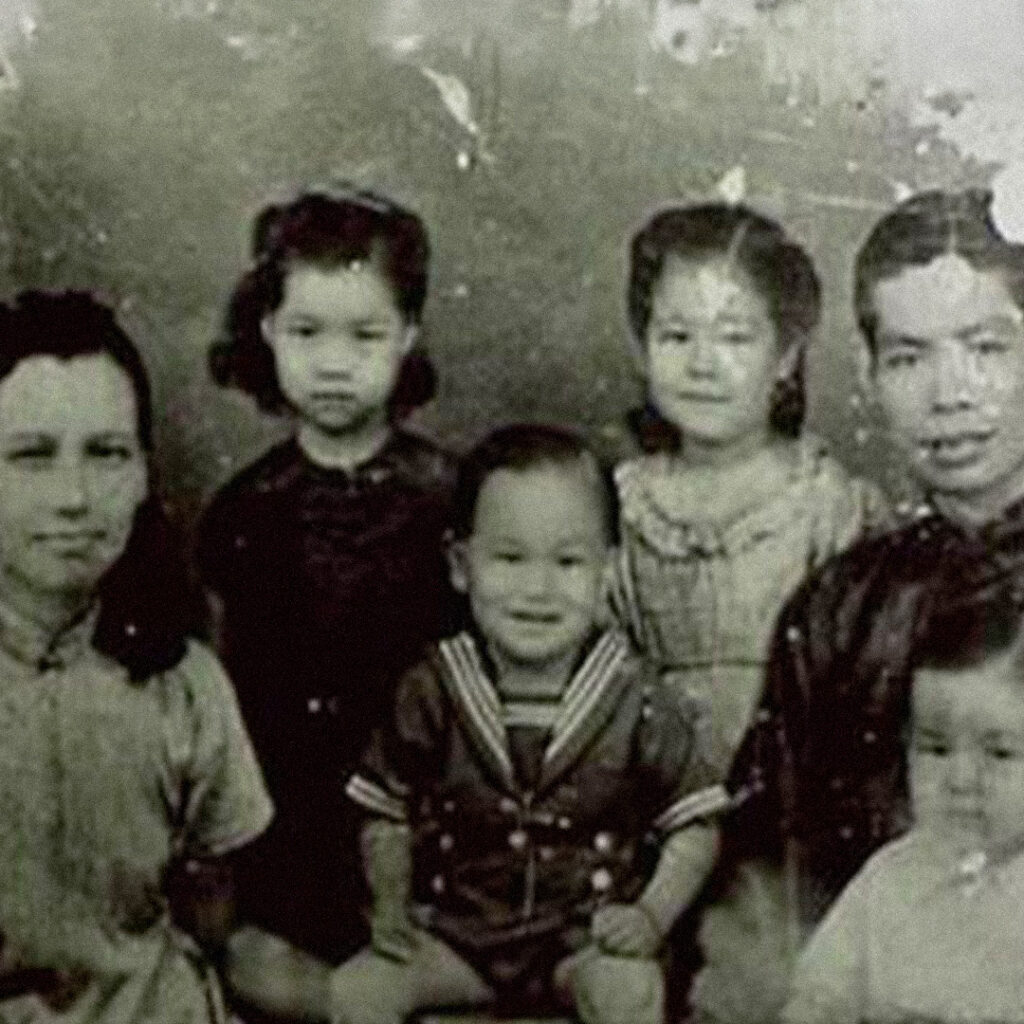
November 27, 1940: Bruce Lee was born in San Francisco, becoming the only American-born member of his family.
Born during a tour stop for his parents’ Cantonese opera company, Bruce arrived in the Year of the Dragon. His Cantonese stage name, Xiaolong, meant “Little Dragon,” a title that followed him for the rest of his life.
His four siblings were born in Hong Kong. He was the only one born on U.S. soil, then taken back to Hong Kong as an infant, raised between cultures long before either country understood what that meant. That tension shaped everything that followed.
When Bruce returned to the United States at eighteen, he quickly discovered what every Asian American already knew: he didn’t fit the expectations of either side.
To some Americans, he was “foreign.” To some Hongkongers, he had become “too American.” He belonged everywhere and nowhere. Maybe that’s why he insisted on building his world around people who didn’t care about borders.
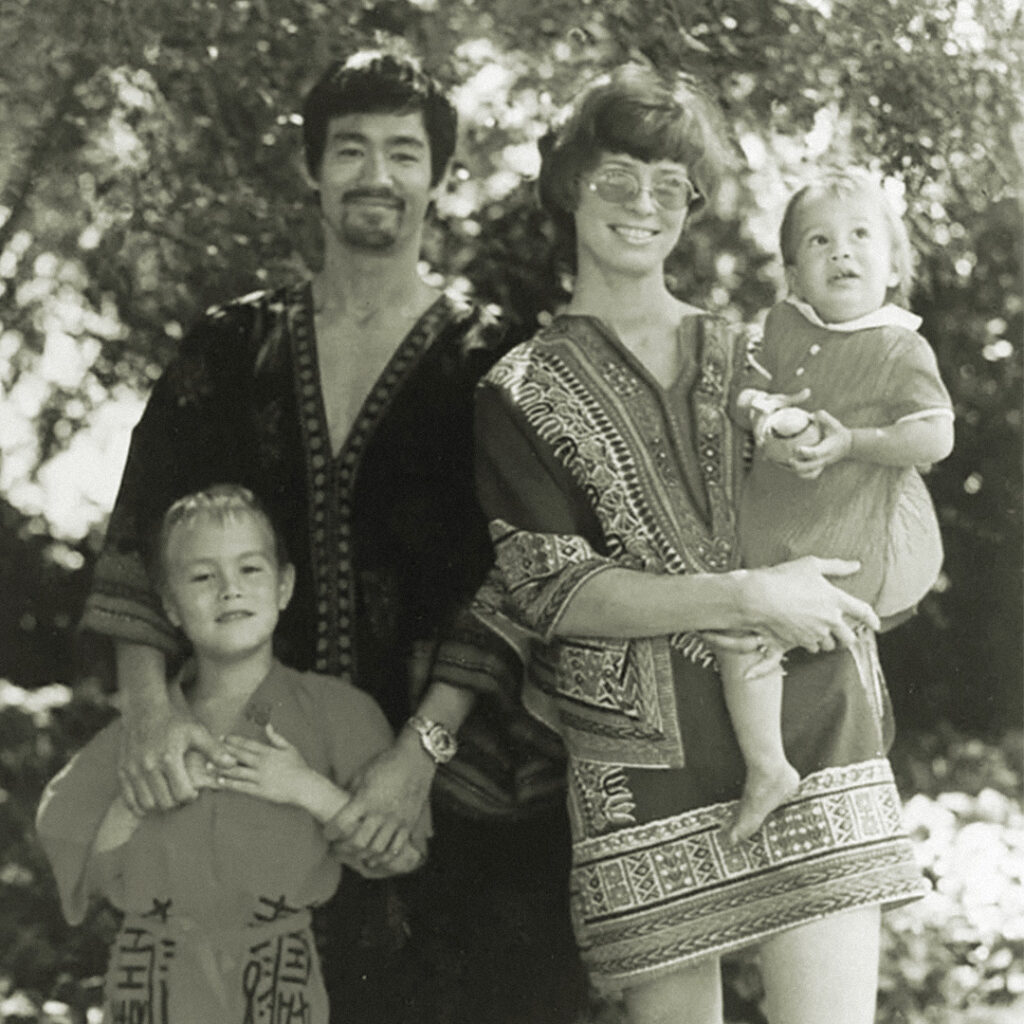
Bruce Lee with his family in the early 1940s. He was the only one born in the U.S., then taken back to Hong Kong as an infant, growing up between two worlds.
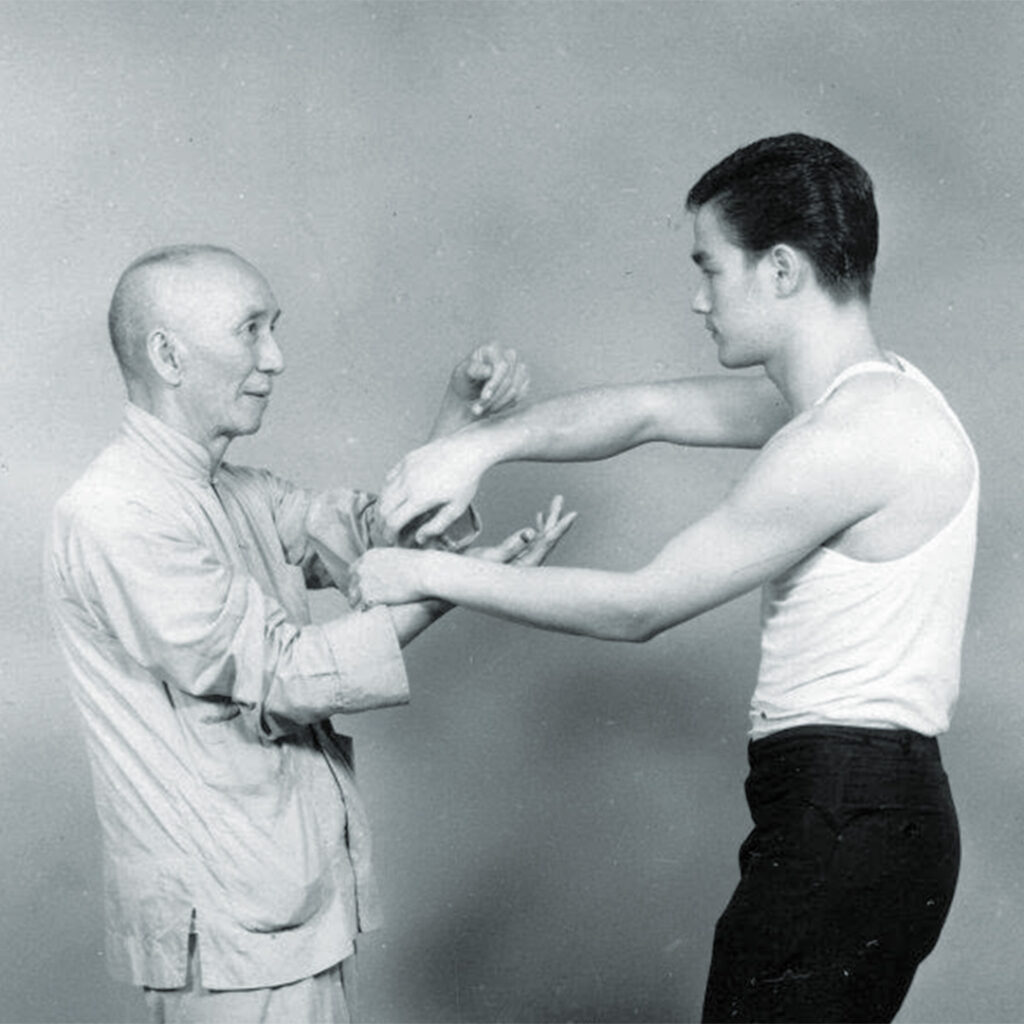
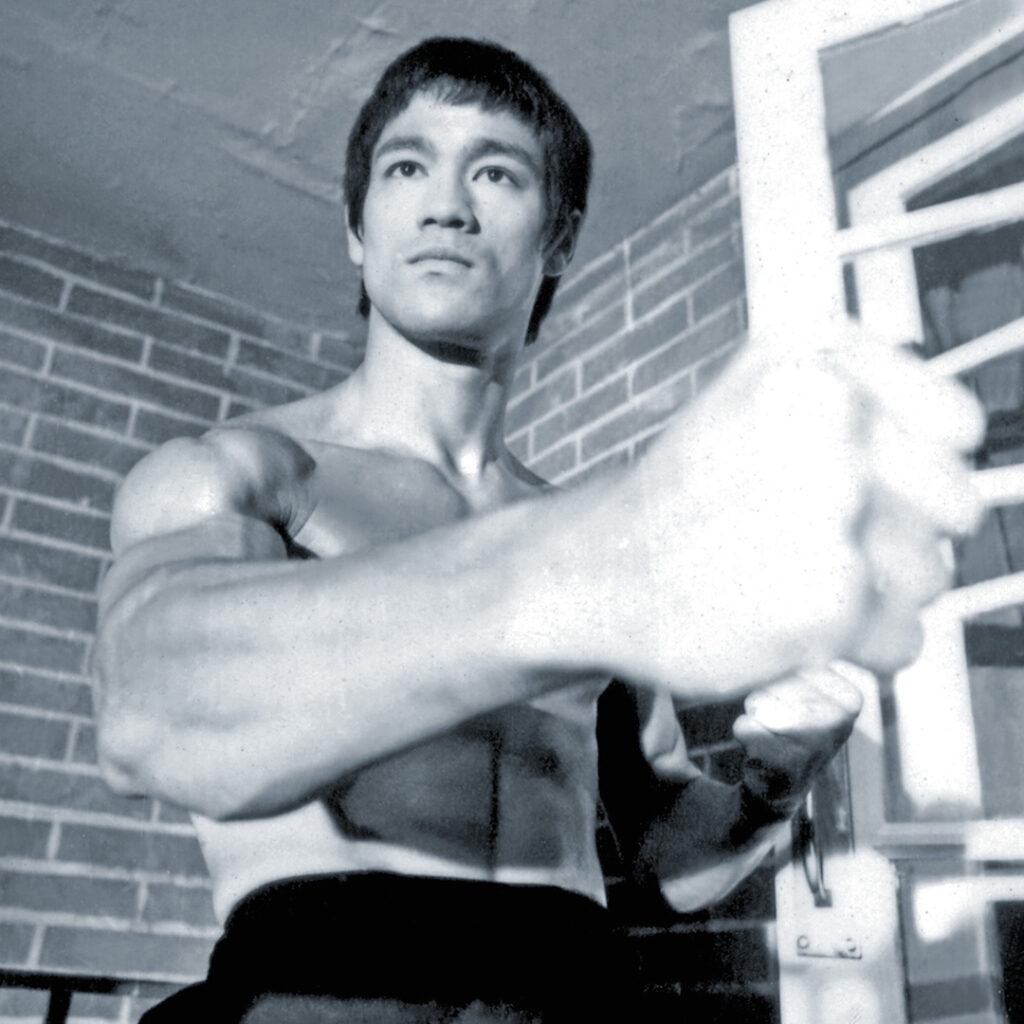
When 18, Bruce studied Wing Chun under Master Yip Man to stay out of trouble. What began as discipline became the foundation of a global martial arts revolution.
He refused to be boxed into one style. So he created his own, Jeet Kune Do, a philosophy built on staying fluid, adaptable, and impossible to pin down. “Be water.”
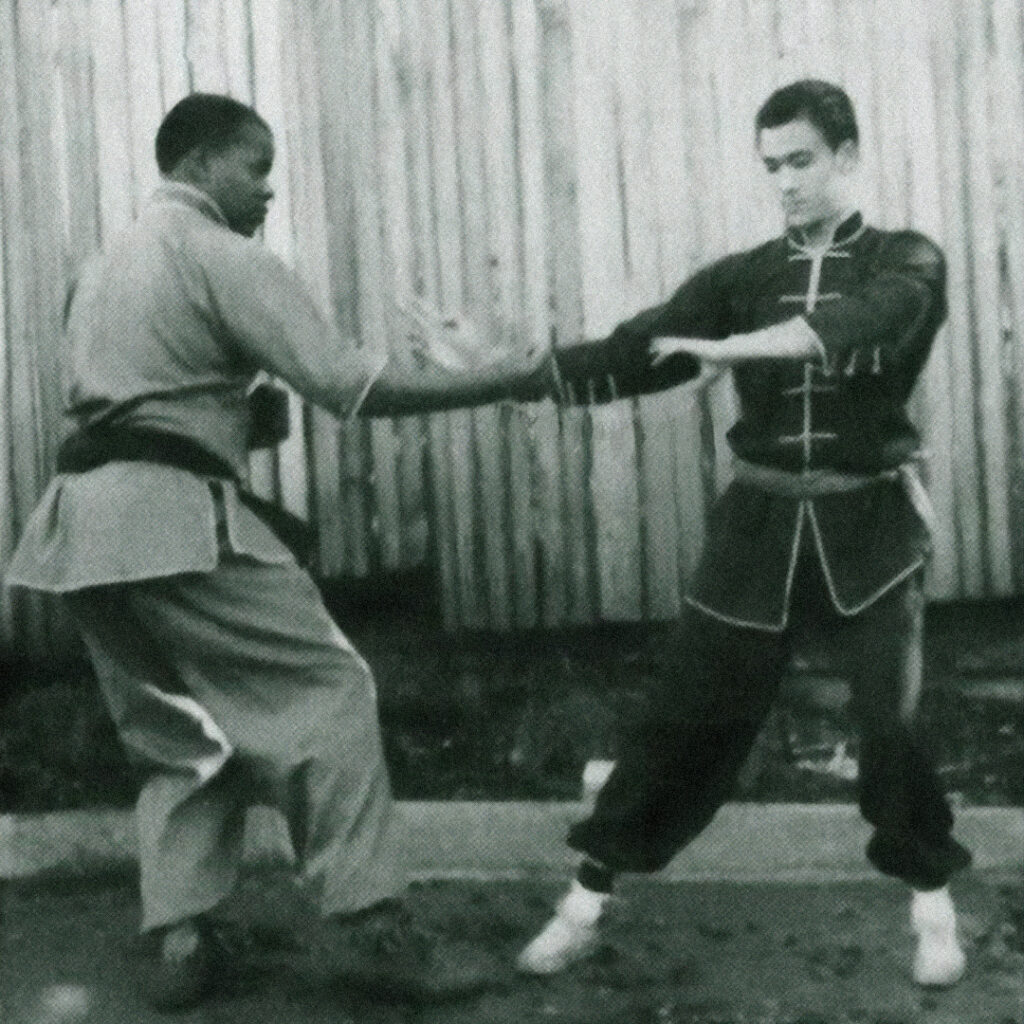
Bruce Lee with his first student, Jesse Glover. Bruce opened his classes to anyone willing to learn — a break from tradition that shaped his philosophy.
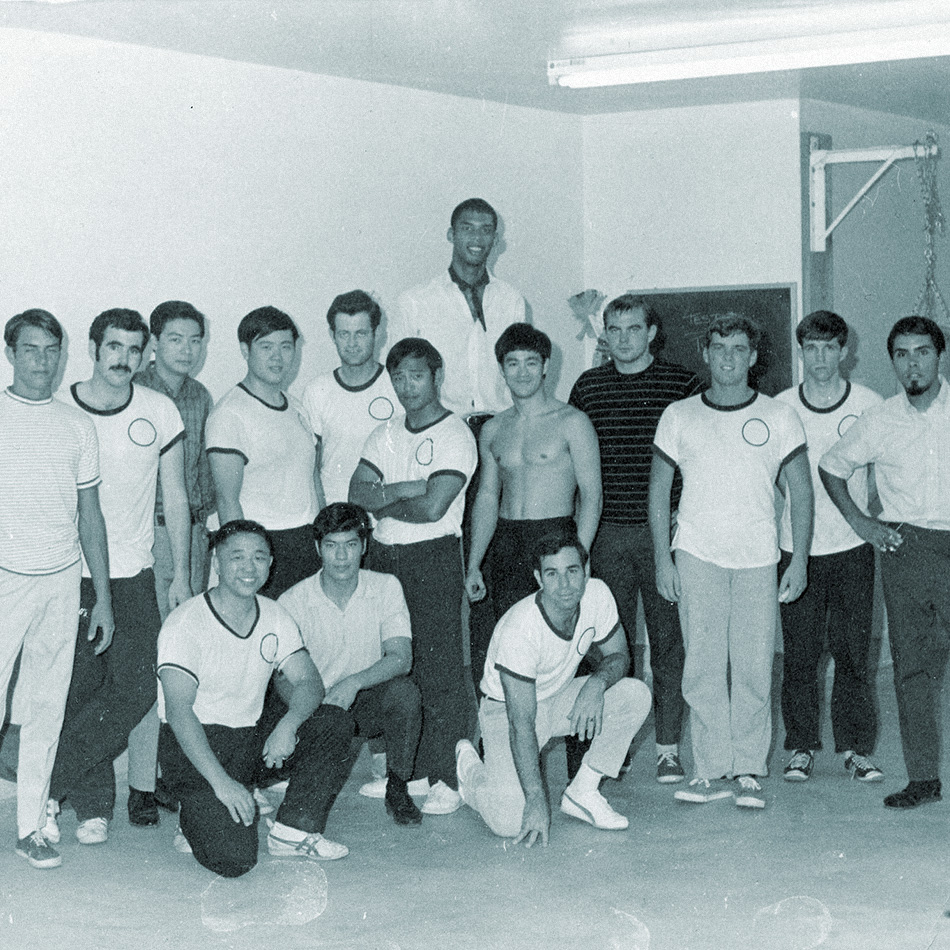
Bruce Lee with students in his LA Chinatown school, including Dan Inosanto, Larry Hartsell, and Kareem Abdul-Jabbar. A truly mixed class, just the way he liked.
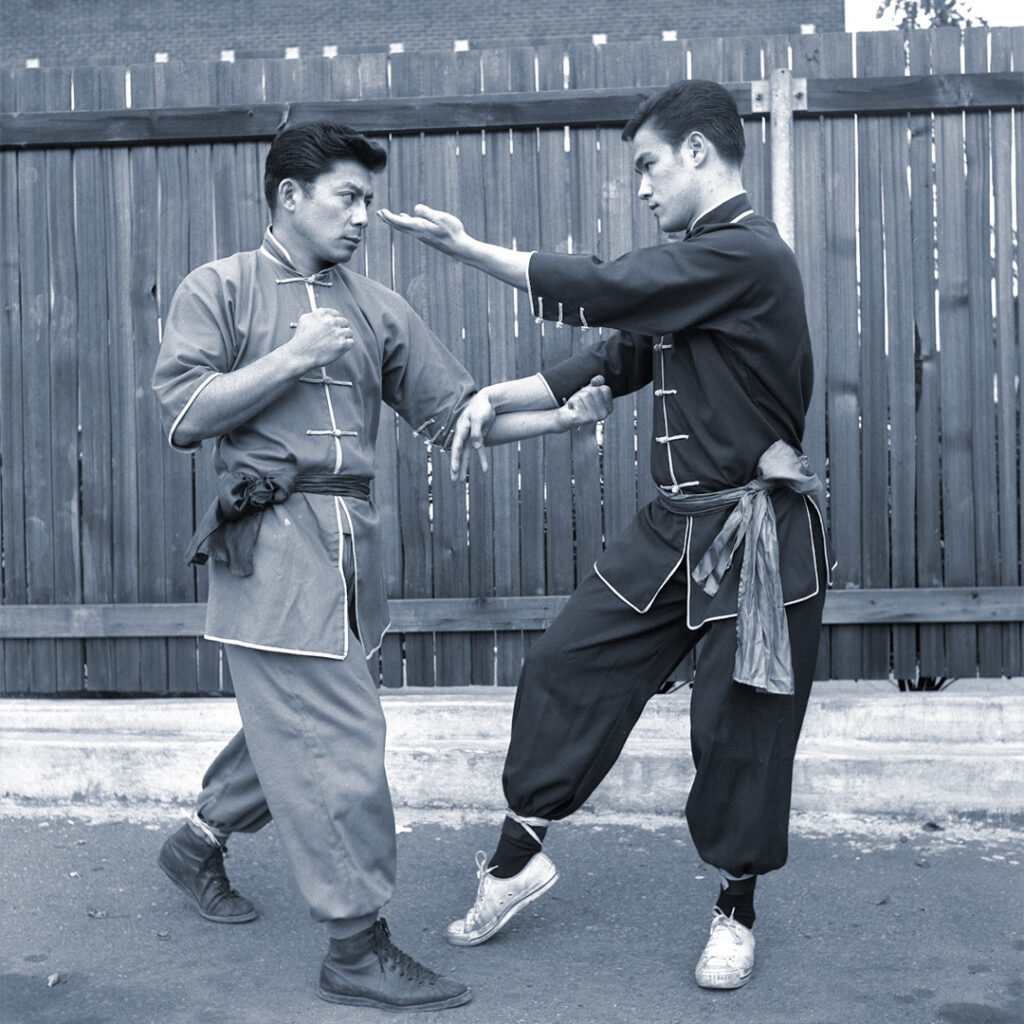
Bruce Lee training with Taky Kimura, one of his closest students. Kimura often said Bruce saved him from the despair of Japanese American incarceration.
Mixed Martial Arts with Mixed Students
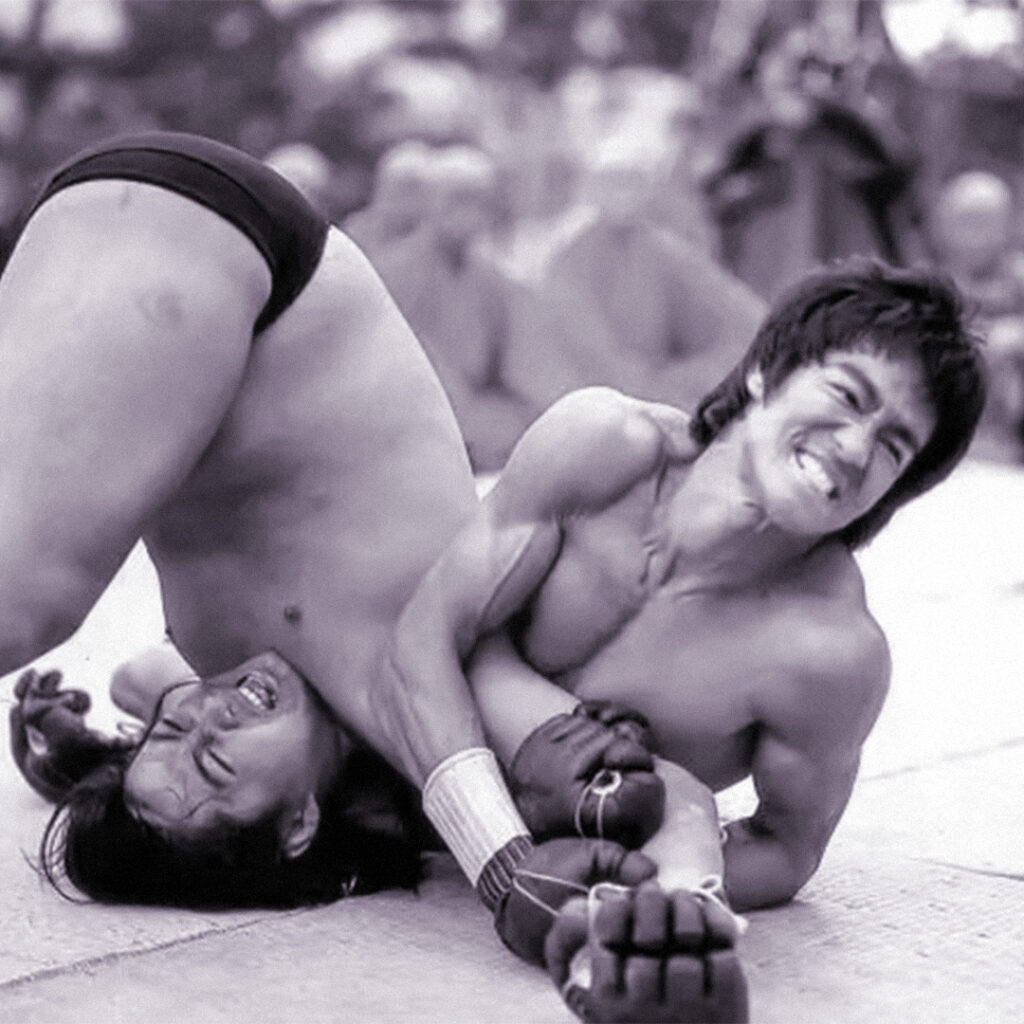
Bruce didn’t believe in following traditions simply because they were traditions. He blended techniques from different styles, long before “mixed martial arts” was a formal term. Many point to his opening fight scene with Sammo Hung in Enter the Dragon as one of the earliest depictions of true MMA.
He also refused to limit his teaching. When older Kung Fu masters insisted instruction should stay within Chinese communities, Bruce rejected that idea entirely. His first student in Seattle was Jesse Glover, a young Black man who had survived police violence. Glover said Bruce was the first person who treated him as an equal.
Bruce’s classes filled with students of every background: James Coburn, Kareem Abdul-Jabbar, Dan Inosanto, Chuck Norris, Joe Lewis, Steve McQueen, James Garner, Sharon Tate. Skill mattered more than status, race, or tradition. Martial arts, he believed, were for human beings — all of them. As he wrote: “Under the sky, under the heavens, there is but one family.”
The Great Wall of Hollywood
Bruce faced racism the moment he tried to break into Hollywood. It would take years — and a U.S./Hong Kong collaboration — before he could finally make Enter the Dragon.
Casting directors asked him to perform “ah-so” accents. Studios insisted an Asian man couldn’t carry a show. But Bruce refused parts that turned him into a stereotype. He would not play the caricature.
He played underdogs, outsiders, and marginalized characters because he knew exactly what it felt like to be treated as less than human. His characters stood up to bullies and systems, and audiences around the world felt seen.
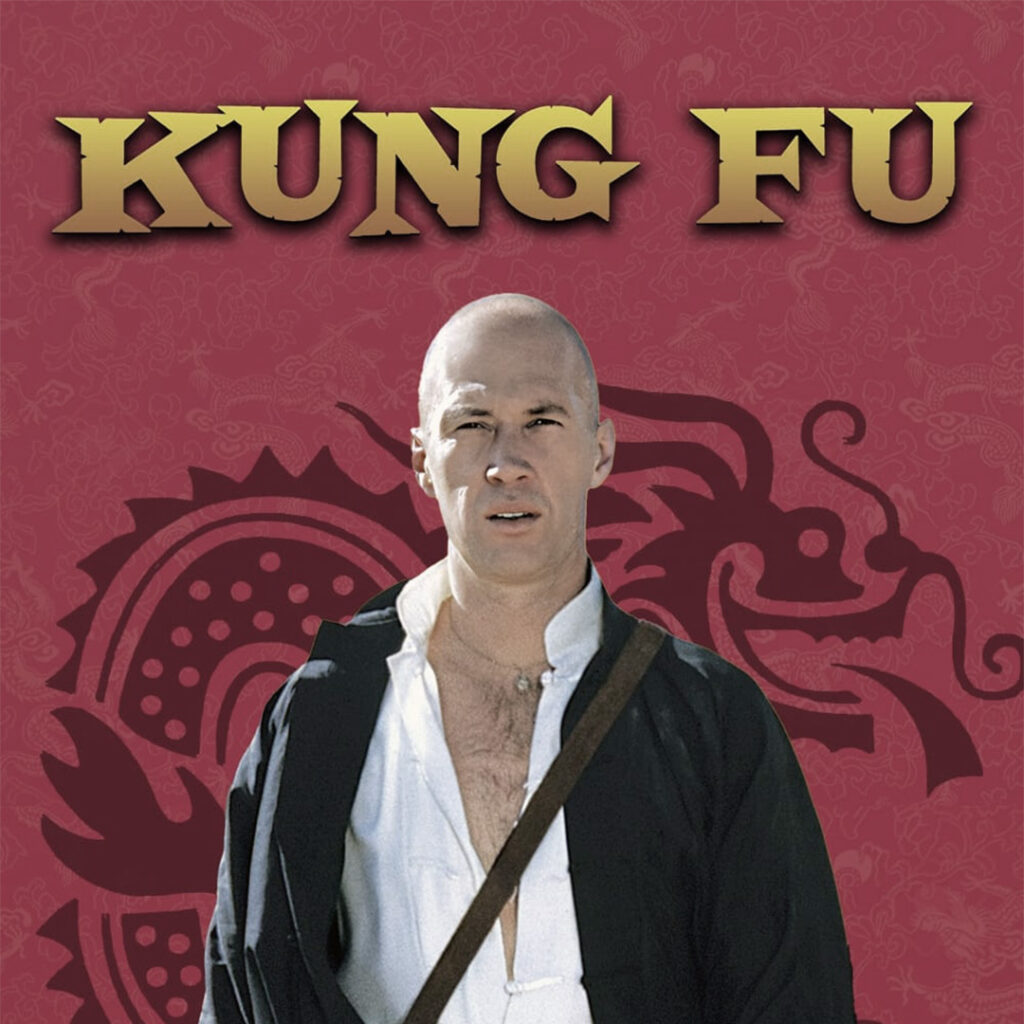
Bruce Lee pitched the idea for a TV series about a Shaolin monk in the American West. The show was made — but the role was handed to white actor David Carradine.
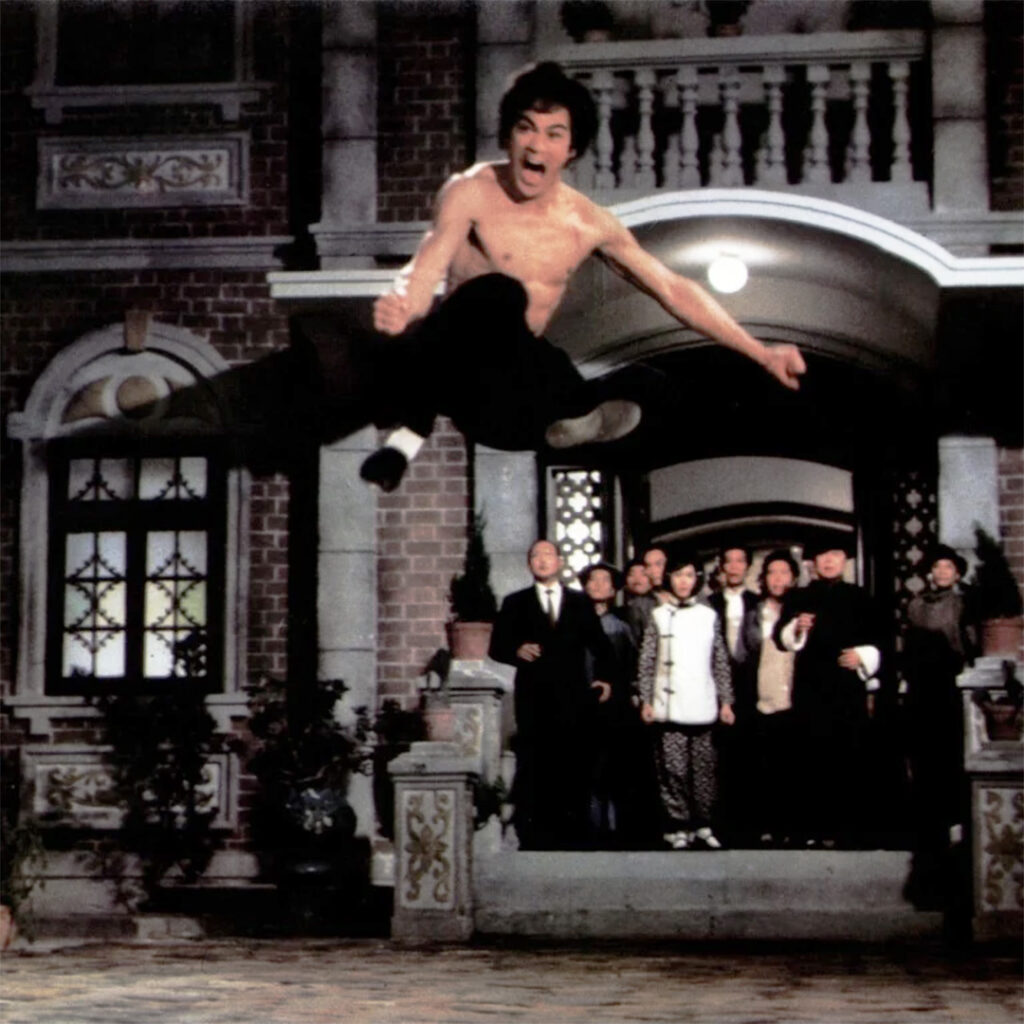
The final scene of "Fist of Fury" (a.k.a. "The Chinese Connection"). Bruce Lee’s films in Hong Kong were electric, they gave him the stardom Hollywood didn't.
Bruce and Linda Lee with their children, Brandon and Shannon. Their mixed marriage faced prejudice everywhere, yet Bruce refused to let it define his family.
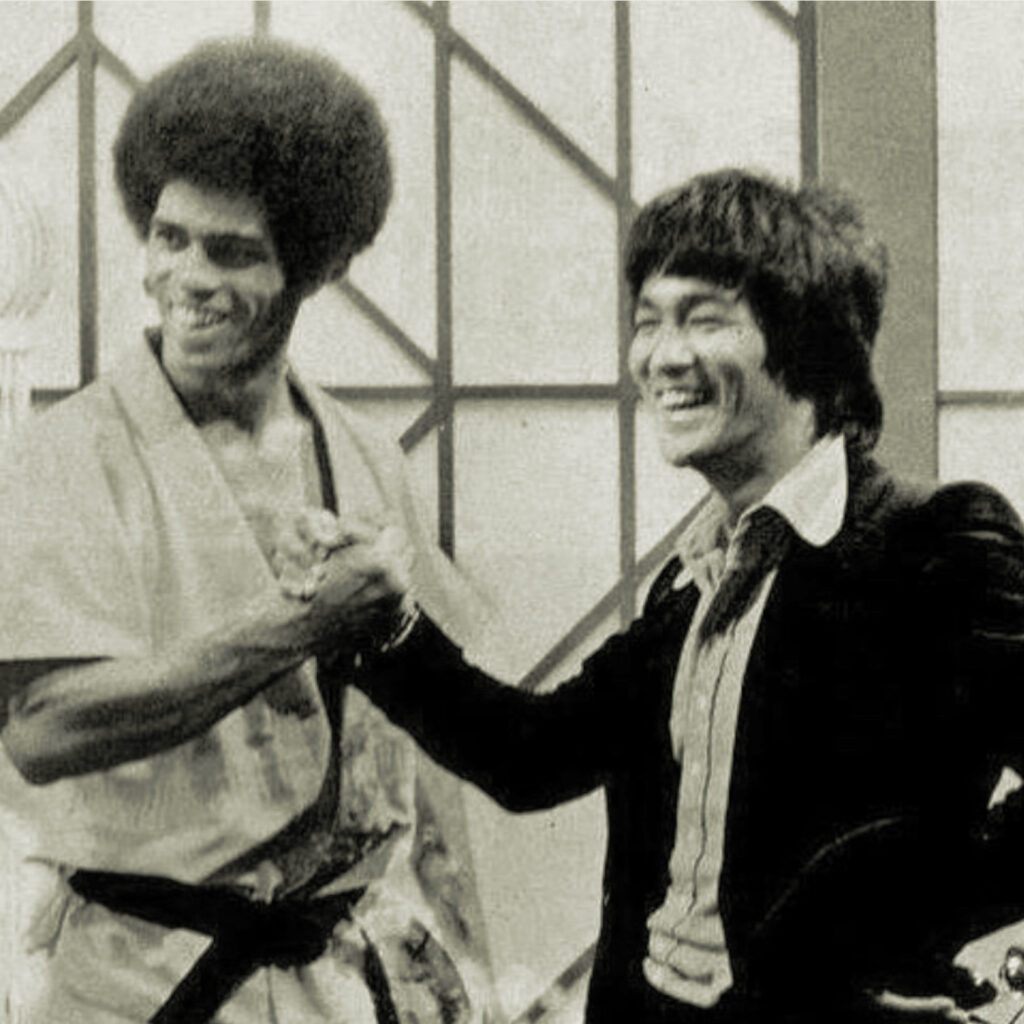
Bruce Lee with Jim Kelly, two trailblazers who opened doors for Black and Asian fighters on screen and refused to play stereotypes.
Bruce Lee was larger than life. He fought a lot of fights, but the toughest might've been the ones against racial barriers.
Reformulating the Formula
In 1964, Bruce married Linda Emery, a white woman. They faced discrimination in both the U.S. and Hong Kong. Bruce didn’t care. He wrote: “These opinions on racism are nothing more than a formula laid down by fear-mongers. I never follow these formulas.”
Bruce Lee wasn’t just a martial artist. He was a cultural force who gave marginalized people a hero who looked like them, moved like them, and refused to shrink himself for anyone.
He showed Black, brown, and Asian kids that they didn’t need to apologize for who they were. He showed an Asian man can take the center stage. He showed the world that strength didn’t belong to any one race. Bruce Lee didn’t follow conventions. He broke them — for something better.