
Manzanar Riot
On December 5, 1942, the Manzanar Riot erupted over the arrest of an inmate and deepening distrust between generations, informants, and camp authorities. Martial law was declared. Two men were killed. Many more were wounded.

Yeiko Mizobe So
Born to a samurai family, Yeiko Mizobe So became a pioneering protector of Japanese immigrant women in Hawaiʻi. She founded the Japanese Women’s Home in 1895 and later a children’s home, sheltering hundreds and redefining community advocacy in the early Japanese American experience.

Claude Akira Mimaki
Born in California and imprisoned as an enemy, Claude Akira Mimaki volunteered for the U.S. Army from behind barbed wire, served in two wars, and went on to build a life and business in postwar Japan. His story traces the full arc of the Nisei experience, from exclusion to service to reinvention, lived across borders and decades.

Michi Nishiura Weglyn
Michi Nishiura Weglyn spent her teenage years behind barbed wire at Gila River. Decades later, urged by her Holocaust survivor husband, she exposed the government’s lies about Japanese American incarceration in, “Years of Infamy,” a book that helped spark the redress movement.

Eric Shinseki
Eric Shinseki grew up hearing stories of three uncles who fought with the all-Nisei 100th/442nd. He carried their legacy through Vietnam, a near-fatal injury, and into history as the first Asian American four-star general.

Bruce Lee
Bruce Lee was born in San Francisco in 1940, the only American-born member of his family, and spent his life challenging the racial barriers that defined Hollywood and the world around him. He taught students of every background, refused stereotypical roles, married across racial lines, and showed that strength and dignity belong to all people — not any one race.


Executive Order 9066
On February 19, 1942, President Franklin D. Roosevelt signed Executive Order 9066, authorizing the forced removal and incarceration of over 120,000 Japanese Americans. The order paved the way for one of the largest violations of civil liberties in U.S. history.
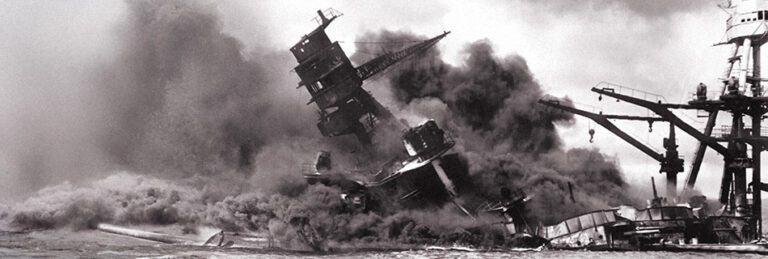
Pearl Harbor
Pearl Harbor shook the nation — and fear quickly turned on Japanese Americans. Propaganda, arrests, and mass incarceration followed, reshaping more than 120,000 lives.
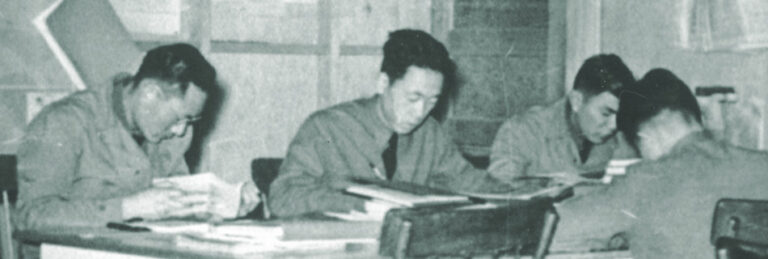
Military Intelligence Service (MIS)
The government imprisoned people for teaching Japanese, while secretly teaching it themselves.