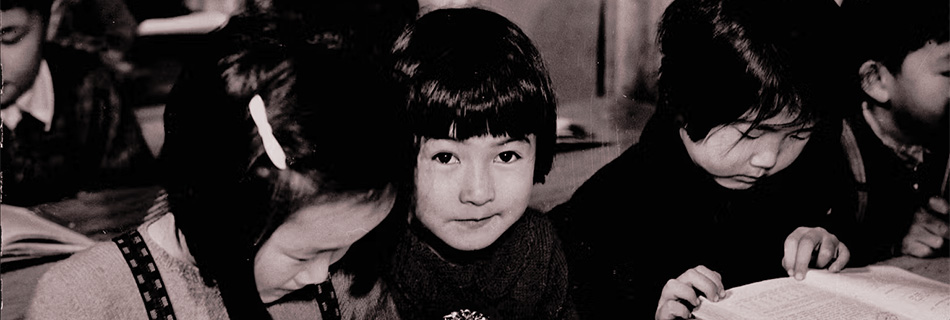
Japanese Canadian Incarceration
January 14, 1942 marked the beginning of a seven-year exile for Japanese Canadians. More than 27,000 people were removed, incarcerated, and barred from returning home until 1949.
January 14, 1942 marked the beginning of a seven-year exile for Japanese Canadians. More than 27,000 people were removed, incarcerated, and barred from returning home until 1949.
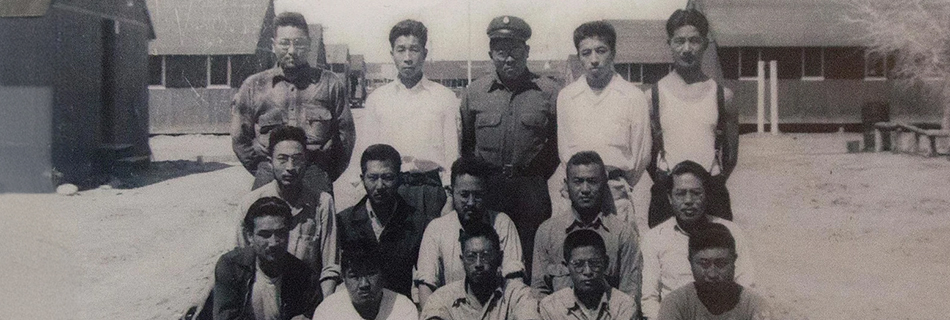
In January 1943, the U.S. government opened the Moab Isolation Center in Utah to imprison Japanese American men labeled “troublemakers.” They were already incarcerated. Moab existed to punish those who refused to stay silent.
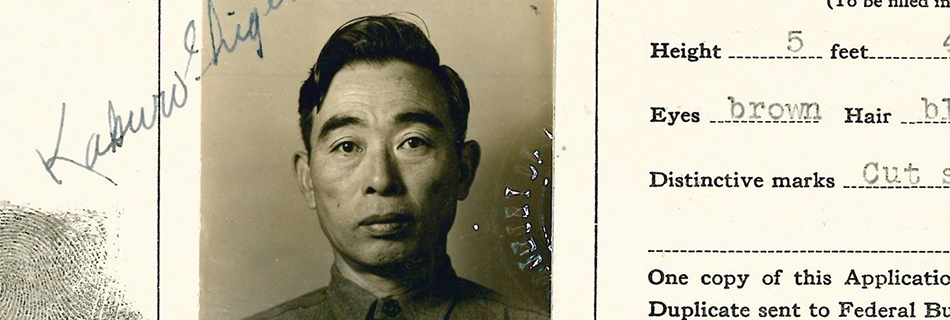
On January 7, 1942, authorities arrested Kakurō Shigenaga by mistake. They were looking for his brother. When they realized the error, they arrested the brother too — and kept them both.
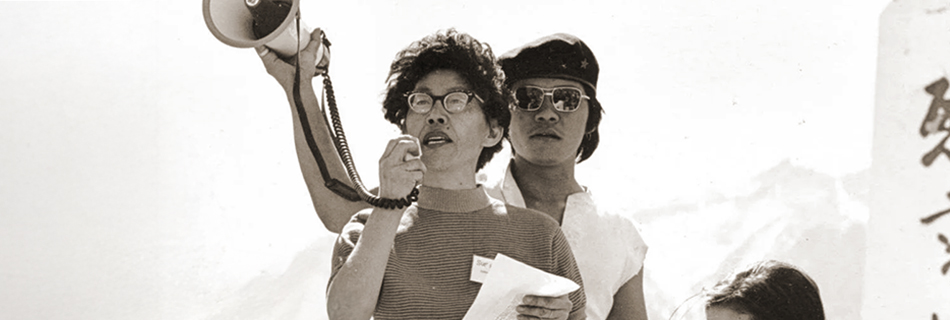
Sue Kunitomi Embrey was known in Manzanar as prisoner 2614F. She spent the rest of her life making sure that number, and what it represented, would never be forgotten, becoming the driving force behind preserving Manzanar and its history.
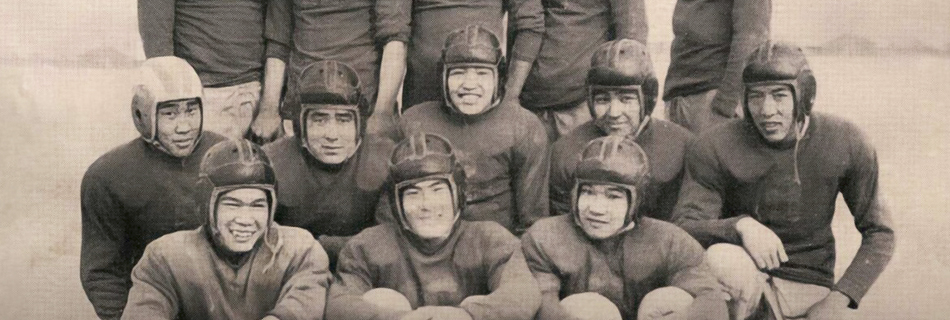
The Heart Mountain Eagles were an all-Japanese American football team that played and defeated outside Wyoming high schools while imprisoned in a World War II incarceration camp.
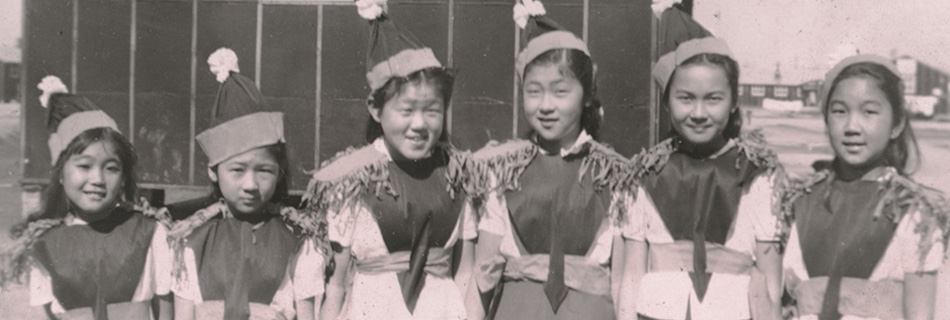
From 1942 to 1944, Japanese Americans incarcerated in camps across the U.S. celebrated the holidays with handmade decorations, mess-hall parties, and even Santa Claus. Despite harsh conditions, they preserved a sense of community and hope.
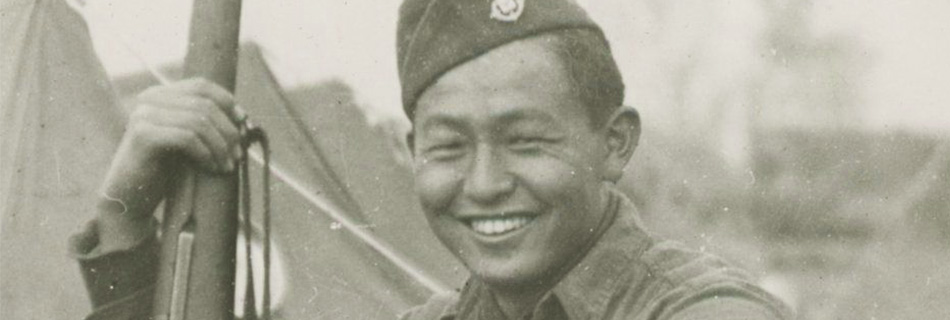
Incarcerated at sixteen and killed in combat at nineteen, Stanley Hayami left behind a diary that speaks with rare honesty from behind barbed wire and war.
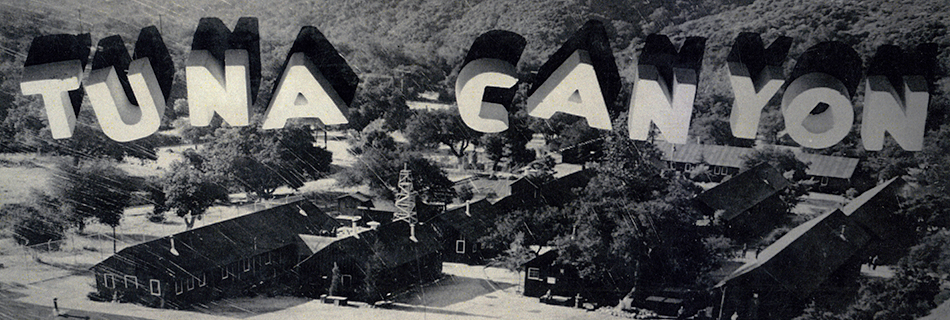
The Tuna Canyon Detention Station operated just six miles from Glendale from 1941 to 1943, imprisoning over 2,000 Japanese, German, and Italian immigrants, Japanese Peruvians, and others labeled “enemy aliens” during World War II.
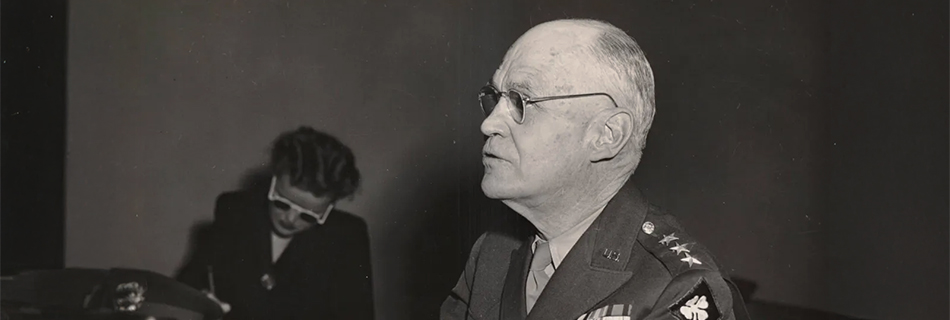
The Western Defense Command wasn’t created to tear families apart. But after Pearl Harbor, its leaders turned fear into policy, fueling mass removal, silencing intelligence warnings, and reshaping American civil liberties in 1942.