
Endo-Korematsu Paradox
On December 18, 1944, the Supreme Court ruled that the government couldn’t detain loyal Japanese Americans. Hours later, it upheld a conviction for refusing to comply with that same system. It was a contradiction — the Endo-Korematsu Paradox.

Tuna Canyon Detention Station
The Tuna Canyon Detention Station operated just six miles from Glendale from 1941 to 1943, imprisoning over 2,000 Japanese, German, and Italian immigrants, Japanese Peruvians, and others labeled “enemy aliens” during World War II.
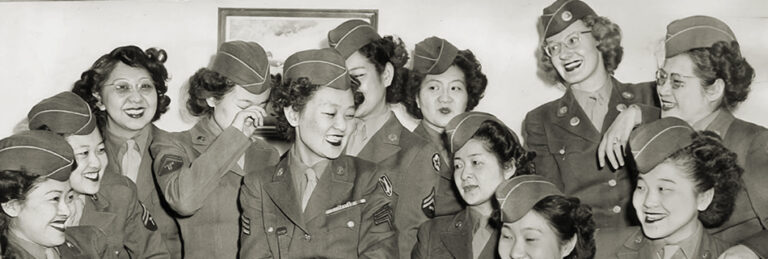
Women’s Army Corps (WAC)
On December 13, 1943, Iris Watanabe became the first Japanese American woman to join the Women’s Army Corps, marking a breakthrough for Nisei women during WWII.

Western Defense Command
The Western Defense Command wasn’t created to tear families apart. But after Pearl Harbor, its leaders turned fear into policy, fueling mass removal, silencing intelligence warnings, and reshaping American civil liberties in 1942.

Sand Island Internment Camp
Sand Island opened on December 8, 1941, turning Japanese immigrants and U.S. citizens into POWs overnight. A stark look at the first internment camp in Hawaiʻi.
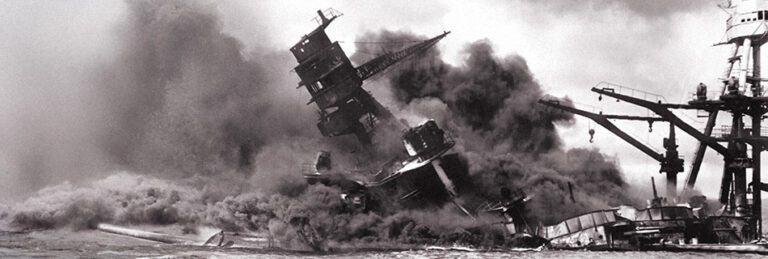
Pearl Harbor
Pearl Harbor shook the nation — and fear quickly turned on Japanese Americans. Propaganda, arrests, and mass incarceration followed, reshaping more than 120,000 lives.


Pearl Harbor
Pearl Harbor shook the nation — and fear quickly turned on Japanese Americans. Propaganda, arrests, and mass incarceration followed, reshaping more than 120,000 lives.

Executive Order 9066
On February 19, 1942, President Franklin D. Roosevelt signed Executive Order 9066, authorizing the forced removal and incarceration of over 120,000 Japanese Americans. The order paved the way for one of the largest violations of civil liberties in U.S. history.
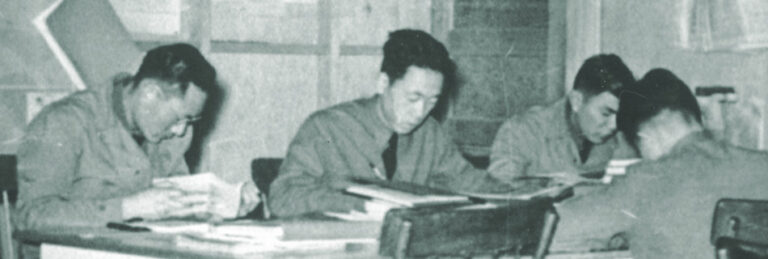
Military Intelligence Service (MIS)
The government imprisoned people for teaching Japanese, while secretly teaching it themselves.