Business & Agriculture

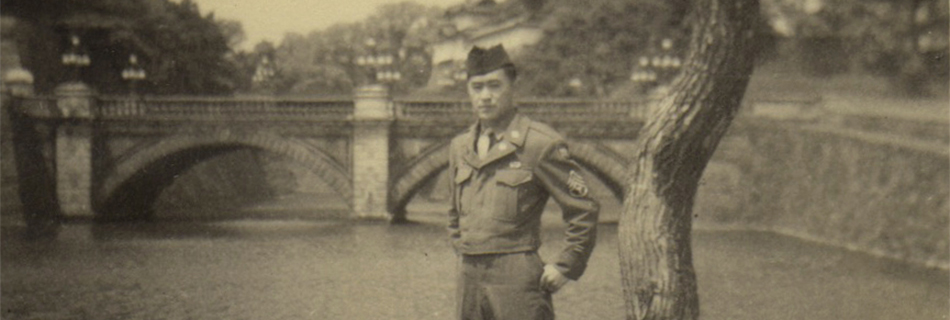
Claude Akira Mimaki at Imperial Palace in Tokyo, May 1947

Claude Akira Mimaki

Born in California and imprisoned as an enemy, Claude Akira Mimaki volunteered for the U.S. Army from behind barbed wire, served in two wars, and went on to build a life and business in postwar Japan. His story traces the full arc of the Nisei experience, from exclusion to service to reinvention, lived across borders and decades.
Read More
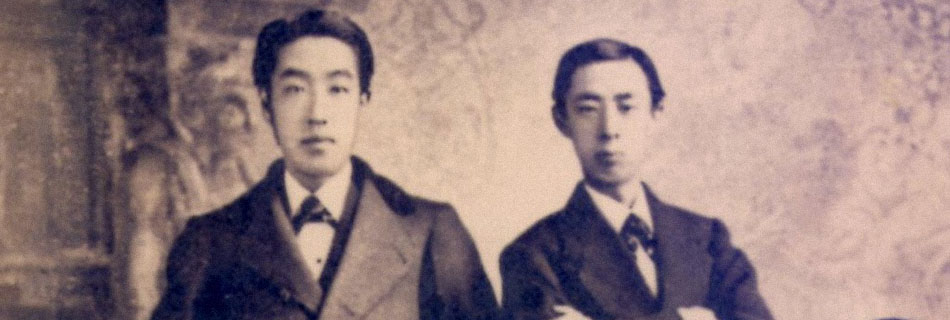
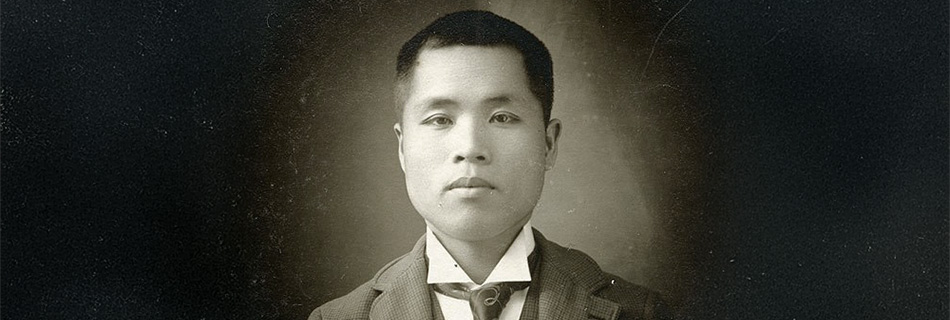
Takuji Yamashita's portrait from Tacoma High School

Yamashita v. Hinkle

Takuji Yamashita fought racism in Washington’s courts long before WWII. His 1922 case, Yamashita v. Hinkle, exposed how the Alien Land Laws targeted Japanese immigrants.

Read More
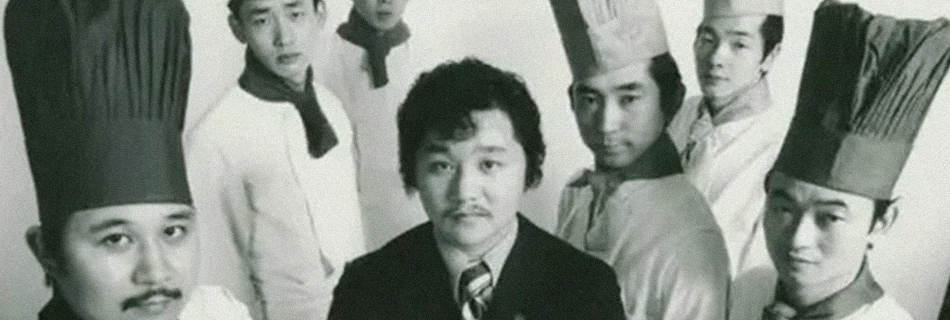
Hiroaki Rocky Aoki surrounded by Benihana chefs

Rocky Aoki

From Tokyo streets to American fame, Rocky Aoki built an empire with Benihana, mixing performance and food into a new kind of dining experience. His wild life made him one of the most fascinating Japanese Americans of his era.

Read More
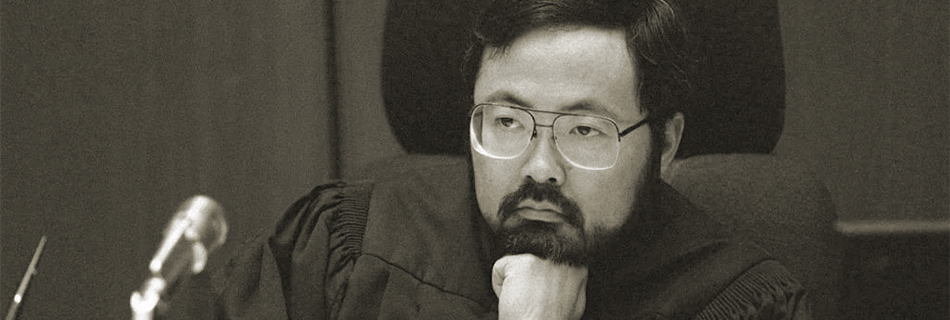
Judge Lance Ito listening in his court room

Judge Ito

Decades after his parents’ incarceration at Heart Mountain, Judge Lance Ito presided over the O.J. Simpson trial — a defining moment in American justice and media history.

Read More
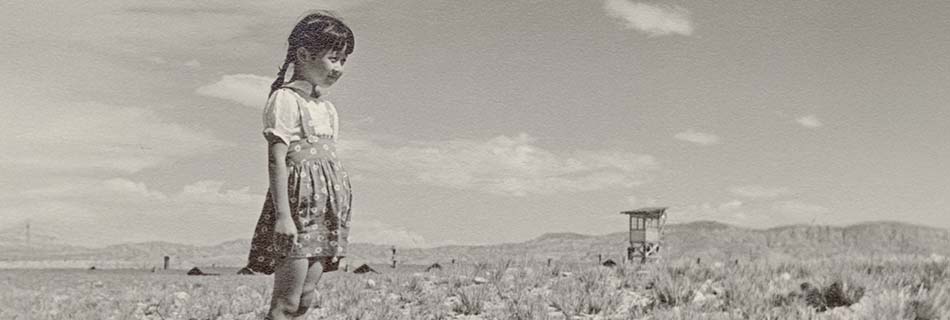
Ayako Inouye standing in Heart Mountain, May 31, 1944, Yoshio Okumoto Collection

Susan H Kamei

In “When Can We Go Back to America?,” author Susan H. Kamei gives voice to Japanese Americans whose lives were uprooted by incarceration during World War II, including her own family. Their stories reveal the enduring power of memory and justice.

Read More
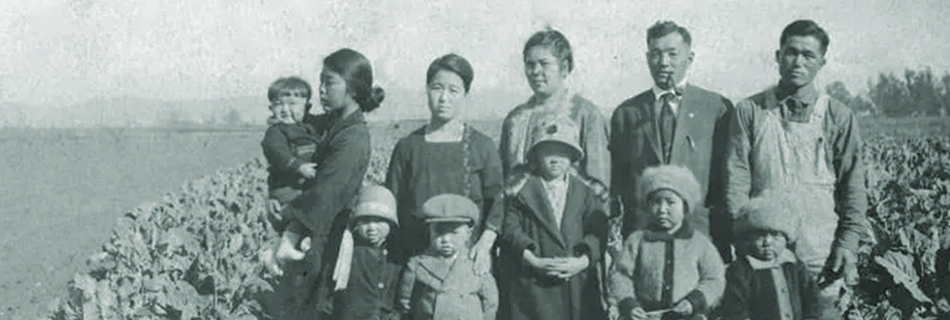
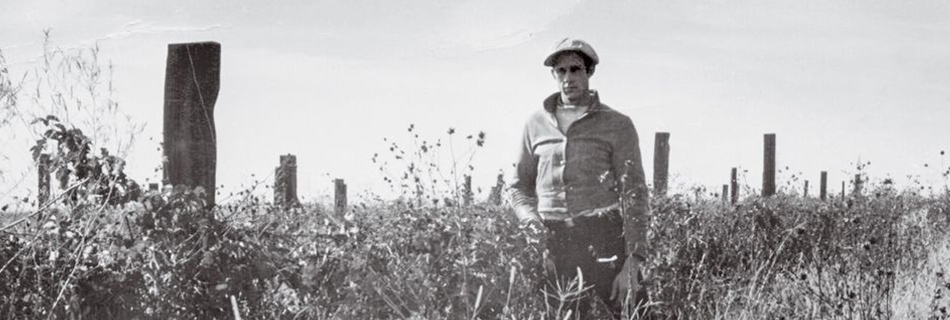
Bob Fletcher on the 40 acre Nitta Farm he operated throughout the war

Bob Emmett Fletcher

During World War II, while Japanese American farmers were forced from their land, one young white agricultural inspector named Bob Fletcher chose to stand by them. He worked three farms, paid their taxes, and refused to profit from their loss. In a time when prejudice was law and loyalty was punished, Fletcher’s quiet integrity helped Japanese American families return to something few others had left: their homes.

Read More
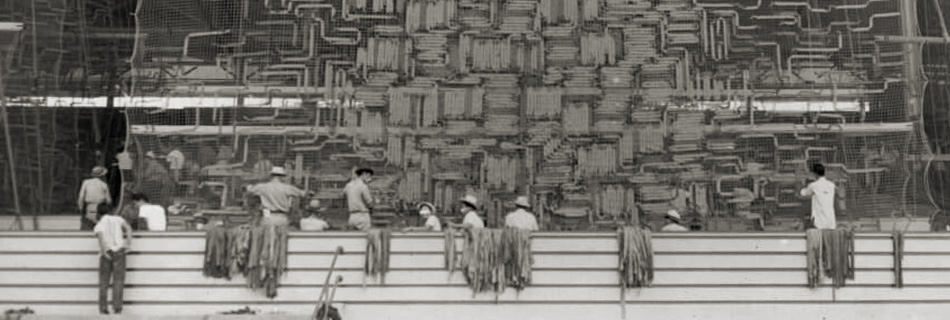
A group of Japanese Americans working at the camouflage net factory at the Santa Anita detention center, 1942, credit Library of Congress

Santa Anita Strike

The Santa Anita Strike of 1942 was a labor protest inside a World War II detention center for Japanese Americans. The uprising revealed growing anger over poor living conditions and injustice under government control.

Read More

Search Our Stories

Type below to explore past stories and posts from our archives

This site uses cookies to enhance your experience. By using this site, you accept our use of cookies.