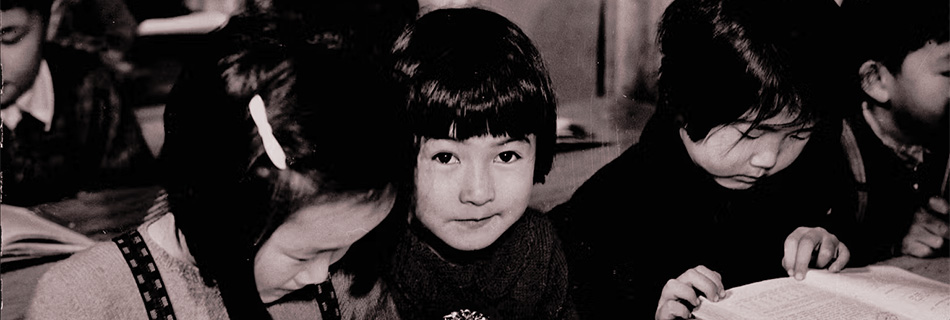
Japanese Canadian Incarceration
January 14, 1942 marked the beginning of a seven-year exile for Japanese Canadians. More than 27,000 people were removed, incarcerated, and barred from returning home until 1949.
January 14, 1942 marked the beginning of a seven-year exile for Japanese Canadians. More than 27,000 people were removed, incarcerated, and barred from returning home until 1949.
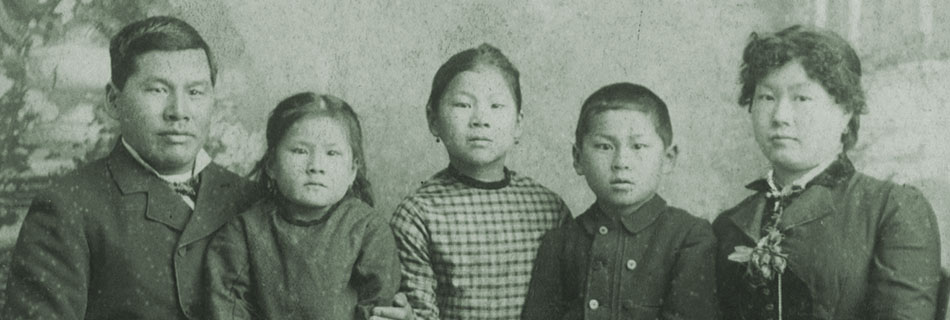
On January 9, 1885, the California Supreme Court ruled that denying Mamie Tape admission to public school because she was Chinese violated the Fourteenth Amendment. The law was clear. California’s response was not.
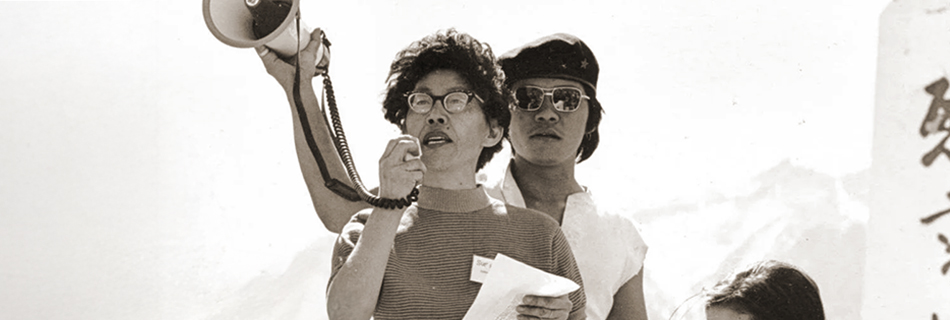
Sue Kunitomi Embrey was known in Manzanar as prisoner 2614F. She spent the rest of her life making sure that number, and what it represented, would never be forgotten, becoming the driving force behind preserving Manzanar and its history.
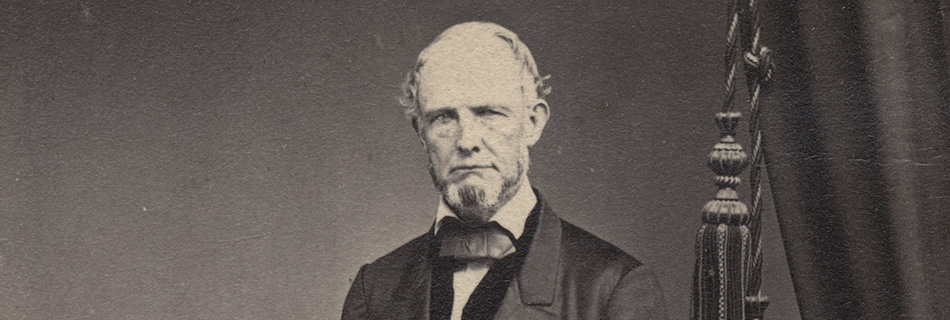
California’s first governor opposed slavery not out of moral conviction, but because he wanted Black people excluded entirely. Peter Hardeman Burnett helped shape a state built on racial removal, Indigenous genocide, and immigrant exclusion.
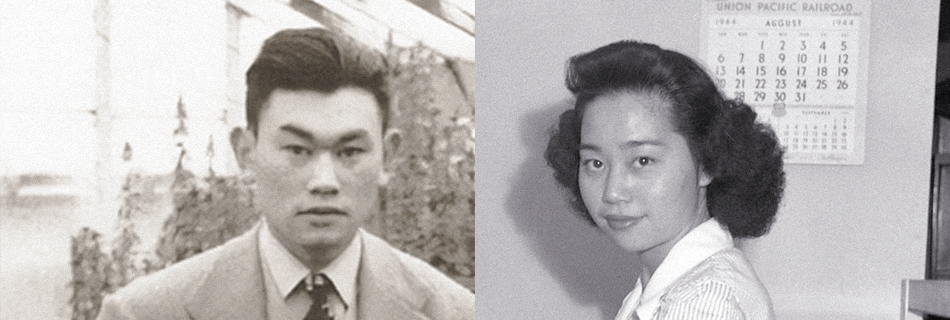
On December 18, 1944, the Supreme Court ruled that the government couldn’t detain loyal Japanese Americans. Hours later, it upheld a conviction for refusing to comply with that same system. It was a contradiction — the Endo-Korematsu Paradox.
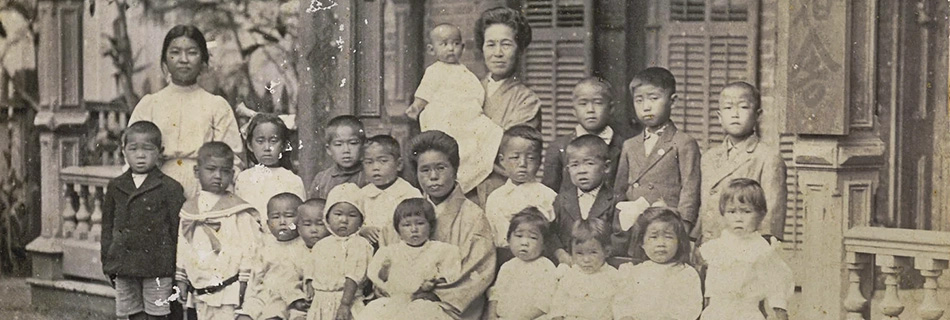
Born to a samurai family, Yeiko Mizobe So became a pioneering protector of Japanese immigrant women in Hawaiʻi. She founded the Japanese Women’s Home in 1895 and later a children’s home, sheltering hundreds and redefining community advocacy in the early Japanese American experience.

Michi Nishiura Weglyn spent her teenage years behind barbed wire at Gila River. Decades later, urged by her Holocaust survivor husband, she exposed the government’s lies about Japanese American incarceration in, “Years of Infamy,” a book that helped spark the redress movement.
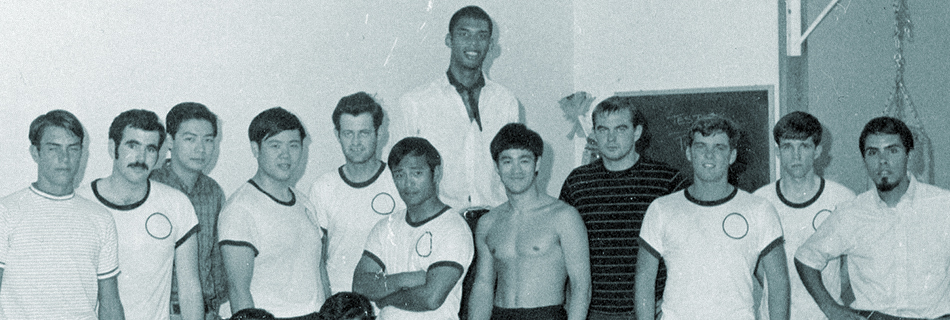
Bruce Lee was born in San Francisco in 1940, the only American-born member of his family, and spent his life challenging the racial barriers that defined Hollywood and the world around him. He taught students of every background, refused stereotypical roles, married across racial lines, and showed that strength and dignity belong to all people — not any one race.
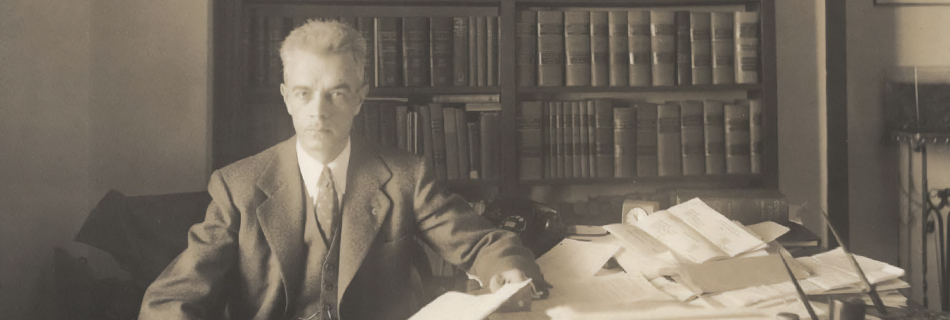
Wayne Collins spent decades defending Japanese Americans’ civil rights. Born on November 23, 1899, he fought cases from Korematsu to the Tule Lake renunciants, restored citizenship to thousands, and challenged the government’s wartime abuses. His work helped protect the Constitution when few others would.