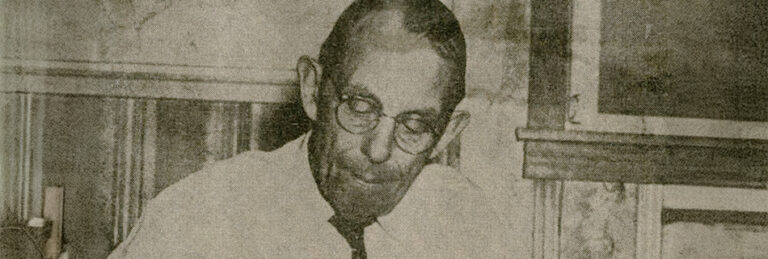
Ralph Merritt
Ralph Merritt walked into Manzanar just weeks before the camp exploded into unrest. What followed was a tenure defined by tension, compromise, and unexpected humanity. His leadership wasn’t perfect, but he helped steady a fractured community, supported photography and the arts, and later became a key ally in preserving Japanese American history after the war.
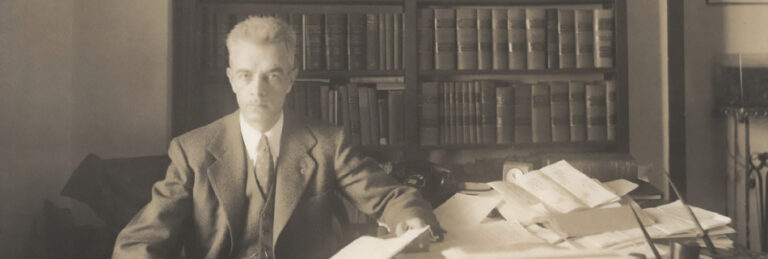
Wayne Collins
Wayne Collins spent decades defending Japanese Americans’ civil rights. Born on November 23, 1899, he fought cases from Korematsu to the Tule Lake renunciants, restored citizenship to thousands, and challenged the government’s wartime abuses. His work helped protect the Constitution when few others would.
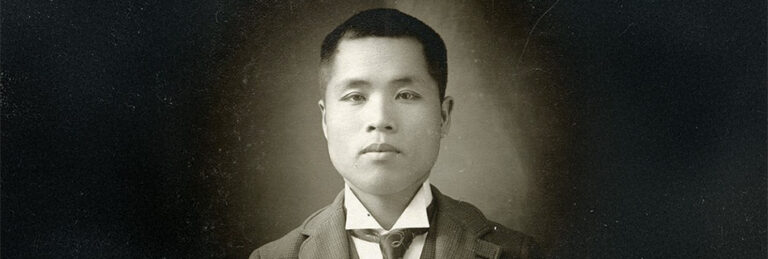
Yamashita v. Hinkle
Takuji Yamashita fought racism in Washington’s courts long before WWII. His 1922 case, Yamashita v. Hinkle, exposed how the Alien Land Laws targeted Japanese immigrants.
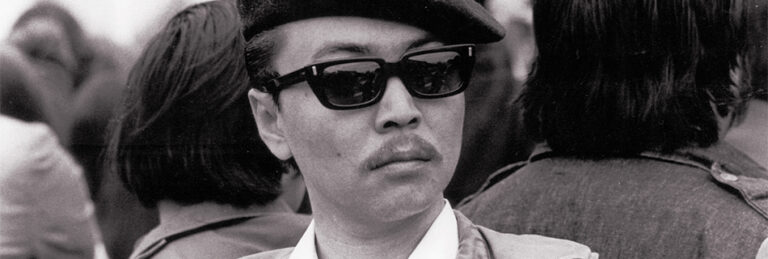
Richard Aoki
Richard Aoki was the only Asian American leader in the Black Panther Party. He spent his childhood behind barbed wire at Topaz, served in the U.S. Army, helped launch the Third World Liberation Front, and became a key figure in the fight for ethnic studies. Decades later, newly uncovered FBI files revealed he had also been an informant. His story remains one of the most complex in civil rights history.
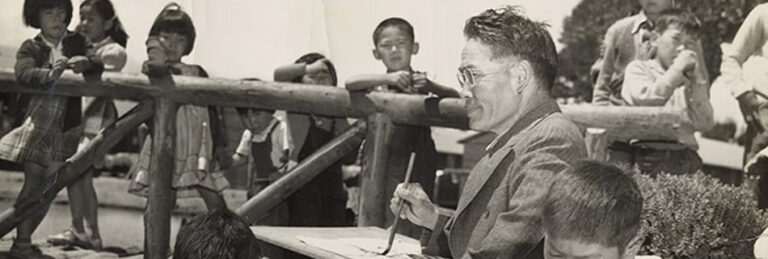
Chiura Obata
Passionate to teach art, he turned an incarceration camp into an art school.
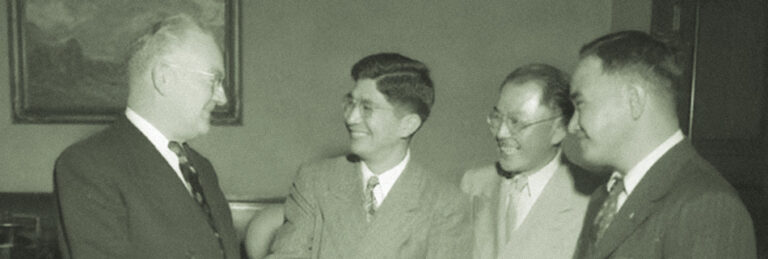
Proposition 15 (1946)
California voters rejected Proposition 15 on November 15, 1946, marking the first time the state voted down an anti-Asian law and shifting the civil rights landscape.


Executive Order 9066
On February 19, 1942, President Franklin D. Roosevelt signed Executive Order 9066, authorizing the forced removal and incarceration of over 120,000 Japanese Americans. The order paved the way for one of the largest violations of civil liberties in U.S. history.
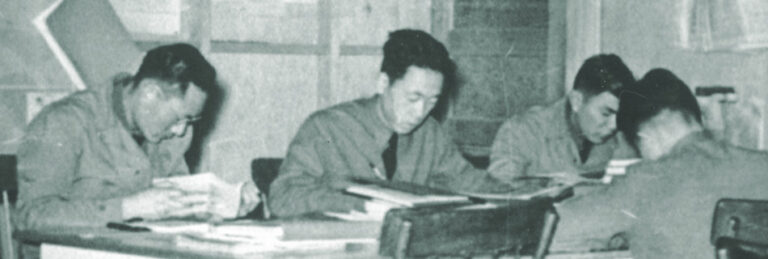
Military Intelligence Service (MIS)
The government imprisoned people for teaching Japanese, while secretly teaching it themselves.
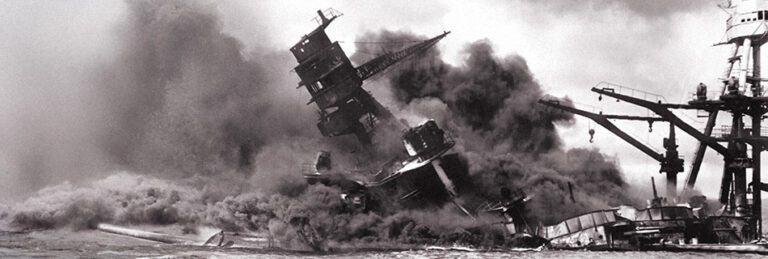
Pearl Harbor
Pearl Harbor shook the nation — and fear quickly turned on Japanese Americans. Propaganda, arrests, and mass incarceration followed, reshaping more than 120,000 lives.