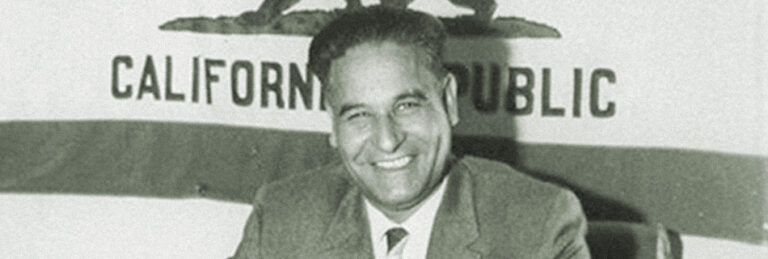
Dalip Singh Saund
Dalip Singh Saund was a California farmer by necessity, not choice. In 1957, he became the first Asian American, first Indian American, and only Sikh elected to the U.S. Congress, after decades of exclusion from citizenship and opportunity.
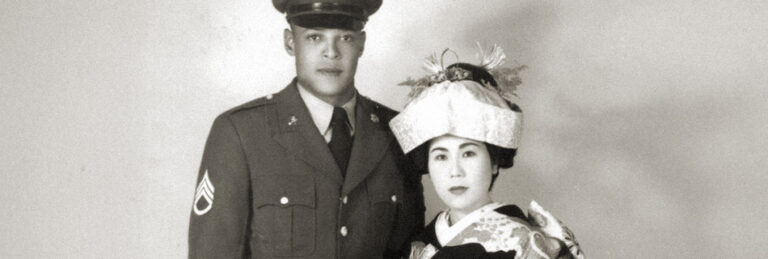
The War Brides Act of 1945
After WWII, Japanese war brides married American servicemen, but U.S. immigration laws barred them. Love crossed borders. Law did not.
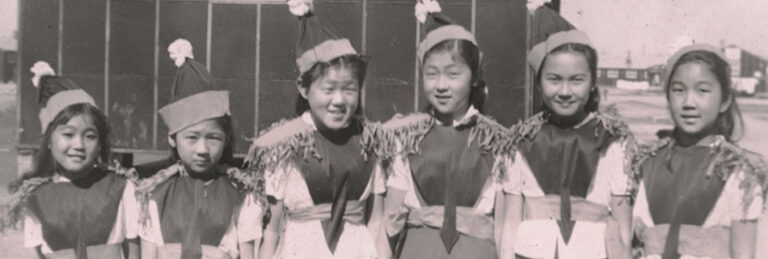
Camp Christmas
From 1942 to 1944, Japanese Americans incarcerated in camps across the U.S. celebrated the holidays with handmade decorations, mess-hall parties, and even Santa Claus. Despite harsh conditions, they preserved a sense of community and hope.
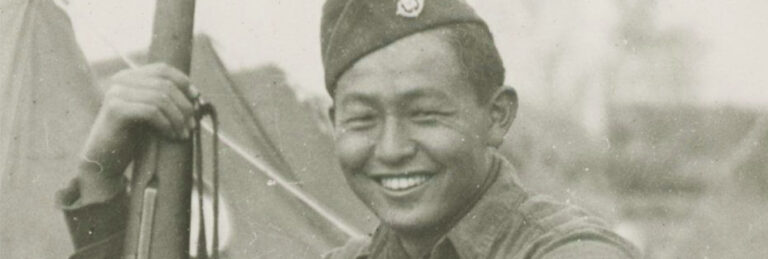
Stanley Hayami
Incarcerated at sixteen and killed in combat at nineteen, Stanley Hayami left behind a diary that speaks with rare honesty from behind barbed wire and war.
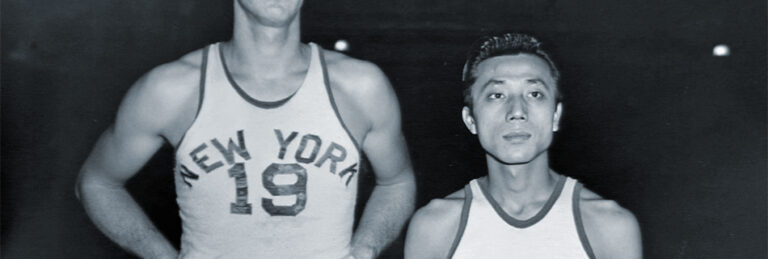
Wat Misaka
Wataru “Wat” Misaka quietly broke the NBA’s color barrier in 1947. There were no headlines or recognition. The league’s first African American players would not enter the NBA for another three years.
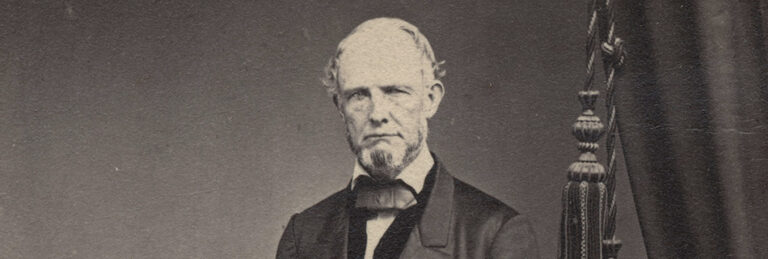
Peter Hardeman Burnett
California’s first governor opposed slavery not out of moral conviction, but because he wanted Black people excluded entirely. Peter Hardeman Burnett helped shape a state built on racial removal, Indigenous genocide, and immigrant exclusion.


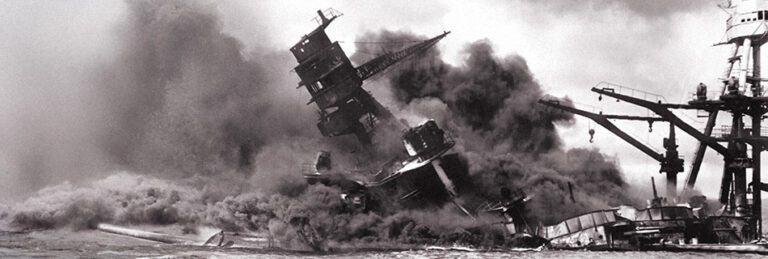
Pearl Harbor
Pearl Harbor shook the nation — and fear quickly turned on Japanese Americans. Propaganda, arrests, and mass incarceration followed, reshaping more than 120,000 lives.
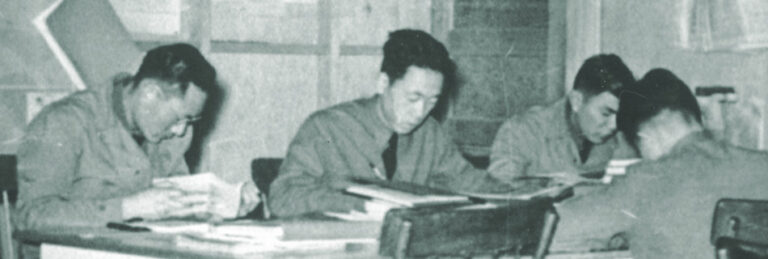
Military Intelligence Service (MIS)
The government imprisoned people for teaching Japanese, while secretly teaching it themselves.

Executive Order 9066
On February 19, 1942, President Franklin D. Roosevelt signed Executive Order 9066, authorizing the forced removal and incarceration of over 120,000 Japanese Americans. The order paved the way for one of the largest violations of civil liberties in U.S. history.