They turned a racetrack into a prison. Families slept in converted horse stalls at Tanforan Assembly Center, surrounded by the smell of manure.
Read More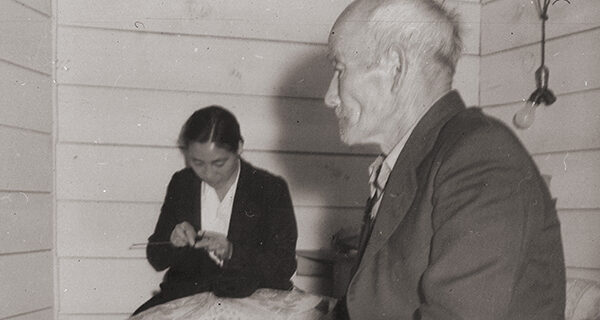
They turned a racetrack into a prison. Families slept in converted horse stalls at Tanforan Assembly Center, surrounded by the smell of manure.
Read More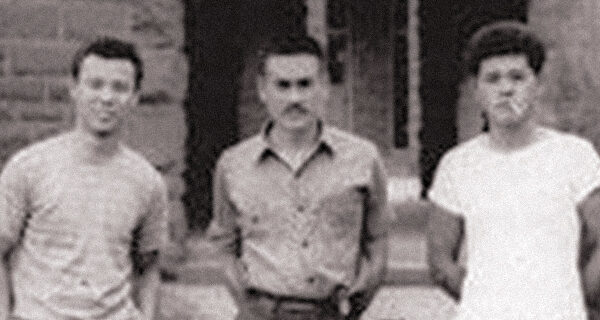
150 military police guarded fewer than 60 unarmed men at Leupp Isolation Center. Most were never charged with a crime. No one could explain why they were there, not even the people who ran it.
Read More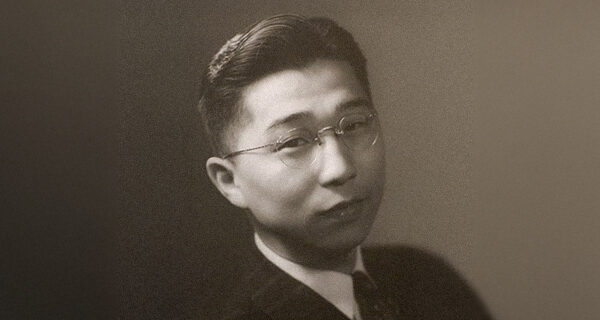
Gordon Hirabayashi refused curfew and removal orders and turned himself in to force a legal challenge in 1942. When the government wouldn’t take him to prison, he hitchhiked. He believed the Constitution would prove him right.
Read More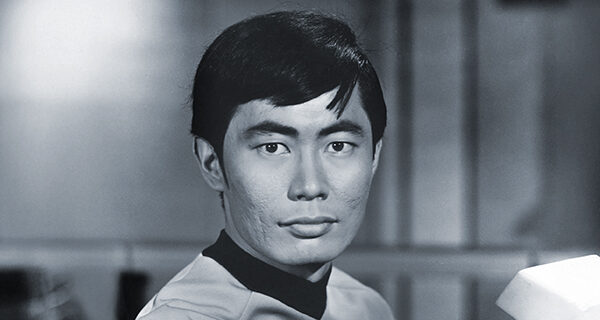
Before the final frontier, there was barbed wire. George Takei’s story traces a path from incarceration camps to Star Trek and a lifetime of advocacy.
Read More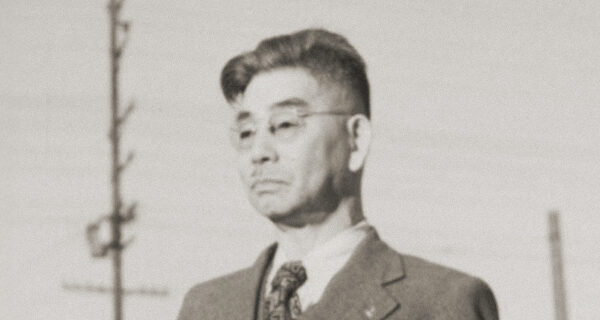
The California Supreme Court struck down the Alien Land Law in Fujii v. California (1952), nearly 40 years after the state first barred Japanese immigrants from owning land through laws rooted in race.
Read More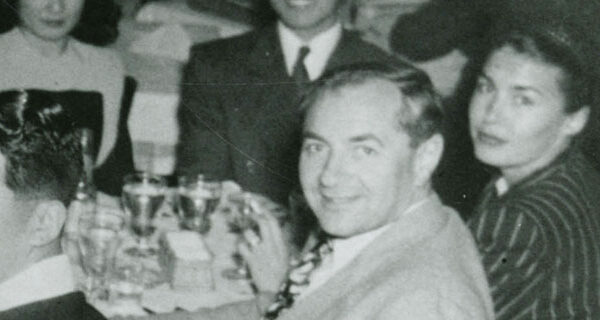
Born in Russia to a Jewish family, A. L. Wirin became one of the fiercest legal defenders of Japanese American civil rights, helping challenge California’s alien land and discriminatory fishing laws in landmark Supreme Court cases.
Read More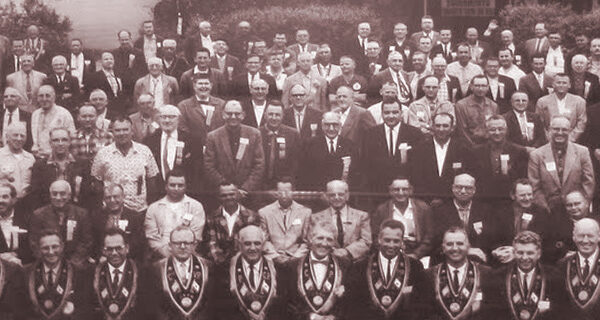
California’s anti-Japanese hostility did not begin with Pearl Harbor. The Native Sons of the Golden West helped turn decades of prejudice into policy.
Read More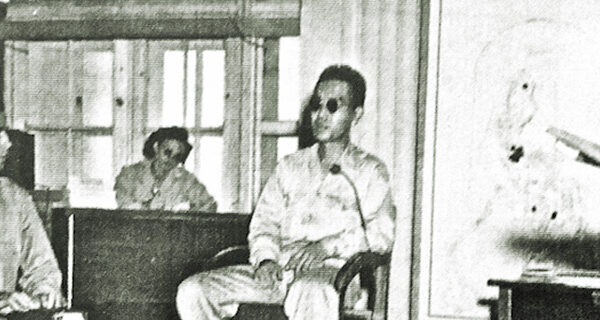
Before Pearl Harbor, Richard Sakakida was one of only two Japanese American spies the U.S. government ever publicly identified — both created by the government itself.
Read More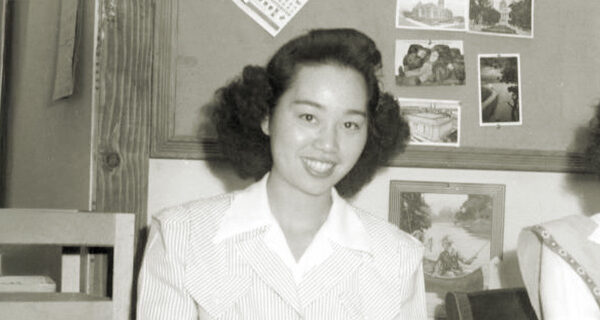
After California fired Mitsuye Endo in 1942, she became the lead plaintiff in a case challenging the government’s incarceration of Japanese Americans. When officials later offered to release her if she dropped the fight, she refused. It kept her in camp for two extra years.
Read More