Uncategorized

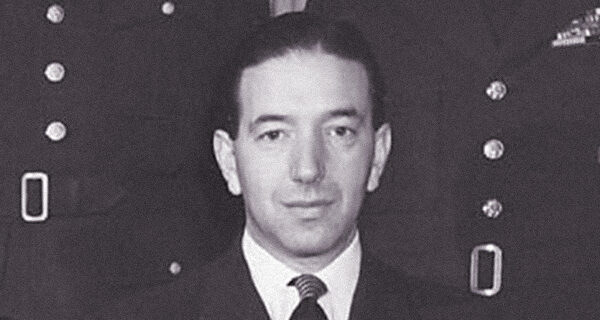
Karl Bendetsen with Joint Chief of Staff, 1950, Courtesy of the Karl R. Bendetsen Papers, Hoover Institution Archives

Karl Bendetsen

Karl Bendetsen conceived, drafted, and processed Executive Order 9066, which authorized the mass removal of more than 120,000 Japanese Americans during World War II. Decades later, he denied responsibility while lying about his own identity.

Read More
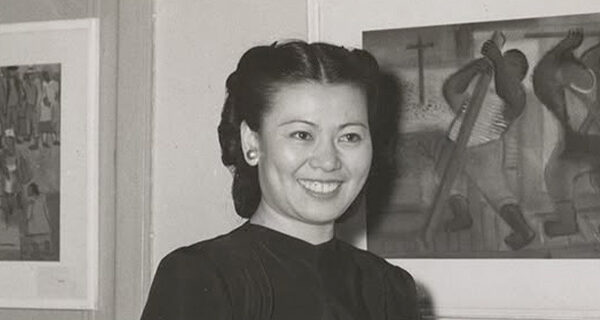
Mine Okubo standing by her art, courtesy of UC Berkeley, Bancroft Library

Miné Ōkubo

Artist Miné Ōkubo created more than 2,000 sketches while incarcerated during World War II. Her memoir, Citizen 13660, became one of the most important firsthand accounts of the Japanese American incarceration.

Read More
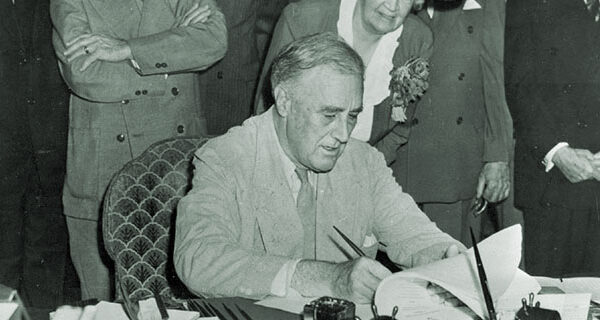
President Roosevelt signing the GI Bill into law, June 22, 1944, FDR Library

GI Bill

Signed by President Franklin D. Roosevelt in 1944, the GI Bill helped thousands of Japanese American veterans attend college, build careers, and rebuild their lives after incarceration and World War II.

Read More
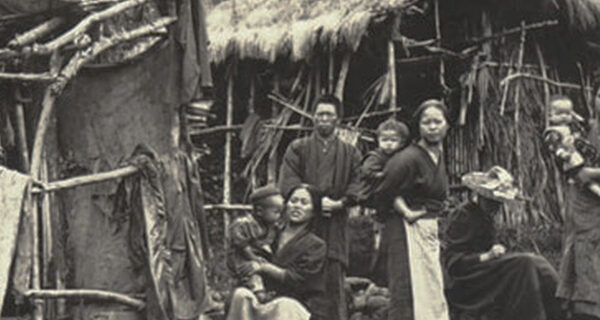
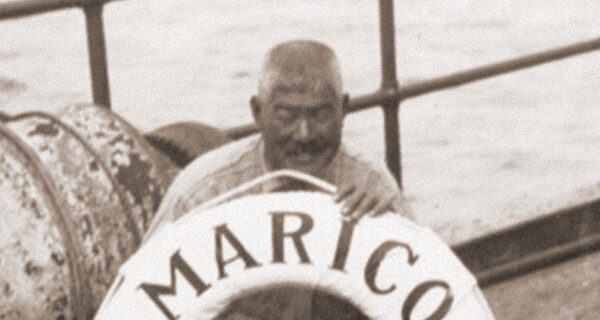
Japanese Sugar Plantation Workers, Wainaku, Hawaii c1890, photo by Charles Furneaux. Courtesy of Bishop Museum Archives

Gannenmono

They were called the Gannenmono, the “people of the first year.” They came seeking a better life in Hawaiʻi. Instead, many encountered broken promises, brutal working conditions, and a labor system that punished workers for trying to leave.

Read More
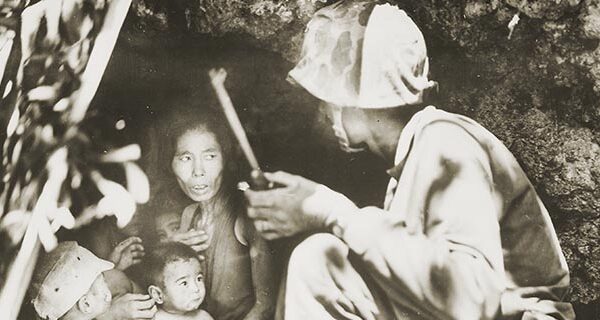
A member of a Marine patrol on Saipan found this family of Japanese civilians hiding in a hillside cave. June 21, 1944 - NARA - 532380

MIS in the Battle of Saipan

The Battle of Saipan was fought with more than rifles and artillery. Japanese American MIS soldiers used their understanding of Japanese language and culture to save lives and gather vital intelligence.

Read More
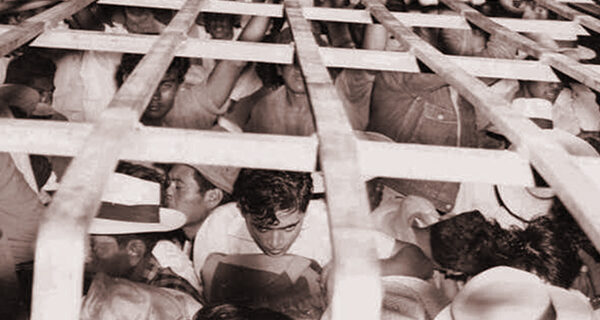
Immigrants packed into trucks during Operation Wetback, June 9, 1954, Courtesy of the U.S. Border Patrol Museum

Operation Wetback

In 1954, the INS launched Operation Wetback to deport undocumented immigrants. Legal residents and U.S. citizens were caught up in the operation as well. It remains one of the most controversial immigration operations in American history.

Read More
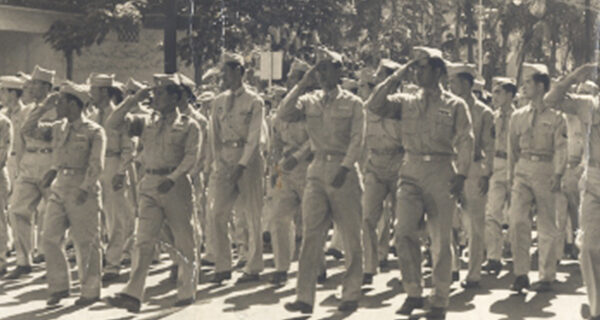
Soldiers of the Hawaii National Guard march, Honolulu, 1942, courtesy of the 100th Clubhouse

Hawaii Provisional Infantry Battalion

The Army wasn’t sure they could be trusted. A year later, commanders were calling them some of the finest soldiers they had ever seen. On June 6, 1942, 1,432 Nisei soldiers left Hawaii as the Hawaii Provisional Infantry Battalion. One week later, they became the 100th Infantry Battalion.

Read More
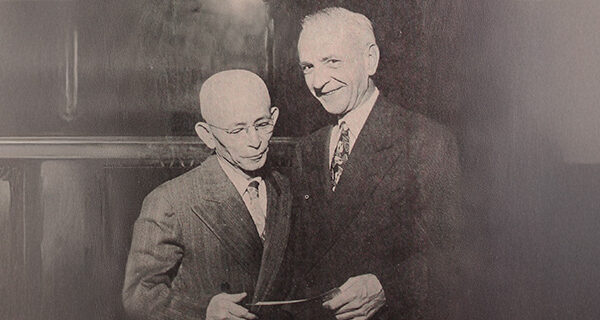
the first evacuation claims check presented to Tokuji Tokimasa by Claims Agent William H. Jacobs, photo by Jack Iwata. Courtesy of the Japanese American National Museum

Evacuation Claims Act

They were welcome to file a claim. Compensation was another matter. Although the Evacuation Claims Act offered reimbursement for wartime property losses, many Japanese Americans recovered only a small fraction of what they had lost.

Read More