Uncategorized

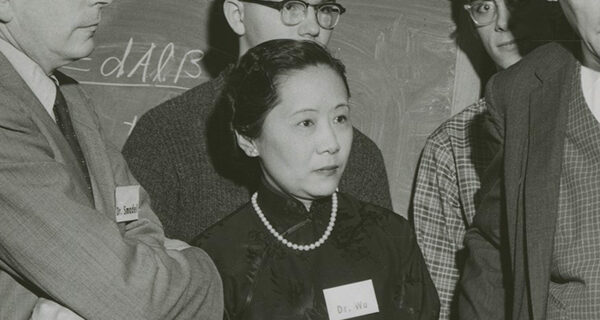
Chien-Shiung Wu (1912 1997), Dr. Brode, and Science Talent Search Winners, 1958, Courtesy of Smithsonian Institution Archives

Chien-Shiung Wu

By the time Chien-Shiung Wu died in 1997, she had helped build the atomic bomb, become one of the world’s foremost experimental physicists, and overturned one of the most important laws in modern physics. Yet she never received a Nobel Prize. Many scientists have spent decades asking why.

Read More
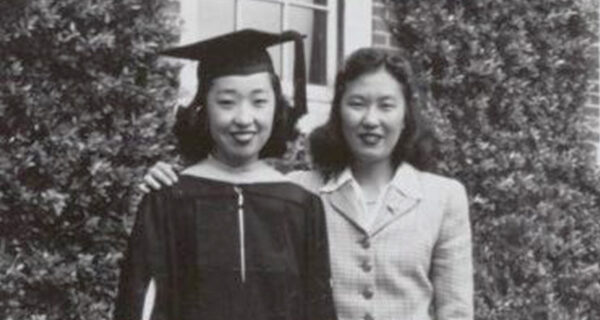
National Japanese American Student Relocation Council

Behind barbed wire, thousands of Japanese American students faced a future that suddenly seemed impossible. Through determination, community support, and the work of the National Japanese American Student Relocation Council, more than 4,000 students found their way back to college.

Read More
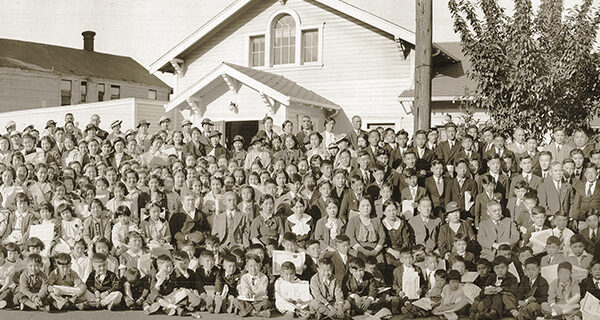
Students and faculty outside the Japanese Language School, May 23, 1937, University of Washington Libraries Special Collections UW 35885

Tacoma Nihongo Gakkō

A school built to preserve language, culture, and dignity for Tacoma’s Japanese American children later became a registration site for their forced removal during World War II. The same place that taught them how to belong became one of the places where they were ordered to disappear.

Read More
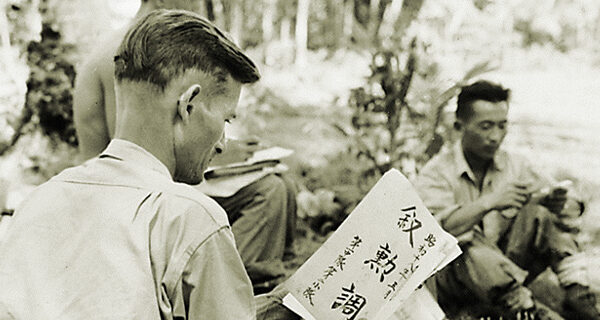
A member of the Allied Translator and Interpreter Section during World War II, U.S. Army Photo

Z Plan

In May 1944, Japanese American Military Intelligence Service linguists began translating the Japanese Navy’s secret “Z Plan” after critical documents were recovered from a plane crash in the Philippines. The intelligence would help shape one of the most decisive American victories of the Pacific War.

Read More
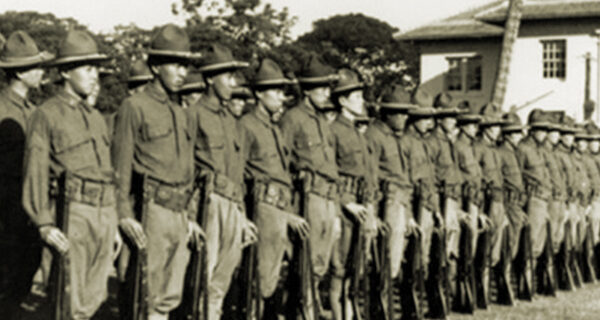
Hawaii National Guard, Company D, Library of Congress

Selective Service Act of 1917

For Japanese immigrants and Japanese Americans, the Selective Service Act of 1917 exposed a contradiction that would continue for decades: America was willing to accept their military service long before it was willing to fully accept them as Americans.

Read More
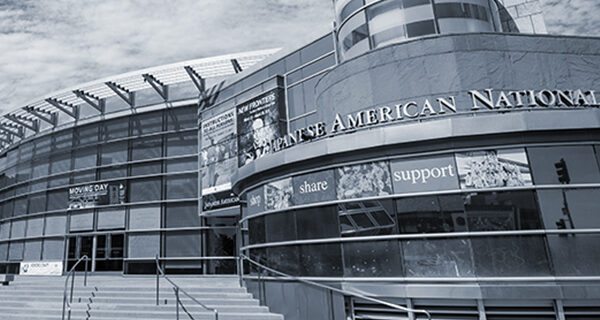
Japanese American National Museum, Little Tokyo, Los Angeles, California. Courtesy of JANM

Japanese American National Museum

The Japanese American National Museum opened on May 15, 1992, just days after the Rodney King verdict sparked the LA riots. Leaders like Bruce Kaji and Col. Young Oak Kim helped create JANM to ensure the history of Japanese American incarceration would never be forgotten.

Read More
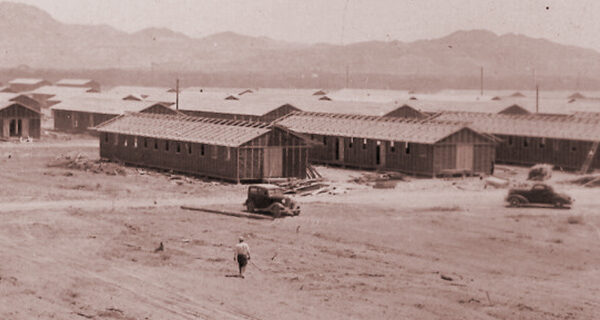
construction of camp 1 at Poston, AZ, April 24, 1942, NARA

Poston War Relocation Center

The largest American concentration camp during World War II stretched across the Arizona desert so far that authorities considered guard towers unnecessary. At its peak, Poston became the third-largest “city” in Arizona, holding more than 17,000 Japanese Americans.

Read More
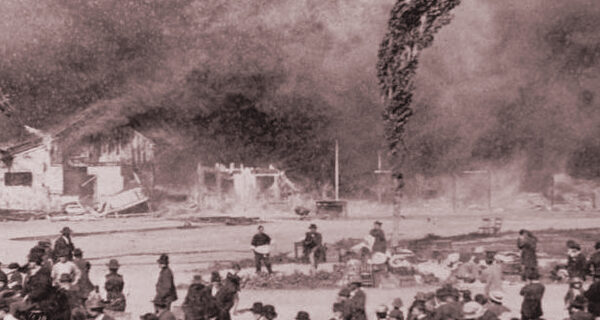
The Second Market Street Chinatown arson fire, 1887. Courtesy of History San Jose Research Library and Archives

San Jose Chinatown Fire

On May 4, 1887, San Jose’s Chinatown was destroyed in an arson fire, just weeks after city officials voted to remove it. The attack displaced nearly 1,400 Chinese residents and erased one of the largest Chinatowns in California.

Read More
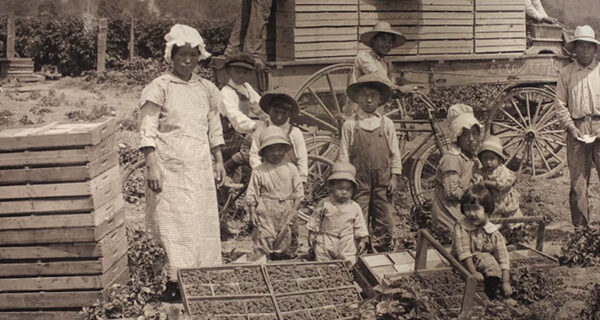
Japanese American farmer family in Auburn, California. Courtesy of the White River Valley Museum

Alien Land Law

California’s 1913 Alien Land Law never mentioned Japanese immigrants, but it didn’t have to. By barring “aliens ineligible for citizenship” from owning land, it effectively targeted Japanese farmers across the state.

Read More