George Takei
Before the final frontier, there was barbed wire. George Takei’s story traces a path from incarceration camps to Star Trek and a lifetime of advocacy.

Before the final frontier, there was barbed wire. George Takei’s story traces a path from incarceration camps to Star Trek and a lifetime of advocacy.

After losing his eyesight from boxing, Jimmie Sakamoto founded the first all-English Japanese American newspaper and helped lead the JACL.

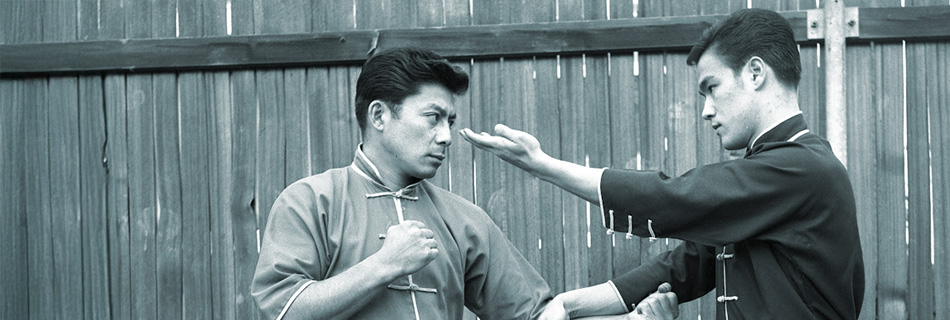
Bruce Lee changed martial arts forever. His films, philosophy, and revolutionary approach to combat made him one of the most influential figures of the 20th century. But one of the most important people in Lee’s life never chased the spotlight. Taky Kimura chose to teach.

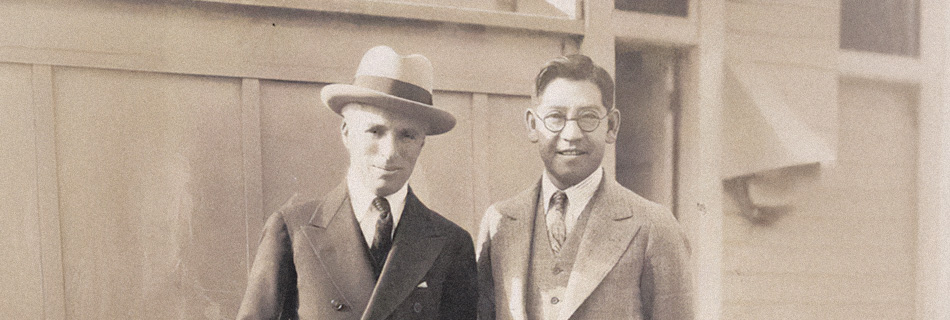
In 1932, ultranationalists plotted to assassinate Charlie Chaplin during his visit to Japan. Toraichi Kōno persuaded him to attend a sumo match instead of visiting Prime Minister Inukai Tsuyoshi. That evening, the Prime Minister was killed in the May 15 Incident. Chaplin survived.

In 1978, when redress seemed stalled and political leaders dismissed reparations as “guilt mongering,” playwright Frank Chin helped rewrite the script. He helped launch the first Day of Remembrance, urging a community to publicly relive incarceration, reigniting a movement that would eventually lead to the Civil Liberties Act of 1988.

Bruce Lee was born in San Francisco in 1940, the only American-born member of his family, and spent his life challenging the racial barriers that defined Hollywood and the world around him. He taught students of every background, refused stereotypical roles, married across racial lines, and showed that strength and dignity belong to all people — not any one race.

When cameras were banned in the camps, Toyo Miyatake built one himself. His secret photos of Manzanar became powerful evidence of Japanese American incarceration and resilience.

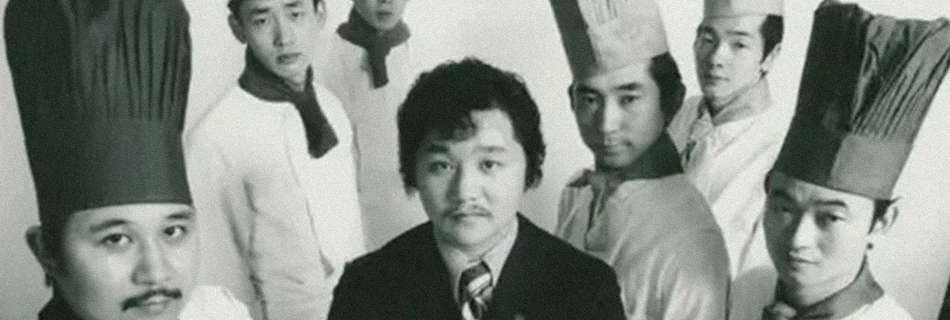
From Tokyo streets to American fame, Rocky Aoki built an empire with Benihana, mixing performance and food into a new kind of dining experience. His wild life made him one of the most fascinating Japanese Americans of his era.

Type below to explore past stories and posts from our archives
This site uses cookies to enhance your experience. By using this site, you accept our use of cookies.