Many people opposed Japanese American redress, including Japanese Americans. The story of John Tateishi and the decade-long fight for the Civil Liberties Act of 1988.
Read More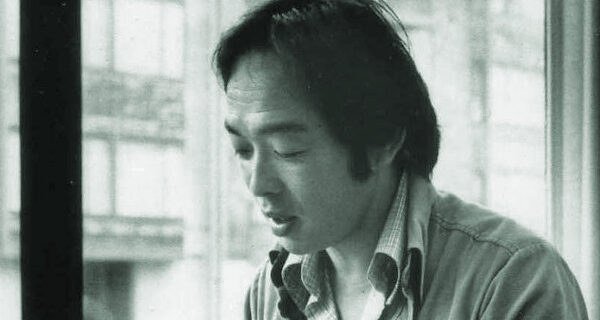
Many people opposed Japanese American redress, including Japanese Americans. The story of John Tateishi and the decade-long fight for the Civil Liberties Act of 1988.
Read More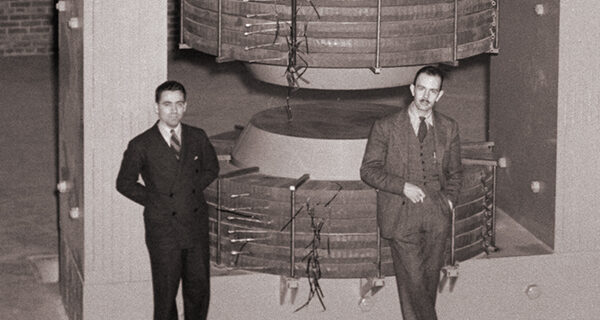
The Manhattan Project began August 13, 1942, out of fear Germany would build the bomb first. The real threat came from inside Los Alamos.
Read More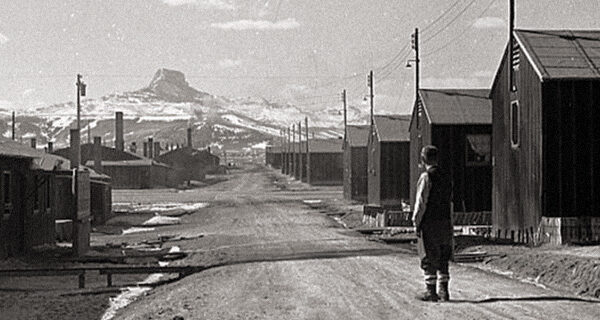
Heart Mountain, Wyoming: the WRA camp that became a city of 10,700 Japanese Americans, chosen for being close to nowhere.
Read More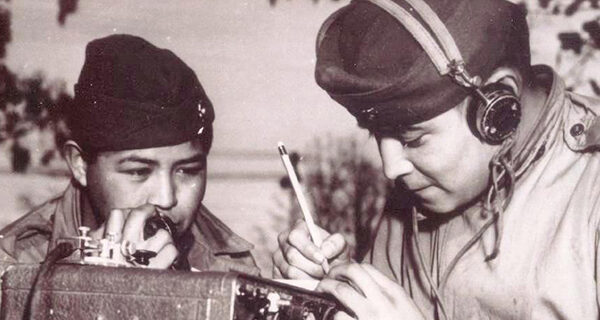
Navajo children were punished for speaking their language. Years later, that same language became an unbreakable WWII military code.
Read More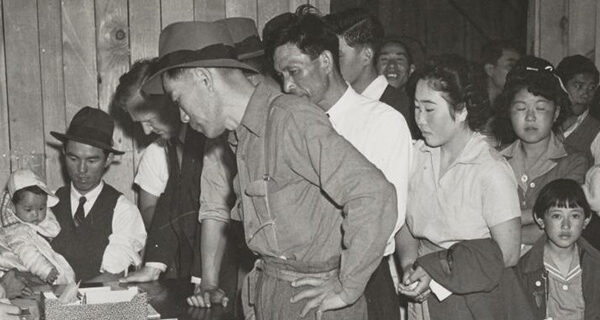
On August 4, 1942, a routine search for contraband at the Santa Anita Assembly Center escalated into a riot involving 2,000 Japanese American detainees.
Read More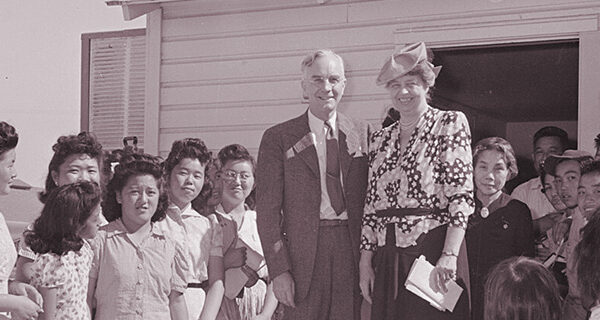
Gila River was considered one of America’s least oppressive concentration camps. But even Eleanor Roosevelt left appalled after seeing it for herself.
Read More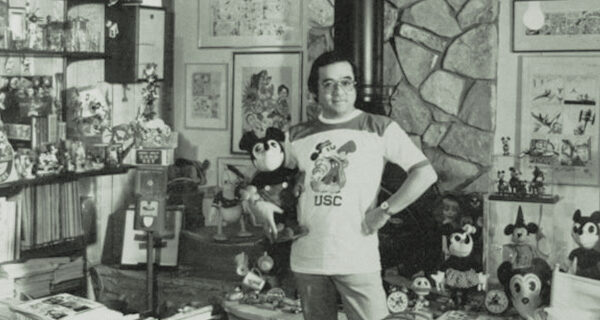
Inside an incarceration camp, a Sears catalog was Willie Ito’s sketchbook. Those childhood drawings at Topaz eventually led to Disney, Warner Bros., Hanna-Barbera, and decades later, helped him tell the story of incarceration to a new generation through Hello, Maggie!
Read More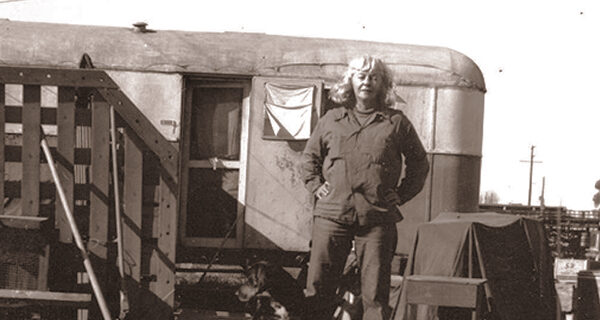
Artist Estelle Ishigo voluntarily entered a Japanese American concentration camp during World War II, where she found acceptance and created some of the most important visual records of incarceration.
Read More
Morris Chang was passed over for CEO at Texas Instruments before founding TSMC, the company that transformed Taiwan into the global leader in advanced semiconductor manufacturing.
Read More