In 1942, the California DMV fired 400 employees because they were “Japanese.” And you thought your DMV was bad.
April 3, 1942: California Fires 400 Japanese Americans
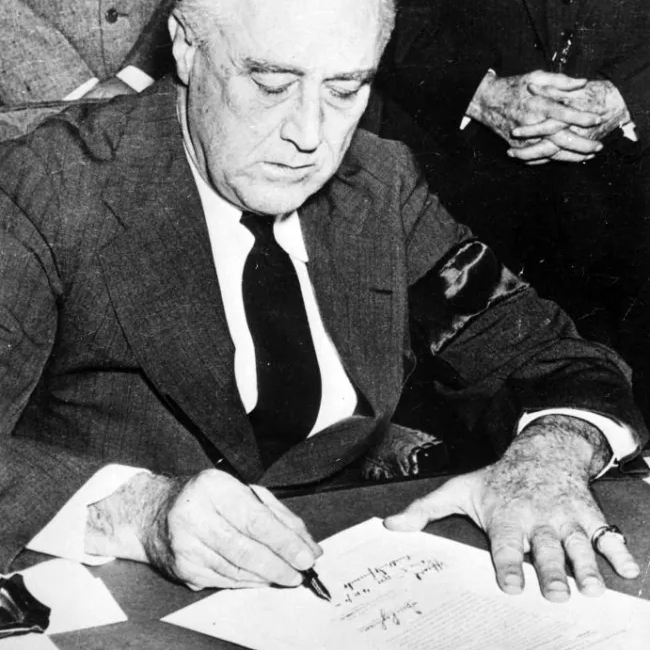
It happened on April 3, just weeks after President Roosevelt signed Executive Order 9066, authorizing the mass removal of people of Japanese ancestry from the West Coast.
Without warning, over 400 civil servants — many of them Nisei (second-generation American-born citizens) — were handed termination notices by the State of California. Most worked for the Department of Motor Vehicles. Some had served for years. Some had spotless records.
None were accused of misconduct. None were given a hearing. Their only crime was ancestry.
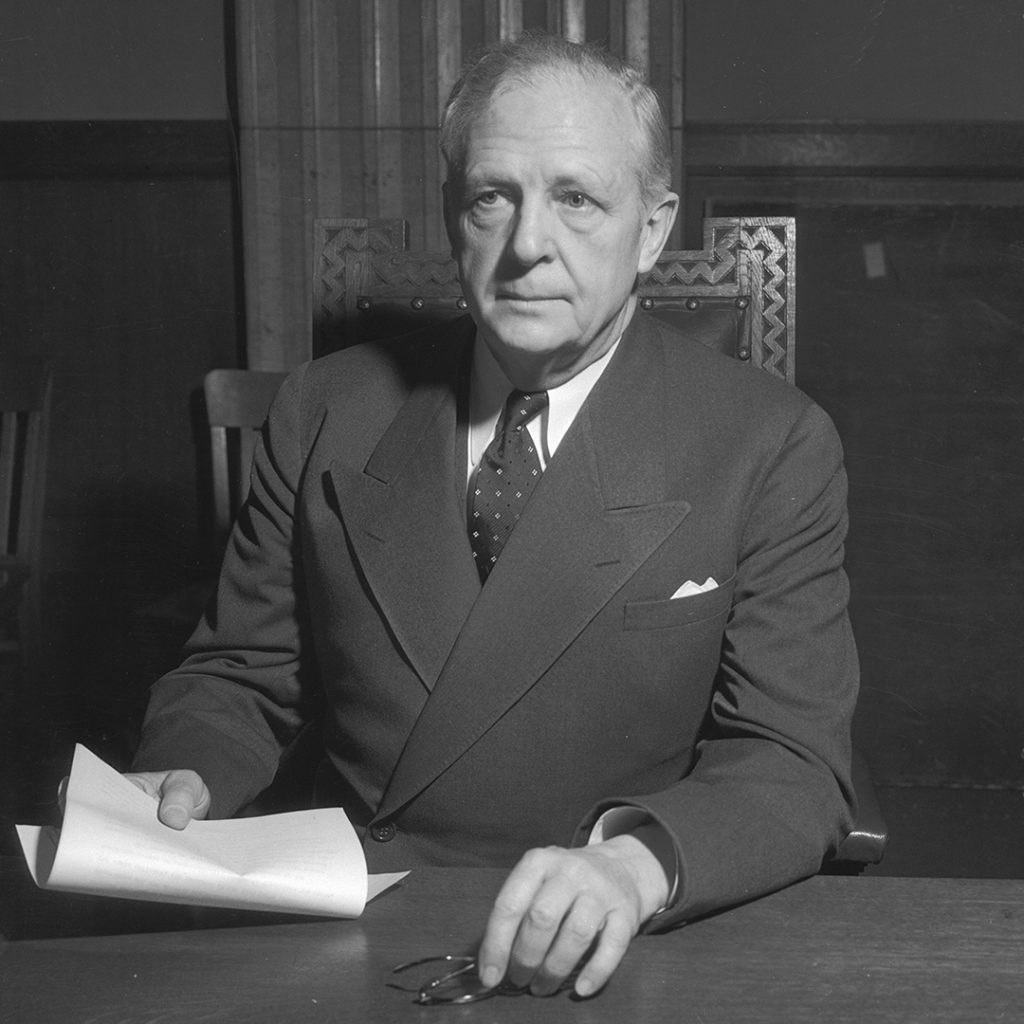
California Governor Culbert Olson justified it as a wartime precaution. But it wasn’t precaution. It was panic, politics, and prejudice, wrapped in the American flag.
February 19, 1942 — Franklin Roosevelt signs Executive Order 9066, setting in motion the mass incarceration of over 120,000 Japanese Americans during WWII
California Governor Culbert Olson justified the mass firing as a wartime precaution. But it wasn’t precaution. It was panic, politics, and prejudice.
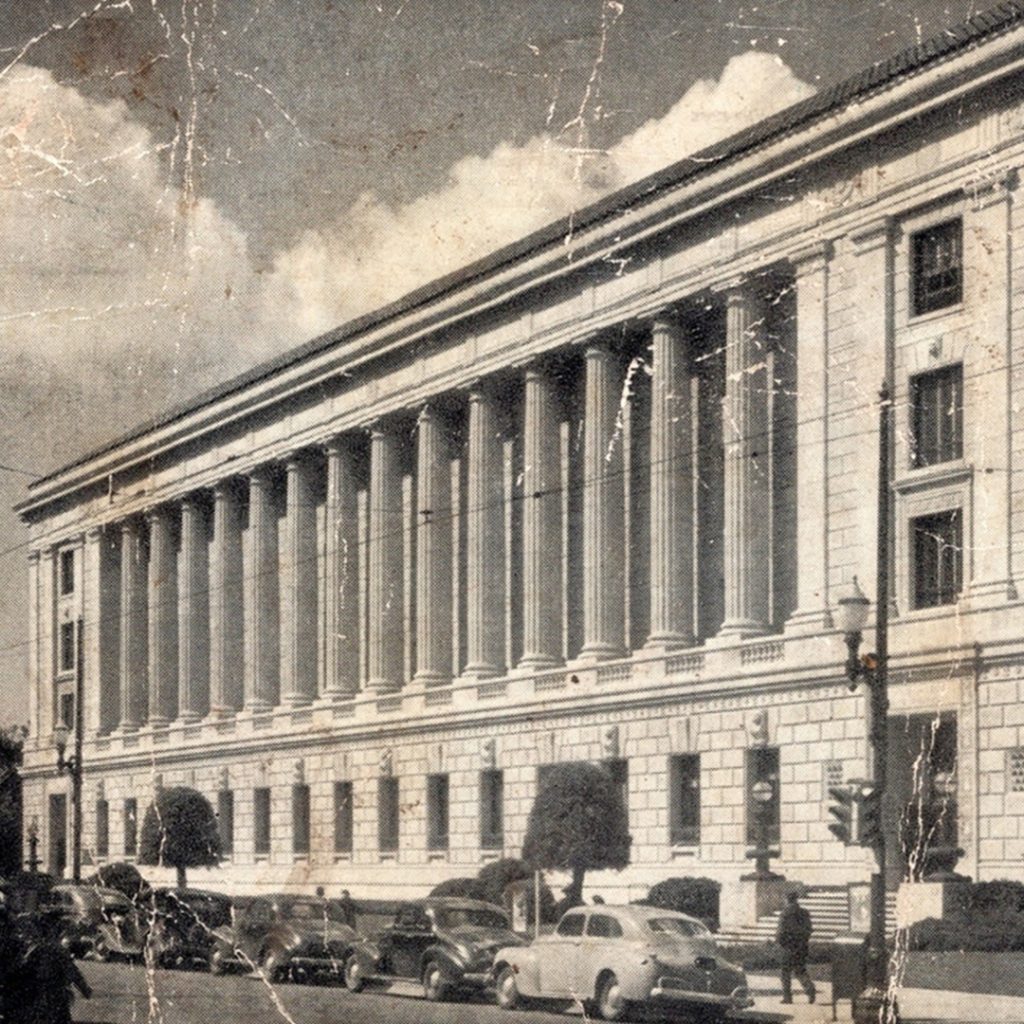
Sacramento Federal Building
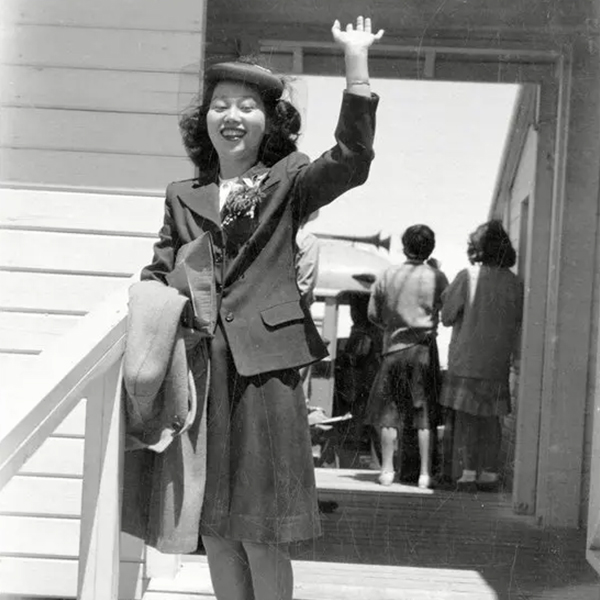
Mitsuye Endo with coworker
Among those fired was Mitsuye Endo, a soft-spoken clerical worker from Sacramento. She didn’t lead rallies. She didn’t carry a protest sign. But she would go on to do something far more powerful.
Mitsuye Endo agreed to become the lead plaintiff in a legal case challenging the government’s wartime incarceration of Japanese Americans. At the time, she was already being held in a camp in Topaz, Utah, one of over 120,000 Japanese Americans removed from their homes and locked up without trial.
She was American from every which angle — Christian, educated, fluent in English, and she couldn’t speak, read, or write Japanese. Yet she was imprisoned with all the others, simply because of her surname.
Her case was meticulously chosen and brought forward by attorney James Purcell, who knew that the quiet strength of someone like Endo would be hard for the courts to ignore. And he was right. The case became Ex parte Endo. It went all the way to the U.S. Supreme Court.
On December 18, 1944, after years of waiting, the Court ruled unanimously in her favor. The government, they said, could not detain a loyal American citizen without cause. The ruling didn’t just restore her rights. It undermined the entire legal basis for the incarceration camps. It cleared the path for their dismantling.
Mitsuye Endo never sought the spotlight. She rarely gave interviews. She once explained her choice to fight quietly and legally by saying:
“I was just doing it for the good of everybody.”
James C. Purcell, credit Kathleen Purcell
Mitsuye Endo leaving Topaz, Utah, in 1945
Mitsuye Endo, a loyal U.S. citizen, fired from the state of California without a cause. Her courage helped bring the camps down.
Mitsuye Endo’s article after her passing in 2006
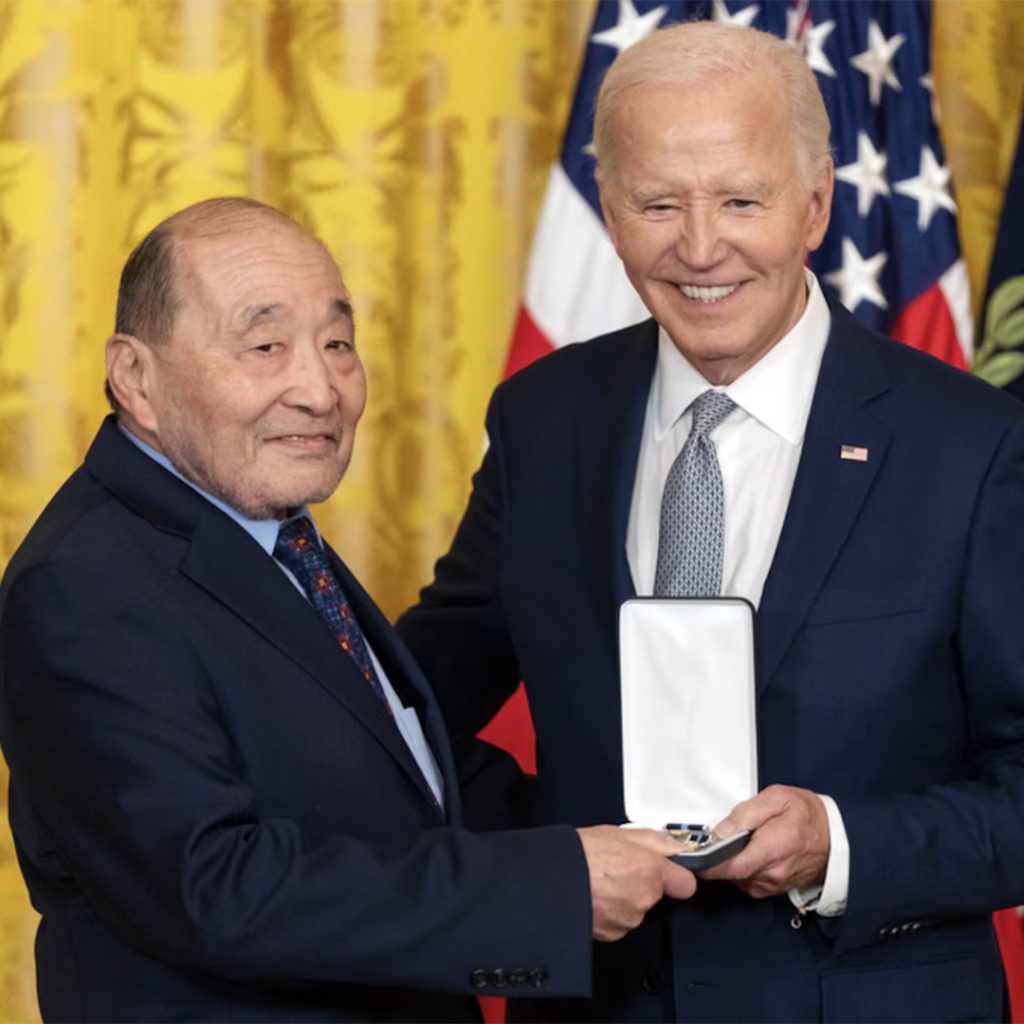
President Joe Biden awarding Presidential Citizens Medal to Wayne Tsutsumi on behalf of Mitsuye Endo
She was fired because of who she was.
But in standing up — quietly, courageously — she helped dismantle a system that violated the Constitution and betrayed the very ideals the U.S. claimed to be fighting for overseas.
On April 3, 1942, the State of California tried to erase 400 public servants.
But history remembers. Her name was Mitsuye Endo.
And in the long story of American injustice, she remains one of its most powerful, most underestimated heroes.