Many back then would’ve sworn it was an April Fool’s joke if they heard Japanese Americans were fighting the Japanese in Japan.
April 1, 1945: MIS Joins U.S. Forces in the Battle of Okinawa
It wasn’t a joke. Although it was a secret.
Among the Americans landing on the blood-soaked beaches were Nisei soldiers — second-generation Japanese Americans — serving in the Military Intelligence Service (MIS). These young men weren’t holding rifles. They were holding dictionaries, maps, notepads, and loudspeakers.
Their job? Intercept enemy radio transmissions. Translate captured documents. And most impossibly, convince Japanese soldiers and civilians to surrender.
In some cases, they stepped into caves, bunkers, or trenches with only a megaphone and their voice. Some civilians were so terrified of American propaganda that they considered suicide before capture. Others had been trained to fight to the death.
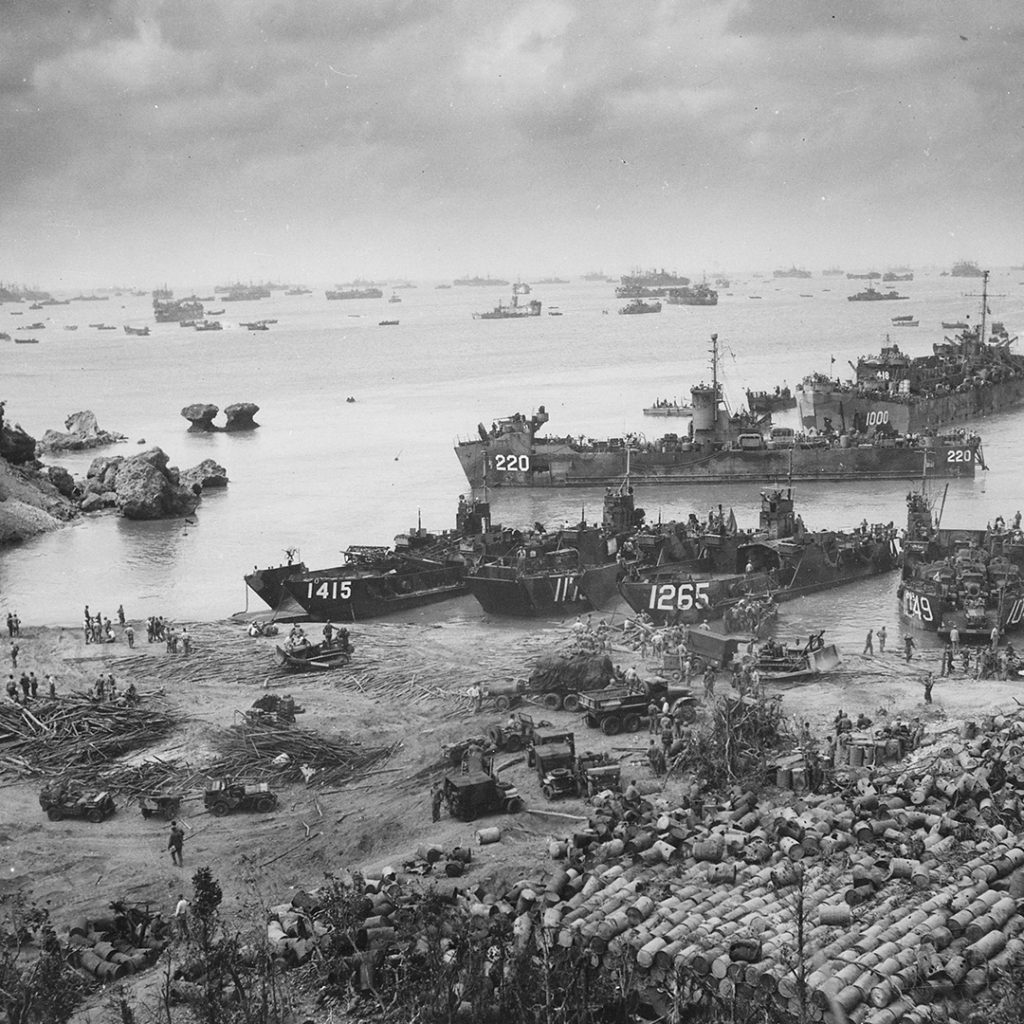
A formidable task force carves out a beachhead on Okinawa, April 13, 1945
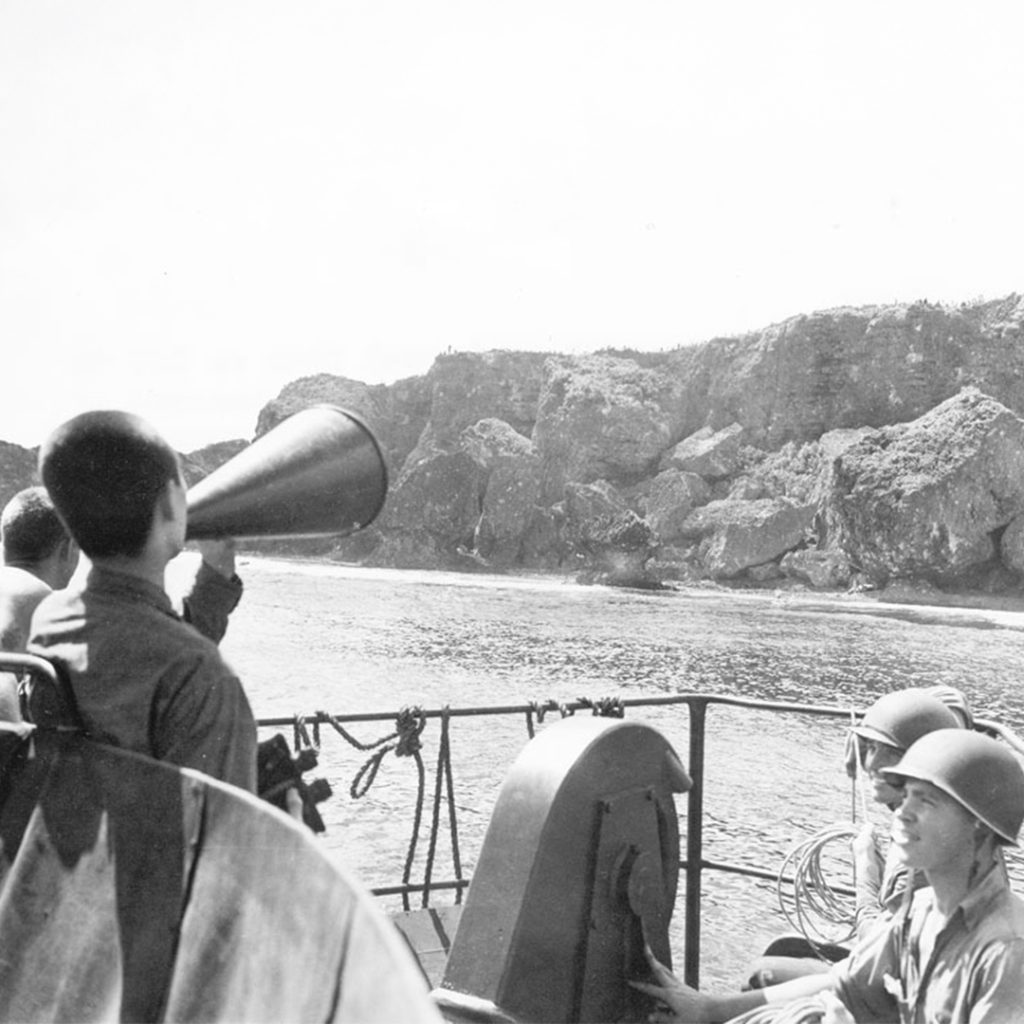
A Japanese POW calls for his comrades to surrender, June 1945, Mabuni, Okinawa
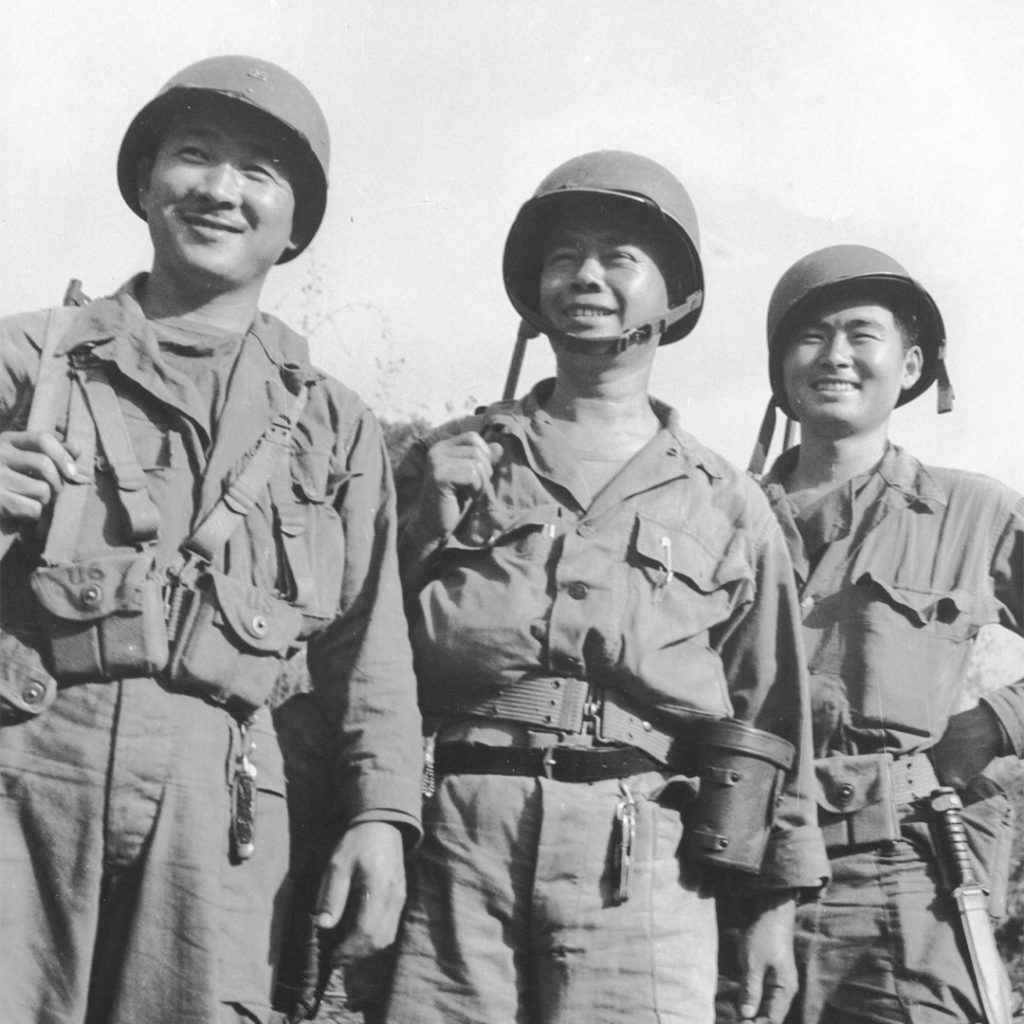
T Sergeant Akiji Yoshimura with Brigadier General Frank Merrill's Infantry troops, 1944
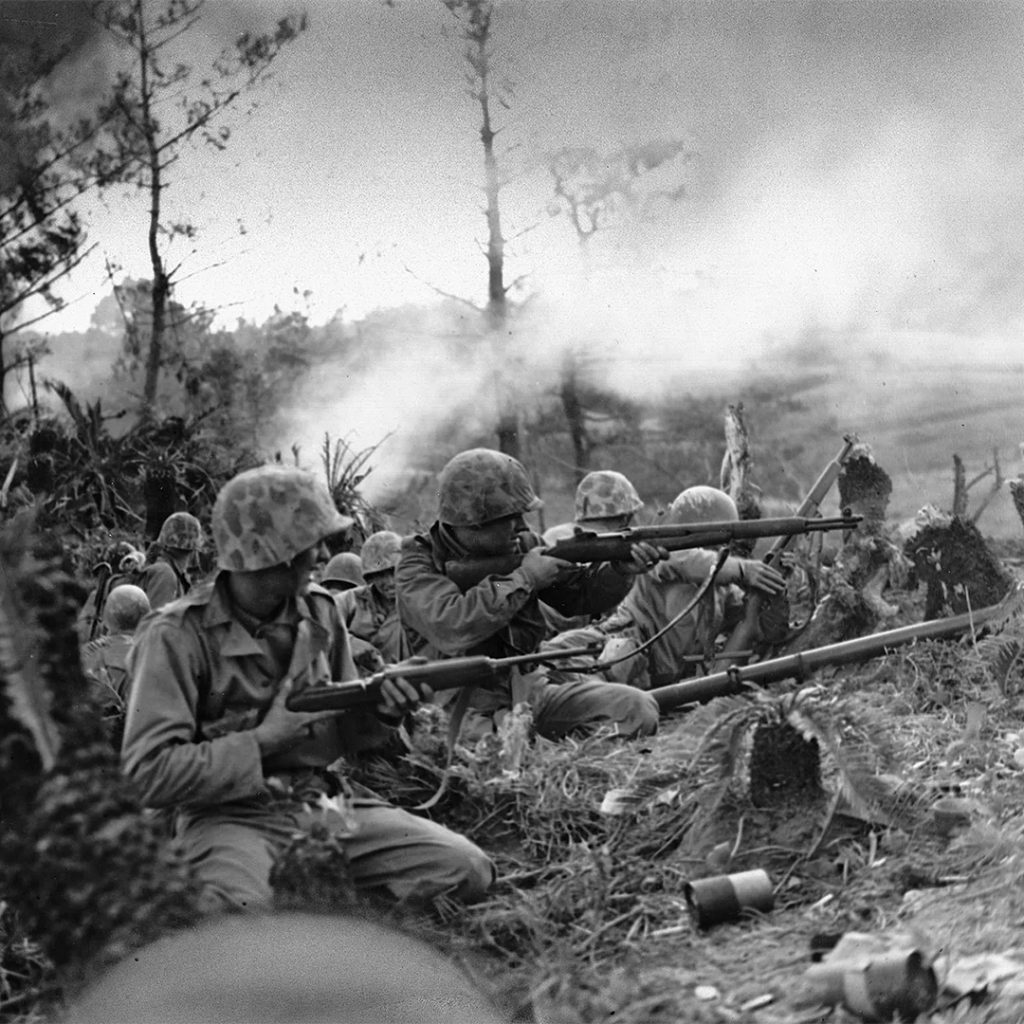
Soldiers controlling Wana Ridge in Naha during the Battle of Okinawa, 1945
The Nisei spoke to them in their own language. Not just linguistically, but culturally. They saved lives, both American and Japanese, by using words instead of bullets.
But the danger was real.
One MIS soldier, separated from his unit, found himself trapped in a bomb crater between American and Japanese lines: “Every time I stuck my head up,” he said, “both sides would shoot at me. I had a Japanese face and an American uniform.”
The Battle of Okinawa became the largest amphibious assault in the Pacific and one of the bloodiest of the war. Over 12,000 American servicemen were killed. Japanese casualties, both military and civilian, numbered in the hundreds of thousands.
And through it all, the MIS worked in the shadows.
Their contributions were extraordinary. Their actions, courageous. But their service? Classified.
For decades after the war, most MIS veterans said nothing. Not to the press. Not to historians. Not even to their families. When asked what they did in the war, they answered simply: “I served in the army.”
The irony was impossible to ignore.
Many of these men had been labeled enemy aliens by their own government. Some had been removed from their homes. Others incarcerated behind barbed wire in America’s own concentration camps.
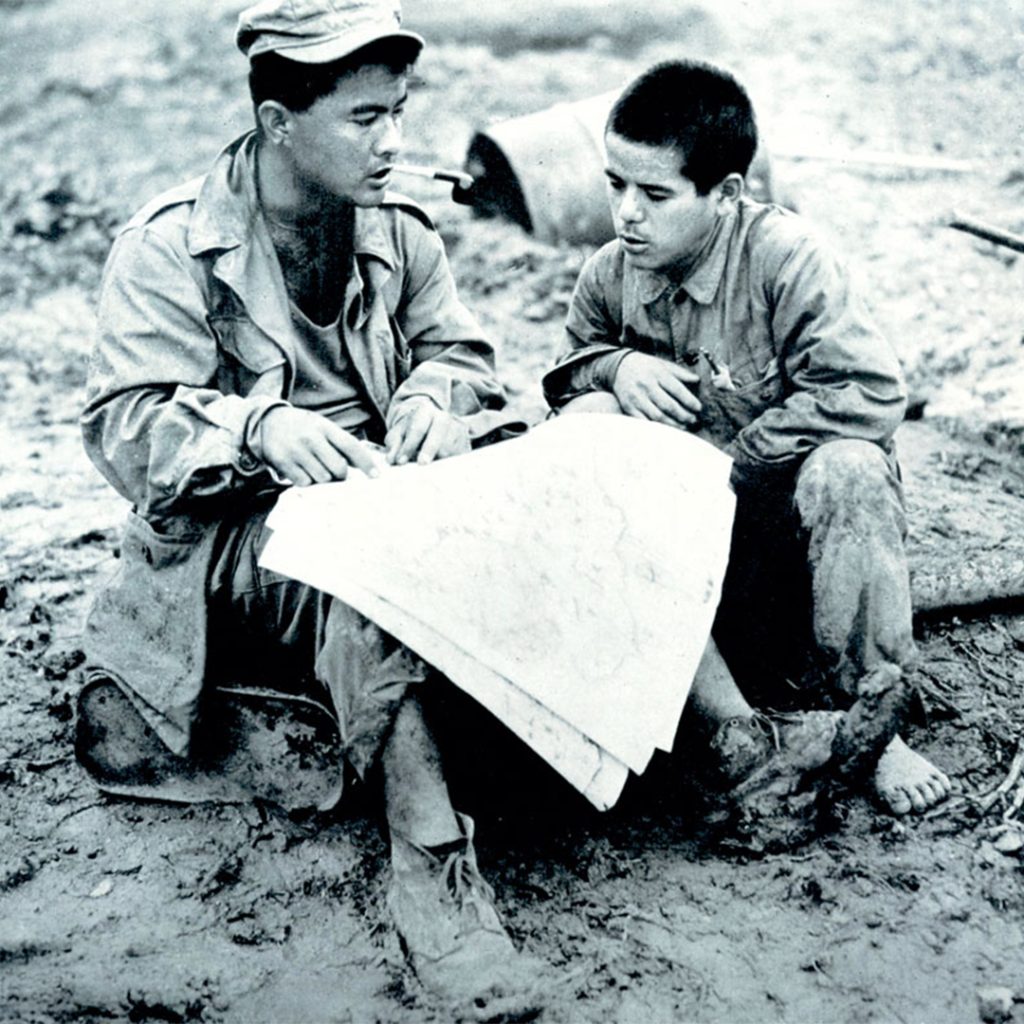
Warren Higa, left, questions a prisoner about Japanese positions, Okinawa, 1945
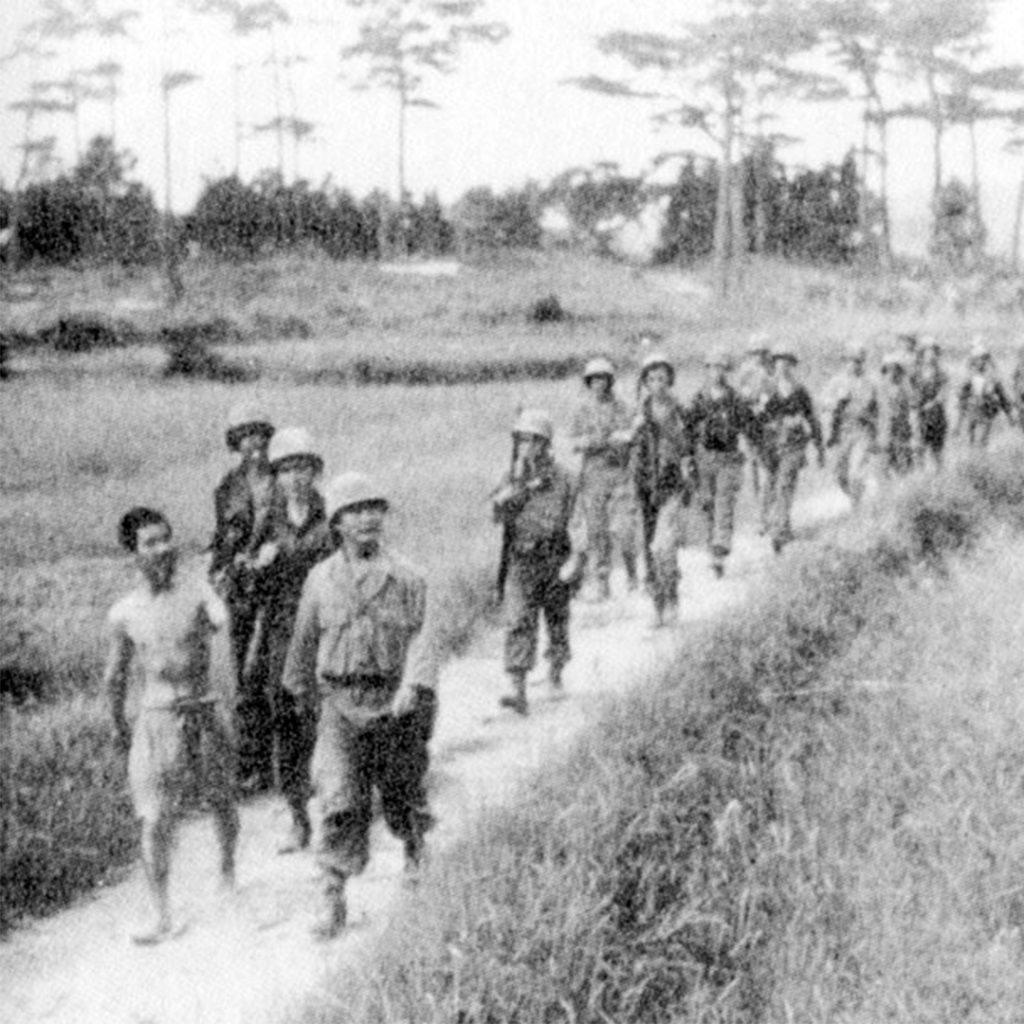
Lietenant Wally Amioka and a Japanese POW lead an American patrol, July 1945
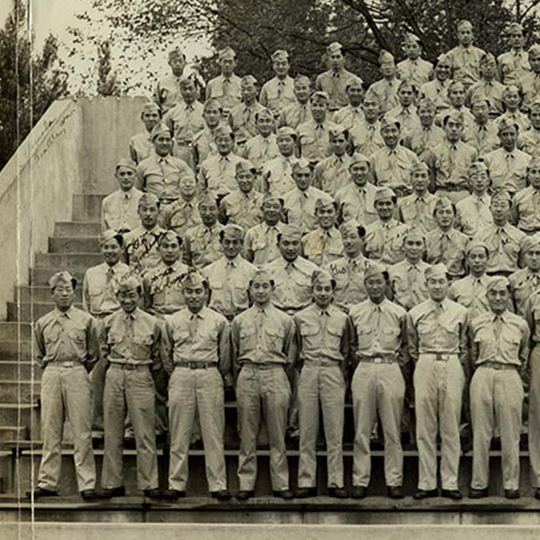
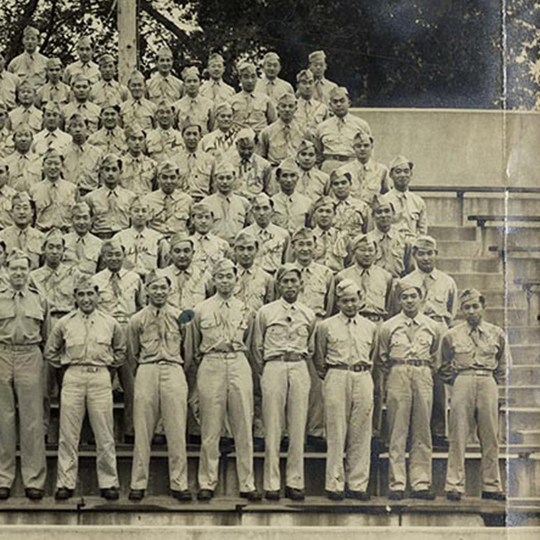
MISLS (Military Intelligence Service Language School) 4th Class, Fall 1944
Credit The National WWII Museum Digital Collections, Gift of Ted Yeanri
Yet when the same government came asking for help, they answered.
Quietly. Bravely. Brilliantly.
The Military Intelligence Service went on to serve in every major battle in the Pacific. General Charles Willoughby, intelligence chief for General MacArthur, later said the MIS “saved countless lives and shortened the war by two years.”
That’s what patriotism looked like for those the U.S. had doubted. The government may have questioned their loyalty.