American freedom was attacked, then taken away from 120,000 of their own soon after.
December 7, 1941: Pearl Harbor was attacked. It became a date which will live in infamy, in more ways than one.
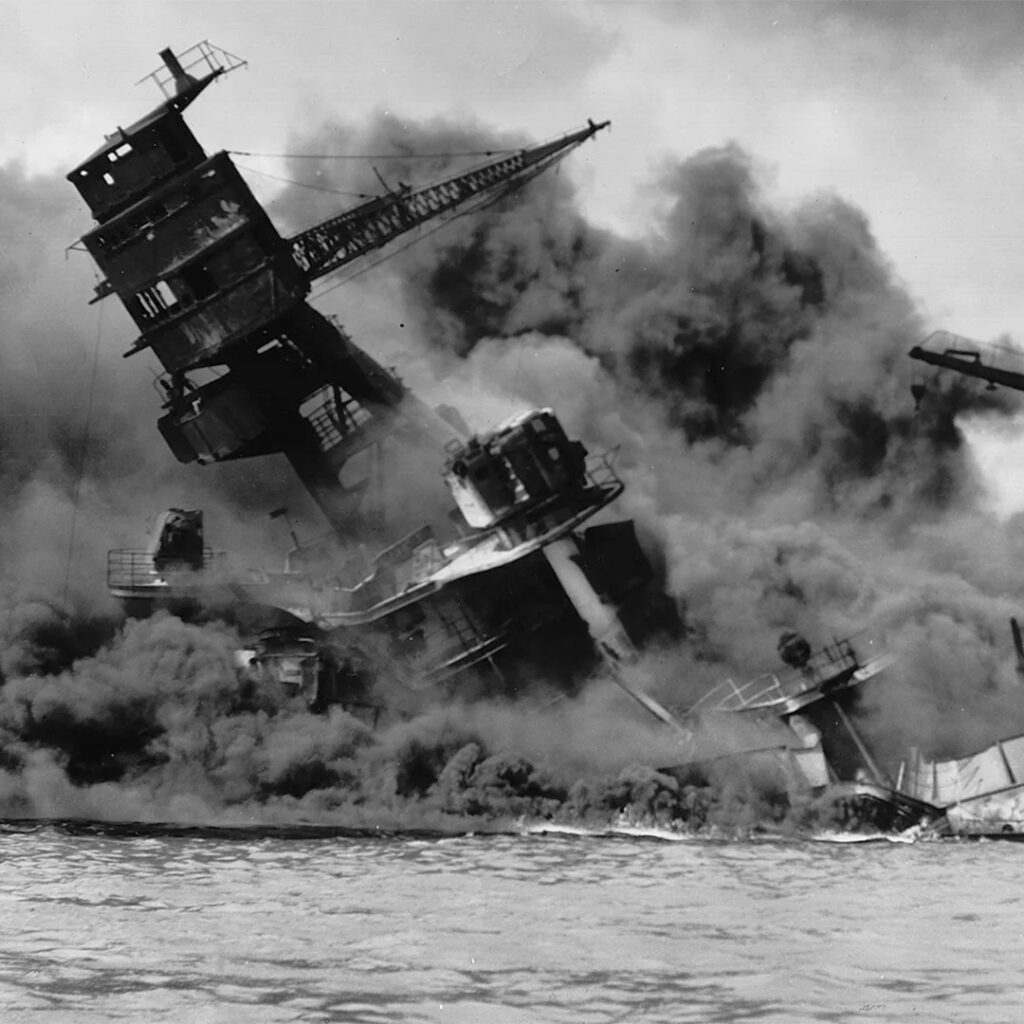
A quiet Sunday morning in Hawaiʻi was shattered when Japanese forces launched a surprise assault on Pearl Harbor. Battleships burned. Columns of smoke rose into the sky. By the end of the day, 2,403 Americans were dead and more than a thousand wounded.
But for one group of Americans, the attack did something else: it put a target on their backs.
Within hours, suspicion hardened into fear — and fear hardened into policy. Newspapers demanded loyalty tests. Radio commentators warned of spies “hiding in plain sight.” Ordinary citizens began looking at their Japanese American neighbors as if they had caused the destruction themselves. Akiko Kurose remembered returning to school on December 8 and hearing her teacher say, “You people bombed Pearl Harbor.”
The bombs fell in Hawaiʻi. The blame fell everywhere else.
After Pearl Harbor, anti-Japanese groups gained enormous political power. What followed wasn’t just fear, but a coordinated push to remove an entire community.
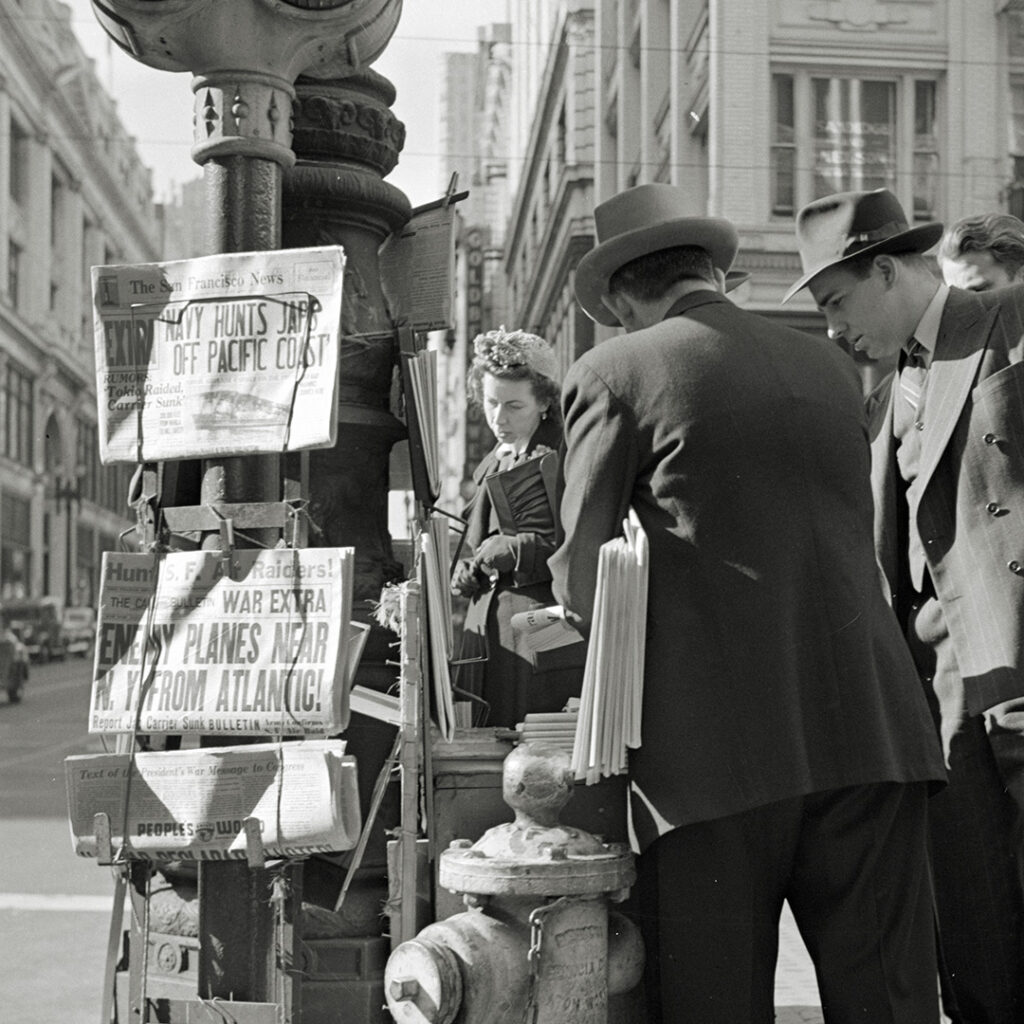
Newspapers hit the streets with sensational headlines: “Navy Hunts Japs Off Pacific Coast” and even fabricated stories like “Enemy Planes Near N.Y. from Atlantic!”
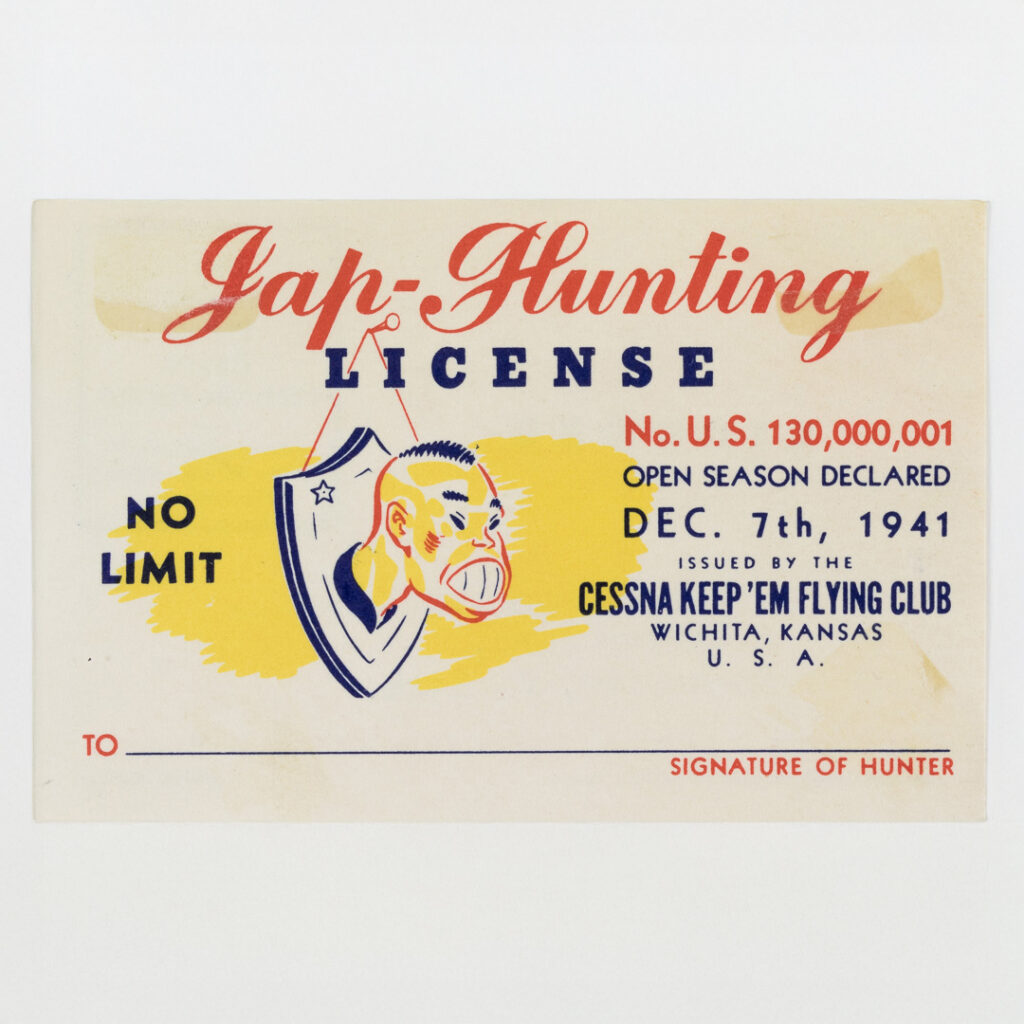
Pearl Harbor didn’t just spark a war overseas. It emboldened people at home who believed they now had permission to target anyone who looked Japanese.
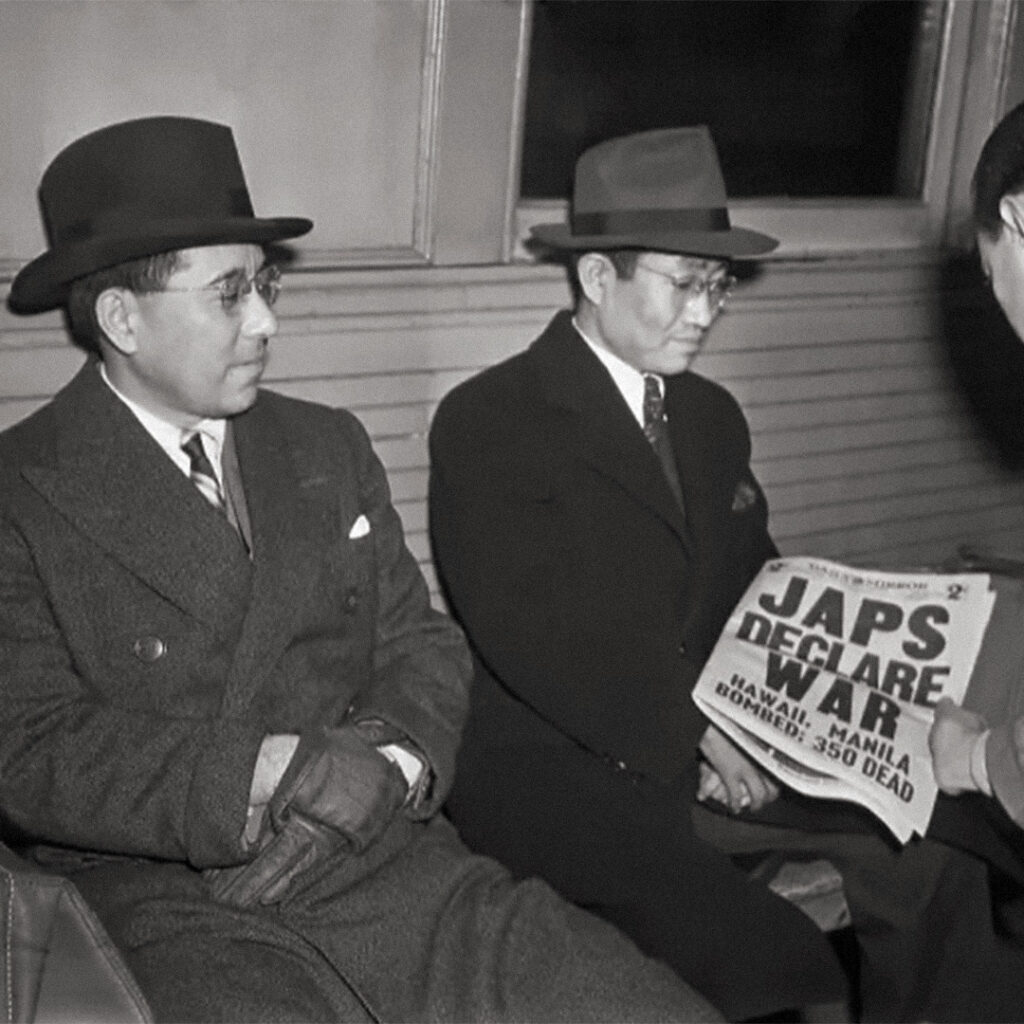
Two men photographed reading the headline “Japs Declare War” while being transported to Ellis Island in federal custody, only hours after the attack on Pearl Harbor.
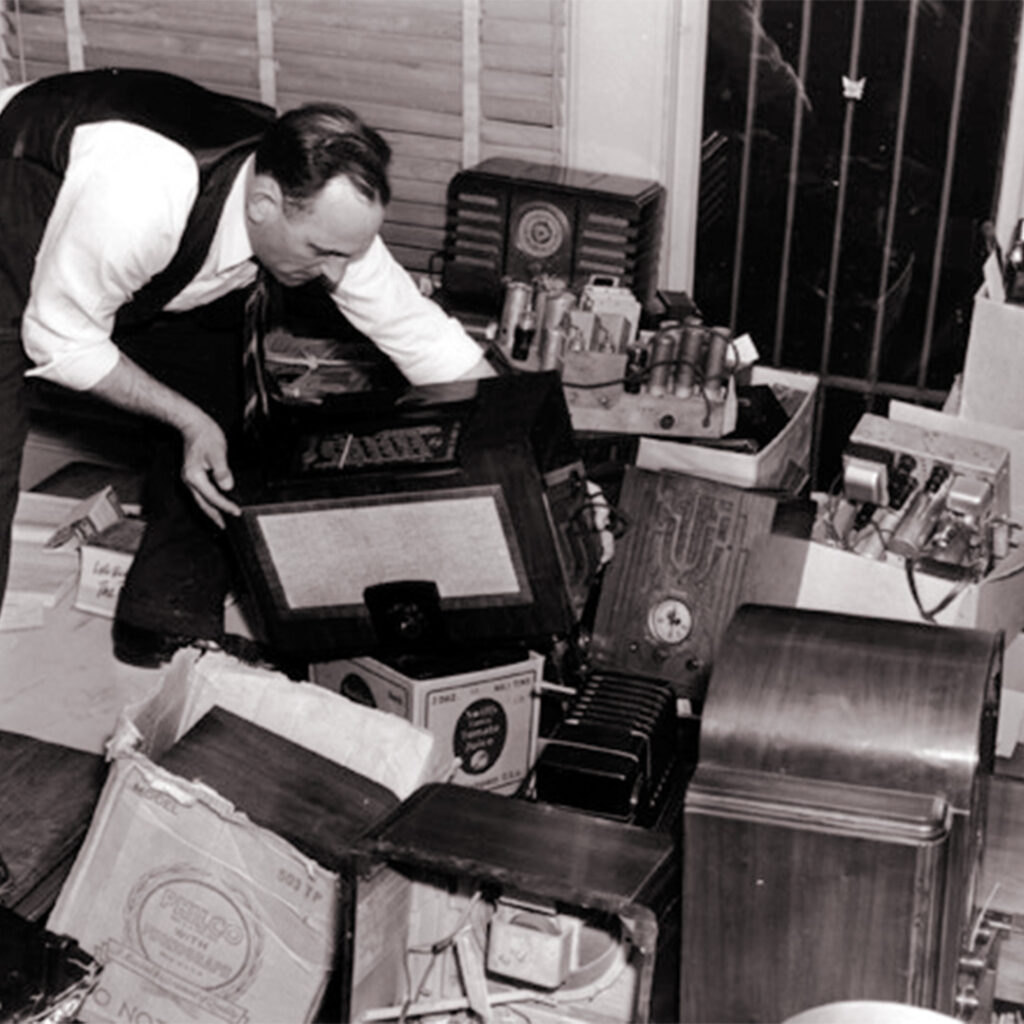
Federal agents began confiscating “contraband” items from Japanese American homes — radios, cameras, even heirlooms — within hours of the Pearl Harbor attack.
Mitsuye Endo, a loyal U.S. citizen, fired from the state of California without a cause. Her courage helped bring the camps down.
Enemy at Home
Even before Pearl Harbor, the government had already compiled custodial detention lists — the ABC Lists — naming people to be arrested if war came. When it did, those lists became action.
Within hours, FBI agents began arresting more than 1,700 Issei community leaders across Hawaiʻi and the West Coast: Buddhist priests, language school teachers, business owners, fishermen. None were charged. None saw a lawyer. Their ancestry was treated as evidence. Within days, banks froze Japanese American accounts. Travel restrictions were imposed on families who had lived in the United States for generations. Radios and cameras were confiscated. Curfews went into effect.
Teachers, friends, and neighbors now viewed them with fear and suspicion. Schools, agencies, and state governments quietly removed Nisei workers from their jobs — including the now-famous case of the State of California firing Mitsuye Endo simply because she was Japanese American.
They Were Victims, Too
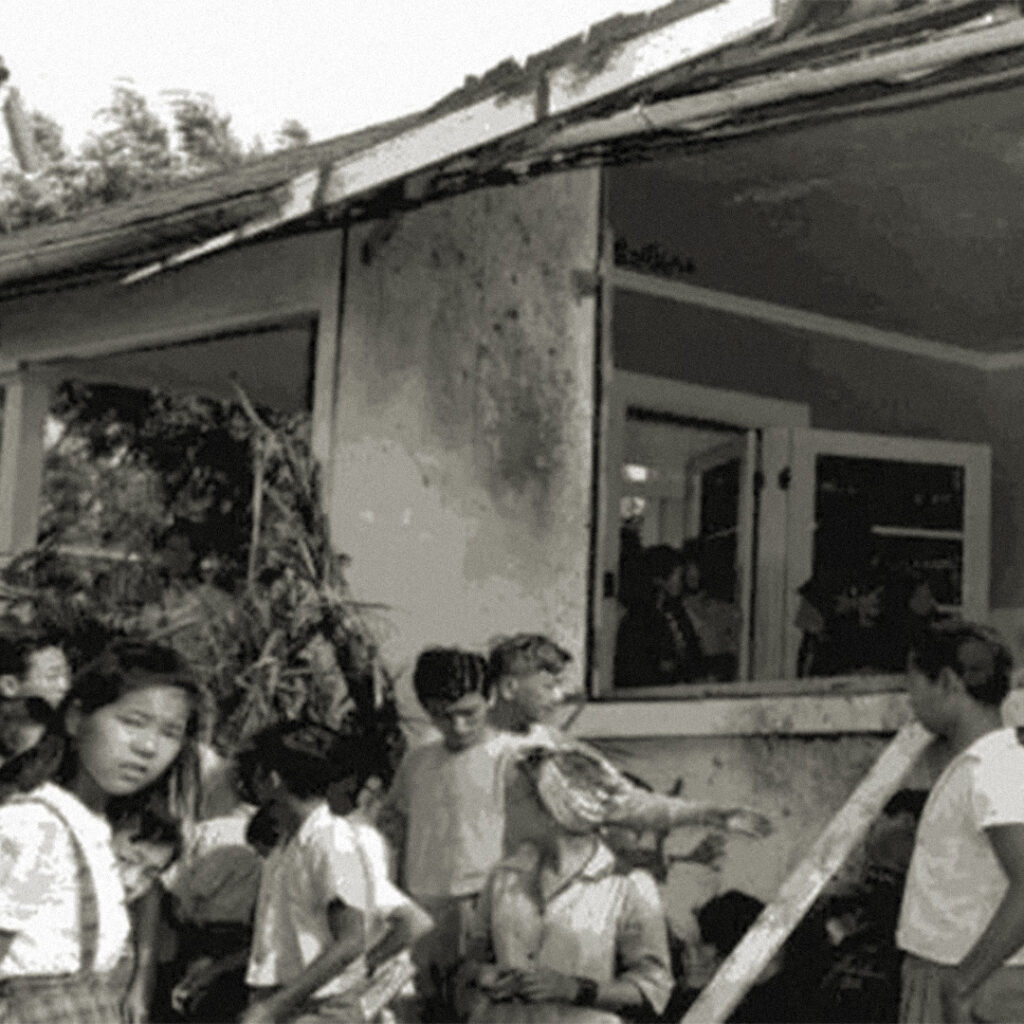
Many don’t realize that nearly half of the civilians killed on December 7 were Japanese Americans — and that most of those deaths came from friendly fire, not Japanese bombs. Some were fishermen caught at sea when the attack began. Others, about thirty-five civilians on land, were killed by American anti-aircraft shells and shrapnel that fell across Honolulu.
But the truth never stood a chance. Stories spread that Japanese plantation workers had carved arrows into cane fields to guide enemy pilots, or set fires as signals. Newspapers reported that Japanese parachutists had landed on Oʻahu. Others insisted the water supply had been poisoned. And when Japanese pilots were shot down, wild claims circulated that they had been former students of local schools.
Inside their homes, Japanese American families quietly removed and destroyed treasured heirlooms — not out of disloyalty, but out of fear that anything Japanese could be twisted into “evidence” at an internment hearing. Fear did not need facts. It only needed targets.
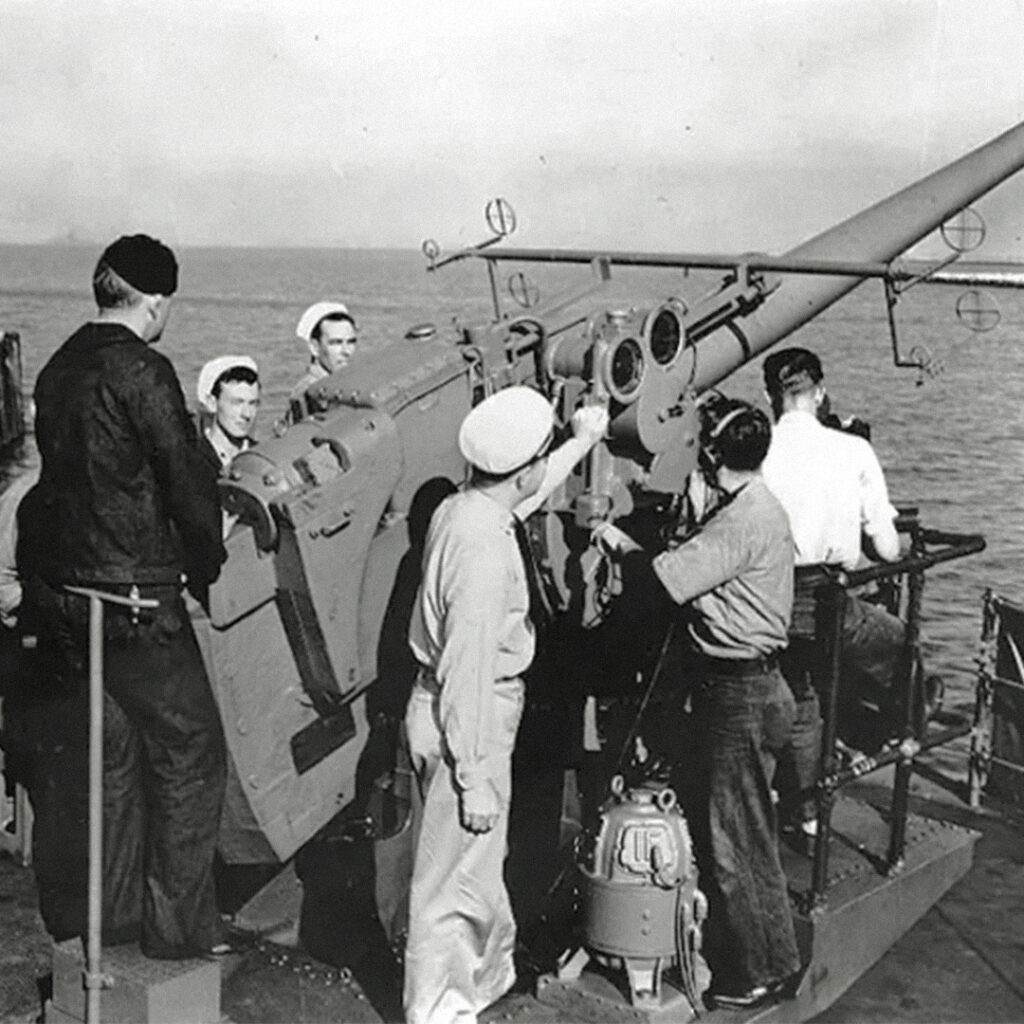
The Navy killed more civilians in Honolulu than the Japanese did that day. The 5-inch anti-aircraft shells failed to detonate in the air and crashed into neighborhoods.
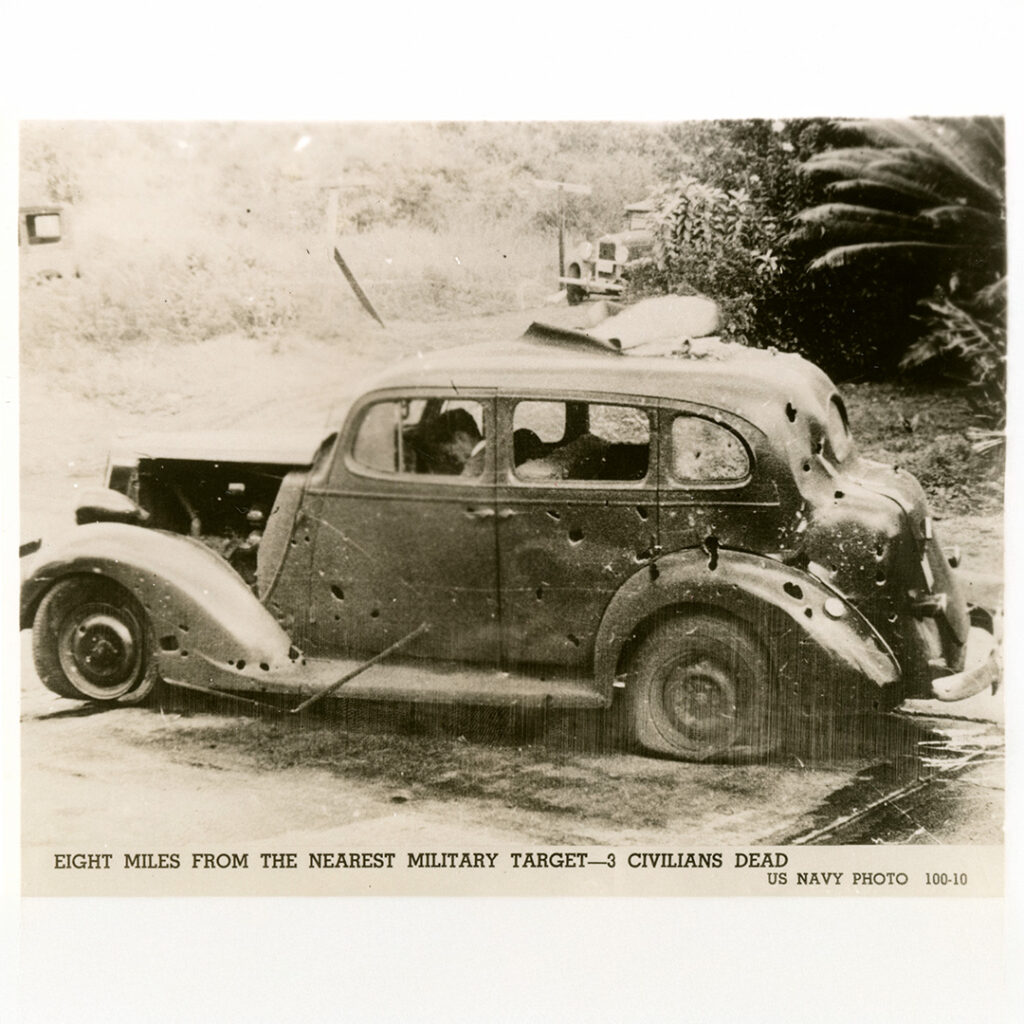
Three civilians were killed, eight miles from the nearest military target. Their deaths were caused not by enemy bombs, but by American anti-aircraft shells.
Nearly half of the civilians killed on December 7 were Japanese Americans, many struck by U.S. anti-aircraft shells that were first blamed on Japanese bombs.
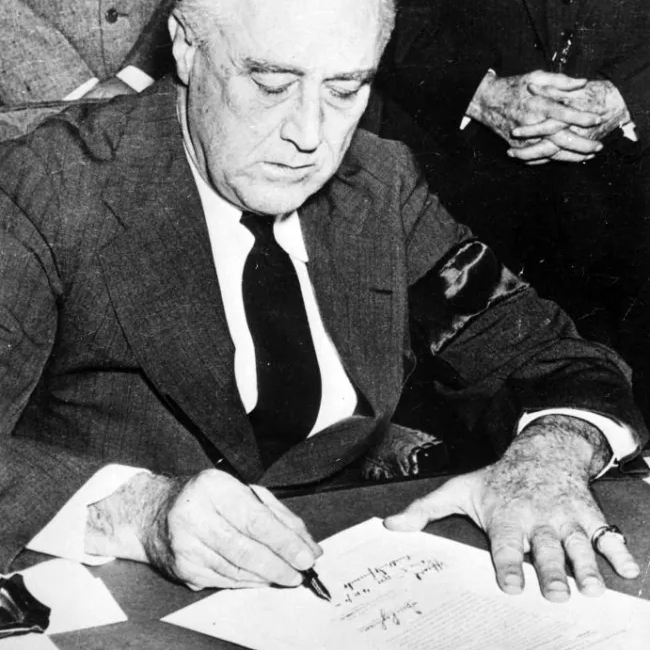
February 19, 1942 — Franklin Roosevelt signs Executive Order 9066, setting in motion the mass incarceration of over 120,000 Japanese Americans during WWII
Horse stalls turned into incarceration barracks at Tanforan Assembly Center. Japanese Americans were forced to sleep in rooms reeking of manure.
The Machinery of Removal
In February 1942, President Franklin Roosevelt signed Executive Order 9066, authorizing the military to remove anyone it deemed a threat. The order was applied almost exclusively to people of Japanese ancestry. More than 120,000 men, women, and children — two-thirds of them American citizens — were ordered to leave their homes, farms, schools, stores, and communities.
They were tagged with numbers and sent first to temporary detention sites like Santa Anita, Tanforan, and Puyallup. Horse stalls became bedrooms. Barbed wire marked the edges of their new reality. Armed guards watched from towers. Then came the second move — to ten inland prison camps: Manzanar, Heart Mountain, Tule Lake, Minidoka, Topaz, Jerome, Rohwer, Poston, Gila River, and Granada (Amache).
The government called them “relocation centers.” Most incarcerees called them what they were: concentration camps.
The Cost That Cannot Be Counted
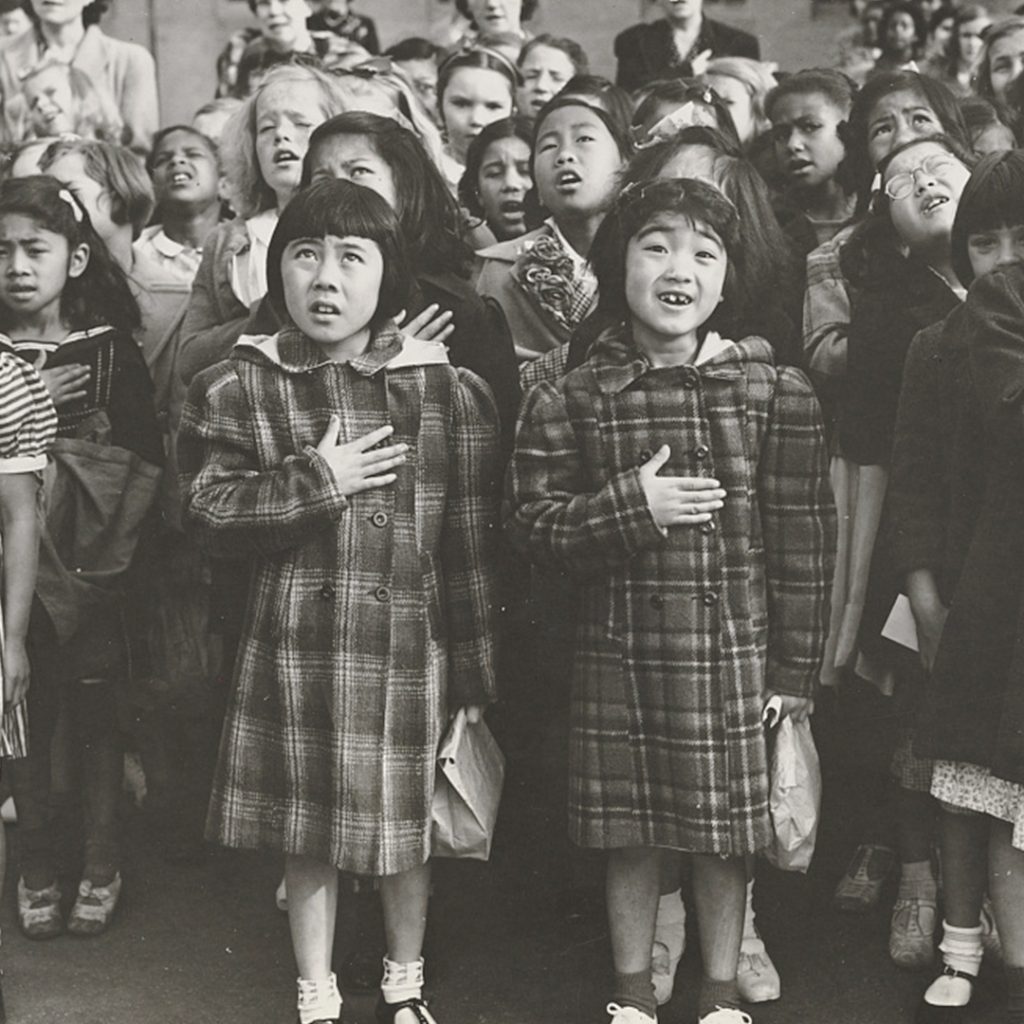
Lives were disrupted. Livelihoods destroyed. Entire communities uprooted. Farmers lost crops. Store owners lost leases. Students lost years of education. Families lost homes they would never recover. Children reciting the Pledge of Allegiance one week were sleeping behind barbed wire the next. And long after the war, the wounds remained — the shame imposed on families, the silence carried across generations, the loyalty questioned, the freedoms removed without cause.
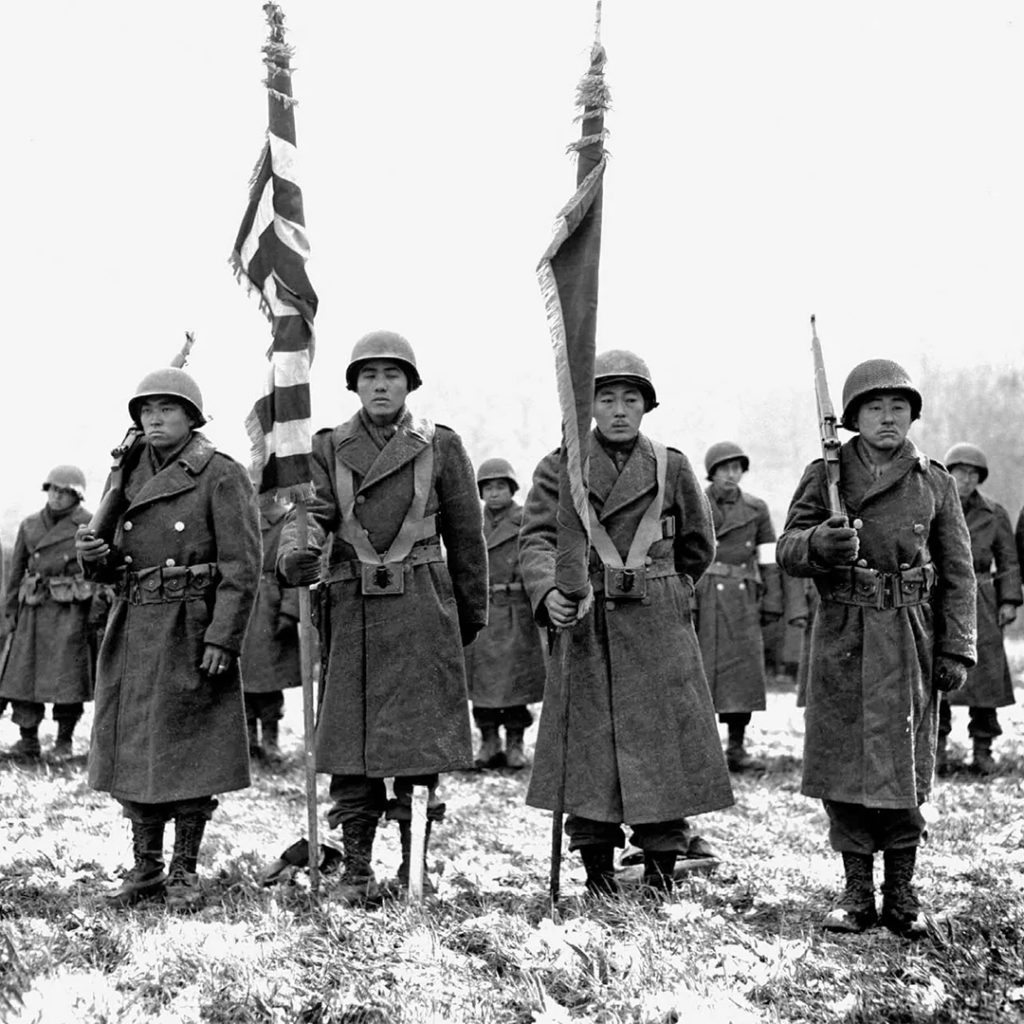
And still, despite everything, thousands of Japanese Americans volunteered to serve the very country that had imprisoned them.
Their story is part of Pearl Harbor, too. Not just the version told with battleships and timelines, but the version that shows what a democracy can lose during fear.
American freedom was attacked on December 7. First by the Japanese, then by the Americans.
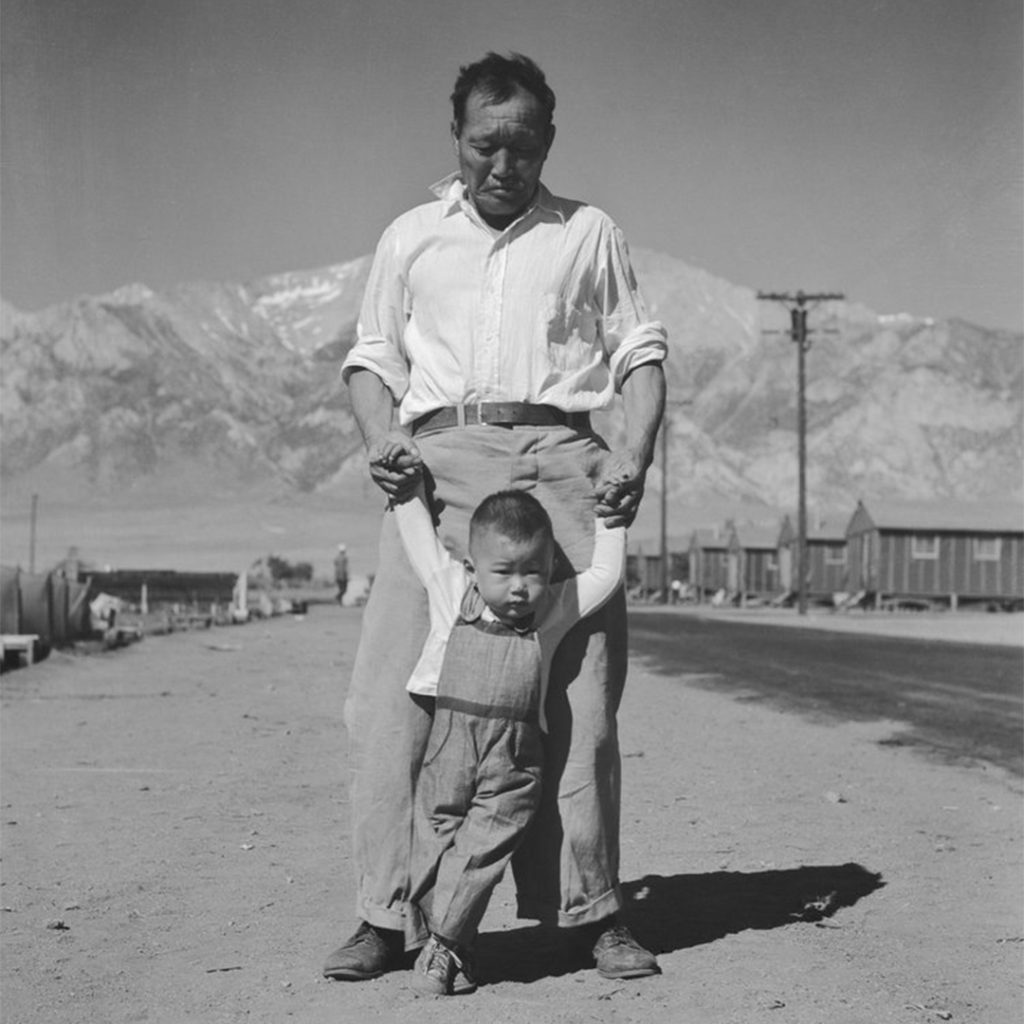
Grandfather teaching grandson to walk, Manzanar, CA, 1942, photo by Dorothea Lange. The pain, and shame, lingered for generations.
Children of the Weill public school in a flag pledge ceremony, San Francisco, CA, 1942, photo by Dorothea Lange. Too many were incarcerated, despite their loyalty.
While many of their families remained imprisoned, soldiers of the 442nd Regimental Combat Team became some of the most decorated in U.S. military history.