If you can sell American rice to Japan, maybe you could run a camp of Japanese Americans, too.
November 24, 1942: Ralph Merritt was appointed the third project director of Manzanar, a role he held until the end of the war.
Ralph P. Merritt didn’t begin his career anywhere near a concentration camp. In California he worked in business, real estate, and education. He served as a food administrator during World War I and even assisted in Herbert Hoover’s presidential campaign. What finally gave him statewide prominence was food — specifically rice.
In 1921, he became head of the California Rice Growers’ Association, where he succeeded in something few had imagined: opening markets in Japan for surplus American rice. The achievement earned him a reputation as a “trouble-shooter,” a man who could be sent into complex situations and find a way through them.
That reputation is part of why the War Relocation Authority (WRA), specifically Dillon S. Myer, called him in late 1942. Manzanar had already cycled through two directors. The camp was tense, divided, and still reeling from turmoil and violence. Merritt was brought in not because he understood Japanese Americans, but because he understood crises.
Project Director Ralph Merritt at work in Manzanar’s administrative office. His leadership would become both controversial and transformative.
Dillon S. Myer, who led the War Relocation Authority, visiting Heart Mountain. He believed the camps should be closed and worked to end the incarceration program.
Funeral for James Ito and Jim Kanagawa, the two young men killed by military police during the Manzanar Riot, held inside the camp on December 21, 1942.
Leupp Isolation Center, Arizona, where the WRA sent men labeled “troublemakers” — often for nothing more than speaking out.
Designated as a high-security camp, Tule Lake was surrounded by eight-foot fences, multiple guard towers, and armed patrols to isolate anyone labeled “disloyal.”
A Rocky Beginning
When Merritt arrived at Manzanar in November of 1942, he inherited a camp already on edge. Two weeks into his tenure, long-simmering tensions erupted into a riot, killing two Japanese American inmates and injuring several others.
In responding to the crisis, Merritt made choices that shaped his reputation for years. He called in additional military police to reassert control, and his early style leaned heavily on authority. Merritt also sent more prisoners to the WRA’s high-security facility at Leupp, Arizona, than any other camp director.
However, after the initial turmoil, and after Manzanar sent 2,165 inmates to Tule Lake during segregation, the highest number from any camp, life inside the camp grew calmer. Merritt’s tenure was shaped by both conflict and compromise, and his early decisions cast a long shadow over everything that followed.
A New Kind of Director
Merritt brought a calmer, steadier hand than the two directors before him. He met residents where they were and tried to reduce the daily frictions that made camp life harder: overcrowded mess halls, work disputes, shortages, leadership breakdowns. He approved community programs, backed the Manzanar Free Press, and developed a working relationship with Ansel Adams, granting him unusual access when other camps feared outside scrutiny. Merritt’s approach didn’t challenge incarceration itself, but he made the internal system less volatile.
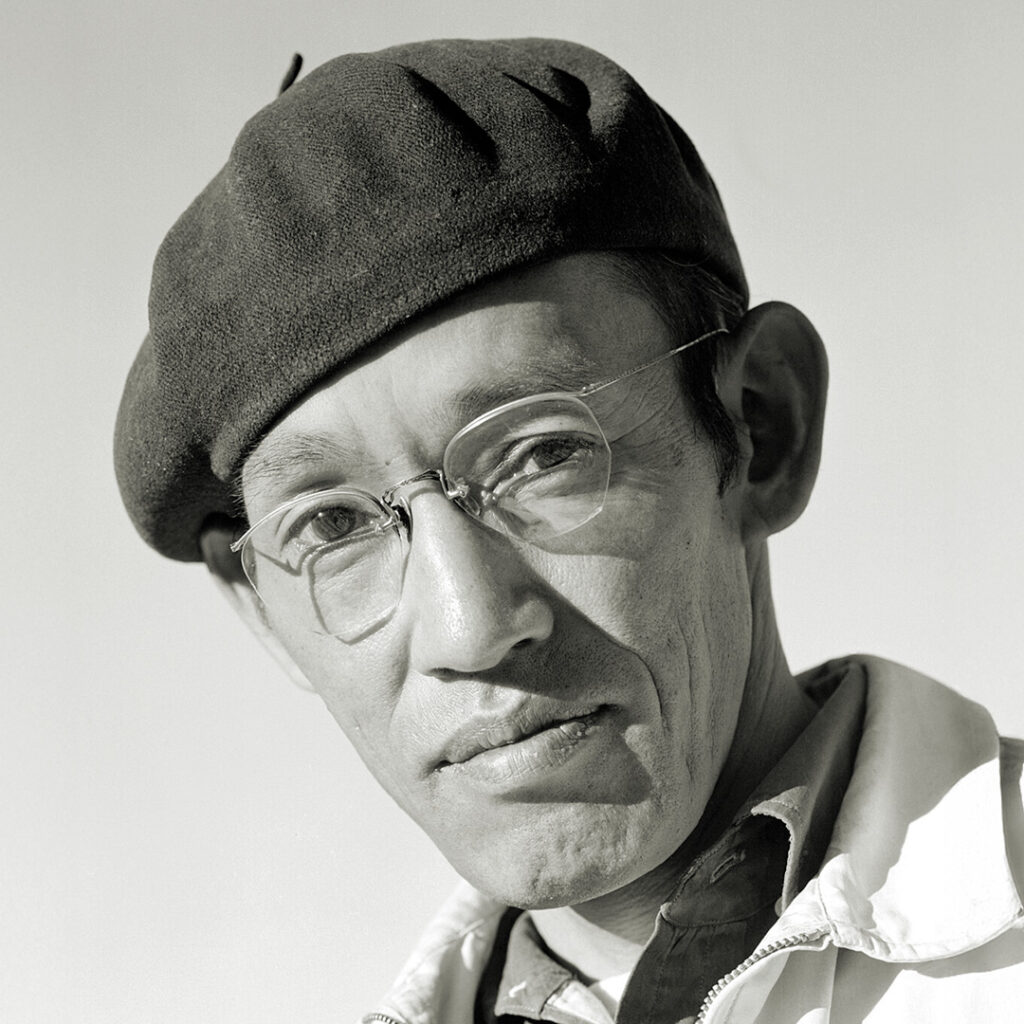
For instance, Merritt once learned that Toyo Miyatake had secretly built a homemade camera inside the camp, which was prohibited by the WRA. But instead of punishing him, Merritt approved Miyatake to keep photographing. Because of that choice, generations now have a visual record of daily life that would otherwise have been lost.
Under Merritt, agriculture expanded, schools stabilized, and some sense of community was able to grow.
Roy Takeno and others reading the Manzanar Free Press in front of the office, 1943, photo by Ansel Adams, credit Library of Congress
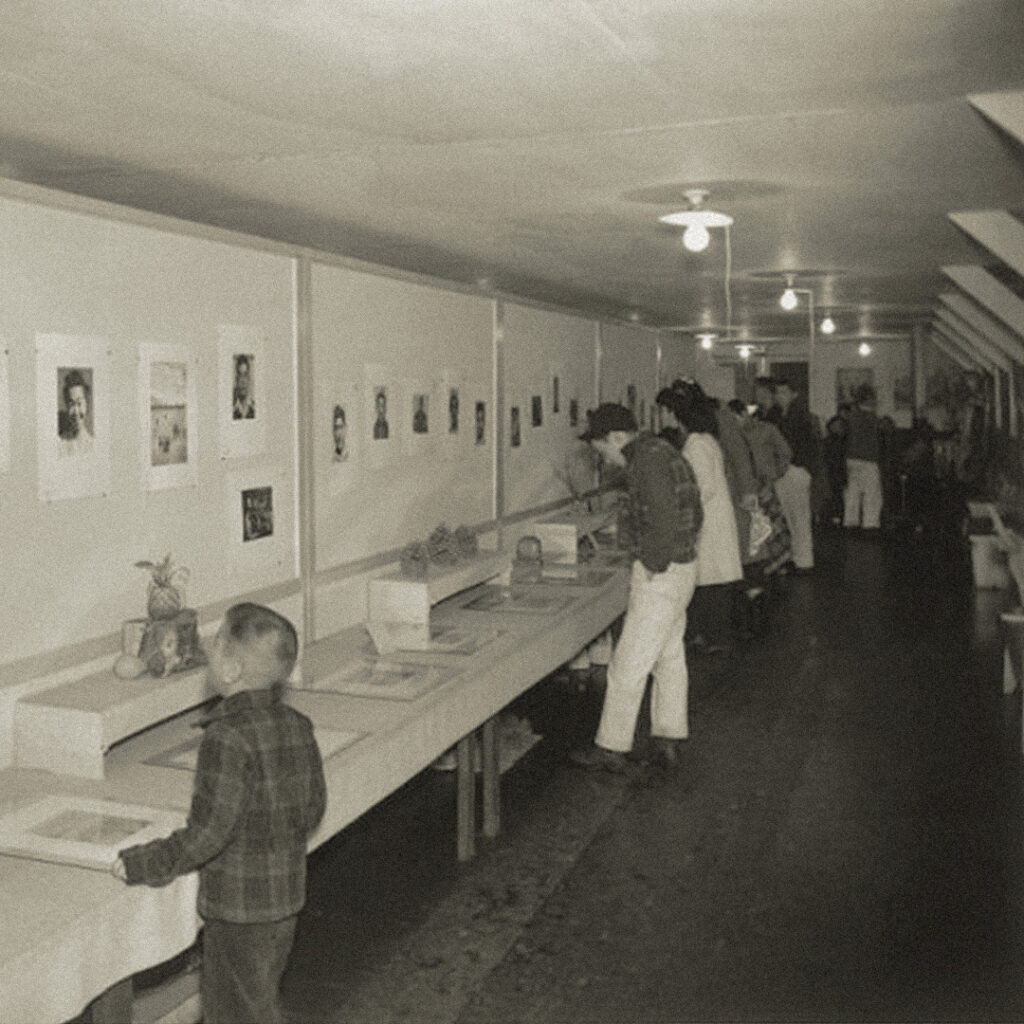
Ansel Adams’s photographs were first exhibited inside Manzanar in 1943, where incarcerated families viewed them in a makeshift museum, called the Visual Education Museum.
Toyo Miyatake, as seen through the lens of Ansel Adams. One photographer documenting a community from the inside. The other, from the outside.
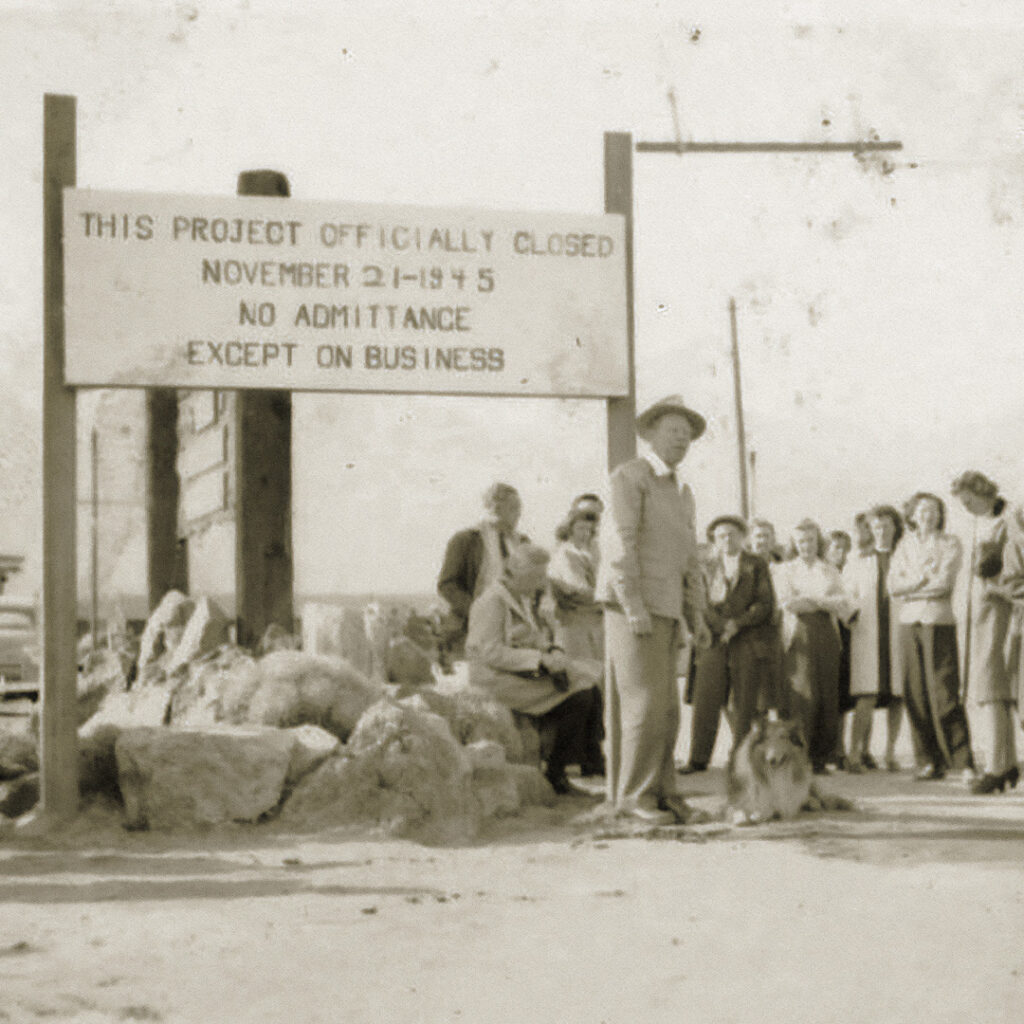
Ralph Merritt with his dog on November 21, 1945, the day Manzanar closed and the last incarcerated families prepared to leave.
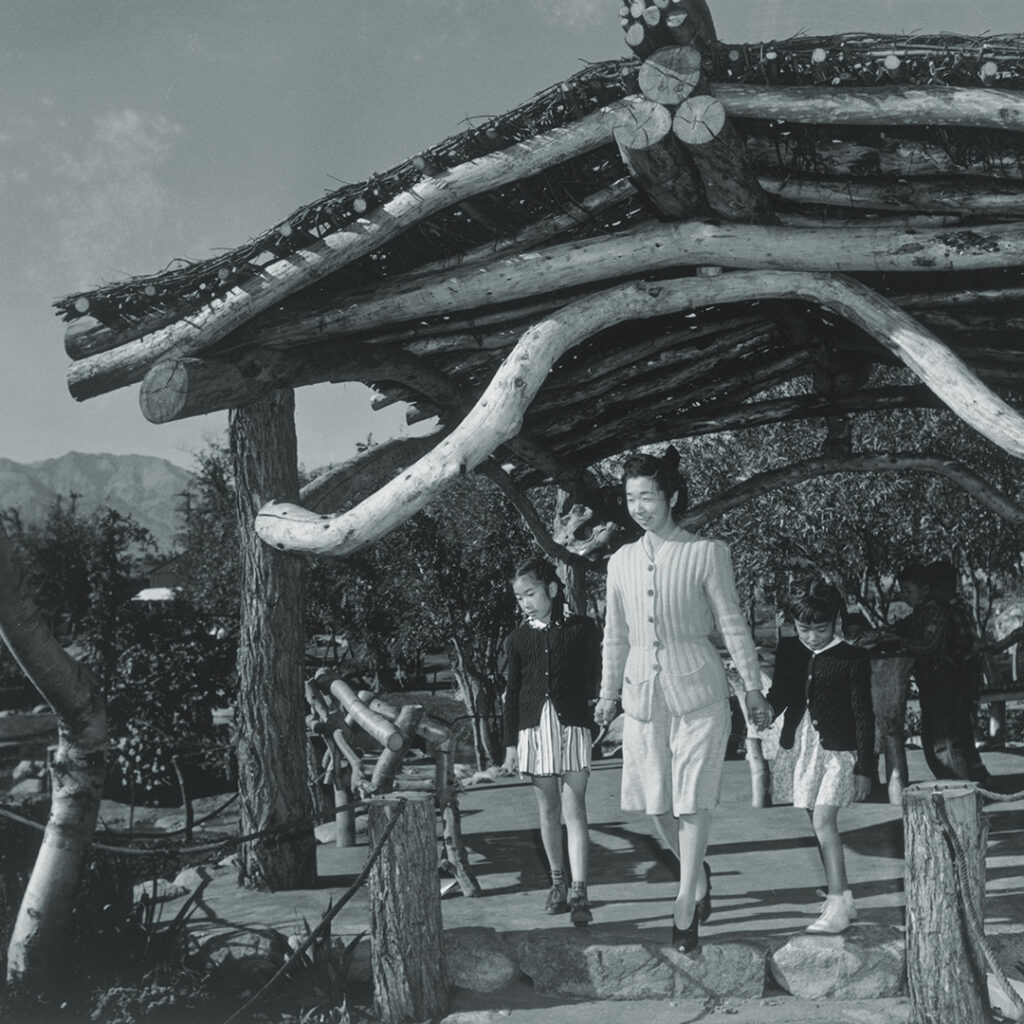
Merritt Park at Manzanar, an inmate-built garden named after Project Director Ralph Merritt. Manzanar, 1943. Photograph by Ansel Adams.
After Manzanar
When the war ended and Manzanar closed, Merritt’s connection to the Japanese American community didn’t disappear. He later served as president of the local Japan America Society, working to rebuild ties in the years when Japanese Americans were returning home and restarting their lives. In his final years, he also helped broker an agreement between the Japanese American Citizens League (JACL) and UCLA that led to the Japanese American Research Project — today one of the most significant archives of Japanese American history in the United States.
His tenure at Manzanar was far from perfect. But after the initial unrest, agriculture expanded, schools stabilized, and daily life took on a degree of normalcy under his administration. The inmates even named their community-built Japanese garden after him.
Merritt remains a complicated figure, someone whose leadership contributed to both strain and stability, and a figure who tried to repair at least part of what the wartime incarceration had broken.